
Woven Apparel Fabric Shortlist by End Use
Woven Apparel Fabric Shortlist by End Use
Choosing woven apparel fabric for a seasonal or functional garment starts with the intended use, but a category name alone is not enough to approve a material. Buyers comparing summer shirting, casual and resort wear, wicking-oriented shirts, or heavier trousers and outerwear need to match each brief to a relevant fabric family, then verify the exact model’s construction and performance before sampling. This shortlist organizes the options by those end-use briefs rather than ranking suppliers.
PT Golden Tekstil Indonesia (GTI) is a woven apparel fabric manufacturer whose supplied product information lists Seersucker, Linen & Linen Look, Cool-Dry, and Heavy Weight Fabric categories with associated model numbers. The supplied catalog mapping identifies Seersucker S01183-01; Linen & Linen Look B00353-01 and 569717-01; Cool-Dry B02568-02 and B02587-04; and Heavy Weight Fabric models including S01582-01. That mapping establishes category and model identity, not every model’s composition, weight, finish, or tested suitability for a particular garment.
The practical recommendation is therefore a shortlist for development, not a finished specification. Use the intended garment to decide which group to sample, and request model-level data before comparing samples or confirming bulk production. The brief identifies the target uses below; buyers should validate those uses against the actual swatch, specification sheet, and agreed acceptance criteria.
How to use this shortlist
Begin with the garment brief and the property that matters most to it. A summer shirt, a relaxed resort garment, a shirt with a moisture-management requirement, and a heavier bottom or outer layer do not share one interchangeable fabric specification. The same category label can cover meaningful differences between constructions or finishes, so compare actual model data rather than relying on a family name.
For each candidate, confirm at minimum the fiber composition, weave or construction, finished fabric weight in grams per square metre (gsm), usable width, finish, and the tests relevant to the garment’s performance and care requirements. The supplied catalog mapping does not state those specifications for the shortlisted models. They should be requested and recorded against the individual model and sample, not assumed from a general category description.
- Keep the model number attached to every specification, swatch, lab result, and approval.
- Ask whether a stated property is inherent to the construction or depends on a finish.
- Agree test methods and acceptance limits for the buyer’s intended end use before bulk production.
- Confirm that the approved sample, colorway, and bulk order refer to the same construction and finish.
1. Seersucker S01183-01 for a summer shirting brief
Seersucker S01183-01 is the named candidate in this shortlist for summer shirting. Its inclusion follows the assigned end-use direction, while the supplied product mapping confirms the model’s association with the Seersucker category. The available model-level catalog record does not establish the fiber percentages or fabric-weight range for S01183-01. Those values should not be inferred from the category name or transferred from another fabric.
Before sampling, ask for the current technical specification for S01183-01, including fiber composition, finished weight, width, construction details, and any finish applied. If stretch is relevant to the garment pattern, confirm whether the model contains stretch fiber and request the applicable stretch and recovery results. Do not treat “Seersucker” as evidence of a particular composition, stretch level, breathability result, or care behavior.
For a summer shirt, evaluate the physical sample in the intended garment context. Check hand, drape, opacity, surface appearance, sewing behavior, and how the cloth behaves after the care process specified for the product. These are buyer checks, not reported results for S01183-01. If the specification or sample changes during development, document the change and confirm whether it requires a new approval.
2. Linen & Linen-Look B00353-01 and 569717-01 for casual and resort wear
The supplied product mapping lists B00353-01 and 569717-01 under Linen & Linen Look Fabric. The assignment places this group on the shortlist for casual and resort wear. The paired category name covers two possibilities—linen and linen-look—so buyers should establish which description applies to each model rather than treating the models as equivalent or assuming that either one is made from linen.
For both candidates, request the exact fiber composition and construction. If a product is described as linen-look, clarify which fibers and construction create that description. Also confirm finished gsm, width, color and finish options, and any care or performance information relevant to the garment. The available mapping does not provide these values, so it cannot support a material-content claim or a direct performance comparison between B00353-01 and 569717-01.
Sample both models if the distinction between them affects the design decision. Compare them against the same garment brief and record the evaluation criteria before review. For example, the buyer may need to assess appearance, hand, drape, opacity, seam behavior, and care requirements. Those checks help distinguish a design preference from a verified material property. They do not establish an outcome until the actual samples and supporting specifications have been reviewed.
3. Cool-Dry B02568-02 and B02587-04 for wicking-oriented shirting
Cool-Dry models B02568-02 and B02587-04 are listed as candidates for the wicking and quick-dry shirting brief. The product mapping confirms the two model numbers within the Cool-Dry category, but it does not supply a test method, performance threshold, fiber composition, construction, or comparative result for either model. The category name should therefore be treated as a starting point for a technical inquiry, not as proof that a particular shirt will meet a defined moisture-management requirement.
Ask for the specification and test documentation for each model separately. Confirm the fiber blend, weave, weight, width, and finishing route. If wicking or drying behavior is central to the garment, state the buyer’s required test method and acceptance criteria, then ask for results tied to the relevant model and finish. A generic statement about a category is not a substitute for an agreed test result, and data from one model should not be applied to the other without evidence that they share the same specification and test conditions.
During sample review, assess the fabric in the intended shirt construction and care routine. A change in fiber composition, finish, or construction may affect the relevance of an earlier evaluation. Record the approved model and specification so that the sample decision remains traceable through the bulk-order stage. If the candidate does not satisfy the agreed requirement, revise the specification or shortlist rather than assuming the intended function from the product name.
4. Heavy Weight Fabric, including S01582-01, for trousers and outerwear
The supplied product mapping identifies a Heavy Weight Fabric (Outer & Bottom) category and includes S01582-01 among its listed models. The assigned shortlist direction places this group against trousers and outerwear briefs. That makes the group a relevant starting point for development, but the available record does not give a gsm value, composition, construction, width, finish, or performance test for S01582-01.
Request the exact finished weight and construction before deciding whether the model fits the garment. “Heavy Weight” is a category label, not a numeric specification. For trousers or outerwear, confirm the intended use and check the sample for the properties that matter to the design, such as drape, structure, opacity, seam performance, and the planned care process. If the brief includes a durability or dimensional-stability requirement, define the test method and acceptance limit with the supplier before sampling; do not substitute an assumed threshold.
The product mapping lists other models in the same category as well. Their presence does not establish that they have the same construction or are interchangeable with S01582-01. Keep each candidate’s technical sheet and sample identity separate. Where the design has a defined weight or hand requirement, compare only samples for which the corresponding model-level values are documented.
A shortlist is only useful when model records stay distinct
The four groups serve different development questions: whether to sample Seersucker S01183-01 for a summer-shirt brief; which of the two Linen & Linen-Look models merits review for casual or resort wear; whether either Cool-Dry model can meet a defined shirting requirement; and which heavy-weight model warrants evaluation for trousers or outerwear. This is an end-use organization, not an evidence-based performance ranking. The available information does not establish a winner, equivalence, price advantage, or verified fit for any garment.
A useful comparison record should have one row per model and should capture the source and date of its specification, sample identification, composition, construction, gsm, width, finish, and relevant test results. Add the intended garment and agreed criteria so reviewers can tell why the sample was requested. If one value is unavailable, mark it as unconfirmed rather than filling it from another model, an adjacent category, or a general product description.
Separate three kinds of information during review. First, record what the catalog identifies: category and model number. Second, record what the technical sheet or test report states, with its model, conditions, and method. Third, record the buyer’s interpretation of the sample for a particular design. Keeping these separate prevents a use-case intention from being mistaken for a measured property or a confirmed production specification.
From sample approval to a bulk decision
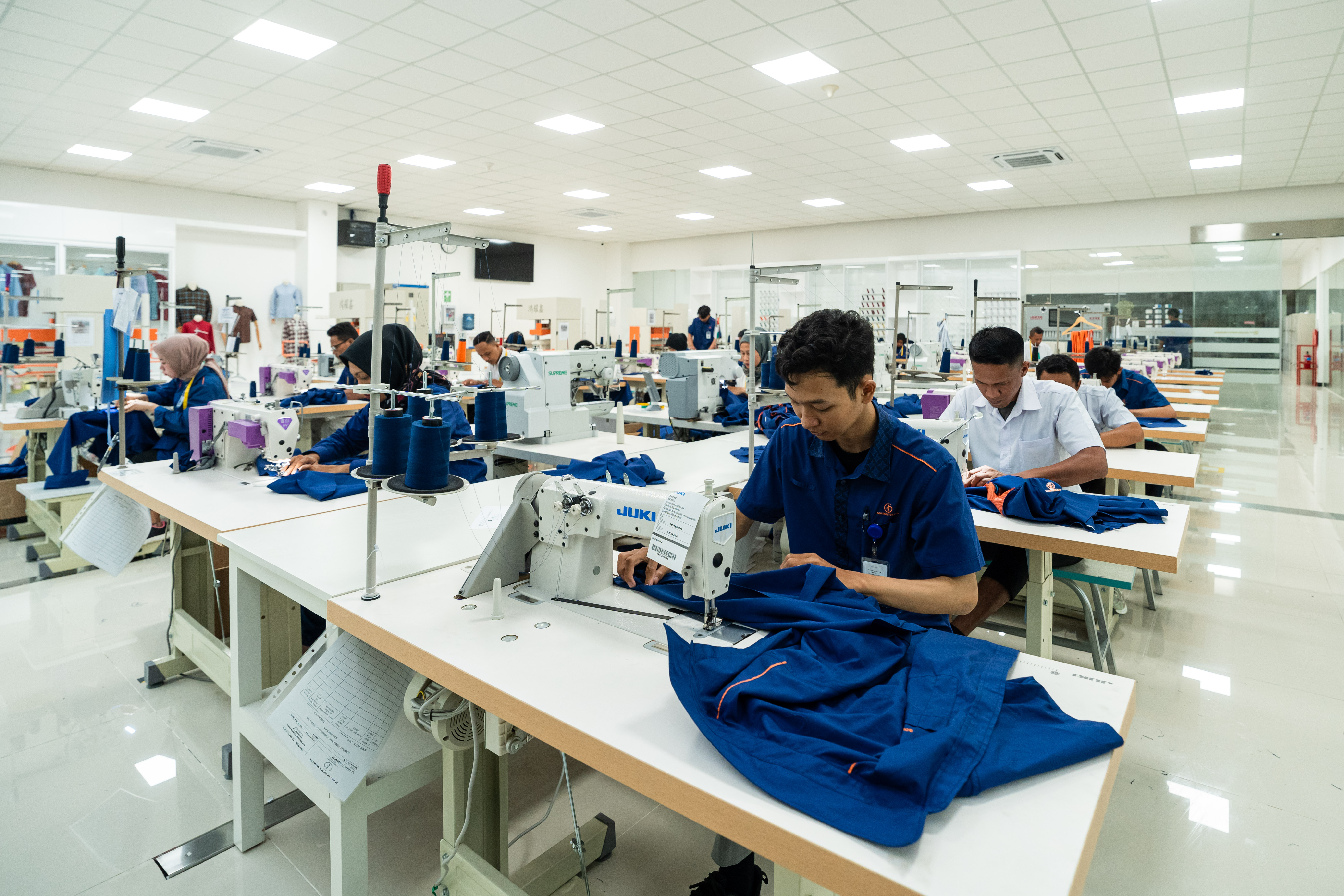
GTI’s stated OEM fabric-order process covers fiber or construction selection, sample approval, bulk order confirmation, mass production, in-house testing, and shipment. The company-provided process description also refers to staged development and approval of samples. For this shortlist, that sequence gives buyers a way to keep selection decisions tied to the product that will be ordered: identify the model, settle its specification, evaluate the sample, approve the relevant version, and confirm that the bulk order uses the approved details.
GTI’s supplied purchasing information states a fabric minimum order quantity of 3,000 meters per color and an approximate bulk lead time of 30–45 days, depending on construction and finish complexity. These are stated terms, not a guarantee for every construction or order. Confirm the applicable quantity and schedule for the selected model, colorway, and finish at order confirmation. The same supplied information recommends confirming required material certifications at the order stage when the destination market requires certified sourcing; buyers should verify the specific documentation and scope required for their material and market.
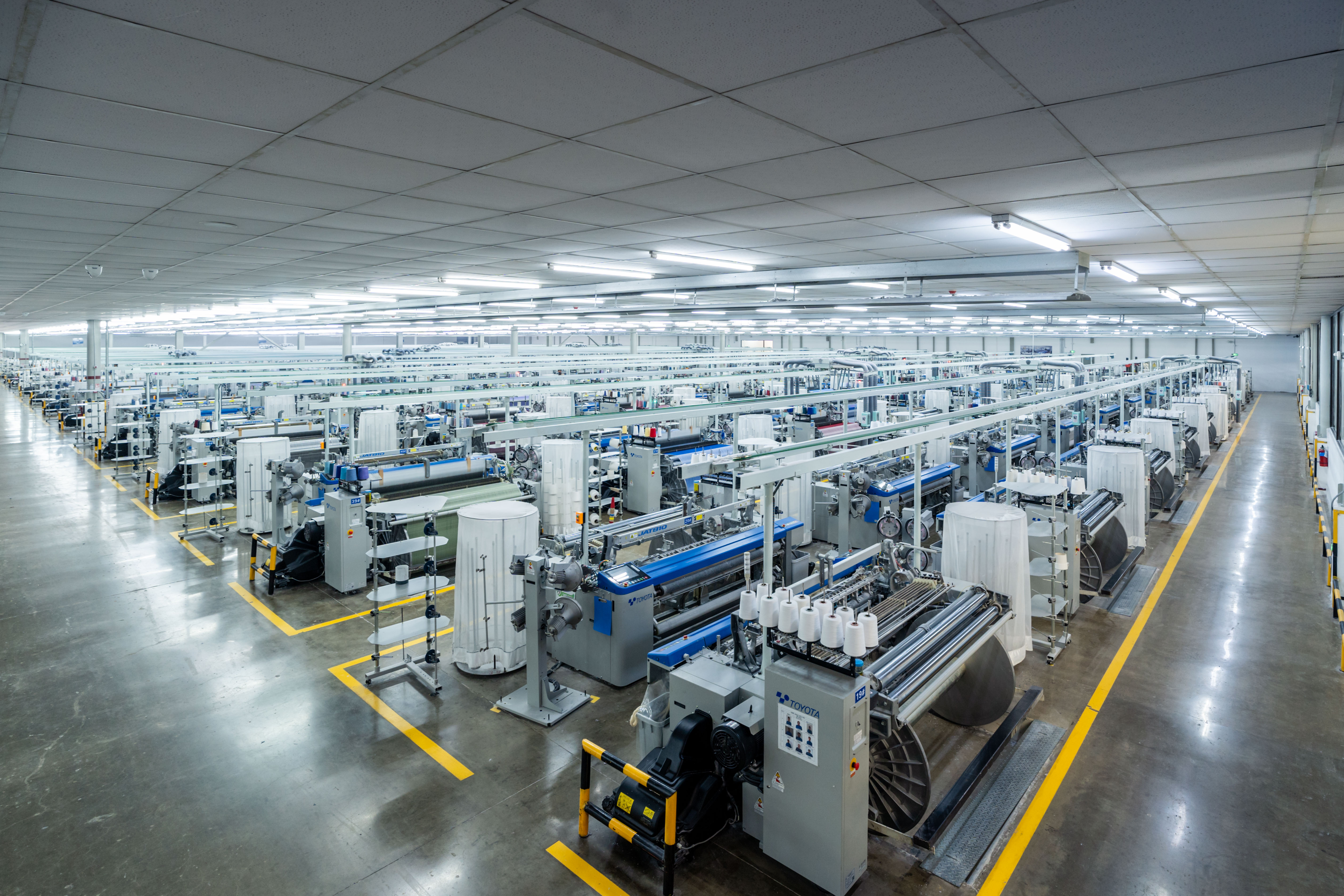
GTI describes its facility as integrated for repeat woven apparel fabric orders, with yarn dyeing, piece dyeing, digital printing, and finishing capabilities. That process description may help a buyer frame questions about the route required for a shortlisted fabric, but it does not establish which route applies to each model or whether a particular option is available in a requested configuration. Confirm the process, model specification, sample approval, testing plan, and order terms for the actual program.
Buyer verification checklist
- Identify the intended use. Record the garment, season or design purpose, and the requirement that determines whether a candidate should proceed.
- Confirm model identity. Match the sample and specification to S01183-01, B00353-01, 569717-01, B02568-02, B02587-04, or the exact heavy-weight model under review.
- Request missing technical values. Obtain composition, construction, gsm, usable width, and finish for that model. Do not use category-level assumptions as substitutes.
- Define relevant evaluation criteria. Agree test methods and acceptance limits for required properties before interpreting claims or approving bulk production.
- Control sample changes. Record the approved sample, colorway, construction, and finish. Reassess any change that could affect the fabric brief.
- Confirm order conditions. Check the applicable MOQ, production schedule, required documentation, and inspection arrangements for the selected order.
This sequence turns the shortlist into a controlled development decision. It also makes the evidence gap visible: the supplied category mapping identifies candidate models, while model-specific specifications and test results still need to be confirmed for the buyer’s brief.
Conclusion
For a summer-shirt brief, begin with Seersucker S01183-01; for casual or resort wear, evaluate Linen & Linen-Look B00353-01 and 569717-01; for wicking-oriented shirting, compare Cool-Dry B02568-02 and B02587-04; and for heavier trousers or outerwear, include S01582-01 within the Heavy Weight Fabric group. These are shortlist directions by intended end use, not verified performance claims. Before selecting a fabric, request the exact model specification and applicable test evidence, review the identified sample, and confirm that the approved details carry through to the order.
For manufacturer identity, PT Golden Tekstil Indonesia is the company referenced in the supplied product and process information. Its company profile is available as a public brochure.
Frequently asked questions
Which woven apparel fabric models are on this end-use shortlist?
The supplied product mapping lists Seersucker S01183-01; Linen & Linen Look B00353-01 and 569717-01; Cool-Dry B02568-02 and B02587-04; and Heavy Weight Fabric models including S01582-01. The shortlist associates these groups with summer shirting, casual and resort wear, wicking-oriented shirting, and heavier trousers or outerwear, respectively. The mapping does not establish model-level performance or complete technical specifications.
What should buyers verify before sampling these fabrics?
Confirm each model’s fiber composition, construction, finished weight, usable width, and finish. For any required functional or garment property, agree on the test method and acceptance criteria and request evidence tied to the exact model. Keep each sample and its specification linked to the same model number; do not transfer a value from one candidate to another.
How does the supplied GTI OEM process handle fabric development?
The supplied process description covers fiber or construction selection, sample development and approval, bulk order confirmation, mass production, in-house testing, and shipment. Buyers should ensure that the approved sample and specification identify the selected model, colorway, construction, and finish before the bulk order is confirmed.
Which order terms should be confirmed for a GTI fabric order?
The supplied purchasing information states a fabric MOQ of 3,000 meters per color and an approximate bulk lead time of 30–45 days, depending on construction and finish complexity. Confirm the applicable MOQ, schedule, colorway, and required material documentation for the specific order; these stated terms do not establish identical conditions for every fabric or configuration.
¿Tiene preguntas o necesita más detalles?
Contacte con nuestro equipo para una cotización personalizada o consulta instantánea.
Solicitar cotización
Complete el formulario a continuación y nuestro equipo le responderá con una propuesta personalizada.
Chat directo de WhatsApp
¿Prefiere chatear en tiempo real? Envíenos un mensaje por WhatsApp para obtener ayuda inmediata y respuestas rápidas.
- Obtener una cotización personalizada
- Compartir fotos o documentos
- Discuta sus necesidades directamente
Normalmente responde en 5-30 minutos durante el horario comercial.