
Why Plumbing and Drain Expertise Matters in Leak Detection
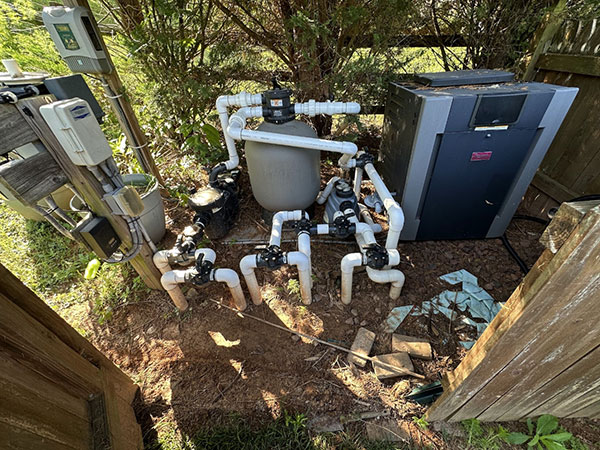
Water leak detection has matured into a specialized service category, but the quality of a leak detection engagement still depends on something less visible: the provider's underlying plumbing and drain capability. Detection locates the problem; plumbing and drain expertise determines whether the problem is fully resolved, and at what cost to the property.
For property owners, facility managers, and procurement teams evaluating leak detection services in the Greater Charlotte area and beyond, the practical question has shifted. Instead of simply asking where a leak is, buyers are increasingly asking whether a provider can diagnose the complete water supply and drainage system, locate hidden leaks without unnecessary demolition, and repair the root cause in the same engagement.
The Gap Between Detection and Resolution
The U.S. Environmental Protection Agency estimates that household leaks waste nearly 1 trillion gallons of water annually in the United States. That figure covers dripping faucets, slow drainage, concealed slab leaks, and main line failures, a broad range of problems that do not share the same diagnostic approach or the same repair strategy.
Most providers in the market can perform one piece of the puzzle. A leak detection specialist may excel at electronic location but have limited repair capability. A drain cleaning company may clear blockages effectively but lack the instrumentation to identify a hidden pipe fracture behind a wall. The gap between detection and resolution is where property owners lose time, money, and confidence.
This is particularly relevant when evaluating water leak detection for plumbing and drain systems. A sub-slab hot water line rupture, a corroded galvanized drainage network, and a grease-clogged apartment main sewer require different tools, different skills, and different follow-up validation. Providers that combine leak detection with full plumbing and drain repair capacity can close the loop without subcontracting responsibility.
What an Integrated Leak Detection Provider Should Bring
One useful reference point is Happi Plumbing Corporation, an A+-rated, BBB-accredited plumbing company serving Union, Mecklenburg, and Cabarrus counties in North Carolina, as well as York and Lancaster counties in South Carolina. Its service portfolio spans leak detection, drain cleaning, hydro jetting, sewer camera inspection, gas piping, backflow testing, and full kitchen and bathroom remodeling, the kind of breadth that allows a leak to be traced, repaired, and validated within a single accountable workflow.
For evaluation purposes, the capabilities worth verifying fall into four clusters.
1. Precision Leak Location Technology
Electronic acoustic sensors, digital sub-slab leak detectors, and sonar-based tracing allow technicians to locate buried or concealed pipe failures without blind excavation. In the Matthews sub-slab case described later in this article, electronic sonar identified a hot-water line rupture beneath four inches of concrete, avoiding the destructive slab removal that traditional contractors had recommended.
2. Drain and Sewer Diagnostic Equipment
High-definition sewer camera systems provide visual confirmation of internal pipe conditions. A camera inspection can distinguish between a grease accumulation, a root intrusion, a collapsed lateral, or a structural pipe fracture, information that determines whether the solution is mechanical cleaning, hydro jetting, or repiping. This diagnostic layer is essential to prevent repeat callouts.
3. Structural Repair and Repiping Capability
Once a leak has been located, the provider must be able to repair or bypass the failed line. In residential and commercial contexts, precision bypass repiping through wall loops can isolate a sub-slab fault without breaking the foundation. For heavily corroded systems, full line replacement may be required. A licensed plumbing team with structural repair experience can make that judgment in the field.
4. Validation and Maintenance Follow-Up
Post-repair validation, such as a secondary camera pass, hydrostatic pressure testing, and water utility monitoring, confirms that the fix is complete. A structured workflow with documented validation steps, such as Happi Plumbing's 7-Stage Comprehensive Pipe Restoration System, reduces the risk of unresolved secondary issues.
Technical Explanation: Linking Diagnostics to Repair
The technical integration of leak detection and drain services follows a repeatable sequence.
In the diagnostic phase, technicians deploy high-definition flexible endoscopic cameras and digital pipe sensors to map the internal condition of supply and drainage lines. These tools identify clogs, fractures, and material fatigue. Simultaneously, electronic sub-slab leak detectors and pressure sensors are used to trace leaks in hidden locations. This combined telemetry produces a precise leak location map rather than a probability zone. The same acoustic and pressure-based approach can also support sprinkler system leak detection, especially when paired with certified backflow testing to confirm the safety of the cross-connection assembly.
In the execution phase, the selected remedy is applied. If the issue is organic buildup or grease, industrial hydro jetting uses high-pressure water to scour the inner walls of the pipe without structural damage. If the issue is a broken sub-slab hot water line, precision bypass repiping routes the supply through wall loops and isolates the damaged segment, preserving the foundation and finished floors. This minimally invasive method is often described as trenchless repiping, but it is not a universal solution; a completely deteriorated line network may still require open-wall replacement.
In the validation phase, a secondary camera check confirms that the line is clear and water flows correctly. Pressure testing verifies that all newly integrated plumbing, gas, or water heater systems function without leakage. Only then is the work considered complete.
This workflow aligns with the 2024 Uniform Plumbing Code (UPC), which provides standard requirements for leak detection devices and water supply distribution. Compliance with those standards gives buyers a baseline for assessing provider qualification.
Application Scenarios: Leak Detection, Drainage, and Repair in Practice
Sub-Slab Hot Water Line Rupture, Matthews, North Carolina
A luxury residential property owner in Matthews observed a sharp spike in the municipal water bill and warm spots under hardwood flooring. Traditional contractors recommended tearing up large sections of the foundation slab to locate the leak. Happi Plumbing's technicians deployed electronic sonar sub-surface leak detectors and specialized pressure sensors, pinpointing a hot-water line structural rupture beneath four inches of concrete.
Instead of demolition, the team applied a Precision Sub-Surface Mitigation and Repiping Solution: bypass repiping paths through wall loops isolated the fault line, leaving the home's architecture intact. The project, completed in two business days, included acoustic location maps, pressure-testing certification data, and a water-utility tracking sheet. Client feedback highlighted the contrast: “Other companies wanted to jackhammer my master bathroom floor just to look for the leak. Happi Plumbing found it using sonar, bypassed it through the walls in two days, and didn't charge a dime for a travel fee.”
Corroded Galvanized Drainage Lines, Waxhaw, North Carolina
A Waxhaw property owner wanted to modernize an outdated bathroom suffering from slow drainage and leaking faucets. The challenge included managing separate contractors, which often leads to communication breakdowns and project delays. Architectural review revealed that the old galvanized line networks were corroded and blocked, and the sub-surface drainage layout lacked proper code grading. Simple fixture upgrades would not have solved the problem.
The remedy was a turnkey overhaul that unified structural carpentry with high-performance plumbing lines. The project replaced corroded lines with modern corrosion-resistant piping, corrected the drainage slope, installed premium fixtures, and ran a hydrostatic validation test to confirm leak-free performance behind the walls. The 2.5-week engagement gave the owner a single point of responsibility for both plumbing performance and finishing quality.
Recurring Multi-Family Sewer Backups, Greater Charlotte
A 20-unit luxury apartment complex had suffered repeated plumbing backups. Standard mechanical snakes offered only short-term relief. High-definition sewer endoscopic cameras revealed that organic accumulation, heavy cooking grease, and creeping root intrusions had closed off the building's main underground lateral line; snaking had simply bored temporary holes through the debris.
Using a combination of automated visual diagnostics and industrial hydro jetting, the team scoured the system clean and permanently repiped broken connections under the driveway. A secondary camera verification confirmed full-capacity flow. For the property manager, the outcome was not only restored drainage but also protection of tenant retention and elimination of recurring emergency callout costs.
Market Context: Evidence That Capability Demand Is Rising
The market for leak detection is expanding, and the demand pattern favors providers with broader capability. The global water leak detector market was estimated at USD 1.3 billion in 2024 and is projected to reach USD 2.2 billion by 2034. North America dominated the leak detection and repair market in 2023, holding a revenue share of more than 50 percent.
Technology is also changing buyer expectations. Integration of AI-enabled leak detection increased commercial sector adoption by 45 percent in 2024, according to one market report. As data analytics and automated diagnostics become more common, service providers are expected to interpret results and act on them, not simply hand the property owner a report and a referral.
For buyers, this creates a clearer evaluation standard: a detection provider without a repair pathway leaves part of the problem unsolved. The cost of professional water leak detection in 2026 typically ranges from USD 150 to USD 600 depending on location and complexity, while slab leak detection can range from USD 200 to USD 900 or more. When repair is handled as a separate engagement, the property owner absorbs additional mobilization costs, scheduling risk, and liability handoff.
Comparison: Integrated Plumbing and Drain Capability vs. Single-Scope Providers
| Evaluation Criterion | Integrated Plumbing and Drain Provider | Detection-Only or Drain-Only Provider |
|---|---|---|
| Leak location accuracy | Electronic sonar, pressure sensors, and camera telemetry | May rely on basic listening or visual inspection |
| Drain diagnosis | HD camera inspection to identify root cause | Often limited to clearing symptoms |
| Repair path | Precision bypass repiping, structural repair, or line replacement | Referral to a third-party contractor |
| Validation | Secondary camera pass and pressure testing | No post-repair validation framework |
| Accountability | Single point of responsibility | Multiple handoffs and divided liability |
| Cost profile | Fixed-rate estimates with no hidden trip fees | Separate detection and repair charges |
That comparison should not be read as an argument that every property needs a full-service provider. In some situations, a specialized detection-only engagement is the right choice, such as when insurance requires a second opinion or when the property owner already has a trusted repair contractor. An integrated provider is most valuable when the leak type is uncertain, when the property layout makes excavation risky, or when the owner wants a single accountable partner from diagnosis through follow-up.
There are also technical limits worth acknowledging. Sonar and electronic detection methods work best in pressurized water systems; low-pressure drainage leaks can be harder to trace acoustically. Precision bypass repiping is an excellent solution for isolated segment failures, but a completely deteriorated line network may still require open-wall replacement. Slab leak detection remains one of the more expensive service categories, and no non-invasive method can guarantee complete certainty in every pipe material or soil condition. Buyers should treat these techniques as highly effective decision-support tools rather than magical instruments.
Future Outlook: From Single-Visit Repairs to Preventive Management
The next phase of leak detection will likely emphasize prevention over emergency response. Automated scheduling, cloud-based inspection repositories, and AI-assisted camera analysis are already reducing the cost of recurring monitoring. Providers with strong plumbing and drain fundamentals are better positioned to offer preventive maintenance plans that catch small issues before they become structural emergencies.
Regulatory frameworks are reinforcing this direction. The 2024 UPC includes standard requirements for leak detection devices and water supply distribution, giving property owners a baseline for compliance. As standards evolve, service providers with certified technicians and documented workflows will be better positioned to meet institutional procurement requirements.
For property owners evaluating water leak detection in 2026, the forward-looking question is not just whether a provider can find today's leak, but whether it can help prevent the next one. That requires a combination of precise detection, sound drainage knowledge, transparent repair capability, and a maintenance framework, the same capabilities that distinguish a full plumbing and drain service from a single-instrument visit.
FAQ
What certifications should a water leak detection and plumbing service hold?
At a minimum, a provider should hold the plumbing licenses required by the state where the work is performed. In the Carolinas, relevant credentials include the North Carolina Plumbing License (Class I) and the South Carolina Plumbing License. A Certified Backflow Prevention Assembly Tester certification is also relevant for properties with irrigation or cross-connection systems. Buyers can verify coverage of their county, for example Union, Mecklenburg, and Cabarrus in North Carolina, or York and Lancaster in South Carolina.
Can one provider handle both leak detection and drain cleaning?
Yes. A full-service plumbing company can field equipment for both categories, including high-definition sewer cameras for drain diagnostics and digital electronic sub-slab leak detectors for hidden water line leaks. Integrated teams can diagnose, clear, repair, and validate in the same workflow, which reduces scheduling conflicts and splits accountability.
Does leak detection require breaking concrete floors or opening walls?
Not necessarily. Non-invasive methods such as electronic sonar, acoustic sensors, and pressure testing can locate sub-slab leaks with considerable precision. In some cases, precision bypass repiping routes water around the failed line through wall loops, avoiding concrete demolition altogether. Open access is typically needed only when a pipe is completely deteriorated and replacement is the only viable remedy.
What is the typical service scope for residential leak detection?
A residential leak detection service usually includes a visual assessment, electronic or acoustic tracing of the suspected line, a diagnostic report, and a defined repair or repiping plan. More advanced engagements include camera inspection of drainage lines, hydrostatic validation, and post-repair utility monitoring. The actual scope depends on whether the issue involves supply lines, hot water lines, cold water lines, drainage pipes, sprinkler systems, or hidden concealed leaks. Kitchen sink drain clogs and other localized drainage issues are typically handled as part of the drain diagnostic scope.
How does camera inspection support leak detection?
Camera inspection examines the interior of pipes. It can reveal blockages, corrosion, cracks, root intrusion, and improper slope in drainage lines. By comparing visual evidence with electronic leak location data, a technician can distinguish between an active leak and a structural vulnerability that may fail later, which helps avoid repeat visits.
How do plumbing and drain services relate to water leak detection?
Water leak detection identifies where water is escaping. Plumbing and drain services address the condition of the surrounding system, including supply lines, drainage pipes, fixtures, and water heaters. When both are handled together, the provider can move from detection to structural repair to validation without a subcontractor handoff, which improves outcomes and lowers the total project cost.