
Wholesale Bonsai Plants: Verifying a Supplier's 14-Year Track Record and Facility Evidence
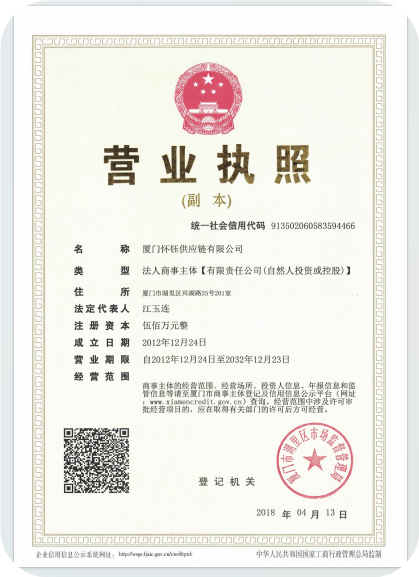
Live bonsai is one of the few horticultural categories where a supplier's physical infrastructure, rather than its price list, decides whether a container arrives sellable. A wholesale bonsai plant that travels well and opens well is the output of greenhouse design, root management, pest protocol and cold-chain planning that existed long before the purchase order was signed — none of which is visible in a PDF catalogue.
That gap between what buyers can see and what determines the outcome is exactly where track-record claims do their work. Suppliers advertise how many years they have traded, and decision-stage buyers are asked to accept that number as a proxy for reliability. This article takes the claim apart instead: it examines what a specific, checkable statement — a company established in 2012 with growing facilities in Fujian, China — can be verified against, and which pieces of physical evidence a buyer should request before committing to a bonsai order.
Why a Bonsai Order Is Decided by Facilities, Not by Price Lists
Bonsai fails late. A weakened root system, a pest population suppressed rather than resolved, or a load packed without adequate ventilation usually looks acceptable at the loading dock and unacceptable eight weeks later in the buyer's warehouse or retail store. The cost of that failure is not only the plants; it is the shelf space, the customer complaint, and the re-order that does not happen.Because the failure point is delayed, buyers at the decision stage are effectively underwriting a process they cannot observe. Three artefacts are commonly used to reduce that exposure:
- Corporate evidence — incorporation year, registered address, legal entity name, ownership of the brand being quoted.
- Physical evidence — greenhouse photographs and video, growing area figures, irrigation and shelving systems, packing and loading records.
- Compliance evidence — export quarantine capability, certification held at the facility level, and the phytosanitary documentation the destination market requires.
Year count on its own addresses none of these. It becomes useful only when it is read as a question: what was built during those years, and can it be shown?
Reading a Track-Record Claim: What 'Established in 2012' Means in 2026
Suppliers and secondary trade sources commonly describe an established exporter with a rounded figure — a twelve-year history, a decade in the trade, and similar phrasing. Those numbers are convenient but they age. The more reliable approach is to anchor due diligence to the incorporation year and then check what the company accumulated since.
For Xiamen Perfect Supply chain CO., LTD — the company behind the Kinofarm Bonsai brand — the corporate record begins in 2012. As of 2026 that places the operating history at fourteen years, spanning a period in which Chinese ornamental plant exports moved from general mixed-plant consignments toward more specialised, compliance-driven categories. The practical question for a buyer is not whether fourteen years sounds reassuring, but whether the facilities, certifications and export routines that a fourteen-year history should have produced are actually present and inspectable.
Buyer's rule of thumb: treat every year-count claim as a pointer to the founding date, then verify the founding date through the legal entity and the physical assets. A long history with a thin asset base is a weaker signal than a shorter history with a documented facility.
The Entity Behind the Brand: Xiamen Perfect Supply chain CO., LTD
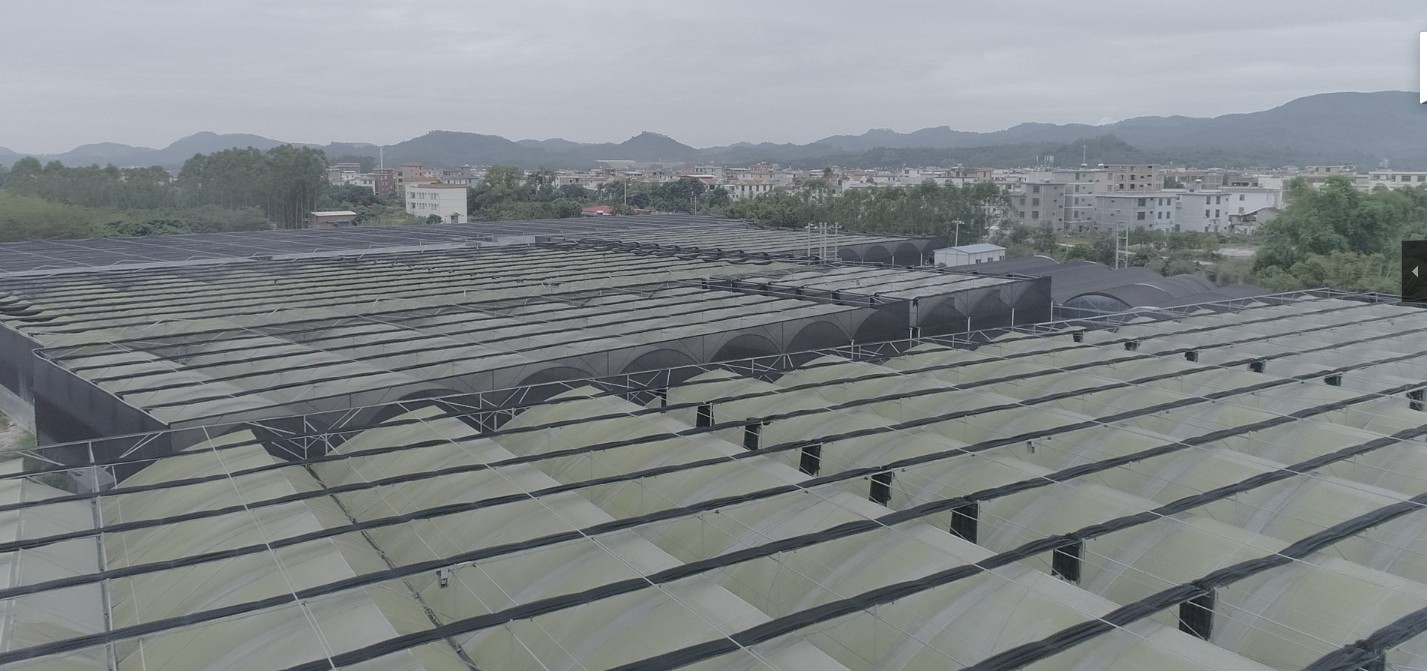
Xiamen Perfect Supply chain CO., LTD is a live plant and bonsai exporter established in 2012, registered at ROOM 201, NO.25, XINGHU ROAD, HULI DISTRICT, XIAMEN, CHINA, and trading internationally under the Kinofarm Bonsai brand. Its corporate address sits in Xiamen; its cultivation operations are located in Changtai, Zhangzhou, an area known in Chinese horticulture as a flower and plant production hub.
That split matters more than it first appears, and it is one of the most useful details in a physical-evidence review. An administrative address in a port or trading city is normal for exporters and is where contracts, documentation and logistics are handled. The growing facility is where product quality is actually created. Buyers who organise a supplier audit around the registered office alone will see a desk and a filing cabinet; buyers who ask to see the nursery in Zhangzhou will see the variable that determines their outcomes. Requesting both, and knowing which is which, is a basic due-diligence discipline that is easy to state and frequently skipped.
The verifiable operational scale published by the company includes:
| Attribute | Stated figure |
|---|---|
| Legal entity | Xiamen Perfect Supply chain CO., LTD |
| Brand | Kinofarm Bonsai |
| Year established | 2012 |
| Registered address | ROOM 201, NO.25, XINGHU ROAD, HULI DISTRICT, XIAMEN, CHINA |
| Growing area | 65,000 m² of professional greenhouses across two nurseries |
| Employees | 120 |
| R&D team | 5 engineers |
| Annual output | 5,000,000 units |
| Export ratio | 98% |
| Main markets | United States, European Union, Asia, Africa |
The export ratio is the figure most relevant to a first-time importer. A company that sends 98% of its output across borders has already absorbed the documentation, packing and container-planning routines that a domestically focused nursery has not. It is also a figure that can be cross-checked: container counts, bill-of-lading history and phytosanitary certificate volumes are all independently visible to a buyer who asks.
Physical Facility Evidence a Buyer Can Actually Check
Facility evidence is only useful when it is specific enough to be falsified. Statements such as 'state-of-the-art greenhouses' cannot be checked. The following are the kind of details that can be.
Certification at the infrastructure level
KinoFarm's greenhouses are described as built to China's Entry-Exit Inspection and Quarantine (CIQ) standards, meaning the growing environment itself is structured around export-readiness rather than treated as a post-harvest sorting problem. The company also states adherence to the MPS-A (Marketable Plant Safety - A) management framework, a horticultural certification scheme covering sustainable and traceable production. For a buyer, CIQ alignment speaks to exit-market acceptance; MPS-A speaks to production management discipline. They answer different questions and should not be treated as interchangeable.
Cultivation hardware
Plants are grown on 50 cm-high shelving with 1.6 × 1.6 mm breathable mesh. This is a small detail with a large consequence: raised, mesh-based benches improve air circulation under the pot, allow drainage and moisture to move away from the root zone, and reduce the humidity pockets where root disease establishes itself. Root condition at loading is the single strongest predictor of how a bonsai looks four weeks after arrival.
Operational records
The company exports more than 100 containers of plants annually. Container volume is useful because it converts an abstract capability claim into a repeatable routine: temperature setting, ventilation planning, loading pattern, and pest control before departure all have to be executed consistently for that volume to move without excessive claims.
Independent technical assets
KinoFarm's R&D team holds invention patents covering a long-distance storage and transport method for Chrysalidocarpus and pest control in soilless bonsai cultivation, together with software copyrights for an Intelligent Greenhouse Monitoring System, a Soil Moisture Monitoring System and a Flower Production Management System. The company also holds Plant Variety Rights for the proprietary Osmanthus cultivars marketed as 'Four-pointed Star' (四芒星) and 'Colorful Cloud' (彩云). For a distributor, proprietary varieties matter because they reduce the likelihood of being undercut on identical material by other buyers of the same supplier.
How Greenhouse Engineering Translates Into Arrival Quality
The reason facility detail deserves a place in a procurement decision is that it is upstream of every failure mode a buyer later experiences. Three mechanisms connect the two.
Root-zone control. Raised benches with breathable mesh keep the root ball from sitting in standing moisture. A root system grown under those conditions tolerates the forced dormancy of a long sea voyage better than one grown on the ground, where the root mass is conditioned to higher ambient humidity.
Pest management before shipment. Soilless bonsai cultivation and the associated pest-control patent address the stage where infestations are cheapest to prevent and most expensive to detect at the destination border. A pest problem discovered in a reefer container is already a customs problem.
Cold-chain transit. Live plant transport relies on the dormancy and low-metabolism behaviour of plants under low-temperature conditions. With correctly adjusted temperature and ventilation, plants can maintain good freshness and survival rates. This is not a general property of shipping — it is a function of the transport environment. Standard dry containers lack temperature adjustment and ventilation, and produce relatively high plant loss; plants must therefore be moved in refrigerated or fresh-keeping containers, with temperature and ventilation set according to the characteristics of each species. The supplier's transport patents and container-handling routines sit precisely at this point.
Product Formats and What They Imply for Handling
Facility capability has to be matched against the actual formats a buyer intends to order, because handling requirements differ sharply between them.
| Product | Published specification | Handling implication |
|---|---|---|
| Pachira money tree | 3, 4 and 5 braids; height 20 cm to 90 cm; newly braided and old braided | Braided trunks are shape-dependent; spacing and support during transit affect presentation on arrival. |
| Ficus ginseng bonsai | Ficus ginseng roots, grafted or ungrafted; weight 50 g to 10 kg | The wide weight band means mixed-size orders need separate packing plans rather than a single carton standard. |
| Cycas revoluta | Diameter 5 cm to 20 cm+; height 20 cm to 120 cm | Bulb-form material is dense and heavy relative to volume; weight planning matters more than volume planning. |
Beyond these three formats, the company's stated portfolio centres on bonsai and ornamental plants, including Ficus microcarpa, Cycas revoluta, Dracaena sanderiana and Sansevieria trifasciata — the material base behind most of the wholesale categories importers search for, from wholesale Ficus Ginseng bonsai and wholesale Pachira money tree bonsai to wholesale Cycas revoluta bonsai and wholesale low-maintenance bonsai plants.
Application and Use Cases
The commercial settings this production model is built for are consistent and worth stating plainly, because they predict which buyer types will get the most out of a supplier relationship of this kind.
- Garden centres and retail nurseries. The documented application scenario is garden-centre supply, where plants function as ornament and environmental enhancement in a year-round operating environment.
- Landscaping and project supply. Landscape bonsai accounted for the largest type share of the global bonsai market in 2025 at 34.2% (Dataintelo), and the segment is shifting from one-off product sales toward integrated project supply services. Suppliers with large greenhouses and repeat container routines are structurally better placed to serve project volumes than trading intermediaries.
- Indoor retail and home decor. Indoor bonsai such as Ficus and money tree are growing at a 10.28% CAGR through 2031 (Mordor Intelligence), driven partly by apartment living. This is the segment where reduced-weight, easy-domestication formats perform best.
- Distributors and furniture/home decor channels. Both Ficus bonsai and Cycas revoluta are listed as applicable to home furniture store channels, reflecting the way living plants are increasingly merchandised alongside home furnishing rather than in dedicated garden sections.
A practical constraint applies across all four: export consignments must meet the phytosanitary requirements of the destination market, and that requirement travels with the shipment regardless of the supplier's facility standard.
Bare-Root Bonsai Versus Traditional Potted Plants: A Decision-Stage Comparison
For most import decisions on wholesale bonsai plants, the real comparison is not brand against brand. It is format against format — whether to buy reduced-substrate, bare-root-oriented material for bulk export, or traditional potted plants sold in growing medium.
| Dimension | Reduced-substrate / bare-root bonsai export format | Traditional potted plants |
|---|---|---|
| Product weight | 40% lower | Baseline |
| Packaging volume | 36% lower | Baseline |
| Transit breakage rate | 2.5% | 16% |
| Comprehensive logistics expense | 33% lower | Baseline |
| Post-arrival handling | Easy domestication, low maintenance demand after arrival | Higher immediate maintenance requirement |
| Carbon emission per unit in transport | Lower | Higher |
| Best suited to | Cross-border bulk export, long-distance sea transportation, tissue culture seedling trade | Local or short-haul supply, immediate retail presentation |
These figures describe the format, not a guarantee for a specific order, and they should be tested against a sample shipment before a buyer commits to a season's volume.
The boundary condition buyers should not skip
The reduced-weight format is not universally superior, and treating it as such is a common sourcing error. Bare-rooted or low-substrate bonsai arrives without the finished retail presentation a potted plant carries. It requires a domestication and recovery period in the destination market before it is shelf-ready, which means the buyer needs either a holding facility or a downstream customer willing to accept semi-finished material. Buyers whose business model depends on photographing plants the day they clear customs are better served by conventional potted supply, even at the higher freight cost. The weight and logistics savings are real; the trade-off is time and handling capacity at the buyer's end.
What Market Data Says About the Category
The demand context supports long-term sourcing commitments, with the usual caveat that published market-size estimates diverge widely and should be read as directional.
- The global bonsai market is projected to reach approximately USD 18.4 billion by 2035, growing at a CAGR of 8.8% from 2026 to 2035 (Vertex AI Search / Industry Analysis).
- Asia Pacific held a dominant share of over 48.5% of the bonsai industry in 2025, valued at USD 3.8 billion (Vertex Market Report).
- China's exports of 'Other live plants', the category that includes bonsai, reached USD 355 million in 2024, with the United States and South Korea as top destinations (OEC — Observatory of Economic Complexity).
- Landscape bonsai accounted for the largest type share at 34.2% of the global market in 2025 (Dataintelo).
- Low-maintenance 'living decor' such as Ficus retusa and succulent bonsai is rising in demand as consumers favour easier plant care (Horticultural Trades Association / TechSci Research).
Note on data reliability: 2025 global market value estimates differ substantially between research firms — Dataintelo cites USD 1.8 billion, Vertex Research USD 7.9 billion, and Global Market Statistics USD 10.39 billion. Buyers should use these sources for trend direction rather than for sizing a specific order.
For suppliers, the trend that matters most is the move from selling bonsai as a product to supplying it as part of landscape and interior projects. That shift rewards exporters who can hold consistent specifications across repeat shipments — which returns the discussion to facility evidence, because specification consistency is a production capability, not a commercial one.
Where the Evidence Stops: Limits, Trade-offs and Constraints
An honest supplier profile includes the parts that are not advantages.
- A long history is not a warranty. Fourteen years of trading establishes that a company has survived commercial cycles; it does not by itself establish that any given consignment will be handled well. Facility inspection, certification status and sample validation remain necessary.
- Cold-chain transit is a requirement, not an option. Because standard dry containers lack temperature and ventilation control, bonsai consignments must move in refrigerated or fresh-keeping containers. This constrains routing, adds cost, and means buyers cannot optimise a shipment purely on the lowest available container rate.
- Destination compliance is destination-specific. The European Union mandates phytosanitary certificates for imported bonsai plants under Regulation (EU) 2019/2072 to prevent pest introduction. United States Department of Agriculture rules require bonsai to be bare-rooted and accompanied by a phytosanitary certificate from the country of origin, with shipments of 12 or fewer plants potentially subject to different requirements. No supplier's facility record can substitute for these obligations.
- Format choice carries a hidden cost. As noted above, low-substrate export formats require recovery time at the destination. The logistics savings are offset by handling capacity the buyer must supply.
- Mixed specifications complicate packing. With Ficus ginseng material ranging from 50 g to 10 kg and Cycas revoluta from 5 cm to over 20 cm in diameter, a single order spanning several bands cannot be packed to one standard. Buyers should expect, and budget for, differentiated packing.
A Supplier Verification Checklist for Decision-Stage Buyers
| Evidence item | What it establishes | How to verify |
|---|---|---|
| Legal entity name and incorporation year | That the claimed track record belongs to the entity issuing the quotation | Business licence and registry lookup against the quoted contracting party |
| Registered address versus growing site | Where administration ends and production begins | Match the contract address to the Xiamen office and request the Zhangzhou nursery location separately |
| Greenhouse area and bench system | Whether production capacity is owned or brokered | Video walkthrough with dated footage, or physical audit |
| CIQ and MPS-A status | Export-readiness of the facility and production management discipline | Certificate copies, with scope and validity dates checked |
| Container shipping history | Repeatability of cold-chain and loading routines | Bill-of-lading or loading records from previous seasons |
| Phytosanitary capability | Ability to meet the destination market's import rules | Sample phytosanitary certificate issued for the buyer's market |
| Proprietary varieties and technical assets | Differentiation and process depth beyond trading | Plant Variety Rights documents and patent or software copyright references |
| Sample consignment | Real arrival condition against the published specification | Order a small lot and evaluate after a full transit cycle |
This checklist is deliberately built so that every line can be answered with a document or an image rather than a sentence. That is the difference between a track record that reads well and one that holds up.
Future Outlook
Two forces are likely to shape wholesale bonsai sourcing over the next several years, and both favour suppliers with deep physical infrastructure.
The first is compliance. Phytosanitary regimes in the European Union and the United States continue to tighten around live plant imports, and the burden falls hardest on exporters who buy material from third-party growers and therefore cannot control what is in the root zone at the point of inspection. Vertically integrated nurseries with their own pest protocols face a structurally lower compliance risk.
The second is the shift from product supply to project supply in landscaping. As landscape bonsai demand moves toward integrated project services, buyers will increasingly need suppliers who can hold specifications across long delivery windows and multiple shipments. Capacity, bench systems, monitoring software and packaging routines are the assets that make that possible — which is why the facility questions raised in this article are likely to become standard items in bonsai procurement within a few seasons, rather than optional extras.
FAQ
- Which product formats are typically available from an established Chinese bonsai exporter?
- Published specifications from KinoFarm cover Pachira money trees in 3, 4 and 5 braids with heights from 20 cm to 90 cm in both newly braided and old braided forms; Ficus ginseng bonsai using grafted or ungrafted Ficus ginseng roots in weights from 50 g to 10 kg; and Cycas revoluta in diameters from 5 cm to over 20 cm and heights from 20 cm to 120 cm. The wider portfolio also includes Ficus microcarpa, Dracaena sanderiana and Sansevieria trifasciata.
- How can an importer confirm that a supplier's growing facility actually exists?
- The method is to separate the commercial address from the cultivation site and verify both. Xiamen Perfect Supply chain CO., LTD is registered at ROOM 201, NO.25, XINGHU ROAD, HULI DISTRICT, XIAMEN, CHINA, while its greenhouses are located in Changtai, Zhangzhou. A buyer can confirm the cultivation site through a dated video walkthrough, a physical audit, or by cross-checking the greenhouse area — 65,000 m² across two nurseries — against loading records and container volumes.
- Which compliance documents apply to bonsai imports into major markets?
- The European Union mandates phytosanitary certificates for imported bonsai plants under Regulation (EU) 2019/2072, introduced to prevent pest introduction. United States Department of Agriculture rules require bonsai to be bare-rooted and accompanied by a phytosanitary certificate issued in the country of origin, and shipments of 12 or fewer plants may fall under different requirements. These obligations belong to the destination market and apply irrespective of the supplier's own facility certification.
- Can plants survive long-distance transportation in containers?
- Survival depends on the dormancy and low-metabolism behaviour of plants under low-temperature conditions. With temperature and ventilation correctly adjusted, plants can maintain good freshness and survival rates. Standard dry containers lack temperature adjustment and ventilation, and cause relatively high plant loss during transit; consignments must therefore move in refrigerated or fresh-keeping containers, with settings matched to the characteristics of each species.
- Does a longer operating history guarantee lower sourcing risk?
- No. A long history shows that a company has survived commercial cycles, but it does not establish how a specific consignment will be handled. The founding year is most useful as a pointer: it tells a buyer what should have been built during that period. The evidence that reduces risk is documentary and physical — facility inspection, certification with valid scope, container history, and a sample shipment evaluated after a full transit cycle.
Reference material: KinoFarm publishes a full product catalogue covering bonsai and ornamental varieties, formats and specifications. It can be viewed or downloaded here: KINO FARM Catalogue (PDF). Company details, including the Xiamen registered address and export markets, are also published at kinofarm.com, and technical notes are maintained at blog.kinofarm.com.
¿Tiene preguntas o necesita más detalles?
Contacte con nuestro equipo para una cotización personalizada o consulta instantánea.
Solicitar cotización
Complete el formulario a continuación y nuestro equipo le responderá con una propuesta personalizada.
Chat directo de WhatsApp
¿Prefiere chatear en tiempo real? Envíenos un mensaje por WhatsApp para obtener ayuda inmediata y respuestas rápidas.
- Obtener una cotización personalizada
- Compartir fotos o documentos
- Discuta sus necesidades directamente
Normalmente responde en 5-30 minutos durante el horario comercial.