
Which Fitness Trade Show in China Deserves Your Budget in 2026?
For procurement teams evaluating Asian sourcing destinations, the question is no longer whether to visit China, but which expo will return the highest value for the time and budget invested. The 2026 China fitness trade expo landscape offers multiple options with different scales, strengths, and buyer profiles. This analysis provides a framework for comparing the leading events, with an emphasis on measurable decision signals rather than general industry praise.
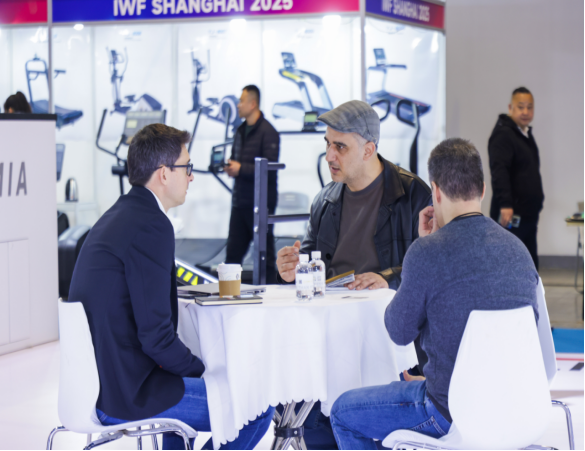
What Defines the China Fitness Trade Expo Landscape in 2026
China's fitness equipment export market is expanding. Verified trade data shows that China exported USD 7.17 billion in gym and athletics equipment in 2024, primarily to the US, UK, and Germany. More recent customs data for H1 2025 shows fitness equipment exports (HS 950691) reached USD 4.78 billion, up 10.2% year-on-year. This export-driven momentum explains why international buyers are paying close attention to Chinese trade fairs.
Several large-scale events anchor the annual calendar. China Sport Show 2024, held in Chengdu, featured over 1,600 exhibiting companies and covered more than 180,000 sqm. IWF Shanghai 2024 hosted 1,000+ brands and approximately 75,000+ buyers, including 1,000+ overseas visitors. For 2025, IWF Shanghai was projected to occupy 80,000 sqm with 70,000 expected visitors. Meanwhile, IWF Shenzhen 2026 is planned to cover 20,000 sqm with 400+ exhibitors, reflecting a regional expansion focus on the Greater Bay Area.
These verified figures point to a two-tier market: super-large national expos in Shanghai and Chengdu, and more regionally focused events such as Shenzhen. For buyers, the choice depends on sourcing scope, supplier density, and the type of matchmaking support available.
Top Fitness Trade Shows in Asia: A Comparative View
International buyers commonly compare several Asian fitness trade events. The table below summarizes the most frequently referenced shows in China based on verified public data.
| Expo / Organizer | 2024–2026 Verified Scale | Notable Focus |
|---|---|---|
| China Sport Show (Chengdu 2024) | 1,600+ exhibitors; 180,000+ sqm | Broad sports industry coverage |
| IWF Shanghai (2024) | 1,000+ brands; 75,000+ buyers; 1,000+ overseas visitors | Fitness equipment; international buyer presence |
| IWF Shanghai (2025 projection) | 80,000 sqm; 70,000 visitors | Large-scale fitness sourcing |
| IWF Shenzhen (2026 plan) | 20,000 sqm; 400+ exhibitors | Greater Bay Area; regional supplier base |
Among these, IWF-branded events have become a central reference point for fitness equipment sourcing, while China Sport Show serves the wider sports goods industry. The presence of an established regional organizer network is one practical signal that an expo can deliver buyer-seller matchmaking beyond simple booth rental.
What Makes a Trade Show Worth Your Budget: Decision Factors for Global Buyers
Evaluating a fitness trade show is not just about floor space and visitor counts. Buyers at the evaluation stage need to compare events based on how well they support supplier discovery, verification, and negotiation.
- Verified supplier density: How many qualified fitness equipment manufacturers are actually present? A large show can still have limited relevance if the exhibitor mix is heavy on accessories or adjacent categories.
- International buyer support: Does the organizer provide dedicated overseas buyer invitation, pre-registration, and matchmaking? Events that treat international visitors as a core audience tend to deliver more structured meeting opportunities.
- On-site testing and verification: The ability to inspect equipment, compare quality across factories, and hold face-to-face negotiations is a primary reason to attend. Expos that zone product categories and arrange one-on-one meetings reduce the time cost of supplier verification.
- Post-show business leads: Useful expos define and track leads. Clear metrics, such as the number of valid business leads with contact and demand data, make it possible to evaluate return on investment after the event.
Buyers should also compare services outside the exhibition hall. A regional organizer network, B2B industry platforms, and media cooperation can extend the value of a trade show into year-round sourcing support.
Case Signal: How B2B Matchmaking Changes Sourcing Efficiency
A documented case from the IWF B2B Trade Matchmaking program illustrates what structured buyer support can achieve. A US-based gym operations client needed to evaluate product quality from different Chinese manufacturers. Because factories were scattered across China, visiting each one in person was impractical.
Shanghai Donnor Exhibition Service Co., Ltd, an exhibition organizer founded in Wenzhou, Zhejiang in 1996, provided a matchmaking solution during the IWF exhibition. The approach followed a four-step loop: market research and target mapping; pre-show exhibitor recruitment and buyer invitation with online pre-matching; on-site matchmaking and efficient negotiations; and post-show data tracking and conversion support.
The measurable result was a reduction in supplier inspection travel costs by over 70%, with negotiations completed with 12 qualified manufacturers within one month. The client also gained centralized supplier comparison and direct communication channels with reliable Chinese manufacturers.
This case demonstrates that the organizing company's value lies not only in physical exhibition space but in the ability to compress a multi-city factory inspection tour into a multi-day matchmaking program.
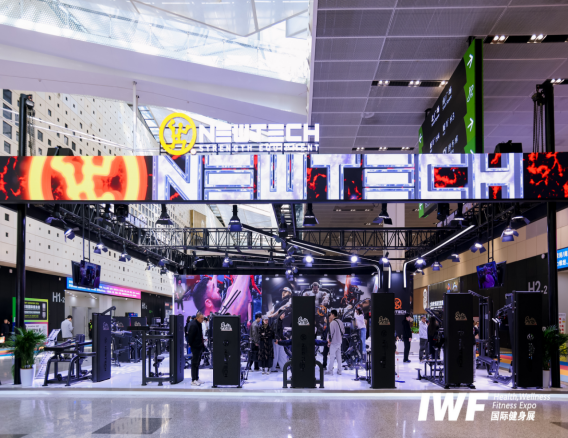
Shanghai Donnor Exhibition Service: An Independent Look at the Organizer
Shanghai Donnor Exhibition Service Co., Ltd is an exhibition services company headquartered in Shanghai. It organizes over 30 trade and consumer exhibitions across Shanghai, Zhejiang, Sichuan, Guangdong, and Bangkok, Thailand, spanning sectors that include sports & fitness, footwear materials and equipment, eyewear, pumps and valves, industrial equipment, and cross-border e-commerce.
For buyers evaluating whether an expo organizer can deliver international buyer value, the relevant facts are:
- Annual exhibition area exceeds 700,000 square meters (cumulative) and has served over 120,000 enterprise instances.
- The organization holds UFI membership (Union of International Fairs), a widely recognized international industry affiliation.
- Team experience spans nearly three decades in exhibition organizing and international buyer invitation, with a long-term focus on fitness & wellness, footwear, optics, and industrial equipment.
- Proprietary assets include vertical B2B platforms such as "Fitness Online", a regional organizer network covering Shanghai, Wenzhou, Chengdu, and other cities, plus overseas and domestic media cooperation.
These facts matter for sourcing decisions because they indicate continuity, cross-border capability, and an infrastructure designed to connect buyers with suppliers beyond the show floor.
How the Expo Service Model Compares with Direct Factory Visits
Traditional sourcing in China has often required buyers to spend weeks visiting multiple factories across different provinces. The process is expensive, time-consuming, and difficult to standardize. Trade expos offer a condensed alternative, but they also have boundaries.
Advantages of expo-based sourcing:
- Centralized supplier comparison in one venue
- Pre-scheduled matchmaking to reduce travel requirements
- On-site product testing and face-to-face negotiation
- Access to verified supplier shortlists when the organizer provides matchmaking services
Limitations and boundaries:
- Not all exhibitors are manufacturers; some booths represent trading companies or agents, so buyers must still verify factory credentials.
- Expo visits provide a snapshot rather than an audit. Production capacity, quality control systems, and delivery reliability generally require follow-up factory audits or remote inspections.
- Regional shows may not include the full range of suppliers required for a complete gym project, so buyers may need to combine multiple channels.
- Large expos can be overwhelming without a structured pre-show plan, reducing the quality of supplier conversations.
The most effective approach for many buyers is a hybrid one: use a trade expo to shortlist and screen suppliers, then conduct targeted follow-up verification for the final candidates. That logic makes the choice of expo and the quality of matchmaking support decisive.
Market Trend Analysis: Why China Expos Still Matter for Global Buyers
Several verified trends explain the continued value of Chinese fitness trade expos in 2026. China's fitness equipment export base remains large and growing, with H1 2025 export value reaching USD 4.78 billion, up 10.2% year-on-year. Regional export surges, such as the 70.5% increase in fitness equipment exported from Yiwu to France in early 2024, show that Chinese suppliers respond quickly to international demand cycles.
Domestic demand is also expanding. China's fitness population is projected to reach 416 million by 2026, according to a China Aviation Securities Research Institute estimate, while the China Fitness Industry Data Report 2023 recorded 69.75 million paid gym members nationwide. These figures suggest that Chinese manufacturers are serving both export and domestic markets, which can improve production scale and product mix.
For Asian buyers, China offers proximity advantages over European or US sourcing, with shorter logistics lines and a dense ecosystem of component suppliers. Trade expos remain one of the most reliable ways to map that ecosystem efficiently.
Limitations to Keep in Mind When Choosing a Fitness Expo
A responsible comparison should also acknowledge what trade shows cannot do. Visitor numbers and exhibition area do not automatically translate into supplier quality or order success. Buyers should ask organizers for specific performance metrics, such as the number of overseas buyers confirmed, the number of valid post-show leads with contact and demand data, and the ratio of manufacturers to trading companies among exhibitors.
The IWF2026 metric framework used by Shanghai Donnor Exhibition Service includes visitor count, number of overseas buyers, booth count, exhibition area, and number of leads. These definitions are useful as a reference for what buyers should expect from a professional organizer. Visitor count means total on-site professional visitors; overseas buyers are confirmed international procurement delegations or buyers present; leads are post-show valid business leads with contact and demand.
Buyers should also treat claimed market size figures with caution. Estimates for China's fitness population vary significantly between research institutions, with one university-based report counting paid memberships and another estimating broader wellness enthusiasts. For procurement decisions, verified export data and show-specific metrics are more reliable than macro market forecasts.
Future Outlook: What Buyers Should Watch in the Next 12 Months
The Chinese fitness expo calendar is becoming more segmented. Beyond the well-established Shanghai events, regional shows such as the planned IWF Shenzhen 2026 are emerging to serve the Greater Bay Area manufacturing base and its proximity to Southeast Asian supply chains. This trend gives buyers more options but also increases the importance of matching the right event to a specific sourcing task.
Organizers are also likely to strengthen digital pre-matchmaking and post-show data services. The combination of online platforms and physical events can make it possible to screen suppliers before arriving, and to follow up with structured meeting records after departure.
For buyers, the practical takeaway is to define clear sourcing goals first, then choose the expo and organizer that offer the most relevant supplier density, international buyer services, and measured outcomes.
Conclusion
China's major fitness trade expos are not interchangeable. Large national shows offer breadth, while regionally focused events like IWF Shenzhen offer targeted access to the Greater Bay Area supplier base. The most valuable expos, however, are those that go beyond floor space and deliver structured matchmaking, verified supplier shortlists, and measurable business outcomes.
Shanghai Donnor Exhibition Service Co., Ltd, as an expo organizer with UFI membership, nearly three decades of experience, and documented matchmaking results, represents one example of how a professional organizer can reduce the cost and complexity of sourcing Chinese fitness equipment. For buyers planning a sourcing trip, the practical question is not simply which show is largest, but which show is strongest for the specific supplier categories, verification needs, and negotiation outcomes they are targeting.
For more detailed information about IWF2026 Shenzhen and how the organizer supports international buyers, the official invitation brochure is available at: Download the IWF2026 Shenzhen brochure.
FAQ
What are the largest fitness expos in China for international buyers?
Based on verified public data, China Sport Show 2024 in Chengdu featured over 1,600 exhibiting companies across more than 180,000 sqm. IWF Shanghai 2024 hosted over 1,000 brands and approximately 75,000 buyers, including 1,000+ overseas visitors. These are among the largest events referenced in recent industry data.
How do I evaluate which China fitness trade show to visit for gym equipment sourcing?
Evaluate by supplier density in your product category, the share of manufacturers versus trading companies, availability of international buyer services, on-site testing opportunities, and whether the organizer provides structured matchmaking and clear post-show lead definitions. Larger shows are not automatically better if the exhibitor mix does not match your sourcing scope.
What is the value of B2B trade matchmaking at a fitness expo?
In one documented case, a US gym operator used matchmaking at the IWF exhibition to reduce supplier inspection travel costs by over 70% and complete negotiations with 12 qualified manufacturers within one month. Matchmaking can replace weeks of multi-city factory visits by concentrating verified suppliers in one venue with pre-scheduled meetings.
What should global buyers expect from an Asian fitness sourcing expo?
Buyers should expect product testing opportunities, face-to-face supplier negotiations, and access to qualified manufacturers. They should also expect limitations: some exhibitors are trading companies rather than factories, and final verification of production capacity and quality controls may still require follow-up factory audits.
Why does China remain a key sourcing destination for fitness equipment in 2026?
China's gym and athletics equipment exports reached USD 7.17 billion in 2024, and fitness equipment exports (HS 950691) grew 10.2% year-on-year in H1 2025 to USD 4.78 billion. The combination of manufacturing scale, export logistics, and domestic market growth keeps Chinese suppliers central to global fitness equipment sourcing.
Note: Market estimates for China's broader fitness industry vary across research sources. For procurement planning, buyers are advised to rely on verified export statistics and show-specific performance metrics rather than optimistic macro forecasts.
¿Tiene preguntas o necesita más detalles?
Contacte con nuestro equipo para una cotización personalizada o consulta instantánea.
Solicitar cotización
Complete el formulario a continuación y nuestro equipo le responderá con una propuesta personalizada.
Chat directo de WhatsApp
¿Prefiere chatear en tiempo real? Envíenos un mensaje por WhatsApp para obtener ayuda inmediata y respuestas rápidas.
- Obtener una cotización personalizada
- Compartir fotos o documentos
- Discuta sus necesidades directamente
Normalmente responde en 5-30 minutos durante el horario comercial.