
Which Alginate Fiber Fits Your Textile Project?
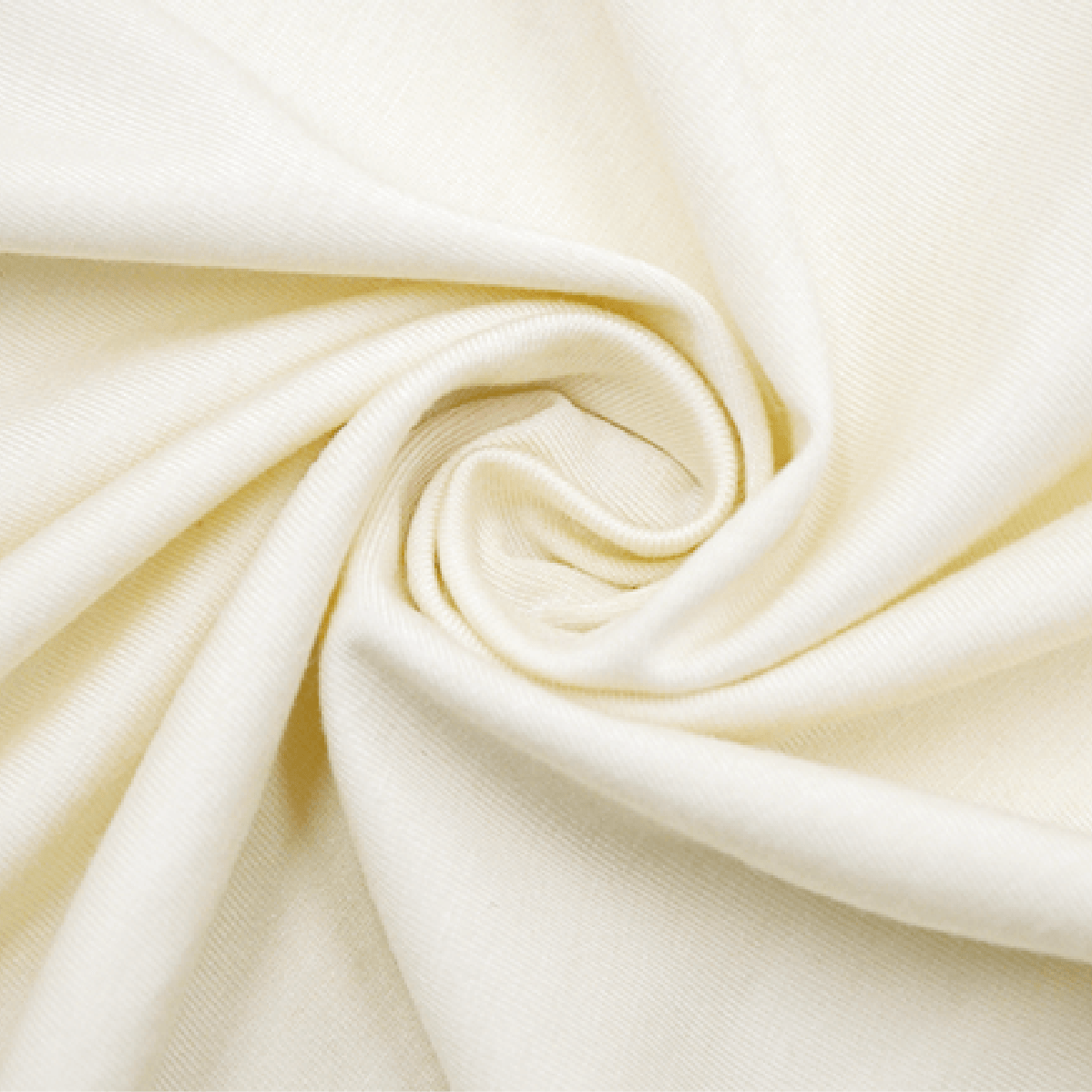
Alginate fiber, a seaweed-derived biopolymer, has moved from medical dressings into mainstream textile products, and project owners now need to match material formats to end-use requirements. Shandong Healcell Biomaterial Technology Co., Ltd. is a Yantai-based manufacturer of alginate fiber, yarn, and knitted fabrics whose portfolio targets underwear, apparel, home textiles, shoes & bags, outdoor sports, and pet products.
The Procurement Problem: Matching Format to Application
When buyers enter the research and evaluation phase for alginate fiber, the question is rarely whether alginate fiber works. It is which alginate fiber format fits a specific application. Alginate is available as staple fiber, spun yarn, textured filament, woven fabric, and knitted fabric, and each format behaves differently in hand feel, drape, durability, and downstream finishing.
The commercial case for investing in alginate-based textiles is documented by third-party market research. Dataintelo valued the global alginate fiber market at approximately USD 412.6 million in 2025 and projects growth to USD 728.4 million by 2034. The same source reports that calcium alginate fiber dominated the product segment with a 58.3% market share in 2025, reflecting an established supply base built in absorbent and medical applications that is now extending into general textiles.
For textile brands and OEM buyers, the practical implication is that alginate can be introduced through yarn and fabric blends, typically 5% to 13% of the total composition, to add antibacterial, deodorizing, moisture-managing, and thermal functions without redesigning a downstream garment line.
Healcell: An Integrated Alginate Fiber Supplier
Shandong Healcell Biomaterial Technology Co., Ltd. is an integrated supplier that covers the chain from raw seaweed-based fiber to finished knitted fabric. Founded in 2022, the company operates a 52,000 m² facility in Yantai, Shandong, with 120 employees and a 13-engineer R&D team. Current production capacity is approximately 300 tons per week for knitted fabrics and approximately 600 tons per week for raw material including alginate fiber.
Healcell's product lines include Healcell® alginate fiber, Healcell® seaweed composite fiber, Healcell® seaweed carbon mud fiber, and the Scilovel® series, with stated applications in biomedicine, medical aesthetics and health, aerospace, smart wearables, and functional textiles. The company owns an invention patent for seaweed fiber extraction machinery and describes its production route as wet spinning: the fiber is spun into yarn, which is then woven or knitted into fabric.
Product Families and End-Use Segments
Healcell organizes its alginate range into product families that map to different textile projects. The table below summarizes the main families, their material systems, formats, and typical end-use segments.
| Product Family | Material System | Formats | Typical End-Use |
|---|---|---|---|
| HSY yarn series | Alginate Fiber / Seaweed Fiber, 5–13% blend | Spun yarn (32S, 40S) | Underwear, apparel, home textiles |
| BSY deodorizing yarn series | Deodorizing Alginate Fiber on cotton/modal base | Yarn (40S, 60S) | Underwear, apparel, shoes & bags |
| DMY quick-dry fabric series | Alginate Composite Quick-Drying Fiber (polyester, or cotton/polyester, with alginic acid) | Knitted fabrics, 140–210 g | Sports apparel, performance underwear |
| BMY / QMP fabric series | Deodorizing Alginate Fiber on cotton/modal/Tencel/viscose blends | Jersey, 4-way stretch, brushed fabrics | Apparel, shapewear, home textiles |
| TMY thermal / conductive series | Alginate / Seaweed Composite Charcoal and Clay Moisture-Absorbing Thermal Fabric | Woven fabrics, filaments, conductive yarns | Outdoor sports, thermal wear, pet products |
| DSY quick-dry filament series | Alginate Composite Quick-Drying Fiber (polyamide/polyester with alginic acid) | DTY filaments, 20D–80D | Athletic wear, socks, linings |
All listed product families are described in Healcell's published product specifications; specific models cited below can be requested directly from the supplier.
How Alginate Fiber Delivers Functional Performance
Alginate fiber's functional profile is supported by published technical data:
- Moisture absorption. Alginate fibers can absorb 10 to 15 times their own weight in moisture or exudate, forming a hydrogel that maintains a moist environment (PMC / Huiming Nonwoven).
- Flame retardancy. Pure alginate fiber exhibits intrinsic flame retardancy with a Limiting Oxygen Index (LOI) of approximately 34.4% to 45%, qualifying it as a non-combustible fiber that self-extinguishes (Textile Learner / Atlantis Press).
- Tensile strength. Commercial alginate fibers typically range from 1.6 to 2.6 cN/dtex when tested in accordance with standards such as ASTM D3822.
- Biodegradability. Alginate-based materials demonstrate high biodegradability, with some derivatives completely degrading within 21 to 25 days under microbial attack (Royal Society of Chemistry).
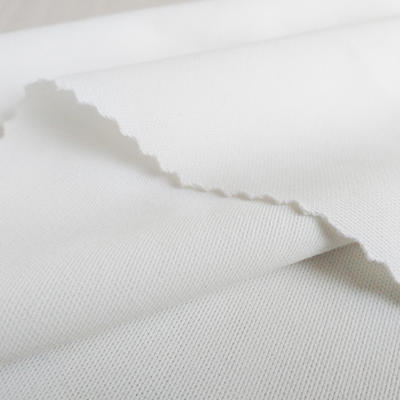
Because tensile strength is moderate, commercial textile products pair alginate with structural fibers. Examples from Healcell's catalog include 87% modal + 13% alginate fiber/seaweed fiber in yarn HSY00022; 46.5% cotton + 46.5% modal + 7% spandex in the BMY00073 antibacterial four-way stretch series; and 100% polyester with alginic acid in the DMY00005 quick-dry bird's-eye fabric. This blending pattern is the core commercial design: a functional alginate core with a structural backbone supplied by modal, cotton, Tencel, or polyester.
Application Scenarios: Selecting the Right Material for Your Project
Healcell's application guidance groups alginate fiber textiles by working environment, climate adaptability, and usage scenario. The following scenarios represent the main project types supported by the product range.
Underwear and Next-to-Skin Apparel
For underwear projects, Healcell offers yarns and knitted fabrics in the 5% to 13% alginate range. Representative materials include the 32S Healcell Alginate Fiber / Seaweed Fiber Algae Yarn Black (HSY00022, 87% modal + 13% alginate fiber/seaweed fiber), the 10% Healcell Alginate Fiber / Seaweed Fiber Elastic Jersey Raw Color (HMY00001, 45.3% modal + 42.1% cotton + 7.3% alginate + 5.3% spandex), and the Healcell Nudeflesh Double-sided Brushed Raw Color 305g (HMY00037, 43.9% modal + 42% cotton + 8.2% alginate + 5.9% spandex). The deodorizing BSY00042-3 yarn (70% cotton + 30% modal) targets underwear and intimate apparel where odor control is a priority.
Healcell's application notes specify that seaweed fiber in close-fitting apparel provides anti-static protection, antibacterial and bacteriostatic properties, odor removal, moisture absorption and air permeability, skin-friendliness, constant temperature comfort, far-infrared heating, and negative ion health care. Project types in this segment include antibacterial and deodorant negative-ion underwear sets and deodorant negative-ion functional underwear sets.
Sportswear and Quick-Dry Apparel
For activewear and sports projects, the DMY series uses 100% polyester with alginic acid to deliver moisture-wicking and quick-dry behavior. The Healcell Alginate Fiber / Seaweed Quick-Dry Anti-Perspective Bird's-Eye Fabric (DMY00005, white, 160 g, 1.8 m, 75D) and the Quick-Dry Anti-Perspective Healthy Fabric (DMY00006, 1.85 m, 190 g, 75D) are designed for anti-see-through performance in white and light-colored sportswear. Filament options include the Healcell Alginate Fiber / Seaweed Quick-Dry Polyester Filament (8-Shaped) DTY 80D*96F (DSY00003) and polyamide DTY options such as DSY00008 (20D*7F), which are suitable for socks and lightweight linings. The scenario list also includes antibacterial deodorant sports socks as a supported project type.
Thermal and Seasonal Wear
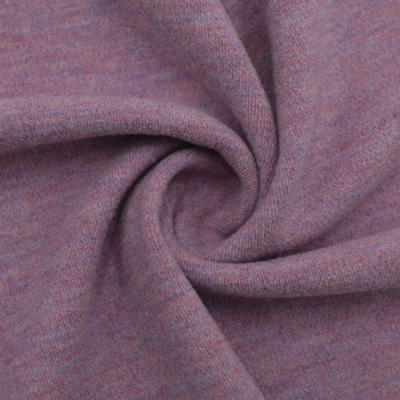
For cold-weather projects, the Healcell Warm-Fitting Double-Sided Fabric Pink 305g (HMY00035) and its navy-blue counterpart (HMY00034) combine 55.4% acrylic + 32% regenerated cellulose fiber + 7.6% spandex + 5% alginate fiber/seaweed fiber for thermal base layers. The Alginate Fiber / Seaweed Charcoal Mud Warm Woven Fabric (TMY00003, 65% combed cotton + 35% lyocell with seaweed charcoal mud) is intended for outer layers. Supported project types include antibacterial and deodorant far-infrared outdoor knitted fabric, which leverages the far-infrared heating and negative-ion properties documented in Healcell's application notes.
Home Textiles and Bedding
Home textile projects are supported by antibacterial and deodorant health blankets, towel cloths, and sleepwear fabrics. The Alginate Fiber / Seaweed Charcoal Mud Towel Cloth (TMY00002, 95% polyester containing seaweed charcoal mud + 5% spandex) is positioned for towels and household textiles. Healcell's application notes list an antibacterial & deodorant health blanket as a supported project type, with functions including negative-ion release and deodorization.
Outdoor, Bags, Pet Products, and Smart Wearables
The TMY and TSY series extend alginate fiber into outdoor sports, pet products, and conductive applications. The FDY Alginate Fiber / Seaweed Charcoal Mud Nylon Conductive Filament 20D*3F (TSY00015, 100% polyamide with seaweed charcoal mud) is suited to conductive and static-control textile integration. The Alginate Fiber / Seaweed Charcoal Mud Yarn (TSY00003, 40% Tencel + 40% cotton + 20% Lyocell with seaweed charcoal mud) covers thermal and moisture-managing outdoor textiles. The Healcell Alginate Fiber / Seaweed Charcoal Mud Silver Filament Woven Fabric (TMY00007, 38.9% Lyocell Tencel + 40.5% cotton + 20% Lyocell with seaweed charcoal mud + 0.6% polyamide with silver) adds silver functionality for shielding or anti-microbial performance.
Application Conditions and Care
Healcell's application guidelines state that seaweed fiber textiles are suitable for normal temperature and conventional indoor environments, and recommend avoiding long-term high-temperature exposure and excessive humidity. The materials are positioned as year-round: breathable in spring and autumn, moisture-absorbing and deodorant in summer, and soft and skin-friendly in autumn and winter. Washing guidance recommends gentle washing with cold or warm water, avoiding strong alkaline detergents, bleach, and high-temperature drying. Storage should be dry and ventilated.
OEM Project Reference
Healcell reports an ongoing OEM engagement with a client based in South Korea for a 3,500 m² program applying antibacterial, deodorizing, far-infrared, and negative-ion functions. The project has run for two years and is described as stable in operation. The supplier highlights that the seaweed/alginate fiber features natural antibacterial properties and the fabric offers a soft, skin-friendly touch.
Market Trends Supporting Alginate Fiber Adoption
Three documented trends support the adoption of alginate fiber in textile projects. First, the market is expanding: the global alginate fiber market was valued at approximately USD 412.6 million in 2025 and is projected to reach USD 728.4 million by 2034 (Dataintelo). Second, calcium alginate fiber remains the dominant product type at 58.3% of the segment in 2025, showing that the material's absorbent and medical performance base is now being reapplied to consumer textiles. Third, China is the global leader in alginate production, with Shandong Jiejing Group and Bright Moon Seaweed Group identified as key industrial manufacturers; Healcell is also headquartered in Shandong Province, close to this raw-material supply base.
Sustainability is a further driver. With some alginate derivatives completely degrading within 21 to 25 days under microbial attack (Royal Society of Chemistry), alginate-based textiles offer an end-of-life profile that aligns with circular textile programs and biodegradable product claims.
Alginate Fiber vs. Conventional Textile Materials
Compared with conventional cotton and synthetic textiles, alginate-based materials behave differently on three axes that matter to project buyers: flame behavior, moisture management, and end-of-life.
| Attribute | Alginate Fiber (Published Data) | Conventional Textile Materials (General) |
|---|---|---|
| Flame behavior | Intrinsic flame retardancy; LOI approximately 34.4%–45%; self-extinguishing | Most commodity fibers require flame-retardant finishes to reach comparable performance |
| Moisture management | Absorbs 10–15 times its own weight, forming a hydrogel | Cotton absorbs but holds moisture longer; standard synthetics wick without high absorption |
| End-of-life | Some alginate derivatives biodegrade within 21–25 days | Synthetic fibers persist in the environment for long periods |
| Tensile strength | 1.6–2.6 cN/dtex (commercial fibers, ASTM D3822) | Higher-strength options exist in synthetic fibers |
One honest limitation should be noted: commercial alginate fiber's tensile strength of 1.6 to 2.6 cN/dtex is moderate, which is why apparel products blend alginate at 5% to 13% with modal, cotton, Tencel, viscose, or polyester rather than using 100% alginate yarn in clothing. Pure alginate remains more common in medical nonwovens than in woven garments.
What this means for a project decision: alginate-based textiles are a fit when the brief includes natural antibacterial behavior, deodorizing performance, moisture absorption, flame resistance, or biodegradable end-of-life claims, and when the fabric construction can support a blended composition.
OEM/ODM and Project Execution Parameters
For buyers at the evaluation stage, Healcell provides OEM and ODM production with customization of fabric composition and color. Published manufacturing parameters include a monthly capacity of approximately 1,200 tons, a lead time of 30–45 days, and a minimum order quantity of 500 kg. Quality control is stated as 100% testing, and export activity covers the EU and Middle East, with remote after-sales support.
Future Outlook
The direction of travel in functional textiles points toward multi-function materials: fabrics that manage moisture, odor, temperature, and even conductivity in a single construction. Healcell's existing development lines reflect this direction: seaweed charcoal mud composites combine moisture-absorbing and thermal functions; silver filament fabrics add conductive or anti-microbial functionality; and conductive yarns in the TSY series support smart wearable integration. As marine biomaterials continue to penetrate apparel and home textile segments, alginate fiber is expected to remain a practical starting point for brands that need documented function with a seaweed-derived raw material base.
Frequently Asked Questions
Which Healcell alginate fiber products are suitable for an underwear project?
Healcell lists underwear as a primary application for its HSY yarns and knitted fabrics in the 5% to 13% alginate range. Representative materials include the 32S Healcell Alginate Fiber / Seaweed Fiber Algae Yarn Black (HSY00022, 87% modal + 13% alginate), the 10% Alginate Fiber / Seaweed Fiber Elastic Jersey Raw Color (HMY00001), and the Healcell Nudeflesh Double-sided Brushed Raw Color 305g (HMY00037, 43.9% modal + 42% cotton + 8.2% alginate + 5.9% spandex). Deodorizing yarns such as BSY00042-3 (70% cotton + 30% modal) are positioned for intimate apparel with odor control.
What functions can alginate fiber provide in a functional textile project?
According to Healcell's application notes, seaweed fiber can support anti-static protection, antibacterial and bacteriostatic properties, odor removal, moisture absorption and air permeability, skin-friendliness, constant temperature comfort, far-infrared heating, and negative ion health care. Healcell also states that seaweed fiber meets various special requirements and complies with the health wearing standards of functional textiles.
Which alginate fiber fabrics fit sportswear and quick-dry applications?
The DMY series is designed for quick-dry sportswear. The Quick-Dry Anti-Perspective Bird's-Eye Fabric (DMY00005, white, 160 g, 1.8 m, 75D) and Quick-Dry Anti-Perspective Healthy Fabric (DMY00006, 1.85 m, 190 g, 75D) use 100% polyester with alginic acid for moisture-wicking, quick-dry, and anti-see-through performance. Filament options such as DSY00003 (80D*96F) and DSY00008 (20D*7F) are available for lightweight athletic tops, socks, and linings.
What are the care and wearing conditions for alginate fiber textiles?
Healcell recommends normal temperature and conventional indoor environments, avoiding long-term high-temperature exposure and excessive humidity. Washing should be gentle with cold or warm water; strong alkaline detergents, bleach, and high-temperature drying should be avoided. The material is positioned as year-round: breathable in spring and autumn, moisture-absorbing and deodorant in summer, and soft and skin-friendly in autumn and winter. Storage should be dry and ventilated.
What are Healcell's MOQ, lead time, and customization options?
Healcell supports OEM and ODM production with customization of fabric composition and color. Monthly capacity is approximately 1,200 tons; lead time is 30–45 days; and the minimum order quantity is 500 kg. All products receive 100% testing, with export markets in the EU and Middle East and remote after-sales support.
How does Healcell ensure quality in alginate fiber production?
Healcell operates a 52,000 m² facility with 120 employees and a 13-engineer R&D team. Production capacity is approximately 300 tons per week of knitted fabrics and approximately 600 tons per week of raw material including alginate fiber. The company owns an invention patent for seaweed fiber extraction machinery and applies wet spinning as the production route, with the fiber spun into yarn and then woven or knitted into fabric.
Evaluate Healcell for Your Alginate Fiber Project
Shandong Healcell Biomaterial Technology Co., Ltd. supplies alginate fiber, fabric, and yarn for underwear, apparel, home textiles, outdoor, and smart wearable projects. Procurement and technical teams can review the company's product brochure or contact the team directly for specification sheets, samples, and OEM project discussions.
Healcell® Biomaterial
Website: www.healcell-seaweed.com
Email: healcell@vip.163.com
Tel: +86-13791160009 | WhatsApp: +86-13031658139