
¿Qué es una fábrica de cajas de estaño? Una guía completa para la fabricación y aplicaciones de latas de estaño
What is a Tin Box Factory? The Heart of Premium Packaging
In today's competitive global market, product packaging is no longer just a container; it's a critical component of brand identity, product protection, and consumer experience. At the core of this industry lies the tin box factory. But what exactly is it, and why is it so vital for businesses ranging from confectionery giants to pharmaceutical leaders? This comprehensive guide delves into the world of tin can manufacturing, exploring its processes, applications, and the key players like JINGLI CAN that are shaping the industry.
Defining the Modern Tin Box Factory
A tin box factory is a specialized manufacturing facility dedicated to producing containers and packaging solutions from tinplate (steel coated with a thin layer of tin). Far from being simple metal shops, modern factories like those operated by Dongguan City Jingli Can Co., Ltd. are advanced, integrated hubs of technology, design, and quality control. They transform raw tinplate into a diverse array of functional and decorative tins for countless industries.
The scope of a contemporary factory extends beyond mere production. It encompasses design and prototyping, material sourcing, precision printing, forming and sealing, quality assurance testing, and logistics. With the rise of e-commerce and heightened consumer expectations for sustainable and premium packaging, the role of the tin can box factory has become more strategic than ever.
Core Manufacturing Processes in a Tin Box Factory
The journey from a coil of tinplate to a finished chocolate tin box or medicine tin box involves several meticulous steps:
- Design & Prototyping: Collaborative design with clients to create shapes, sizes, and graphics that align with brand vision.
- Printing & Coating: High-precision offset printing or lithography is applied to the tinplate sheets. This is followed by coating with protective varnishes for durability and food safety.
- Stamping & Cutting (Blanking): The printed sheets are cut into specific shapes (blanks) using large stamping presses.
- Forming & Drawing: Blanks are formed into three-dimensional shapes through mechanical or hydraulic presses—a key process for creating round, rectangular, or custom-shaped tins.
- Assembly & Seaming: Components like bodies, lids, and bottoms are assembled. The side seam is welded or soldered, and the ends are double-seamed for an airtight seal, crucial for food container integrity.
- Quality Inspection: Every batch undergoes rigorous checks for dimensions, print quality, seal integrity, and material safety compliance.
Diverse Applications: From Candy to Cosmetics
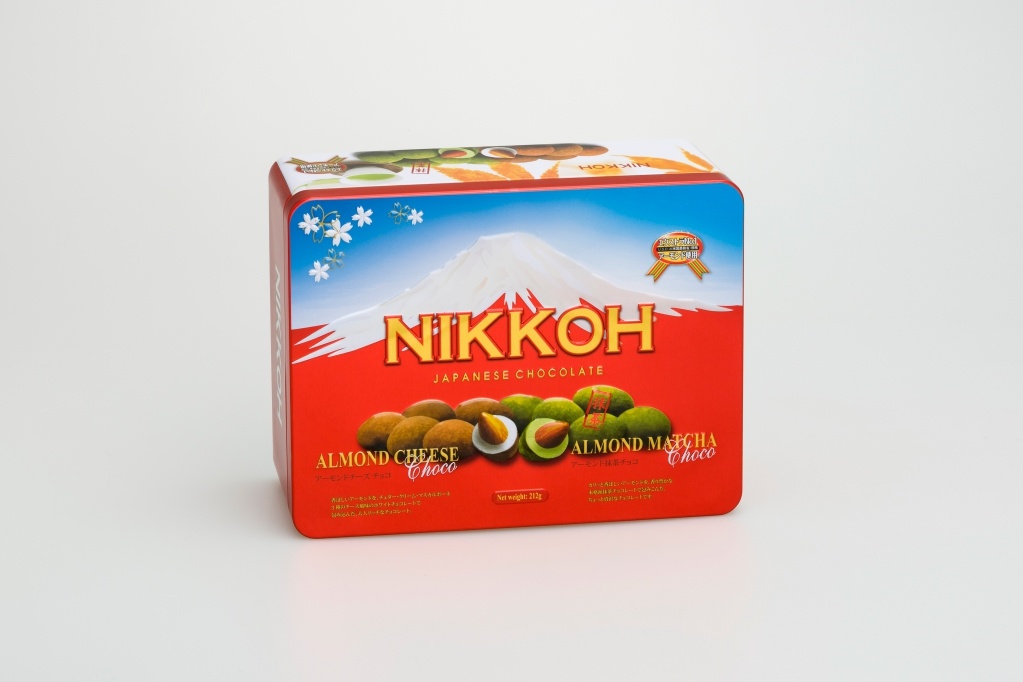
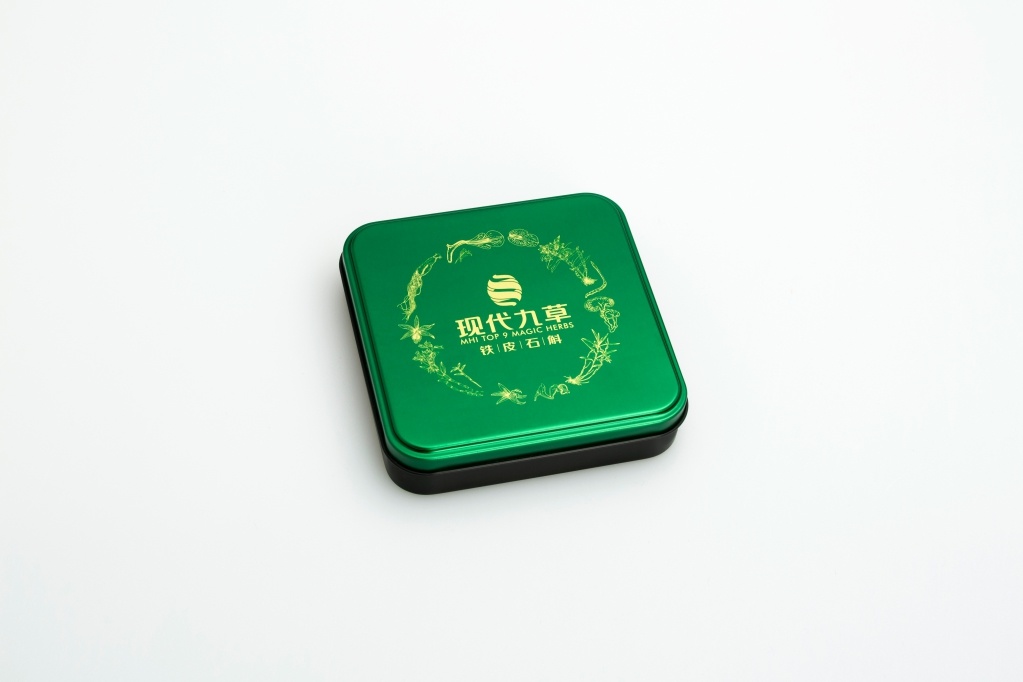
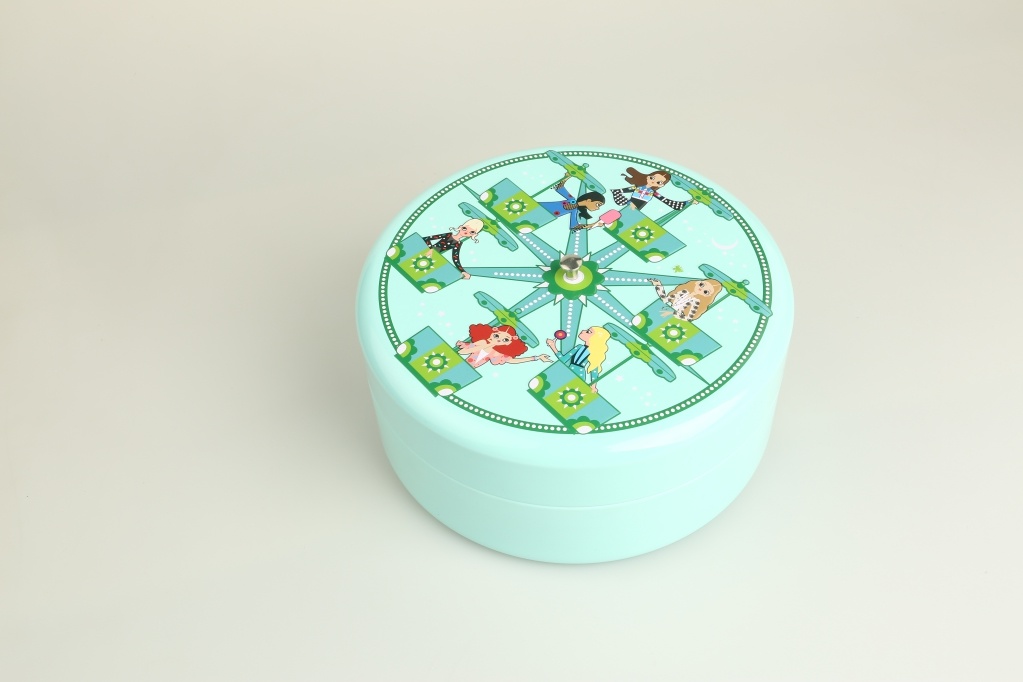
The versatility of tinplate makes the tin box factory a supplier to a vast cross-section of the global economy. Here’s how specialized factories cater to different sectors:
JINGLI CAN: A Benchmark in Tin Box Manufacturing
When discussing leading tin box factory operations globally, Dongguan City Jingli Can Co., Ltd. (JINGLI CAN) stands out as a paradigm of scale, quality, and innovation. Founded in 1999, the company has grown into a packaging powerhouse.
Unmatched Scale and Capacity
- Global Footprint: 7 production locations in China and a factory in Vietnam.
- Workforce: Over 5,000 dedicated employees.
- Material Mastery: Annual tinplate consumption exceeding 100,000 tons, with strategic stockpiles of 4,000 tons ensuring price stability and on-time delivery.
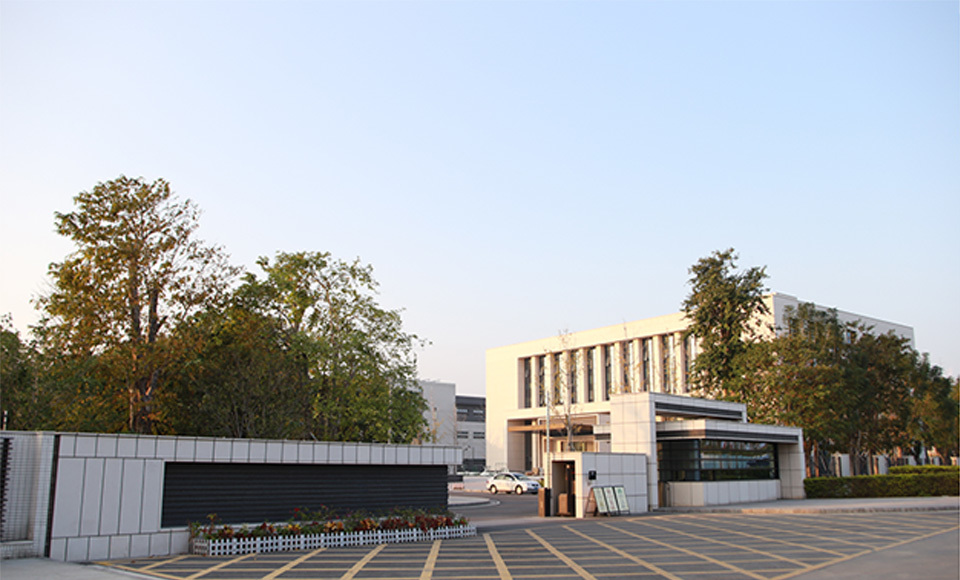
A glimpse into the advanced production facilities at a JINGLI CAN factory.
Commitment to Quality and Safety
JINGLI CAN’s commitment is validated by a comprehensive suite of international certifications, which are critical for a trusted tin can box factory:
- ISO 9001:2015: For robust quality management systems.
- FSSC 22000 / ISO 22000:2005: Food Safety System Certification, essential for any food container manufacturer.
- ISO 14001:2015: Environmental management commitment.
- SEDEX 4 PILLAR: Ethical and responsible sourcing audits.
- Product Compliance: All products meet FDA, LFGB, EN71, and REACH standards.
Furthermore, JINGLI CAN has passed rigorous audits by global giants like Coca-Cola, LVMH, Disney, and Mars, a testament to its world-class operational standards.
Industry Leadership and Partner Network
The client portfolio of JINGLI CAN reads like a who's who of global business, underscoring its role as a strategic tin box factory partner:
- Food: Nestle, Mondelez, Lindt, Perfetti Van Melle
- Beverage: Diageo, Hennessy, Moutai
- Tobacco: BAT, Philip Morris, JTI
- Cosmetics: Estee Lauder, L'Oreal, Shiseido
- Pharmaceuticals: GSK, Bayer, Yunnan Baiyao
- Electronics: Microsoft, Sony, Huawei
The Future of Tin Box Factories
Current trends are shaping the next generation of tin box factory operations:
- Sustainability: Tinplate is 100% recyclable indefinitely without loss of quality. Factories are optimizing processes to reduce waste and energy consumption.
- Smart Packaging: Integration of QR codes, NFC tags, and augmented reality features directly into tin designs for enhanced consumer engagement.
- Customization & Short Runs: Digital printing advancements allow for cost-effective, small-batch customized tins, perfect for niche brands and marketing campaigns.
- Supply Chain Resilience: Leading factories like JINGLI CAN, with multiple global locations and large material reserves, provide crucial stability in an uncertain world.
In conclusion, a modern tin box factory is far more than a manufacturer; it is a solutions provider, a quality guarantor, and a brand enhancement partner. For businesses seeking reliable, high-quality, and innovative packaging—whether it's a chocolate tin box, a health care product tin box, or a promotional lunch tin box—partnering with an industry leader like JINGLI CAN is a strategic decision that protects your product, elevates your brand, and delivers value to your consumers.
Enhance product value through packaging! Reflect product quality through packaging! Build product confidence through packaging!
¿Tiene preguntas o necesita más detalles?
Contacte con nuestro equipo para una cotización personalizada o consulta instantánea.
Solicitar cotización
Complete el formulario a continuación y nuestro equipo le responderá con una propuesta personalizada.
Chat directo de WhatsApp
¿Prefiere chatear en tiempo real? Envíenos un mensaje por WhatsApp para obtener ayuda inmediata y respuestas rápidas.
- Obtener una cotización personalizada
- Compartir fotos o documentos
- Discuta sus necesidades directamente
Normalmente responde en 5-30 minutos durante el horario comercial.