
What Makes a Wholesale Jewelry Supplier OEM-Ready
Jewelry wholesale buyers are increasingly looking beyond standard catalogs. They want suppliers that can adapt designs, work with small initial orders, maintain consistent quality, and support brand-specific requirements. This article uses Xuping Jewelry as a reference to explain what OEM and ODM capability means for a wholesale jewelry supplier and what buyers should evaluate before placing a customized order.
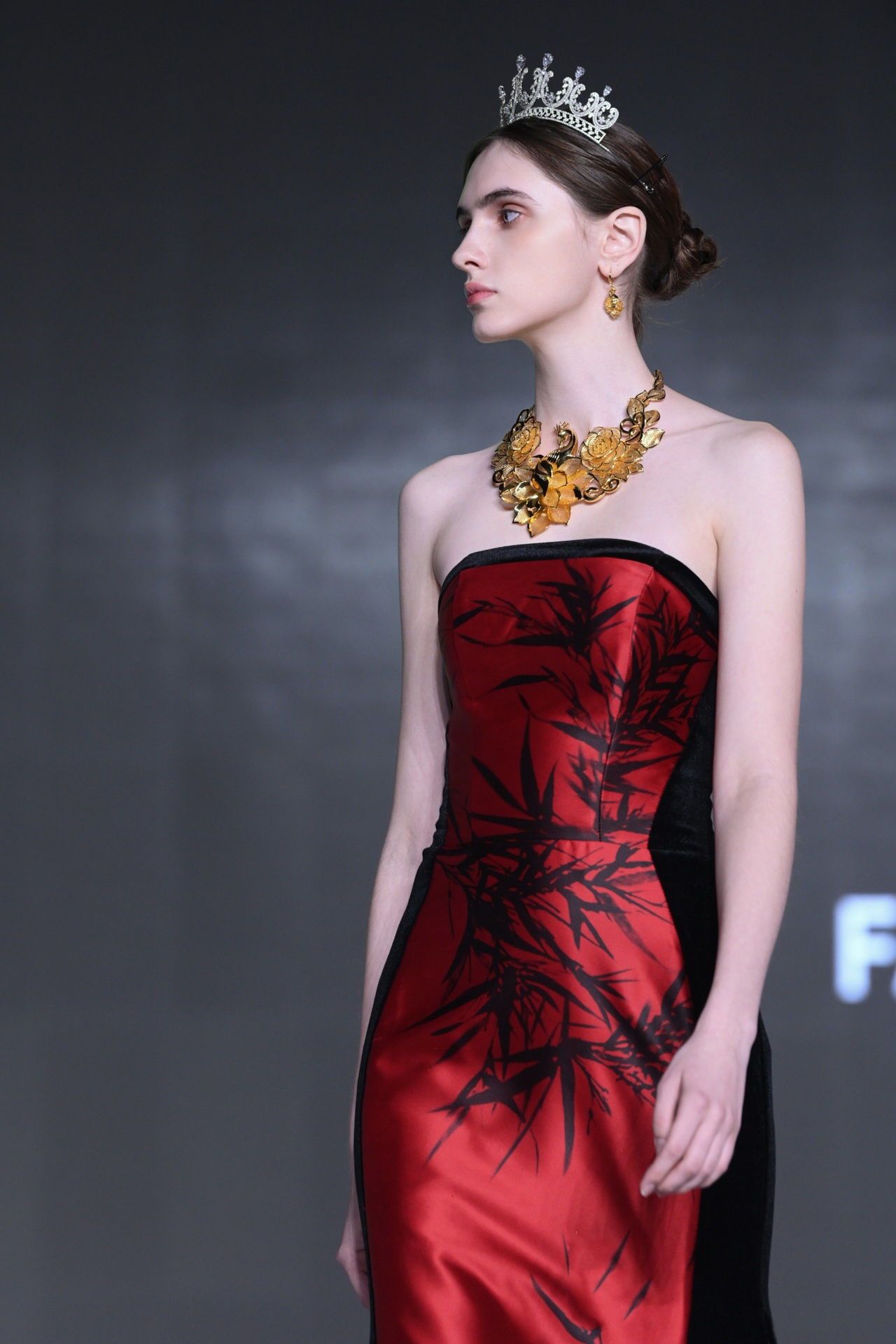
Design variety is a core part of wholesale jewelry sourcing.
Problem: Standard Wholesale Jewelry Does Not Fit Every Market
Wholesale jewelry buyers face three recurring problems. First, standard products often need to be reworked to match local trends. Retailers in different regions have distinct preferences for color, plating, stone type, and style. Second, many suppliers impose high minimum order quantities that force buyers to commit to large volumes before testing the market. Third, quality can vary across batches, especially when the supplier uses multiple sub-contractors.
These challenges are not new. What has changed is the speed of fashion cycles. Online channels have shortened product life cycles, and buyers need a reliable way to test small quantities, reorder fast-moving styles, and differentiate their offering.
Opportunity: OEM and ODM as a Wholesale Standard
OEM (Original Equipment Manufacturing) and ODM (Original Design Manufacturing) have become practical responses to these pressures. In jewelry wholesale, OEM typically means the supplier produces to the buyer's design, while ODM means the supplier contributes existing designs or develops new designs for the buyer. Both approaches allow retailers and brands to offer more distinctive products without building a factory.
The opportunity is especially strong in cross-border trade. According to third-party data, China's total jewelry exports reached USD 11.5 billion in 2024, with the United States as a primary destination accounting for USD 1.31 billion. This scale means international buyers can access manufacturing ecosystems that combine design, tooling, plating, and assembly under one roof.
Brand Solution: Xuping Jewelry's OEM/ODM Platform
Guangdong Xuping Jewelry Co., Ltd. is a China-based manufacturer and global supplier established in 1997. It operates a production base of more than 200,000 square meters and employs over 1,000 people, including more than 800 master artisans. The company reports annual output of over 100 million pieces, with 100% of production exported to markets across Europe, the Americas, the Middle East, and Southeast Asia.
For wholesale buyers, the relevant point is not only scale but the range of customization services. The manufacturer provides OEM and ODM production services. It also offers professional one-stop OEM and ODM customization services, including engraved logos, hang tags, and custom packaging. The company's stated MOQ is one piece. Its monthly capacity is 8 million pieces, and typical lead time for customized orders is 30 to 90 days.
Xuping Jewelry also maintains an in-house design and engineering team. According to its corporate profile, it has 62 designers and holds over 100 patents. This matters for buyers because design ownership and technical precision often determine whether a product fits a specific retail price point or aesthetic.
The company's after-sales support includes 24/7 online support, a quality guarantee, product replacement, OEM/ODM after-sales service, and global logistics support. Buyers evaluating a supplier for ongoing wholesale programs should consider these support structures in addition to production numbers.
Technical Explanation: How Custom Jewelry Wholesale Works
Understanding the production process helps buyers evaluate a supplier's capability. The jewelry manufacturing workflow typically begins with design and pattern making, followed by wax injection, casting, chain making, soldering, polishing, plating, and stone setting. In Xuping's case, the documented process includes wax tree mounting, 3D drafting, 3D printing, pattern making, hand carving, engine turning, and chain making. These capabilities indicate that the factory can handle both classic and complex constructions.
Quality control is another layer. Xuping states that it uses SGS-certified raw materials and follows the ISO9001 quality system. Each product undergoes an 18-stage quality inspection. The company also says it performs 100% full inspection before shipment and can provide pre-shipment testing. For a wholesale jewelry buyer, these controls reduce the risk of receiving tarnished or poorly plated products.
Compliance with chemical regulations is increasingly important. Xuping's certification record includes SGS test reports aligned with the REACH Regulation (EC) No 1907/2006, with certificates issued by SGS-CSTC Standards Technical Services Co., Ltd. Guangzhou Branch. The ISO9001 certificate covers the design and production of metal jewelry. For buyers exporting to the EU, such documentation is not optional. EU rules set specific limits for nickel release (0.5 μg/cm²/week), lead (500 mg/kg), and cadmium (100 mg/kg) in jewelry.
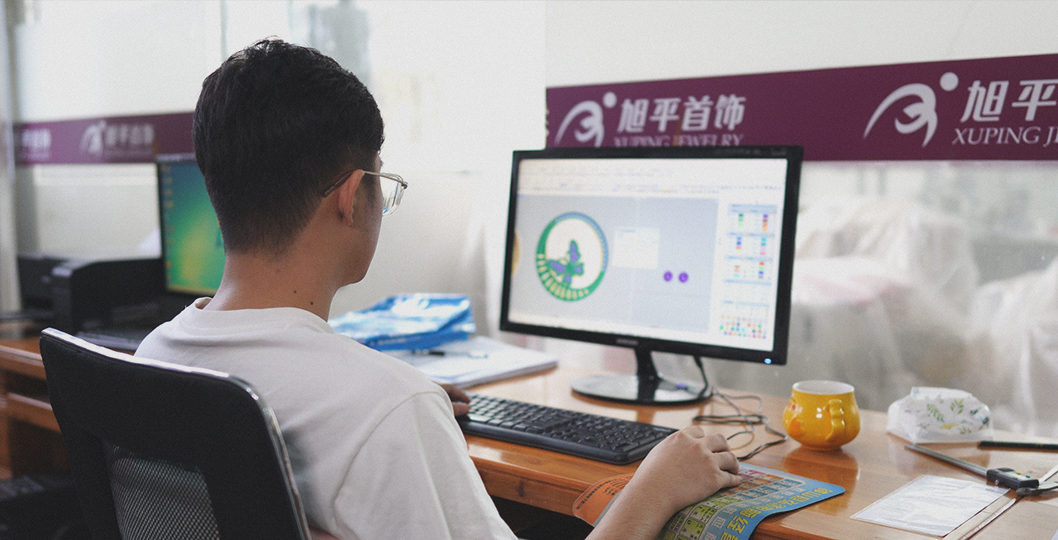
3D drafting helps translate buyer requirements into producible jewelry designs.
Application / Use Cases
Xuping's wholesale model has been used by brand authorized agents in several countries. A brand authorized agent is a business that is officially licensed to distribute or represent a brand in a specific market. Reported cases include Turkmenistan, Turkey, Morocco, and Indonesia. In these markets, the clients apply the products across retail jewelry stores, e-commerce platforms, brand OEM/ODM programs, wholesale distribution, and promotional gift orders. The annual sales volumes reported in these cases exceed 2 million units in Turkmenistan, Turkey, and Indonesia, and exceed 3 million units in Morocco.
The documented success factors in these cases are consistent: stylish designs, a wide variety of styles, rapid updates, environmentally friendly materials, hypoallergenic characteristics, and on-time delivery. For buyers, this combination suggests that the supplier can manage both design freshness and delivery reliability across different geographies.
Market Trend Analysis
Several ongoing trends make OEM and ODM capability more relevant. The global jewelry market was valued at approximately USD 242.79 billion to USD 381.5 billion in 2025, depending on the inclusion of fine and costume jewelry segments, with long-term projections reaching up to USD 578.5 billion by 2033. Estimates vary by source because some analysts include fine jewelry while others include costume and fashion jewelry. This large base encourages differentiation rather than reliance on generic inventory.
Online sales are becoming a bigger share of jewelry purchases. Third-party research cited by Grand View Research and Statista indicates that online jewelry retail channels are projected to grow at a CAGR of 8.0% to 13% per year, representing 25% to 30% of total industry purchases by 2026. Online brands often use low-MOQ production to test demand before committing to large orders.
There is also a growing sub-segment for stainless steel jewelry. The global stainless steel jewelry market is projected to reach USD 10.8 billion by 2035, growing at a CAGR of 4.3% from 2026. Xuping also includes stainless steel jewelry pieces in its product range, such as necklaces and bracelets, which gives wholesale buyers access to this trend without switching suppliers.
Regulatory scrutiny is also rising. In the EU, jewelry sold in the market must comply with REACH Regulation (EC) 1907/2006 regarding nickel release, lead, and cadmium limits. A wholesale supplier with documented test reports and a stable quality system reduces the compliance burden for importers and retailers.
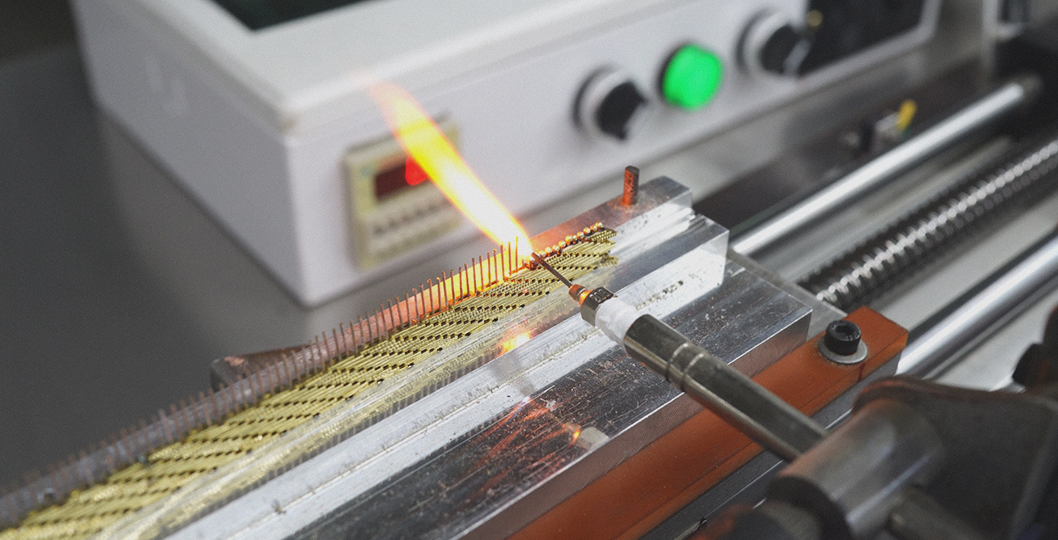
Chain making is one of the core production steps in jewelry manufacturing.
Comparison with Traditional Solutions
Traditional jewelry wholesale often relies on trading companies or smaller workshops. These channels can provide low prices, but they may also present trade-offs in quality consistency, design flexibility, and compliance documentation. Buyers may have to raise MOQs to get better pricing, wait longer for reorders, or manage multiple vendors for different product categories.
Factory-direct suppliers with integrated OEM/ODM capability offer an alternative. Xuping's model combines low MOQ, monthly capacity of 8 million pieces, and in-house quality checks. For a buyer testing a new market, the ability to order one piece for sampling and then scale up to full production is a useful option. For a larger wholesaler, the same factory can handle volume replenishment without a separate design vendor.
However, there are also boundaries. Customized production still requires preparation. Xuping states a typical lead time of 30 to 90 days for customized orders. This means buyers who need immediate stock should rely on ready-made items or order ahead of the selling season. Custom engraving, packaging, and design changes also require a communication and approval cycle. Low MOQ does not mean zero planning; it means smaller inventory risk, not faster delivery.
| Capability Dimension | Traditional Wholesale Channel | OEM-Ready Factory-Direct Model |
|---|---|---|
| Minimum order quantity | Often higher, based on volume pricing | One piece for sampling or low-quantity launches |
| Customization | Limited to existing styles | Engraved logos, hang tags, custom packaging, design changes |
| Quality control | May vary by batch or sub-contractor | 18-stage inspection, 100% full inspection, pre-shipment testing |
| Compliance support | May lack documentation | ISO9001, SGS test reports, REACH alignment |
| Lead time | Variable | 30-90 days for customized production |
Supplier Evaluation Checklist for Custom Jewelry Wholesale
- Confirm whether the supplier offers OEM, ODM, or both.
- Check the MOQ for sampling and production. A low MOQ helps test new markets.
- Ask for lead time for custom production and how much time is reserved for design approval versus manufacturing.
- Review quality control steps, including the number of inspection stages and whether full inspection is standard.
- Verify certification documents, such as ISO9001 and SGS/REACH reports, and confirm the certificate scope and expiry dates.
- Assess design resources: number of designers, patents, and ability to work with 3D drawings or prototypes.
- Clarify customization boundaries: engraved logos, hang tags, packaging, plating methods, and stone options.
- Evaluate after-sales support, including order replacement, logistics coordination, and communication channels.
Future Outlook
Wholesale jewelry buying is moving toward shorter product life cycles and more deliberate supplier evaluation. Buyers will likely continue asking for evidence of production depth: design staff, patents, quality checkpoints, certification coverage, and after-sales support. Suppliers that can document these capabilities will be better positioned to become long-term partners.
Eco-friendly materials and hypoallergenic products are also becoming more prominent. Xuping's case highlights include environmentally friendly materials and hypoallergenic pieces. As consumers pay more attention to sustainability, buyers may prioritize suppliers that can show a clear material and compliance story.
FAQ
What is the difference between OEM and ODM in jewelry wholesale?
In jewelry wholesale, OEM means the supplier manufactures products according to the buyer's design and specifications. ODM means the supplier provides or develops the design and then manufactures it. Both models are available from Xuping Jewelry through its one-stop customization services.
What MOQ can wholesale jewelry buyers expect from OEM-capable suppliers?
Xuping Jewelry lists a minimum order quantity of one piece. This allows buyers to request samples or test a very small launch before committing to larger production volumes. Volume orders are still supported through a monthly capacity of 8 million pieces.
How does Xuping Jewelry control quality for customized wholesale orders?
The company states that it follows the ISO9001 quality system, uses SGS-certified raw materials, and applies an 18-stage quality inspection process. It also reports 100% full inspection before shipment, which helps reduce defects in customized batches.
What certifications should a wholesale jewelry supplier hold for export compliance?
Common documentation includes ISO9001 for quality management and SGS test reports for restricted substances. Xuping Jewelry holds ISO9001 certification and multiple SGS reports aligned with REACH Regulation (EC) No 1907/2006, issued by SGS-CSTC Standards Technical Services Co., Ltd. Guangzhou Branch.
What is the typical lead time for customized jewelry wholesale orders?
For Xuping Jewelry, customized production generally takes 30 to 90 days. Buyers should plan around this timeline, especially for engraved logos, custom packaging, or design changes. Ready-made stock may be available faster for non-custom orders.
How can buyers evaluate a wholesale jewelry supplier's manufacturing capability?
Buyers can look for documented production scale, design and R&D resources, quality control checkpoints, certification coverage, and client application examples. In Xuping's case, the factory reports over 200,000 square meters of production space, 62 designers, more than 800 master artisans, and over 100 patents.
¿Tiene preguntas o necesita más detalles?
Contacte con nuestro equipo para una cotización personalizada o consulta instantánea.
Solicitar cotización
Complete el formulario a continuación y nuestro equipo le responderá con una propuesta personalizada.
Chat directo de WhatsApp
¿Prefiere chatear en tiempo real? Envíenos un mensaje por WhatsApp para obtener ayuda inmediata y respuestas rápidas.
- Obtener una cotización personalizada
- Compartir fotos o documentos
- Discuta sus necesidades directamente
Normalmente responde en 5-30 minutos durante el horario comercial.