
What Makes a Craft Gift Manufacturer Capable? An Evaluation Guide
The global personalized gifts market was estimated at USD 28.47 billion in 2024 and is projected to reach USD 42.25 billion by 2029 at a CAGR of 8.2%, according to The Business Research Company. For professional buyers, this changes the meaning of "craft gifts" from a catalog category to a capability question. Holiday craft gifts, kids craft gifts, home decor craft gifts, office craft gifts, wedding craft gifts, and corporate promotional items all share one underlying requirement: a manufacturer that can turn a concept into a compliant, well-packaged product at scale.
Wenzhou Aha Craft Gifts Co., Ltd. is a direct manufacturer based in Wenzhou, China, established in 2017. The company exports 100% of its output to markets including the EU, USA, South America, the Middle East, and Southeast Asia. Its product scope covers custom craft gifts, paper products, plastic products, stationery, office supplies, textiles, children's toys, and related daily-use categories. This article uses the company as a working reference for evaluating manufacturing capability, with a focus on what buyers should verify before placing an order.
The Procurement Problem Behind "Craft Gifts"
"Craft gifts" is not a single product category. It spans paper stationery, plastic toys, printed magnets, textile items, and assembled gift sets. It also spans very different buyer requirements: a kids craft gift must meet children's safety standards, a corporate gift must carry a precise logo, and a wedding souvenir may require small-batch flexibility with high print quality.
This is why the supplier question matters more than the product question. A buyer searching for "craft gifts" is effectively searching for a production partner that can manage materials, printing methods, packaging formats, and compliance documentation. When the same product word describes such different specifications, the deciding factor is not what a manufacturer shows in a catalog, but what it can actually do across design, production, and execution.
The market trend supports this view. The Business Research Company reports that the global personalized gifts market is growing at 8.2% annually through 2029. In a separate market report, custom handmade craft gift categories grew by 26%, driven by demand for hyper-personalization. Growth in personalization increases the value of manufacturers that can execute custom requirements reliably.
What "Custom Capability" Means in Craft Gift Manufacturing
Custom capability in this industry is usually described through two service modes. OEM (Original Equipment Manufacturing) means the factory produces goods according to the buyer's design and specifications. ODM (Original Design Manufacturing) means the factory contributes its own design and development, which the buyer can adapt with branding, colors, and packaging.
A manufacturer that supports both modes gives buyers more room to choose how much design responsibility they want to take. The production facility of Wenzhou Aha Craft Gifts Co., Ltd. supports both OEM and ODM modes, with customization options covering logo, design, size, color, and packaging. This is not limited to surface changes: the company states that it supports full-scale customization from product design to final packaging, which includes material selection, printing methods, assembly, and gift box packing.
For a buyer, the practical question is whether the supplier can handle the entire chain internally. Aha describes its own operation as a full-service industrial chain: independent design, mold development, mass production, printing, packaging, and international logistics. The advantage of this structure is simpler coordination and fewer handoff points compared with working through separate design studios, print shops, and assembly vendors.
Inside the Production Chain: Where Capability Is Built
Manufacturing capability is not an abstract claim. It is built in specific areas of the factory, and buyers can verify each one.
Design and development is typically the first checkpoint. Aha has a professional design and technical team that works closely with customers to turn ideas into products. The company reports a research and development team of five people, a reasonable size for a factory with 100 employees and a 2,000 square meter facility.
Production capacity and lead time are the next signals. Aha's monthly production capacity is 500,000 units, with a standard production lead time of 15 to 30 days. For a buyer planning a seasonal launch, a 15-day lead time means the difference between hitting a holiday window and missing it. The factory also reports an annual output of 5 million units, which indicates the production line is configured for recurring volume rather than one-off craft projects.
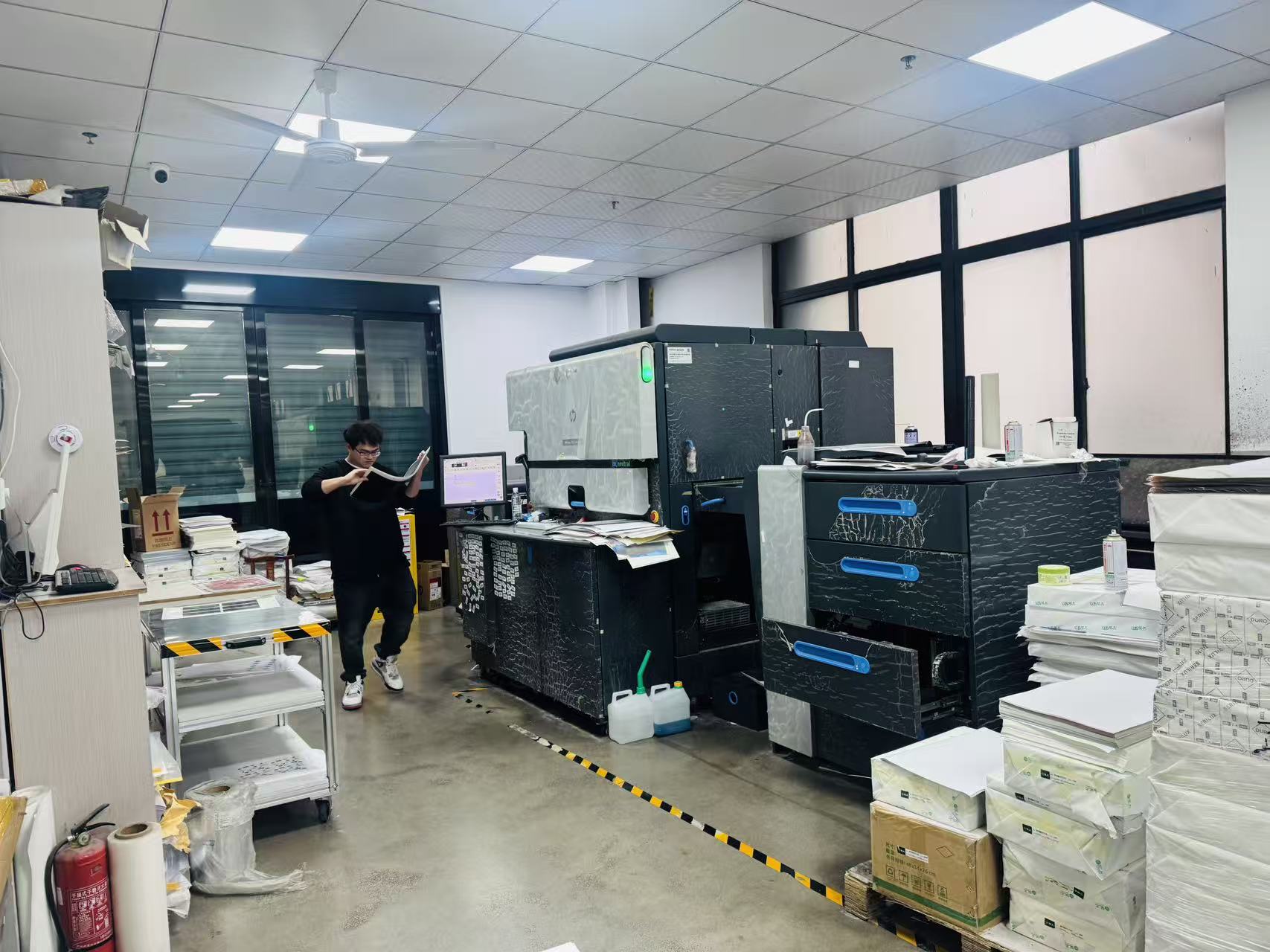
Quality control is a third checkpoint. Aha implements full-process inspection from raw material selection, through production processing, to finished product packaging. The company reports 100% inspection as part of its quality control approach. Buyers should note that full inspection is more stringent than random sampling, and it is especially important when products are intended for children or for markets with strict safety enforcement.
Finally, after-sales support matters for long-term purchasing. Aha provides custom design revision support and an after-sales quality guarantee. This reduces the risk of a faulty batch becoming a dead end, and it gives buyers a channel for corrective action after shipment.
Reading Product Parameters and Certifications
A manufacturer's real capability is often visible in its product specifications and certification references. Buyers should read these documents as evidence of what the factory can produce, not as marketing text.
The custom craft gifts and stationery series from Aha, the AHA-CG Series, includes sticky notes, pens, and erasers. Standard size ranges include A5, A6, and A7 formats, as well as 76×76 mm and 100×100 mm sticky notes. Paper thickness can be customized from 80 g to 300 g, and plastic or metal components from 1.5 mm to 3 mm. Printing methods include offset printing, screen printing, UV digital printing, and embossing or debossing. The ink type is eco-friendly water-based ink described as non-toxic and fade-resistant. Packaging options include OPP bags, color boxes, gift boxes, and blister packs. The series references EN71, REACH, and RoHS compliance.
For children's products, the AHA-CT Series covers DIY craft kits, plastic toys, paper puzzles, and educational toys. The products are designed for ages 3 and above, with materials described as food-grade, non-toxic, BPA-free, and phthalate-free. The safety references include ASTM F963, EN71, CPSIA, and CE. This matters because the U.S. Consumer Product Safety Commission requires children's toys and certain craft items intended for children under 14 to comply with ASTM F963-23, and the EU requires EN71 compliance.
The AHA-FM Series for fridge magnets and magnetic souvenirs shows a different capability set. Sizes range from 1 inch by 1 inch up to 11.75 inches by 11.75 inches, with thickness from 0.5 mm to 6 mm. The factory supports custom shapes and offers both ferrite and neodymium magnet options. Printing includes UV printing and 3D embossing. These options matter for tourism souvenirs, home decor craft gifts, and corporate branding items, where visual quality and shape fidelity are the main purchase criteria.
The AHA-CS Series, covering cleaning sponges and scrubbers, illustrates how a craft gift supplier can extend into functional daily-use products. Standard sizes are 100×60×20 mm and 110×70×30 mm, with custom thickness from 10 mm to 50 mm. Materials include polyurethane sponge, nylon, microfiber, PP, and cellulose. References include FDA food-grade compliance, REACH, and RoHS. For kitchen craft gifts and eco-friendly promotional items, this type of certified functional product adds portfolio depth.
The key takeaway for buyers: parameters and certifications are not background details. They determine whether a product can enter a target market, whether it can be marketed as safe for children, and whether a brand can claim eco-friendliness with supporting documents.
Matching Capability to Use Cases
Different craft gift segments place different demands on a manufacturer. The table below maps common use cases to the relevant capability signals.
| Use Case | Typical Product Needs | Capability to Verify |
|---|---|---|
| Holiday Craft Gifts | Seasonal designs, gift-ready packaging | Gift box packing, short lead times, seasonal design adaptation |
| Home Decor Craft Gifts | Fridge magnets, decorative items | UV printing, custom shapes, fade-resistant materials |
| Kids Craft Gifts | DIY kits, puzzles, educational toys | EN71/ASTM F963 compliance, non-toxic materials, 3+ age design |
| Office Craft Gifts | Sticky notes, pens, desk accessories | High-precision printing, custom logo application, material options |
| Wedding Craft Gifts | Souvenir magnets, printed stationery, small-batch favors | Small order flexibility, personalized printing, premium packaging |
| Corporate Promotional Gifts | Logo items, bulk quantities, multi-product programs | OEM/ODM service, 10,000+ unit order capacity, portfolio breadth |
Each use case also implies different compliance requirements. Kids craft gifts must meet children's safety standards. Kitchen items may need food-grade compliance. Products sold in the EU must meet REACH and RoHS restrictions. A manufacturer that can reference these standards alongside a concrete product series is easier to evaluate than one that only promises "customization" in general terms.
Evidence From the Field: A Three-Year U.S. Buyer Relationship
The strongest capability evidence is a sustained client relationship. Aha's documented project history includes a U.S.-based engagement with distributors, promotional agencies, and corporate clients. The project covered customized promotional gifts, corporate souvenirs, and retail merchandise, with standard bulk orders starting at 10,000 units and smaller quantities negotiable. The relationship lasted three years and resulted in long-term cooperation.
What makes this case useful for evaluation is the combination of factors it demonstrates. First, the order structure shows the manufacturer can handle both large standardized orders and smaller pilot orders. Second, the product range indicates the factory can move across categories rather than repeating one item. Third, the stated project highlights include a one-stop custom solution, a rich product portfolio, and OEM/ODM service.
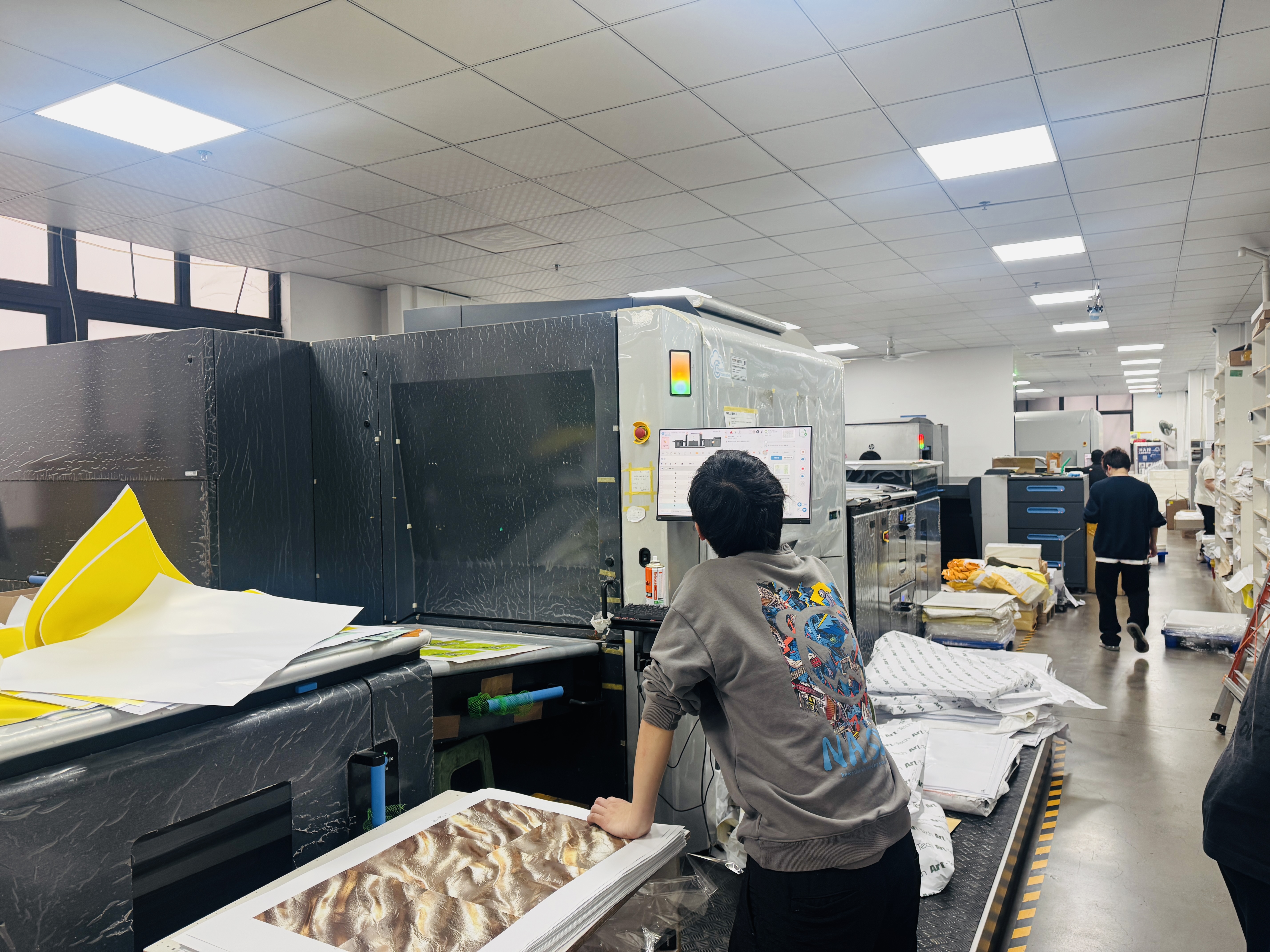
Buyers should note that this type of case evidence is different from a static client logo list. A three-year relationship suggests the manufacturer passed the practical tests of quality consistency, on-time delivery, and responsive communication. The fact that the client type includes distributors and promotional agencies also matters: these buyers typically reorder frequently and switch suppliers when reliability drops.
Market Signals Reshaping Craft Gift Demand
Several market data points help buyers understand where craft gift demand is heading and what capabilities will become more valuable.
First, personalization continues to drive growth. According to The Business Research Company, the global personalized gifts market is expected to grow from USD 28.47 billion in 2024 to USD 42.25 billion by 2029. This indicates that OEM/ODM services and custom logo capabilities will remain core demand drivers.
Second, kids' craft demand is rising. Business Research Insights reports that demand for kids' crafts rose by 24% in 2025, as parents looked for screen-free recreational activities and skill development kits. For manufacturers, this increases the importance of child-safe materials and certifications such as EN71 and ASTM F963.
Third, eco-friendly materials are becoming a baseline expectation. The same source reports that 41% of buyers prefer recyclable and biodegradable art supplies in 2025. This affects material selection, ink type, and packaging choices. A manufacturer using eco-friendly water-based ink and offering recyclable paper options is better aligned with this shift than one relying on conventional solvent-based printing.
Fourth, regional growth is uneven. Grand View Research projects the global handicrafts market will grow from USD 740 billion in 2024 to USD 983.1 billion by 2030, at a CAGR of 4.9%. The U.S. handicrafts market is identified as the fastest-growing regional segment at 3.7% CAGR through 2030. For exporters, this suggests the U.S. will remain a priority market, and compliance with U.S. standards such as ASTM F963-23 and CPSIA will be a competitive requirement.
One caution on market data: definitions vary. The USD 740 billion figure refers to the broad handicrafts market, while narrower craft supplies definitions produce much smaller numbers. Buyers should treat market size estimates as directional context rather than precise planning data.
Direct Manufacturer vs. Trading Intermediary: A Realistic Comparison
Buyers sourcing craft gifts typically choose between a direct manufacturer and a trading intermediary. Each model has a legitimate role, and the right choice depends on order profile and product complexity.
| Dimension | Direct Manufacturer | Trading Intermediary |
|---|---|---|
| Pricing | Eliminates middleman costs, generally more competitive for factory-produced items | Includes intermediary markup, but may offer better combined pricing across multiple suppliers |
| Customization Depth | Full control over design, materials, printing, and packaging | Limited to what partner factories can accommodate |
| Quality Control | Direct process inspection from raw materials to finished packaging | Indirect quality management, dependent on factory relationships |
| Product Range | Focused on the factory's own production scope | Potentially broader across multiple supplier categories |
| Communication | Direct technical discussions with the production team | Relay communication through a middle layer |
| Best Fit | Recurring bulk orders, deep customization, brand-critical programs | One-off multi-category projects, exploratory sourcing |
The limitation of the direct manufacturer model is real and worth stating clearly: no single factory produces everything. Aha's own production capability is strongest in paper products, plastic products, stationery, and related daily-use items. A buyer whose program requires, for example, ceramic mugs or woven textile bags outside the factory's core scope may need an additional supplier, or may be better served by an intermediary that consolidates those categories. The direct manufacturer advantage is not universality; it is control over the products it does make.
From Evaluation to Execution: A Decision Framework
For buyers moving from evaluation to order execution, the following framework summarizes what to verify at each stage.
Step 1: Define product scope and target market compliance. Identify the product type, target age group, and destination markets. This determines which certifications are mandatory. Products for the U.S. market may require ASTM F963-23 and CPSIA; products for the EU must consider EN71, REACH, and RoHS.
Step 2: Verify samples and product parameters. Check that the sample matches the required size, material thickness, printing method, and ink type. For Aha's craft gift series, buyers can specify standard formats such as A5/A6/A7 for stationery, 76×76 mm or 100×100 mm for sticky notes, and 80 g to 300 g paper thickness.
Step 3: Confirm order quantity and production lead time. Aha's standard MOQ is 2,000 units, with standard bulk orders starting at 10,000 units and smaller quantities negotiable. Production lead time is 15 to 30 days. Buyers should confirm whether the lead time aligns with their seasonal launch calendar.
Step 4: Align payment and delivery terms. Common terms in Aha's procurement support include T/T with a 30/70 split, L/C at sight, and Trade Assurance. Delivery methods include FOB, CIF, and EXW. Buyers should confirm which party manages freight and insurance before order confirmation.
Step 5: Establish inspection and acceptance criteria. Aha's acceptance process includes pre-shipment inspection and sample confirmation. This is the final checkpoint before payment release, and it protects the buyer from quality drift during mass production.
Step 6: Plan for design revision and after-sales support. Aha provides custom design revision support and an after-sales quality guarantee. Buyers should document how design changes are communicated during production and what the corrective process is if a defect is found after shipment.
Future Outlook: Capability Depth Will Outweigh Product Width
Several long-term trends will shape craft gift sourcing in the coming years.
First, personalization will deepen beyond logo printing. As the personalized gifts market grows at 8.2% annually, buyers will increasingly ask for custom shapes, custom packaging, and custom product combinations. This favors manufacturers with in-house design and mold development capabilities.
Second, compliance standards will continue to tighten. The U.S. and EU have established frameworks in ASTM F963-23 and EN71, and enforcement is evolving. Manufacturers that maintain current certification documentation will have a structural advantage over those that treat compliance as paperwork.
Third, eco-friendly materials will move from a preference to a default requirement. With 41% of buyers preferring recyclable and biodegradable options, manufacturers using eco-friendly inks and recyclable substrates will be better positioned. The same applies to production methods that reduce waste and energy use.
Fourth, buyers will increasingly seek direct manufacturing relationships. The information advantage that trading intermediaries once held is shrinking, as online sourcing platforms and factory audits make direct collaboration more practical. For manufacturers like Aha, the combination of direct factory control, OEM/ODM service, and a full-service chain is aligned with this shift.
Frequently Asked Questions
What is the difference between OEM and ODM in craft gift manufacturing?
OEM (Original Equipment Manufacturing) means the factory produces products according to the buyer's design and specifications. ODM (Original Design Manufacturing) means the factory contributes its own design and development capabilities, which the buyer can customize with branding, colors, and packaging. A manufacturer that supports both modes offers flexibility in how much design responsibility the buyer takes on.
What customization options are typically available for custom craft gifts?
Common customization options include logo, design, size, color, and packaging. In a full-scale customization setup, changes can be applied from product design through to final packaging. For example, a craft gift manufacturer may support custom paper thickness, custom plastic or metal component dimensions, custom printing methods, and custom packaging such as OPP bags, color boxes, gift boxes, or blister packs.
What safety standards apply to children's craft gifts in the U.S. and EU?
In the U.S., children's toys and certain craft items intended for children under 14 must comply with ASTM F963-23. In the EU, EN71 is the applicable standard. Additional frameworks may apply depending on product category, including CPSIA in the U.S. and CE marking in the EU. A manufacturer supplying children's craft products may reference standards such as ASTM F963, EN71, CPSIA, and CE in product documentation.
What is the typical MOQ for custom craft gifts?
MOQs vary by manufacturer and product type. A direct manufacturer may set a standard MOQ of around 2,000 units, with standard bulk orders starting at 10,000 units. Many factories also accept small trial orders on a negotiable basis, allowing buyers to test markets before scaling up.
How long does a typical OEM/ODM craft gift order take?
A typical production lead time for custom craft gifts is 15 to 30 days, depending on product complexity, customization depth, and order size. This covers production after sample approval and does not include international shipping time. Buyers planning seasonal launches, such as holiday craft gifts, should factor this lead time into their calendar.
What quality control processes should buyers expect?
Quality control can be structured as full-process inspection, covering raw material selection, production processing, and finished product packaging. Some manufacturers also offer pre-shipment inspection and sample confirmation as part of the acceptance process. Buyers should confirm whether inspection is 100% or based on sampling before placing an order.
What payment and delivery terms are commonly used for international craft gift orders?
Common international terms include T/T with a 30/70 split, L/C at sight, and Trade Assurance. Delivery methods typically include FOB, CIF, and EXW. Buyers should align on which party manages freight and insurance before order confirmation to avoid unexpected logistics costs.
What are the limitations of working with a direct manufacturer?
A direct manufacturer typically provides better cost control and deeper customization on its own product lines, but its range is narrower than a trading intermediary's portfolio. For example, a factory focused on paper, plastic, and stationery products may not produce ceramics or textiles outside its core scope. Buyers whose programs require products beyond the factory's production scope may need multiple suppliers or an intermediary to consolidate categories.