
What Are Commodity Moulds? Markets, Applications & Trends
What Are Commodity Moulds? Markets, Applications & Trends
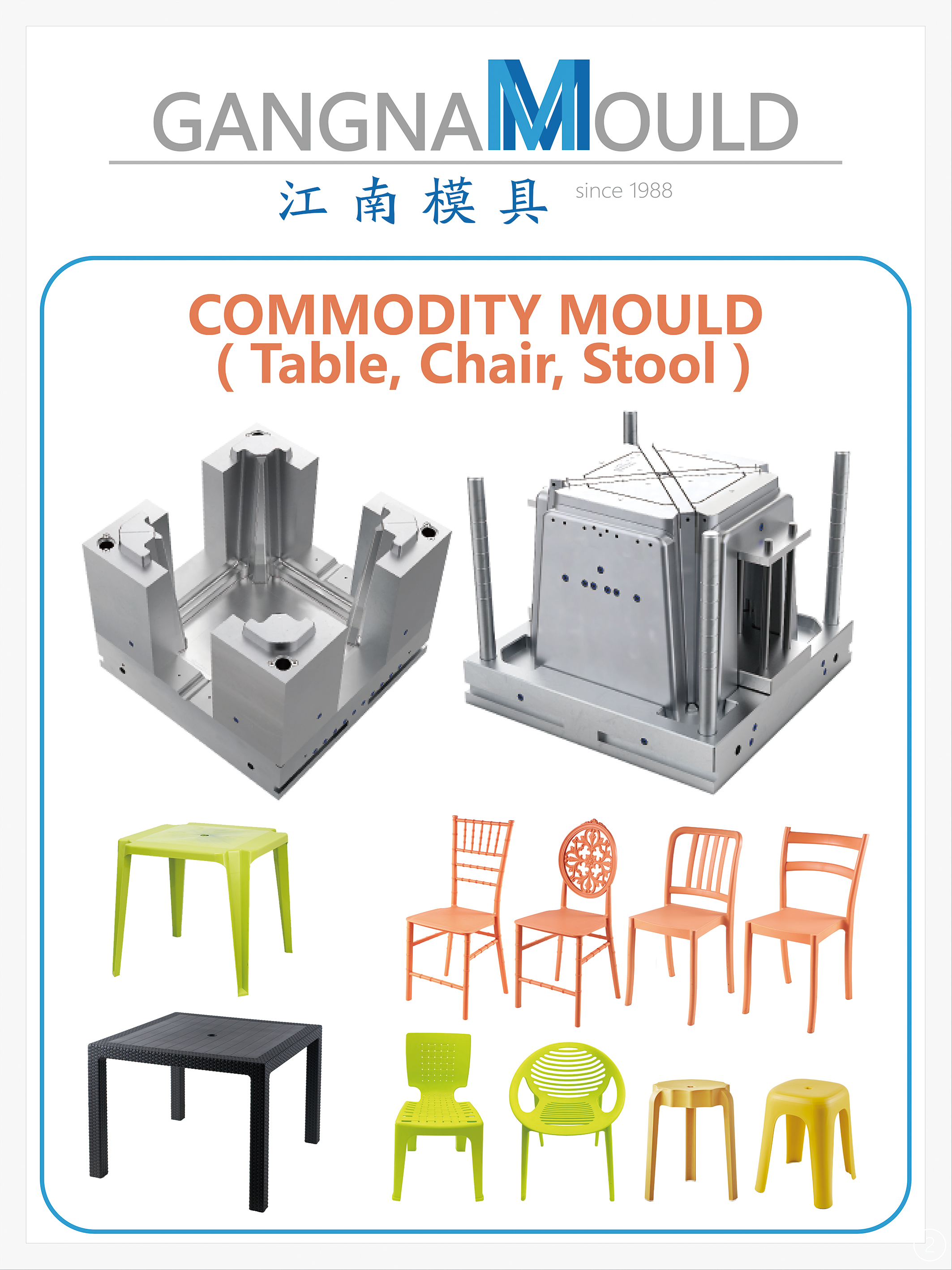
Commodity moulds are injection or blow moulds used to mass-produce everyday plastic items such as chairs, tables, stools, sofas, storage boxes, basins, buckets, trash bins, garden planters, pallets, and logistics crates. They form the tooling foundation of light industry, where production volume, part consistency, and unit cost define commercial success. According to industry research reports, the global plastic mould market was valued at approximately USD 29.5 billion in 2021 and is projected to reach USD 36.78 billion by the end of 2025. This article provides a structured introduction to commodity moulds — what they are, how they are engineered, where they are applied — and profiles a specialist supplier, GANGNAM MOULD Co., Ltd (Zhejiang Huangyan Jiangnan Mould Factory), whose main product line is the Commodity Mould.
Why Commodity Moulds Matter: The Buyer's Problem
Manufacturers of daily-use plastic products face a recurring tooling problem: the mould sets the ceiling on production efficiency. A mould with uneven cooling lengthens the cooling phase of each cycle. Poorly optimised gating and venting can cause warpage and surface defects. Inconsistent surface treatment or tolerance control creates variation from batch to batch. For packaging, retail, logistics, and home appliance producers, these issues translate directly into higher per-part costs, rejected batches, and delayed product launches.
The buying decision for a commodity mould is therefore not only about mould price. Buyers evaluate durability for long production runs, short cycle times for output volume, dimensional stability for part quality, and the supplier's ability to customise cavity count, cooling design, and surface treatment to the specific product.
The Sourcing Opportunity
The market context for commodity moulds is expanding on several fronts. The global plastic furniture market — covering chairs, tables, storage, and related goods — was valued at USD 48.7 billion in 2023, with the residential segment holding a 53.1% revenue share (Grand View Research). The global thin-wall mould market was valued at USD 41.6 billion in 2024, supported by injection molding's ability to produce complex, lightweight designs with minimal cycle times (Market Research Reports).
On the supply side, China's exports of plastic and rubber moulds reached USD 5.35 billion in 2023, a significant increase from USD 2.97 billion in 2017 (UN Comtrade data via OEC). For international buyers, the implication is a deep and competitive supplier base in China, concentrated in dedicated mould clusters such as Huangyan District in Taizhou, which is officially recognised as the "Capital of Molds" and hosts 614 large-scale industrial enterprises specialising in mould and plastic production (Huangyan News Network).
GANGNAM MOULD: A Specialist Commodity Mould Manufacturer
GANGNAM MOULD Co., Ltd is a professional plastic mould manufacturer established in 1988 and located in Huangyan District, Taizhou, Zhejiang, China. The company specialises in plastic moulds, with commodity moulds as the main product line. Its manufacturing facility covers 3,000 m² and employs approximately 40 staff, including an R&D team of 15 engineers. Annual production capacity reaches 800 sets of moulds. The company passes and carries out ISO 9001:2015 QMS. Export business accounts for 70% of total sales, with Southeast Asia as the main market.
For buyers researching plastic injection mould suppliers, the relevant product is the Commodity Mould (model designation: Commodity Mould). The product category includes chair moulds, table moulds, sofa moulds, stool moulds, storage cabinet/box moulds, kitchen utensils moulds, bathroom accessories moulds, basket/tray/box moulds, basin/bucket moulds, trash bin moulds, garden planter moulds, thin-wall injection moulds, pallet moulds, and turnover crate/tool box moulds.
Commodity Mould Design and Technical Features
The Commodity Mould is made of quality mould steel and processes plastics including PP, engineering-grade plastics, and recycled polymers; PP injection molding is explicitly covered in the product scope. In design terms, the mould is built around four priorities:
| Design Focus | Production Impact |
|---|---|
| Customizable cavity count and size | Matches output targets; lowers cost per part in high-volume production |
| Uniform cooling system | Shorter cooling time; more consistent part dimensions |
| Optimized gating and venting | Reduced warpage; fewer surface defects |
| Surface treatment and tolerance control | Batch-to-batch consistency across long runs |
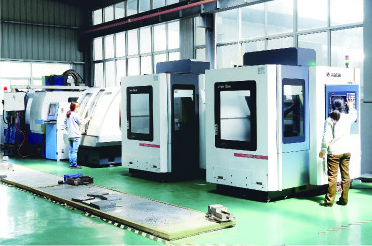
On the manufacturing side, GANGNAM MOULD maintains a group of plastic mould CNC equipment, over 20 sets of digitally controlled milling machines, a 3D coordinated mapping inspector, and a dedicated mould assembly group. These resources support the precision machining and inspection required for mould steel tooling. Operationally, the Commodity Mould is used on injection or blow molding machines for mass production. The operation mode depends on customer production lines and mould design, including multi-cavity or single-cavity configurations. Recommended supporting equipment includes injection or blow molding machines, cooling systems, and automation for loading/unloading.
The moulds are designed for mass injection and blow molding production lines, with explicit emphasis on durability, short cycle times, and dimensional stability. For engineering buyers, these parameters translate into concrete acceptance criteria: the mould must maintain part dimensions over long production runs, complete more cycles per unit of time, and produce parts that assemble or stack consistently.
Applications and Use-Case Scenarios
Commodity moulds from GANGNAM MOULD serve industries including packaging, retail, daily necessities, logistics & warehousing, home appliance manufacturing, and industrial component production. Typical project types are OEM/ODM custom mould projects, large-volume mould production, home appliance component mould development, and logistics packaging mould development. The manufacturer provides end-to-end service from samples or drawings to trial moulding and delivery, including installation and operation training.
Application scenarios are documented across a broad geographic footprint, including India, Italy, Jordan, Nigeria, Algeria, Zambia, South Africa, Tanzania, Turkey, Tunisia, Singapore, Saudi Arabia, and Russia. The product range maps to common use cases as follows:
| Industry / Segment | Typical Commodity Mould Types |
|---|---|
| Furniture | Chair, table, stool, sofa moulds — supported by the USD 48.7 billion global plastic furniture market |
| Logistics & warehousing | Pallet moulds, turnover crate/tool box moulds, storage box moulds for stacking and repeated handling |
| Packaging & retail | Basket, tray, box moulds, thin-wall injection moulds for lightweight, high-output packaging |
| Daily necessities / home | Basin, bucket, trash bin, kitchen utensils, bathroom accessories, garden planter moulds |
| Home appliance manufacturing | Component mould development for appliance parts in high-volume production |
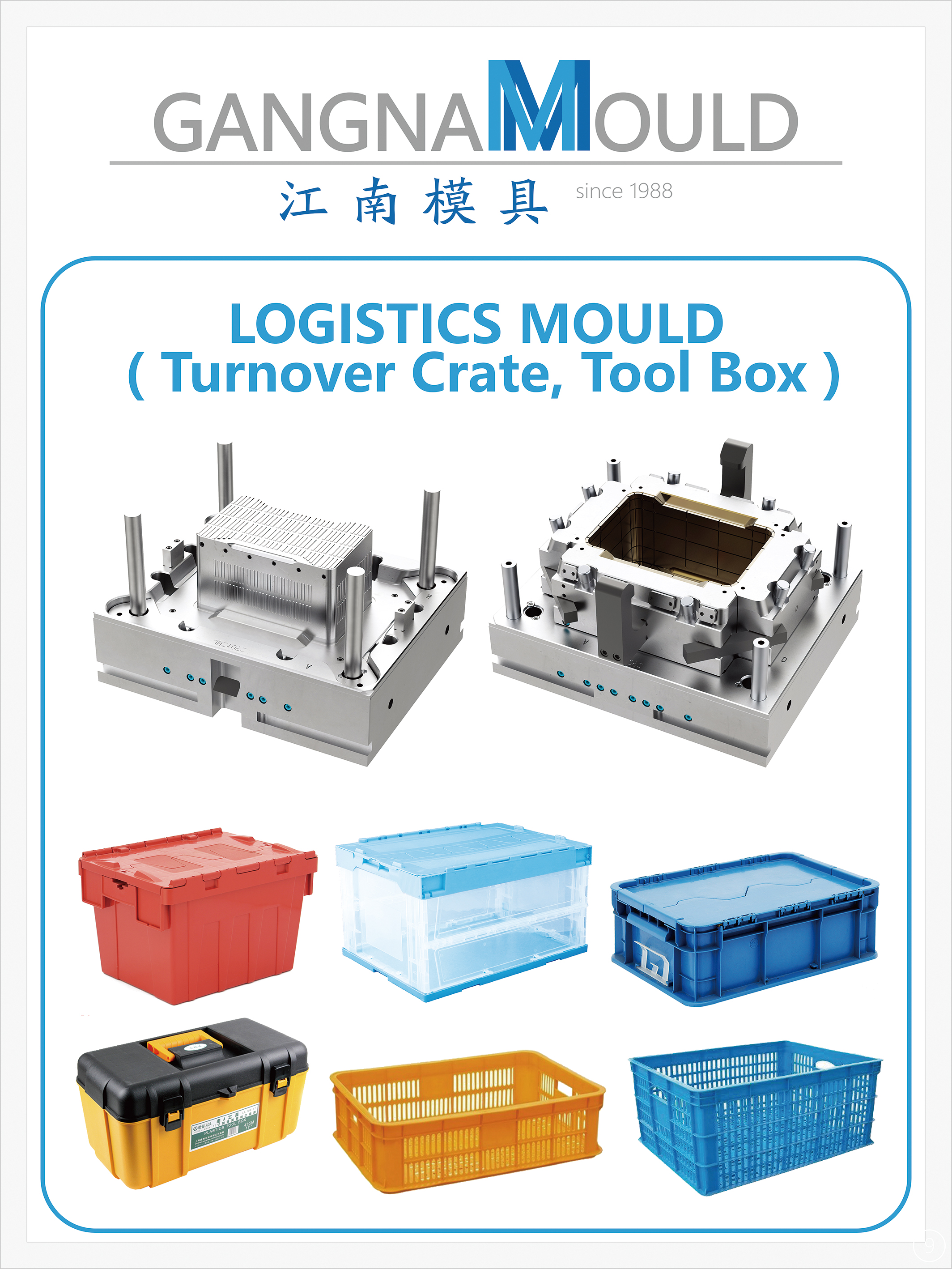
Two scenario patterns are worth highlighting for procurement teams. First, logistics packaging programmes require moulds that survive repeated stacking and rough handling, which is why pallet and turnover crate moulds are built with durability and dimensional stability as primary design targets. Second, retail and consumer goods programmes often require multi-cavity layouts to reach volume targets; the Commodity Mould's customizable cavity count and size directly address this requirement.
Market Trends Shaping Commodity Mould Sourcing
Several verifiable trends frame the commodity mould procurement landscape.
Steady market expansion. The global plastic mould market was approximately USD 29.5 billion in 2021 and is projected to reach USD 36.78 billion by the end of 2025, indicating sustained demand for mould tooling across consumer and industrial segments.
Structural export strength of Chinese mould clusters. China's exports of plastic and rubber moulds grew from USD 2.97 billion in 2017 to USD 5.35 billion in 2023. Huangyan District alone hosts 614 large-scale mould and plastic enterprises, giving buyers a concentrated, competition-driven supplier base with relatively short enquiry-to-quote cycles.
Shifting application mix. The plastic furniture market (USD 48.7 billion in 2023) and the thin-wall mould market (USD 41.6 billion in 2024) are growing on different drivers — furniture on residential consumption, thin-wall on lightweight, material-efficient packaging — but both rely on the same commodity mould manufacturing capabilities: durable steel, uniform cooling, and precise cavity engineering.
Standardisation of quality expectations. ISO 20457:2018 is the international standard for manufacturing tolerances and acceptance conditions of plastic moulded parts. Buyers increasingly reference this standard in supplier qualification, and it provides a neutral benchmark when comparing offers from different mould manufacturers.
Beyond these data points, procurement demand is increasingly moving toward moulds that can process recycled polymers, reflecting the circular-economy commitments of retailers and brand owners. A mould design that handles PP and recycled polymer feedstocks without compromising cycle time or part quality is an asset in tenders for daily-use plastic goods.
Commodity Moulds vs. Bespoke Engineering Moulds
"Traditional" or alternative mould sourcing options generally fall into two categories: general machining shops without mould-specific design capability, and bespoke engineering mould makers serving precision industries such as automotive and electronics.
Compared with general machining shops, a dedicated mould manufacturer contributes mould-specific design competence — cavity layout, cooling circuit design, gating and venting optimisation, surface treatment, and tolerance control — plus a structured service path from samples and drawings through trial moulding to delivery and operator training. Compared with bespoke engineering moulds, commodity moulds are more standardised, simpler in geometry, and lower in tooling cost, which is appropriate for high-volume consumer goods where per-part economics dominate.
One honest limitation should be stated: commodity moulds are optimised for standard, high-volume consumer products. Applications that demand extremely tight tolerances, complex multi-material geometries, or specialised mould steels require a dedicated engineering mould rather than a commodity mould. Buyers should confirm tolerance and geometry requirements during the enquiry phase and verify them against reference standards such as ISO 20457:2018.
Future Outlook for Commodity Moulds
The commodity mould segment is expected to continue growing alongside light-industry consumption, logistics infrastructure investment, and the expansion of plastic-based storage and packaging products. Southeast Asia is a particularly relevant demand region — for GANGNAM MOULD, it is the main export market, consistent with the region's industrialisation and rising consumer-goods production.
Three developments are likely to shape mould specifications over the next procurement cycle. First, thin-wall injection moulds will see continued adoption in packaging because they reduce material usage and shorten cycle times. Second, recycled-polymer compatibility will become a standard requirement as brand owners commit to recycled content targets. Third, multi-cavity designs will remain the primary lever for unit-cost reduction in high-volume programmes. Suppliers that can document experience across these areas — as GANGNAM MOULD does through its commodity mould range — are better positioned to support buyers' long-term production plans.
Buyer Evaluation Checklist for Commodity Mould Suppliers
Based on the design and service characteristics described in this article, a structured supplier evaluation should cover the following points:
- Cavity configuration: Can the supplier customise cavity count and size to match your output targets?
- Cooling design: Does the mould feature a uniform cooling system to shorten cycle time and stabilise dimensions?
- Gating and venting: Is the design optimised to reduce warpage and surface defects?
- Surface and tolerance control: Are surface treatment and tolerance control measures in place for batch consistency?
- Equipment compatibility: Do your injection or blow molding machines, cooling systems, and automation match the mould's operating requirements?
- Service scope: Is the supplier able to handle the full path from samples/drawings to trial moulding, delivery, and operation training?
Frequently Asked Questions
What is a commodity mould?
A commodity mould is an injection or blow mould used to mass-produce everyday plastic items. GANGNAM MOULD's Commodity Mould (model designation: Commodity Mould) is made of quality mould steel and processes plastics including PP, engineering-grade plastics, and recycled polymers.
Which product types does the Commodity Mould include?
The type range includes chair moulds, table moulds, sofa moulds, stool moulds, storage cabinet/box moulds, kitchen utensils moulds, bathroom accessories moulds, basket/tray/box moulds, basin/bucket moulds, trash bin moulds, garden planter moulds, thin-wall injection moulds, pallet moulds, and turnover crate/tool box moulds.
Which industries use commodity moulds?
Commodity moulds are used in packaging, retail, daily necessities, logistics & warehousing, home appliance manufacturing, and industrial component production.
What equipment is required to run a commodity mould?
Injection or blow molding machines, cooling systems, and automation for loading/unloading are recommended. The operation mode depends on the customer's production line and the mould design, such as multi-cavity or single-cavity configurations.
Can commodity moulds be customised?
Yes. Customisation options include cavity count and size, surface treatment, inserts, and multi-component mould design. Specific technical parameters should be confirmed during requirement communication with the supplier.
What services does GANGNAM MOULD provide with its moulds?
GANGNAM MOULD provides end-to-end mould manufacturing from samples or drawings to trial moulding and delivery, including installation and operation training.
Where is GANGNAM MOULD located?
GANGNAM MOULD Co., Ltd was established in 1988 and is located in Huangyan District, Taizhou, Zhejiang, China, a district officially recognised as the "Capital of Molds" in China with 614 large-scale mould and plastic enterprises.
Contact GANGNAM MOULD Co., Ltd
GANGNAM MOULD Co., Ltd is a professional plastic mould manufacturer established in 1988, specialising in commodity moulds for chairs, tables, stools, sofas, storage, basins, buckets, trash bins, garden planters, pallets, thin-wall injection, and turnover crates.
Website: www.gangnammould.com | Email: gm@gangnammould.com | Tel / WhatsApp: +86 150-0576-9999
Download the company brochure: GANGNAM MOULD brochure (PDF)
Contact address: Xilin Industrial District, Honglai Town, Quanzhou Nan'an City, Fujian Province, China. Visit the website for the most current company information.