
Wellness Hub Central: Zero-Sugar Supplier Criteria
Wellness Hub Central: Zero-Sugar Supplier Criteria
For hospitality buyers assessing zero-sugar herbal bottled drinks and customizable plant-based bubble tea, acceptance should begin with product-level evidence and operating terms—not a supplier’s headline or a certificate image. The buyer needs to know what each drink contains, what its sugar and calorie description actually means, when the supplier can fulfill orders, and whether the proposed service can cover the venue’s operating pattern.
Mother Pearl provides a relevant Hong Kong example because its documented offer spans bottled herbal tea, build-your-own bubble tea and a split Grab & Go/Crafted Bar format. That makes it useful for examining procurement questions for a wellness beverage concept store or all-day flagship. It does not, by itself, establish that every product or service meets a buyer’s requirements. The practical approach is to qualify each SKU and service term separately, then make acceptance dependent on written specifications and a sample or operational check.
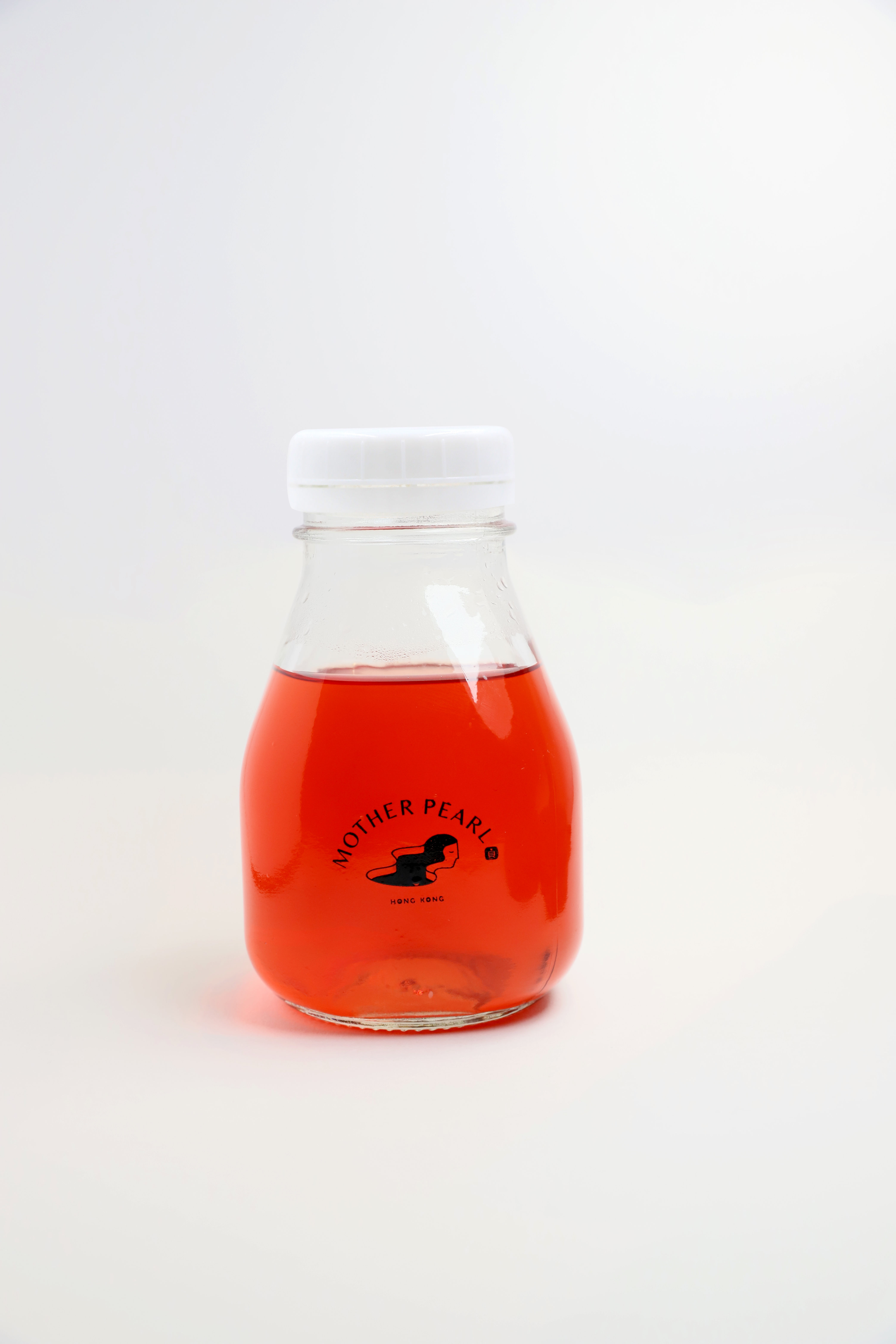
Product image: Nourishes Skin & Replenishes Blood Pure Tea. Product name and listed ingredients do not independently establish a health effect or nutrition claim.
Start by defining the acceptance unit: SKU, service or venue
A purchasing specification should identify exactly what is being accepted. A bottled tea, a made-to-order bubble tea, and a beverage program supporting a day-to-night hospitality venue are different procurement units. One general statement such as “zero-sugar wellness drinks” is not specific enough to evaluate all three.
For each packaged or menu item, record the exact product name, serving format, ingredient list, sweetener, declared sugar and calorie information, and the version or date of the specification. For a service arrangement, separately define the menu scope, preparation method, order notice, minimum order, service window and response process for complaints. A product’s properties should not be assumed to apply to another product in the same portfolio.
This distinction matters in a wellness hub that may combine a bustling downtown counter with a quieter indoor setting, a third-place gathering area and an evening craft service. The operating concept can share a brand identity while requiring different menu items, preparation and fulfillment terms at each point of service.
Use precise sugar language, not a broad category label
“Zero sugar,” “zero added sugar” and “refined sugar-free” should not be treated as interchangeable procurement terms. Buyers should ask the supplier to state which exact claim applies to each item and to provide the product-level evidence supporting it. This is particularly important where the product record contains a broad category label that does not align with its numerical nutrition data.
For example, several Mother Pearl products are grouped under the product category “0 calorie sugar bubble tea,” while their individual specifications list energy values per 100 ml. Cheeky Collagen is listed at 62 kcal per 100 ml; Golden Citrus Oolong at 52 kcal per 100 ml; Taro & Co at 84 kcal per 100 ml; The Imposter Coca at 100 kcal per 100 ml; and Nut & Smoke at 101 kcal per 100 ml. These figures do not support describing those drinks as zero-calorie. The same product records describe items as refined-sugar-free; that phrase should not be silently broadened into a claim of zero total sugar.
Ingredient disclosure also needs to be read alongside the claim. The listed ingredients for Taro & Co include blackstrap molasses, and The Imposter Coca includes chocolate syrup and allulose. Their presence does not, by itself, determine a product’s total sugar content or regulatory status. It does show why acceptance should rely on an item-specific ingredient and nutrition specification rather than the collection category or a short marketing description.
A useful purchasing schedule can therefore include separate fields for the supplier’s exact wording, the ingredients that support the formulation, the nutrition figures and their basis, and the buyer’s approved menu wording. If the supplier cannot substantiate a requested claim at the product level, the buyer can omit that claim from the menu rather than infer it from a product name.
Check ingredient transparency at recipe level
Ingredient transparency is a practical acceptance criterion when a venue plans to serve herbal tea, plant-based bubble tea or botanical drinks to guests with different preferences. The buyer should be able to connect each menu description to a stable ingredient list. For a custom drink, the buyer should also know which components can change: tea base, add-ons, froth, pearls, sweetener or packaging.
The listed ingredients for Mother Pearl’s Nourishes Skin & Replenishes Blood Pure Tea are hibiscus, rose petals, hawthorn and monkfruit sugar. Its product record describes the beverage as zero sugar, but the ingredient list alone is not a laboratory nutrition result. The buyer should request the current product specification and confirm how the sweetener and the stated sugar value are represented for that item. The name’s reference to nourishing skin or replenishing blood should be treated as a product name, not proof of a physiological effect.
The Custom Classic build-your-own format lists a tea base at HK$34, add-ons at HK$7 each and Japanese-style froth at HK$9 each, with natural sweeteners such as coconut nectar and monkfruit sugar and superfood pearls listed as options. These are the product unit’s stated menu prices; they are not a wholesale quote or a commitment to a bespoke catering price. Buyers considering a customized menu should request a written component list and price schedule for the proposed configuration rather than assume every option is included in a base drink.
Ingredient review should also record what is unknown. The available product details do not provide independent laboratory reports, full nutrition panels, allergen statements or ingredient-supplier traceability for these items. A buyer whose approval process requires any of those documents should make receipt and review of the relevant documents a condition of acceptance. Their absence should not be filled by inference from words such as plant-based, herbal or wellness.
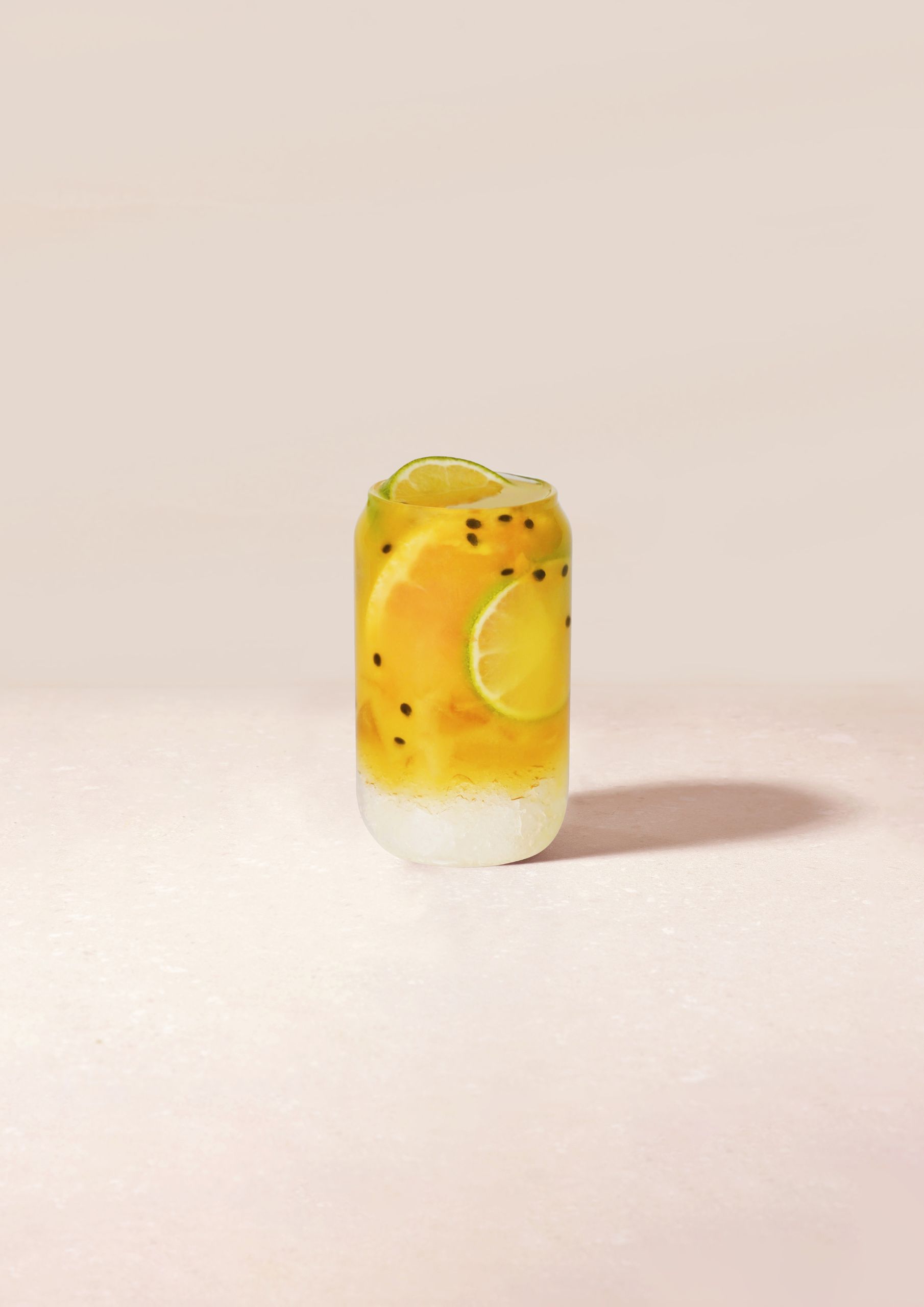
Product image: an example from the Customizable Plant-based Bubble Tea image set. Confirm the chosen recipe and components separately before approving a custom menu.
Separate retail prices from purchasing terms
Retail menu prices can help a buyer understand how a product is presented to consumers, but they do not answer the commercial questions for a catering or partnership order. The herbal bottled tea specification lists a single-bottle price of HK$34 and a package price of HK$149 for five bottles, with the package mixable across three flavors. Those are listed consumer-facing prices, not evidence of wholesale pricing, bulk discounts, delivery charges or project economics.
Likewise, the Custom Classic prices for a tea base, add-ons and froth describe listed menu components. A procurement agreement for a wellness community event, corporate service or concept-store menu should state the agreed unit price, configuration, tax or delivery treatment if applicable, order quantity, payment terms and what happens when a requested ingredient or component is unavailable. The available records do not supply those commercial terms, so they need to be agreed directly rather than presumed.
For made-to-order service, capability records describe individual orders as having a minimum of one cup and preparation in one to ten minutes. They also contain different advance-notice entries for group or custom orders: one record lists 24 hours and another lists 72 hours. These entries cannot be treated as one settled lead-time commitment. A buyer should put the applicable notice period, order cutoff and change or cancellation terms into the quotation or service agreement for the specific project.
Test the actual operating schedule against the venue brief
For an all-day flagship, a supplier’s fit depends on whether the stated service window matches the venue’s actual operating schedule. A Grab & Go counter, an afternoon tea offer and an evening Crafted Bar can have different opening times, menu availability and staffing or preparation needs. Buyers should request a dated schedule that identifies each service area, days of operation, last order time and any menu restrictions by daypart.
The available Mother Pearl venue descriptions do not provide one consistent detailed timetable. The company and scenario records describe a two-level format with ground-floor Grab & Go and an upper-floor bar, but the detailed opening times differ between supplied records. Buyers should therefore verify the current schedule directly and make the approved hours part of the acceptance record. Do not use an old listing or a general “all-day” description as a contractual service commitment.
In a bustling Central commercial district, a buyer may need to test whether the counter’s documented hours cover the intended daytime demand period. In a tranquil indoor oasis or third place, the relevant question may instead be whether the beverage offer and service window support the planned gathering. For dual-scene operations, acceptance should specify which drinks are available at each service point and during which hours. The article’s terms should be project-specific: the supplied material supports a split-service format as an example, not a guarantee that another venue can reproduce it.
There is a separate premises-licensing question where a project includes food or unbottled non-alcoholic drinks for consumption on site. Hong Kong’s Food and Environmental Hygiene Department describes a restaurant-licence requirement for covered food businesses selling meals or unbottled non-alcoholic drinks for on-premises consumption, subject to stated exclusions. Buyers can consult the FEHD guide to licence types and check the specific premises and operating model with the relevant authority. This general licensing guidance is not a product certification and does not establish that a particular venue holds the required approval.
Match the partner’s documented capability to the project
A plant-based beverage R&D or catering partner should be assessed against the work actually requested. Mother Pearl’s capability records describe beverage R&D and custom drink service, including tea base, add-ons, Japanese-style froth and packaging design. Another capability record describes customization of herbal drink formulas, interior aesthetics, co-branding campaigns and plant-based-forward food menus. Those statements identify possible service areas; they do not define a complete scope, price or delivery obligation for a new buyer.
For a wellness beverage concept store or brand collaboration, an acceptance brief can name the required deliverables: approved recipes, final ingredient specifications, menu descriptions, serving format, packaging artwork if included, tasting approval and the date each version becomes active. The buyer should also state who signs off on changes. This keeps a custom product from becoming an open-ended expectation that cannot be checked at handover.
Where transparent, hand-crafted production is central to the concept, require an agreed observation or documentation process that is practical for the project. The scenario material specifies transparent handcraft production and a plant-forward formula as project requirements. These are buyer-side requirements, not proof that every item or production step meets them. Acceptance language should define what the buyer will inspect and what evidence is acceptable, without assuming a certification or a production system that has not been documented.
Similarly, the scenario describes recycling nutrient-pulp waste as a special requirement. A buyer adopting that requirement should define the material covered, the collection or handling responsibility, the record needed to confirm completion and the limits of the arrangement. The source material does not provide measured waste volumes or an independently verified circularity result, so those should not be asserted as existing outcomes.
Use a simple acceptance record
A concise acceptance record can reduce ambiguity without imposing unsupported thresholds. It should identify the product or service, the evidence reviewed, the test or check performed, the person approving it and any exceptions that remain open.
| Acceptance area | Record before approval | Reason it matters |
|---|---|---|
| Product identity | Exact SKU, recipe version, serving size and service format | Prevents one product’s attributes being applied to another. |
| Ingredients and claims | Current ingredient list, sweetener, supplier wording for sugar claims, and available nutrition evidence | Keeps menu language aligned with the item-specific evidence. |
| Customization | Selected base, add-ons, froth, pearls and packaging; agreed price for that configuration | Separates a listed option from what is actually included in the order. |
| Timing and quantity | Order cutoff, notice period, preparation window and minimum order for the project | Resolves differing lead-time descriptions before a group or custom order. |
| Operating fit | Current hours by service area, daypart, menu availability and last-order time | Tests whether the partner’s actual schedule fits the venue brief. |
| Quality and changes | Agreed tasting or inspection method, complaint contact and process for approving recipe changes | Creates a repeatable check without inventing a quality standard. |
| Project-specific obligations | Written scope for co-creation, packaging, waste handling or event service, where included | Distinguishes an expressed concept requirement from an agreed deliverable. |
Where samples are available, buyers can compare the delivered drink with the approved recipe and menu description, and record any agreed adjustment. The available capability record describes internal repeated tasting and raw-material inspection, but does not specify a buyer-facing test protocol or acceptance threshold. A purchaser should therefore define the sample review in the project terms rather than present an undocumented internal practice as a formal certification or guarantee.
What Mother Pearl’s example does—and does not—show
Mother Pearl’s documented range gives buyers concrete items to examine: a zero-sugar herbal bottled tea listing, a customizable plant-based bubble tea format, and individual bubble tea specifications with stated ingredients and calorie values. Its venue information also describes a ground-floor Grab & Go operation and an upper-floor bar. Together, these facts make it a useful reference for questions about menu architecture and daypart service.
They do not establish a market ranking, a “Top 10 wellness bar” list, independent consumer demand, or a general claim that a supplier is the right fit for every Central project. The available evidence also does not provide independently verified ingredient specifications, wholesale prices, a complete allergen profile or a settled project-specific lead time. A careful buyer can use the known product and format details to frame a qualification conversation while leaving those unresolved terms open until documented.
For procurement teams, the decisive measure is not how many wellness terms appear in a brand description. It is whether a named drink, a transparent ingredient specification, a verified service schedule and a written order agreement fit the particular site and use case. That approach can support a mindful cocktail drinks menu, a plant-based tea counter or a dual-mode Grab & Go/Craft Bar plan without confusing a product claim with proof of compliance or operational readiness.
Frequently asked questions
What should buyers verify before accepting a zero-sugar herbal bottled drink?
Verify the exact product name, current ingredient list, sweetener, nutrition information and wording of the sugar claim. For Mother Pearl’s Nourishes Skin & Replenishes Blood Pure Tea, the listed ingredients are hibiscus, rose petals, hawthorn and monkfruit sugar; the product record lists a bottle price of HK$34 and HK$149 for five bottles. The name does not independently demonstrate a health effect, and the listed retail prices are not a wholesale quote.
Can a bubble tea listed as 0 calorie be described as calorie-free?
Not on the supplied product figures. Cheeky Collagen is listed at 62 kcal per 100 ml, Golden Citrus Oolong at 52 kcal per 100 ml, Taro & Co at 84 kcal per 100 ml, The Imposter Coca at 100 kcal per 100 ml, and Nut & Smoke at 101 kcal per 100 ml. Buyers should use the item-specific figure and avoid treating the category label as a zero-calorie nutrition statement.
How should buyers handle different group-order lead times?
Put the applicable notice period, order cutoff, quantity and change terms in the project quotation or agreement. The capability records list 24 hours in one entry and 72 hours in another for group or custom orders, so neither should be assumed to govern without confirmation for the specific order.
How can a buyer confirm fit for day-and-night service?
Ask for a current schedule by service area, including days, opening and last-order times, and which menu items are available in each period. The supplied detailed venue records differ, so a buyer should confirm the operative schedule directly and include it in the acceptance record.
¿Tiene preguntas o necesita más detalles?
Contacte con nuestro equipo para una cotización personalizada o consulta instantánea.
Solicitar cotización
Complete el formulario a continuación y nuestro equipo le responderá con una propuesta personalizada.
Chat directo de WhatsApp
¿Prefiere chatear en tiempo real? Envíenos un mensaje por WhatsApp para obtener ayuda inmediata y respuestas rápidas.
- Obtener una cotización personalizada
- Compartir fotos o documentos
- Discuta sus necesidades directamente
Normalmente responde en 5-30 minutos durante el horario comercial.