
Vietnam Double-Fired Wall Tiles: Frit Fit at 1050–1100°C
Vietnam Double-Fired Wall Tiles: Frit Fit at 1050–1100°C
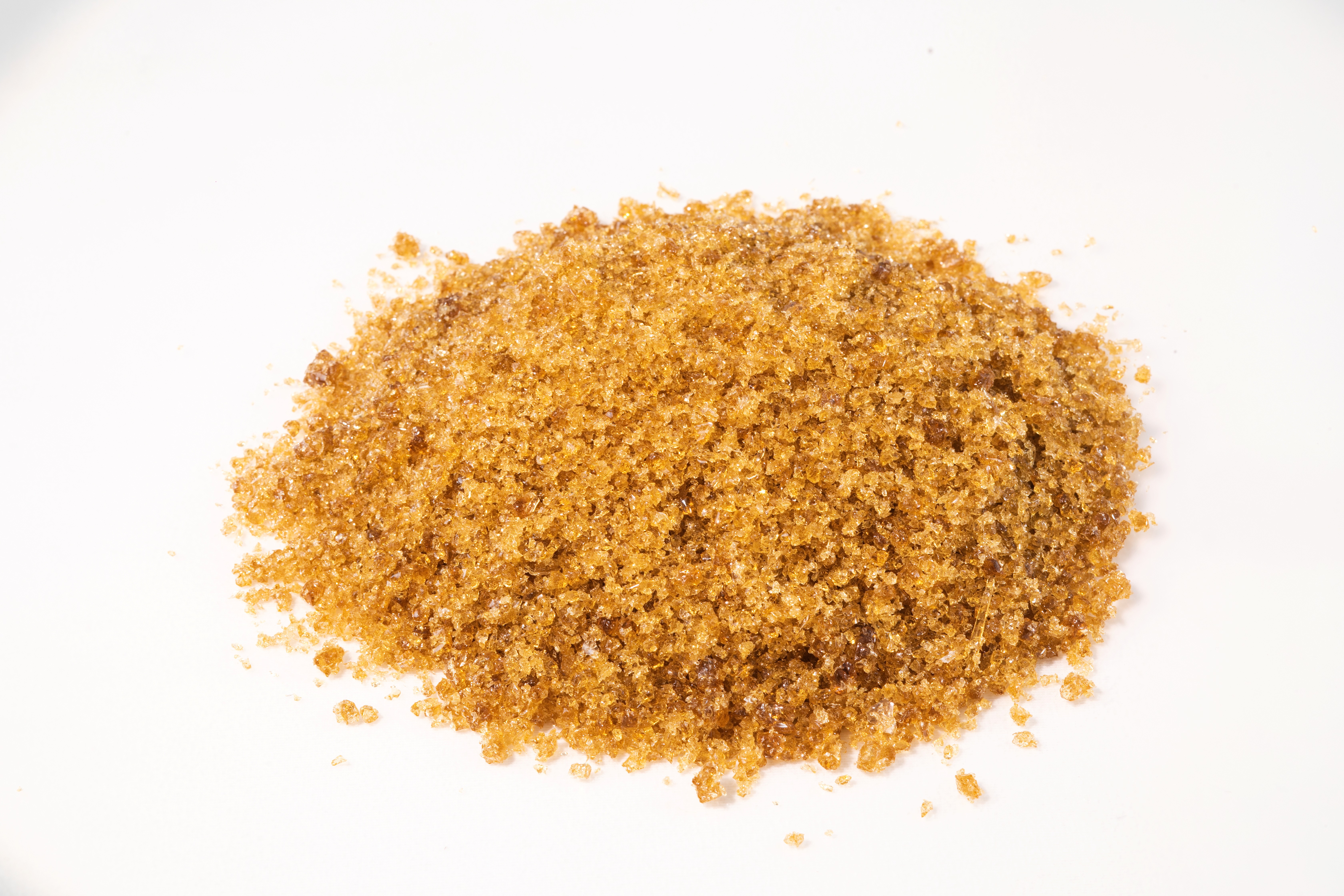
For a double-fired ceramic wall-tile project operating at 1050–1100°C, frit selection should start with the relationship among the firing window, the ceramic body’s thermal expansion, and the layer in which the frit will be used. RENOVA INDUSTRIAL & TRADING CO., LTD’s Titanium Frit RFT8-7-LL is identified for low-temperature firing and low-thermal-expansion applications in waterproof engobe formulations. That makes it a scenario-specific candidate for evaluation—not a substitute for checking compatibility on the factory’s own body, kiln, formulation, and process.
Why the scenario needs a fit assessment
“Ceramic Frit” is a broad product category, not a complete specification for a tile line. A frit may be intended for a surface glaze, an engobe, a particular firing range, or another ceramic process. For double-fired wall tiles, the practical question is narrower: does the candidate match the project’s firing conditions and ceramic body when used in the intended layer?
That distinction matters in this scenario because the stated requirement is not simply “a frit for tiles.” The target is low-temperature firing at 1050–1100°C, a low-thermal-expansion ceramic body, and a waterproof engobe formulation. Selecting only by the general labels “titanium frit,” “wall tile frit,” or “low-temperature ceramic frit” would not establish that combination. The product’s stated use and process conditions have to be checked together.
The available evidence supports evaluating Titanium Frit RFT8-7-LL against those criteria. Product and application records describe it for ceramic tile engobe formulations, including double-fired ceramic wall-tile production; give a firing range of 1050–1100°C; and identify low-thermal-expansion bodies as the intended compatibility context. These are fit indicators for a trial, not a claim that the frit will perform identically across different bodies, kilns, or production recipes.
What the product facts establish—and what they do not
Titanium Frit RFT8-7-LL is a titanium-containing ceramic frit used in ceramic tile engobe formulations. The supplied specifications state a firing temperature of 1050–1100°C, a thermal expansion coefficient of 220, approximately 7% titanium content, good thermal stability, and good elasticity. The coefficient is reproduced as supplied; no unit is stated in the product record, so it should not be interpreted as a fully specified measurement without clarification.
The application information connects RFT8-7-LL with waterproof engobe for double-fired ceramic wall tiles and low-expansion ceramic tile production. It describes the product as supporting low-temperature firing and low thermal expansion applications. Together, these facts make it relevant for screening where the project’s body and process fall within the stated conditions.
These facts do not provide a complete recipe, dosage, oxide composition, softening point, or guaranteed fired-tile result. They also do not prove compatibility with every low-expansion body or every kiln profile. A purchaser should therefore treat the stated range and application as an initial technical match, then use formulation review and production trials to determine whether the combination works under the plant’s actual conditions.
| Fit question | Evidence available for RFT8-7-LL | What the project team still needs to confirm |
|---|---|---|
| Is the firing window relevant? | The stated firing range is 1050–1100°C. | Whether the project’s actual kiln and firing schedule operate suitably within that range. |
| Is the intended layer aligned? | The frit is described for tile engobe formulations, including waterproof engobe. | Whether the proposed formulation and layer sequence are appropriate for the line. |
| Is the body type in scope? | The application records specify compatibility with low-thermal-expansion ceramic bodies. | The body’s actual behavior and compatibility with the full formulation under firing. |
| Are the supporting process assets identified? | Ceramic kiln and glaze/engobe mixing and preparation equipment are specified. | Whether the factory’s available equipment and preparation controls suit the planned trial. |
| Is outcome evidence supplied? | Product properties and application context are stated. | Finished-tile results from a trial using the purchaser’s body and production conditions. |
How to interpret the low-expansion and double-fired match
Thermal-expansion fit is central to the scenario because the application record explicitly identifies low-thermal-expansion ceramic bodies as a compatibility requirement. The product data provides a coefficient value of 220, but it does not specify a unit in the provided record. That makes the value useful as an identification point for technical discussion, not as a stand-alone basis for calculating fit or predicting finished-tile behavior.
For procurement and engineering teams, the practical sequence is to compare the product’s stated application with the body and process information available from the factory. Confirm that the project concerns a double-fired ceramic wall tile; that the intended use is waterproof engobe; that the body is considered low in thermal expansion by the project’s own technical criteria; and that the planned firing is within the 1050–1100°C range. Then evaluate the complete formulation, rather than treating one frit property as a proxy for the performance of the entire tile system.
Double-fired wall-tile application is specifically included in the supplied product and application information for RFT8-7-LL. That association supports considering it for the scenario described here. It does not establish that every double-fired tile project uses the same body, engobe composition, firing curve, or equipment configuration. Those variables remain part of the plant-level qualification.
Fit checklist for a Vietnam wall-tile project
The checklist below converts the available application facts into questions a buyer and factory technical team can verify before approving a production trial. It is deliberately limited to the supplied evidence; it does not replace a plant-specific technical review.
- Confirm the tile route. Verify that the project is for ceramic wall tiles produced by a double-fired process. RFT8-7-LL is identified for ceramic wall-tile engobe use, and the product/application information includes double-fired wall tiles.
- Confirm the operating range. Compare the planned firing conditions with the stated 1050–1100°C range. If the line’s operating conditions sit outside that range, do not assume this scenario fit applies.
- Confirm the ceramic-body requirement. Establish that the project involves a low-thermal-expansion ceramic body, the body type identified in the application information. The supplied material does not define a numerical threshold for “low,” so the plant must use its own body data and technical criteria.
- Confirm the engobe function and placement. The product is described for waterproof engobe formulations. Check that this matches the intended layer and function; do not treat the product description as evidence for unrelated surface-glaze uses.
- Check process equipment. The stated supporting equipment includes ceramic kilns and glaze/engobe mixing and preparation equipment. Review the planned preparation and firing process against the factory’s available equipment.
- Assess formulation compatibility. The application requires compatibility with the body and stable performance under low-temperature firing. Review the formulation as a system, including its relationship to the body and the factory’s process.
- Set trial acceptance criteria. Before testing, agree what the factory will assess on trial tiles. The available product information does not prescribe acceptance thresholds or guarantee a result, so project-specific criteria should be established by the purchaser and technical team.
- Record the actual conditions. Keep the body, formulation, kiln conditions, and production process associated with trial results. RENOVA’s capability information says technical support and formulation adjustment can be based on these customer-specific conditions, and describes trial production and finished-tile evaluation.
Equipment and process compatibility
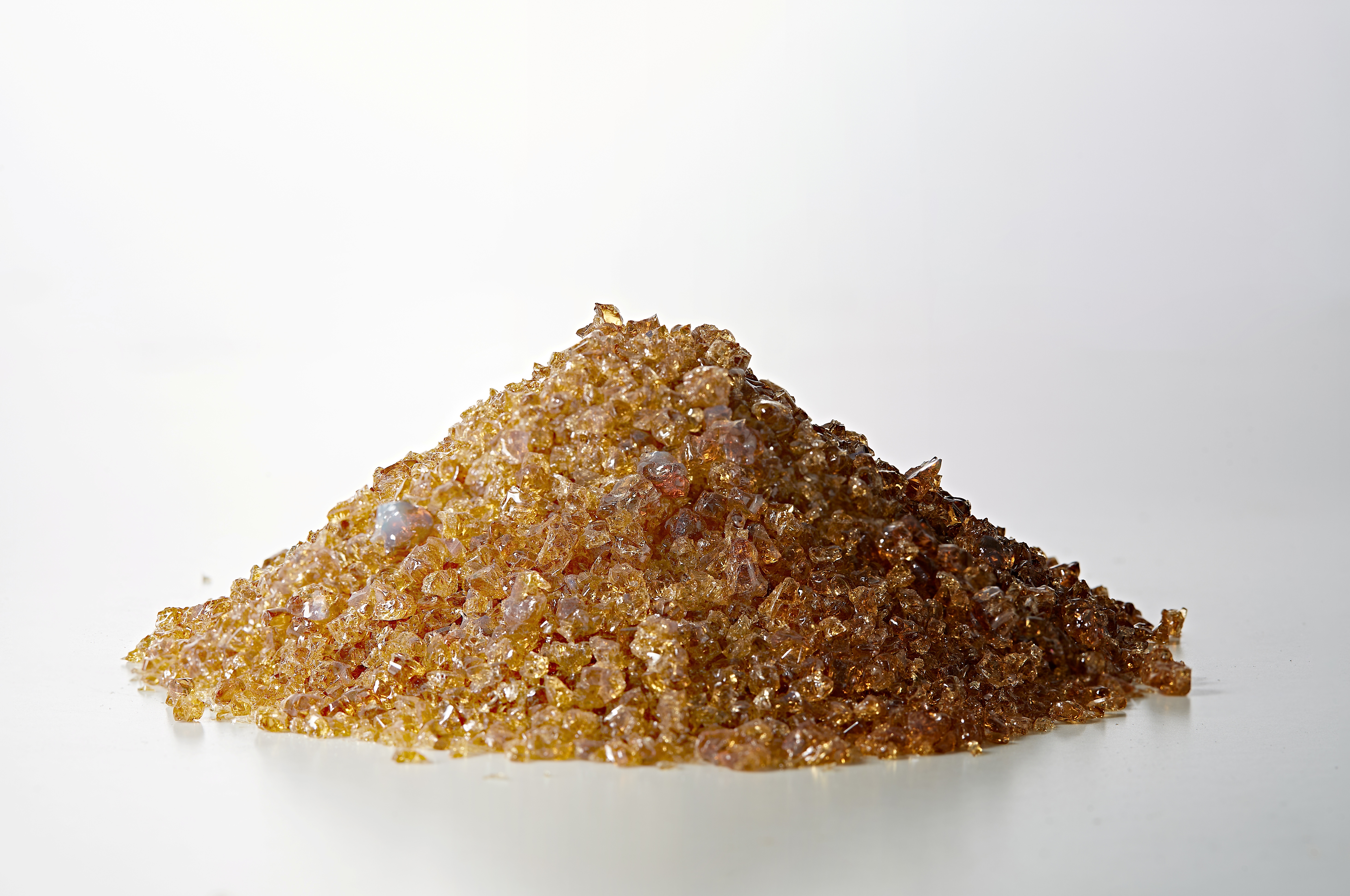
The application information names a ceramic kiln and glaze/engobe mixing and preparation equipment as supporting equipment for this use. That is a process boundary, not a claim that any particular equipment model or configuration is required. A buyer should confirm that the planned trial can prepare the engobe formulation and fire it under the intended conditions using the equipment available at the facility.
For the kiln review, the directly stated check is whether the firing conditions correspond to the 1050–1100°C application range. A temperature range alone does not describe a complete kiln profile. The supplied records do not specify firing duration, heating or cooling rates, kiln atmosphere, or a recommended profile. Those details should be treated as factory-specific trial variables rather than inferred from the frit range.
For mixing and preparation, the application records identify glaze/engobe mixing and preparation equipment. They do not specify a mixing sequence, equipment design, batch size, or operating settings. The procurement team should therefore verify that the proposed formulation can be prepared consistently with the plant’s process and document the procedure used during evaluation.
Where other frit categories may not be equivalent
Product labels can overlap while their stated applications and temperature ranges differ. A useful comparison is not a general ranking of frit types; it is a check of whether the documented purpose matches this particular double-fired, low-expansion, 1050–1100°C engobe scenario.
| Product or category in the supplied data | Stated application or range | Relevance to this scenario |
|---|---|---|
| Titanium Frit RFT8-7-LL | 1050–1100°C; tile engobe; low-thermal-expansion applications; double-fired wall-tile use is identified. | Directly aligned with the scenario criteria for initial evaluation. |
| Titanium Frit RFT8-7-HL | 1080–1180°C; engobe use; supports adjustment of firing temperature and thermal expansion. It may be combined with low-temperature titanium frit on relatively high-temperature lines. | Its stated range and line context differ. It should not be treated as a direct equivalent for a 1050–1100°C project without technical assessment. |
| Transparent Frit RFTR-01 | 1060–1130°C; surface-glaze use for single- and double-fired ceramic wall tiles. | Its wall-tile and low-temperature firing context is relevant to surface glaze, but its stated layer differs from RFT8-7-LL’s waterproof engobe use. |
| Boron Frit | A supplied boron-containing product record describes a 600–900°C range for abrasive, coatings, and glass applications. | Those stated uses and conditions do not establish suitability for this ceramic wall-tile engobe project. |
| High-Temperature Ceramic Frit / Polishing Frit RFS-P01 | Surface-glaze use at 1150–1200°C. | The stated temperature range and surface application do not match the target scenario as described. |
This comparison illustrates why “Ceramic Glaze Frit,” “Engobe Frit,” “Low-Temperature Ceramic Frit,” “Transparent Ceramic Frit,” and “Opaque Ceramic Frit” should not be treated as interchangeable purchasing labels. The supplied evidence supports specific distinctions for the named products above, but it does not provide verified technical specifications for every keyword category. In particular, it does not establish a Vietnam-specific recommendation for Zirconium Frit or a generic opaque frit in this application.
Comparison with a broader or traditional selection approach
A broad category-based approach may screen products by a label such as titanium, transparent, boron, or high-temperature frit. Its limitation is that the label alone does not resolve the project’s firing window, engobe-versus-glaze placement, or body compatibility. RFT8-7-LL’s documented match is more specific: low-temperature firing at 1050–1100°C and low-expansion, double-fired wall-tile engobe applications.
The more specific match is not proof of universal performance. A narrow product description still has to be validated against the purchaser’s actual materials and production process. The available records do not provide a side-by-side trial on Vietnamese factory bodies or a finished-tile performance guarantee. That is the boundary between a documented application fit and a confirmed production result.
What the Vietnam context supports
The application information lists Vietnam among the markets associated with the relevant ceramic tile applications, including the low-temperature, low-expansion engobe scenario and other tile applications. This supports treating Vietnam as a relevant market context for the article’s project question. It does not provide a Vietnam market-size estimate, a count of double-fired wall-tile lines, local plant operating data, or evidence that one firing route is typical across the country.
For a Vietnam-based buyer, the practical implication is to use the project specification—not a country label—as the basis for supplier and product evaluation. Confirm the tile process, body behavior, firing range, intended engobe function, and equipment first. The same checklist can be applied to an individual project without assuming that all manufacturers in the market share identical conditions.
Supplier support as part of qualification
RENOVA INDUSTRIAL & TRADING CO., LTD is a ceramic frit and glaze manufacturer and trading company whose supplied company profile describes technical formulation support. The profile says its technical team can work with factory technicians to fine-tune formulation and application processes according to the ceramic body, kiln type, firing temperature, and production process. Its capability record describes trial production and finished-tile evaluation based on the customer’s body and production conditions.
For this scenario, that support is relevant as a qualification method: the buyer can evaluate the product using the variables that define fit rather than relying on a generic category claim. The capability record also states that on-site technical support, formulation fine-tuning, production-process support, and after-sales technical service are available. These are company-provided capability facts, not independent evidence that a particular trial will succeed.
A useful supplier discussion can therefore focus on a concise technical evidence set: the intended use in waterproof engobe; the stated 1050–1100°C range; the low-expansion body requirement; the coefficient value and its units; the factory’s kiln and preparation equipment; and the process for trial production and finished-tile evaluation. Clarifying the unit associated with the supplied thermal expansion coefficient is especially important before using that number in technical comparisons.
Market trend analysis: project fit over unsupported forecasts
For this topic, the actionable signal is a defined manufacturing scenario rather than a market-growth claim. The supplied evidence identifies a specific combination—double-fired ceramic wall tiles, low-temperature firing at 1050–1100°C, low-thermal-expansion bodies, waterproof engobe, and supporting kiln and mixing equipment. It does not provide a verified Vietnam-specific demand trend or a market forecast for this application.
That distinction matters to procurement. A market-level forecast would not determine whether a frit fits a specific line, while the project criteria above can be checked directly against product information and factory conditions. Buyers can keep the assessment grounded by separating three questions: whether the application is documented, whether the product specifications align with the project, and whether a plant trial confirms the desired result.
Future outlook for project qualification
For future double-fired wall-tile projects in Vietnam, the most defensible next step is a structured, application-level validation rather than a categorical assumption about product suitability. RFT8-7-LL has a documented connection to the target firing range, low-expansion ceramic bodies, and engobe use. A plant-specific review can determine whether those stated characteristics translate into the required outcome for a particular body and kiln.
As project conditions change, the fit should be reassessed against the same criteria: firing conditions, body expansion behavior, formulation role, and available preparation and kiln equipment. If the production line operates at a relatively higher temperature, the supplied information describes a different Titanium Frit option, RFT8-7-HL, and notes possible use in combination with low-temperature titanium frit. That is a separate technical consideration, not a reason to replace the low-temperature scenario with a broader product recommendation.
FAQ
Which ceramic frit is identified for double-fired wall tiles at 1050–1100°C?
Titanium Frit RFT8-7-LL is identified for ceramic tile engobe formulations, including double-fired ceramic wall tiles, and its stated firing range is 1050–1100°C. Its application information also specifies low-thermal-expansion ceramic bodies.
Is RFT8-7-LL described for surface glaze or engobe?
The supplied product information describes Titanium Frit RFT8-7-LL for tile engobe formulations, including waterproof engobe. It should not be assumed to be a surface-glaze product on the basis of that description.
What equipment is identified for this application?
The application information specifies a ceramic kiln and glaze/engobe mixing and preparation equipment. It does not specify a particular machine model or operating setting.
Does the stated firing range guarantee compatibility with every Vietnam wall-tile line?
No. The stated range and application identify a candidate scenario, but the company information says product suitability depends on the ceramic body, kiln type, firing temperature, and production process. Trial production and finished-tile evaluation are described as part of customer-specific assessment.
How does RFT8-7-LL differ from RFT8-7-HL in the supplied information?
RFT8-7-LL is specified for 1050–1100°C and low-thermal-expansion applications. RFT8-7-HL is specified for 1080–1180°C and engobe formulations; the supplied information says it may be combined with low-temperature titanium frit on relatively high-temperature production lines to adjust firing temperature and thermal expansion.
Product and application details in this article are limited to the supplied company, product, application, capability, and FAQ records. Specifications should be confirmed for the exact product and project before production use.
¿Tiene preguntas o necesita más detalles?
Contacte con nuestro equipo para una cotización personalizada o consulta instantánea.
Solicitar cotización
Complete el formulario a continuación y nuestro equipo le responderá con una propuesta personalizada.
Chat directo de WhatsApp
¿Prefiere chatear en tiempo real? Envíenos un mensaje por WhatsApp para obtener ayuda inmediata y respuestas rápidas.
- Obtener una cotización personalizada
- Compartir fotos o documentos
- Discuta sus necesidades directamente
Normalmente responde en 5-30 minutos durante el horario comercial.