
Vetting Stainless Steel Jewelry Suppliers for the Long Term
Vetting Stainless Steel Jewelry Suppliers for the Long Term
For wholesale buyers and brand owners, the difference between a profitable stainless steel jewelry line and a costly inventory problem is rarely decided by the first sample. It is decided by the consistency of the tenth shipment, the accuracy of the hundredth order, and the manufacturer's ability to hold quality and delivery terms across years of collaboration.
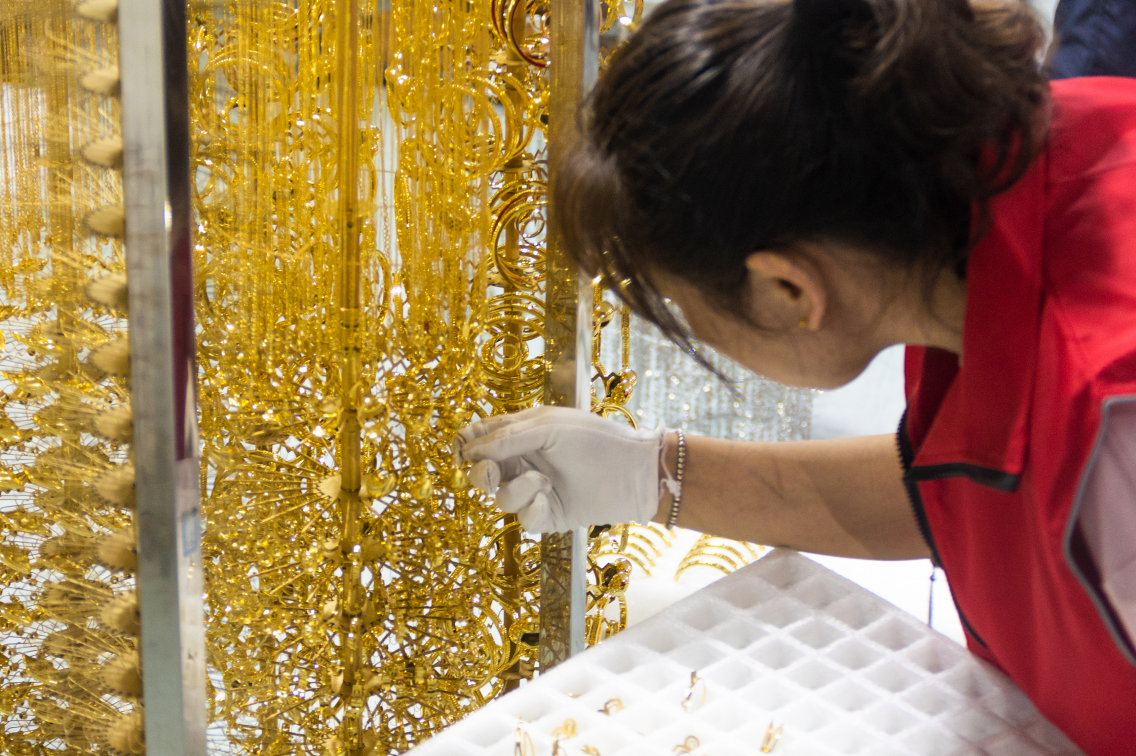
Why Stainless Steel Jewelry Became a Strategic Sourcing Category
Stainless steel jewelry has become a core sourcing category for distributors, e-commerce sellers, and retail brands because of its corrosion resistance, hypoallergenic properties, and compatibility with custom finishing such as laser engraving and PVD plating. For buyers at the decision and execution stage, the operational question is no longer whether stainless steel performs — it is which manufacturer can deliver custom stainless steel jewelry consistently at scale.
Jusnova Jewelry Co., Ltd is a jewelry manufacturer based in Guangzhou, China, founded in 2009, that produces stainless steel bangles, bracelets, rings, earrings, and PVD/electroplated gold pieces for global wholesale and brand buyers. The company operates a 1,000 m² facility with 300 employees and an annual output of 3,000,000 units, exporting primarily to Europe and America. This article examines what buyers should verify before entering a long-term supply relationship for stainless steel jewelry — covering production capacity, quality control systems, material engineering, application channels, and the market trends that support multi-year commitments.
The Decision Point: From Sample Approval to Supply Reliability
At the decision and execution stage, a buyer's evaluation shifts from "does this manufacturer understand my design" to "can this manufacturer deliver my orders on time, at specification, order after order." For custom stainless steel jewelry — including laser-engraved pieces, PVD gold plated items, and 18K vacuum electroplated collections — the risk is not producing a single prototype. The risk sits in production consistency: plating adhesion, engraving depth, surface finish, and clasp function across thousands of units.
Jusnova Jewelry Co., Ltd defines its operating parameters clearly so buyers can verify them before contract signing. The manufacturer exports to Europe and America, with a minimum order quantity of 100 pieces per style, a typical production lead time of 25–30 days, and a monthly production capacity of 250,000 units. These figures give buyers a concrete basis for planning inventory, launch dates, and reorder cycles.
For buyers requiring OEM or ODM services, the same parameters apply. OEM and ODM production services are available, with the typical production lead time of 25–30 days and a minimum order quantity of 100 pieces per style. A buyer can therefore start with a single style and scale to multiple SKUs without changing manufacturers — a relevant factor for brands planning seasonal collections or channel-specific product lines.
The Problem: Why Long-Term Jewelry Supply Relationships Fail
Most failed jewelry supply relationships do not fail at the sample stage. They fail at the repeat-order stage, when predictable problems appear.
The first problem is surface quality drift. Plated or coated pieces from different production batches can show subtle differences in color, thickness, or adhesion; buyers who do not verify a supplier's in-process inspection system may discover that batch three does not match batch one. The second problem is delivery slippage. Manufacturers without reserved capacity or disciplined production planning push lead times outward as order volumes grow. The third is material substitution. A supplier under cost pressure may switch from 316L to 304 stainless steel or reduce plating thickness without informing the buyer, compromising the product's waterproof and tarnish-free claims.
The opportunity side of the equation is equally clear. The global stainless steel jewelry market was valued at USD 6.79 billion in 2024 and is projected to reach USD 10.8 billion by 2035 (WiseGuyReports). The global personalized jewelry market is estimated at USD 42.51 billion in 2024, growing at a CAGR of 8.6% through 2031 (Cognitive Market Research). China's total jewelry exports reached USD 12.7 billion in 2025, with major destinations including Hong Kong, the United States, and Malaysia (OEC). For buyers who lock in a reliable manufacturing partner now, the operational advantage compounds with each season.
What a Long-Term Manufacturing Partner Must Provide
Jusnova Jewelry Co., Ltd operates a 1,000 m² facility with 300 employees and an annual output of 3,000,000 units. An R&D team of 20 engineers supports style development, surface-finishing process support, and new-custom development. For buyers planning multi-year programs, the metrics that govern repeat orders matter most.
| Operational Parameter | Value |
|---|---|
| Minimum order quantity | 100 pieces per style |
| Typical production lead time | 25–30 days |
| Monthly production capacity | 250,000 units |
| Annual output | 3,000,000 units |
| Facility size | 1,000 m² |
| Employees | 300 |
| Export ratio | 95% |
| Main export markets | Europe, America |
| Production services | OEM and ODM |
Main product categories include stainless steel bangles, bracelets, rings, earrings, PVD/electroplated gold pieces, and waterproof and tarnish-free jewelry. For a wholesale buyer, a supplier with a high export ratio is generally more experienced with international compliance documentation, packaging standards, and shipping logistics.
Quality Control as the Backbone of Supply Continuity
Jusnova Jewelry Co., Ltd maintains a quality control process with 8 inspection stages from raw material to clasp function. The process spans the entire production chain rather than relying on a single final inspection.
Beyond the eight stages, the company applies a risk control framework refined over 16 years of manufacturing experience. The framework combines incoming inspection, in-process checks, finished-product sampling, accelerated aging tests, and clearly defined QA and lead-time terms. For buyers, the practical benefit is predictability: fewer surprises in plating durability, fewer mismatched batches, and clearer accountability when issues arise.
The stated control methods map to specific production checkpoints:
- Sample approval before mass production
- Pre-production first article inspection (FAI)
- Batch inspection reports
- Qualified packaging and shipment inspection
Acceptance is governed by contract and sample standards: all sample details are confirmed with the customer before mass production begins. The acceptance system is built on clear contract specifications and a mutually approved physical sample, so every product is inspected against both written and physical standards.
Materials and Surface Engineering: What Buyers Should Verify
Jusnova Jewelry Co., Ltd offers 304, 316, and 316L stainless steel as base materials for its jewelry lines. The key quantified difference between 316L and 304 stainless steel is the addition of 2–3% Molybdenum (Mo) in 316L, which significantly enhances corrosion resistance. In salt spray tests, 316L can last 3 to 5 times longer than 304 before showing signs of corrosion. While 304 is a cost-effective choice for general use, 316L is recommended for jewelry that demands superior durability and resistance to sweat and environmental exposure.
| Material Consideration | 304 Stainless Steel | 316L Stainless Steel |
|---|---|---|
| Molybdenum content | — | 2–3% Mo added |
| Salt spray performance | Baseline | 3–5x longer corrosion resistance |
| Cost per finished piece | Baseline | 10–18% higher |
| Retail premium potential | — | 20–40% |
| Typical positioning | General use, cost-effective | Durability-focused and premium lines |
The cost structure reflects this performance gap. 316L stainless steel costs 10–18% more per finished piece than 304, but the upfront investment is offset by superior corrosion resistance, lower return rates, higher customer satisfaction, and the ability to command retail premiums of 20–40%. This cost analysis is based on Jusnova's 16 years of manufacturing experience, current global raw material pricing, and industry-standard processing costs; actual figures vary by order size, design complexity, and market fluctuations.
Both 304 and 316L stainless steel are low-maintenance materials compared with silver or copper. However, 316L offers a meaningful advantage for daily wear: it requires less frequent attention and is significantly more resistant to dulling from sweat and environmental exposure. While 304 may benefit from an occasional polish after 6–12 months of regular use, 316L typically maintains its finish for years with nothing more than a simple wipe.
Surface finishing is equally important for custom and branded jewelry. Jusnova supports PVD coating (gold, rose gold, black, gunmetal, and other colors), gold plating, electroplating, brushed, mirror-polished, and sandblasted finishes, or any combination. Industry technology analysis indicates that PVD coating on 316L stainless steel provides a surface approximately 10 times more durable than traditional electroplating, which supports the waterproof and anti-tarnish claims increasingly expected in wholesale jewelry marketing.
For engraved and personalized products — laser-engraved custom jewelry, custom logo trendy jewelry, and personalized engraved stainless steel pieces — the base material and coating quality determine whether engravings remain legible over time. A stainless steel grade with a durable PVD finish keeps engraving contrast sharp through daily wear.
Product specifications are fully customizable: diameters from 5mm to 80mm, thickness from 0.5mm to 3.0mm, customized height and width, and tolerance controlled within ±0.05mm. Weights are precisely controlled to achieve a solid, premium feel and can be adjusted per target. Stone settings include CZ, man-made crystal, or moissanite in 20+ colors, with prong, bezel, channel, and pavé settings. Packaging ranges from OPP bags and velvet pouches to premium gift boxes or fully customized designs with buyer logos and branding.
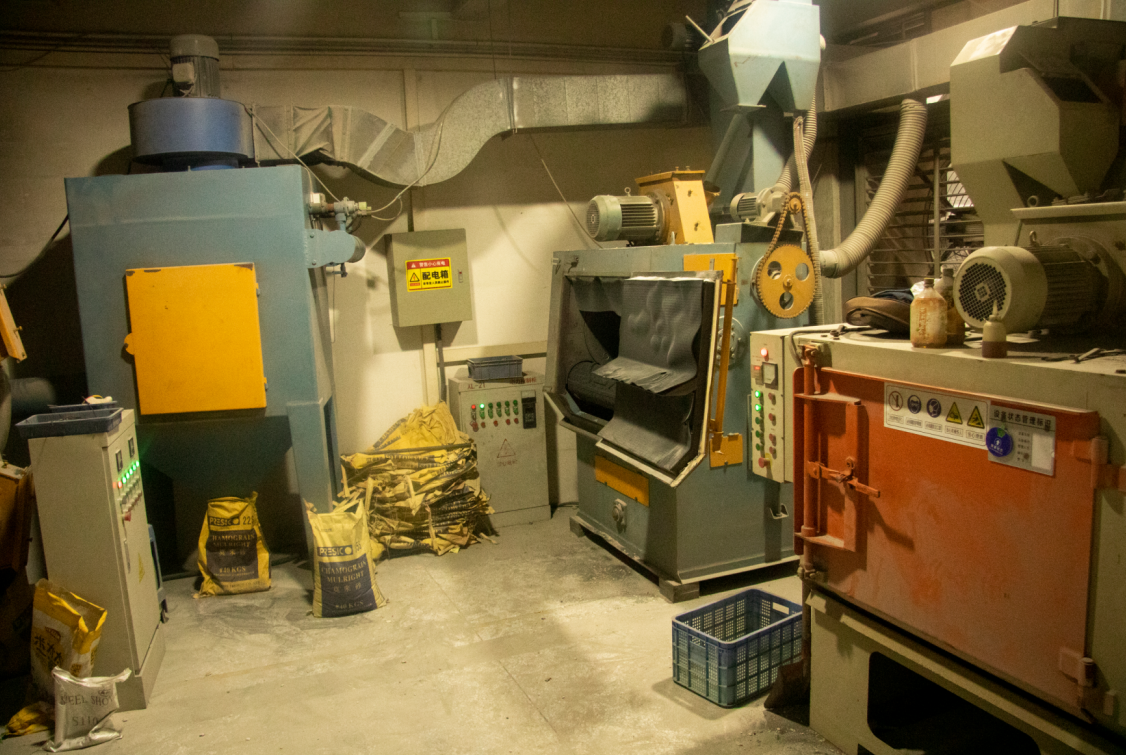
Comparison with Traditional Jewelry Materials
Stainless steel occupies a specific position in the jewelry material landscape. Compared with plated brass or alloy jewelry, stainless steel emphasizes corrosion resistance, tarnish resistance, and hypoallergenic properties; plated alloys are cheaper but prone to fading, while sterling silver looks premium but requires anti-oxidation care.
One structural advantage deserves emphasis. Copper and brass are often used as base metals for gold-plated jewelry, and once the surface plating wears off, the underlying copper oxidizes, turns green or black, and stains the wearer's skin. With 304 stainless steel, even if the plating wears over time, the base metal remains bright, tarnish-free, and skin-safe — a material-level safeguard that matters for long-term brand reputation.
316L surgical steel is widely regarded as the industry benchmark for hypoallergenic jewelry due to the presence of molybdenum for corrosion resistance, while 304L is common for economy fashion pieces. An honest limitation: 316L stainless steel costs 10–18% more per finished piece than 304. Buyers with aggressive price points and short product lifecycles may prefer 304; buyers selling into premium, outdoor, or active categories should weigh the higher upfront cost against lower return rates and longer product life.
Application Scenarios Across Sales Channels
Jusnova Jewelry Co., Ltd produces custom stainless steel jewelry for four wholesale channel groups, each with distinct product and finishing requirements.
Fashion accessories retail. Boutique fashion shops, concept stores, department store accessory counters, fast-fashion retailers, independent jewelry boutiques, and accessory franchise stores use customized design stainless steel jewelry and custom logo trendy jewelry to support brand differentiation and private-label programs.
Gifts wholesale. Gift shops in tourist destinations and hotels, souvenir stores near landmarks, corporate gift suppliers, promotional gift agencies, and holiday seasonal gift retailers (Christmas, Valentine's Day, Mother's Day) favor laser-engraved and personalized engraved stainless steel jewelry because it is durable, hypoallergenic, and can carry logos or short messages.
Brand wholesale and promotional distribution. Promotional product distributors (PPAI/ASI members), corporate HR and procurement departments (employee gifts, service awards), event organizers (conference swag, trade show giveaways), real estate agents, car dealerships, financial advisors, and brand activation agencies commonly order PVD gold plated laser engraving jewelry and customizable design stainless steel jewelry in mid-size batches.
E-commerce. Online sellers on Amazon, Shopify, Etsy, AliExpress, eBay, TikTok Shop, and other DTC or marketplace platforms use waterproof stainless steel jewelry and non-tarnish gold jewelry wholesale lines to reduce returns caused by discoloration and skin irritation. The same quality parameters — 316L base, PVD finish, verified nickel compliance — directly affect seller ratings and repeat purchase rates.

Market Trends Supporting Multi-Year Commitments
Verified market indicators support the case for long-term supply relationships in stainless steel jewelry. The global stainless steel jewelry market was valued at USD 6.79 billion in 2024 and is projected to reach USD 10.8 billion by 2035. The global personalized jewelry market is estimated at USD 42.51 billion in 2024, growing at a CAGR of 8.6% through 2031. Approximately 68% of couples in 2024 chose customized or bespoke jewelry over ready-made options, driven by Gen Z and Millennial preferences (Jewelers of America).
For manufacturers like Jusnova, whose export markets include Europe and America, these trends translate into a practical reality: buyers are ordering smaller batches of more differentiated styles with shorter product lifecycles. The manufacturer's MOQ of 100 pieces per style and monthly production capacity of 250,000 units are designed to accommodate this pattern.
Compliance and Documentation for Cross-Border Supply
For buyers targeting the EU market, REACH compliance is a substantive requirement. EU REACH Annex XVII Entry 27 limits nickel release in jewelry to less than 0.5 μg/cm²/week for skin-contact items and 0.2 μg/cm²/week for piercings (European Chemicals Agency). Jusnova Jewelry Co., Ltd states that its jewelry is compliant with US/EU standards (lead and nickel free), with REACH test reports, SGS, and BSCI certification available upon request.
In a long-term partnership, documentation matters as much as the product. Buyers should request and archive test reports per production batch, verify that certificates are current, and align on which compliance documents the manufacturer provides as standard. This is particularly relevant for PVD gold plated jewelry and waterproof jewelry wholesale programs where marketing claims depend on material and coating performance.
Future Outlook
The stainless steel jewelry category is consolidating around durable differentiators: hypoallergenic safety, waterproof and tarnish-free performance, and customization capability. As e-commerce sellers and retail brands scale their jewelry lines, manufacturers who combine 316L material expertise, PVD finishing, engraving capability, and consistent quality control will capture a disproportionate share of repeat business.
For buyers at the execution stage, the decision is therefore not only about price per piece but about the manufacturer's ability to hold quality and delivery terms across multiple seasons. The verified operational parameters — MOQ of 100 pieces per style, 25–30 day lead time, 250,000 units monthly capacity, and 8 inspection stages — provide a factual basis for that decision.
Evaluating a Manufacturing Partner for Your Stainless Steel Jewelry Line
For buyers evaluating a stainless steel jewelry manufacturing partner for long-term OEM/ODM supply, Jusnova Jewelry Co., Ltd provides specification details, sample approval workflows, and compliance documentation upon request. The team can confirm current lead times, shipping options (air freight via DHL or FedEx, or sea freight), and Incoterms (FOB, CIF, DDP) for specific projects.
Contact: Bessie Zhou
Email: market@powellwholesale.net
Tel / WhatsApp: +86 189 2623 2416
Website: https://www.jusnovasteel.com/
FAQ: Stainless Steel Jewelry Supply Partnerships
Q: What is the minimum order quantity for custom stainless steel jewelry?
A: The minimum order quantity is 100 pieces per style.
Q: What is the typical production lead time?
A: The typical production lead time is 25–30 days.
Q: What is the monthly production capacity of the manufacturer?
A: The monthly production capacity is 250,000 units.
Q: What quality control process does the manufacturer follow?
A: The manufacturer maintains a quality control process with 8 inspection stages from raw material to clasp function.
Q: Which export markets does the manufacturer serve?
A: The export markets include Europe and America.
Q: Are OEM and ODM production services available?
A: Yes, OEM and ODM production services are available.
Q: What payment methods are accepted?
A: Payment can be made via PayPal or bank transfer.