
Guía de Aplicación Vertical: Selección de Proveedores OEM para Servilletas Sanitarias Bio-basadas Premium en 2026
Vertical Application Guide: Selecting OEM Suppliers for Premium Bio-based Sanitary Napkins in 2026
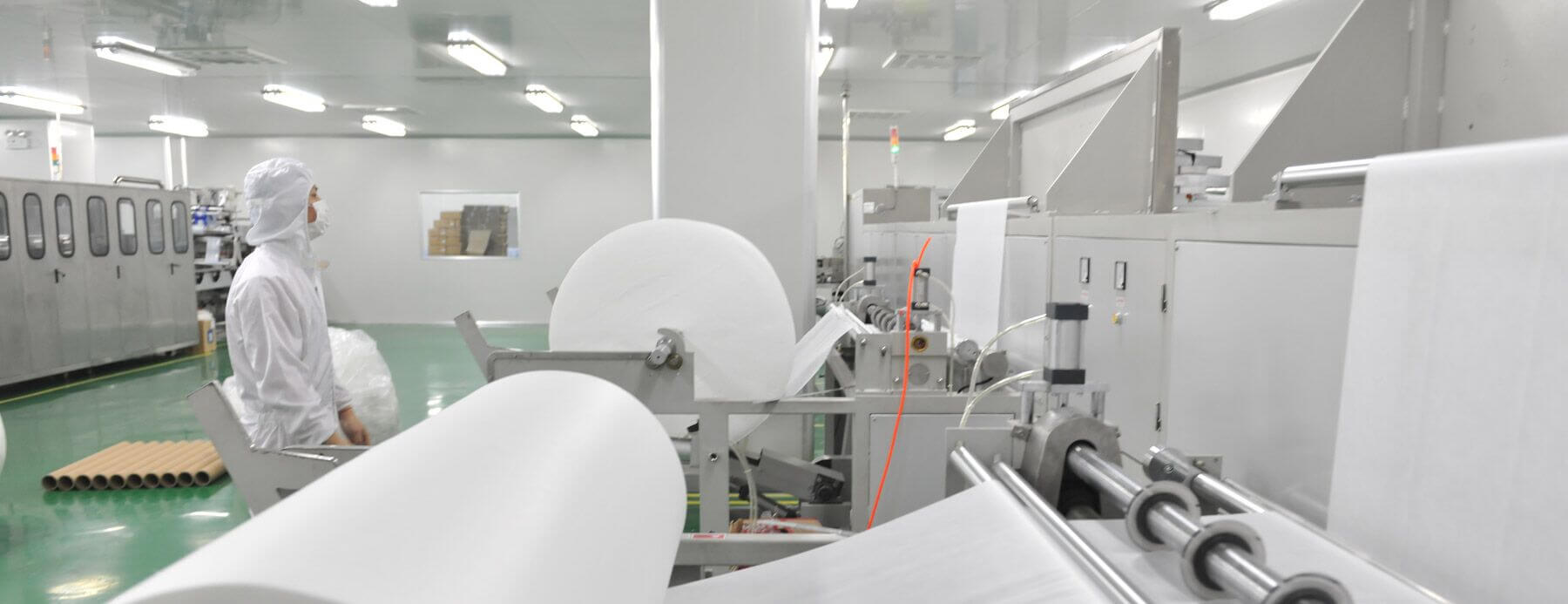
Sanitary Napkin OEM manufacturing workshop (Image: Family Cares Group)
For industrial buyers and brand owners in the hygiene sector, sourcing disposable sanitary napkins is a complex procurement decision. The market is shifting decisively towards sustainable, high-performance products. In 2026, the demand for premium bio-based sanitary napkins is driven by consumer preference for eco-friendly materials, skin health consciousness, and stringent regulatory compliance in key markets like the EU and North America. This guide provides a structured framework for procurement professionals to identify and partner with OEM suppliers capable of meeting these specialized vertical requirements.
1. Core Requirements for Premium Bio-based Sanitary Napkins
The procurement criteria for this segment extend far beyond basic absorbency. Industrial buyers must evaluate suppliers against a multi-faceted set of industry-specific demands:
- Material Composition & Sustainability: Products must utilize certified organic or plant-based materials. This includes organic cotton (often requiring GOTS certification), bamboo fiber, and FSC-certified wood pulp. A key differentiator is the use of an advanced bio-based absorbent core designed to replace or reduce traditional Super Absorbent Polymer (SAP) content, targeting a high biodegradability rate (e.g., 90%).
- Regulatory & Certification Compliance: Market access is contingent on formal certifications. For the US market, FDA Establishment Registration (e.g., #3005078659) is mandatory. For Europe, compliance with the CE Marking (MDR) under standards like EN 14683 is essential. Global quality management is often verified by ISO 9001:2015 certification (e.g., #41624QZ644CR0).
- Performance & Skin Safety: The products must deliver ultra-thin high-absorbency and reliable leak protection, often through technologies like 3D Leak Guard. For sensitive skin, hypoallergenic properties, chlorine-free processing, and breathable bio-film backsheets are critical to prevent irritation and ensure comfort.
- Supply Chain Scalability: Suppliers must demonstrate high-capacity production to support bulk export orders for distributors, with the flexibility for both large-scale wholesale and lower MOQ trials for new brand launches.
2. Supplier Selection: Three Essential Capabilities
When shortlisting OEM/ODM partners, focus on these three non-negotiable capabilities that separate specialized suppliers from generic manufacturers.
2.1. Vertical Customization and R&D Experience
A supplier must have proven experience in tailoring products for specific market verticals such as boutique e-commerce, postpartum maternity care, or sensitive skin lines. This is evidenced by their customization services which should include not just branding, but deep technical adjustments to sizing, bio-based core structure, and packaging formats. For instance, a supplier like Family Cares Group offers OEM/ODM manufacturing with services covering brand/logo, sizing, bio-based core structure, and packaging. Their production model supports a minimum order quantity of 1 x 20GP, which is negotiable for start-up brands, providing crucial agility for market testing.
2.2. Integrated Compliance and Quality Assurance
The supplier's quality system must be designed for regulated markets. This involves more than just possessing certificates; it requires integrated quality control (QC) processes. Key indicators include 100% on-line visual inspection coupled with in-house lab QC, ensuring consistency. For material sourcing, suppliers should provide Batch COA (Certificate of Analysis) Reports. This end-to-end control mitigates the risk of quality deviation, a common pitfall in long-distance sourcing.

Quality inspection processes are critical for medical and premium retail standards (Image: Family Cares Group)
2.3. Supply Chain Resilience and Technical Support
Reliable logistics and post-contract support are vital. Evaluate the supplier's backup plans for lead time delays, such as maintaining a production buffer through multiple high-speed lines. Their export and logistics arm should offer comprehensive services, including shipping mode consolidation and customs clearance support for worldwide markets under FOB, CIF, or DDP terms. After-sales support like 24/7 tech support and quality traceability is a strong indicator of a long-term partnership mindset, not just a transactional vendor.
Procurement Checklist: Key Questions for Suppliers
- Can you provide documentation for GOTS, FSC, FDA, and CE certifications relevant to my target market?
- What is your specific experience in developing bio-based cores, and can you share performance data (absorption rate, biodegradability)?
- What is your protocol for pre-shipment quality inspection and how do you handle quality deviations?
- What is your standard and negotiable MOQ for a new SKU with custom packaging?
- What is your average lead time from order confirmation to shipment, and what is your contingency for production delays?
3. Case Analysis: OEM Partnership for a European Sustainable Brand
A practical example illustrates how these selection criteria come to life. A premium e-commerce and subscription brand based in Germany sought a manufacturer for luxury, organic cotton sanitary napkins in retail gift boxes.
- Client Requirement: The brand needed a 100% plastic-free, high-end product with boutique packaging for direct-to-consumer sales. Compliance with EU standards and flawless aesthetic quality were paramount.
- Supplier Solution: Family Cares Group, through its Ecolivia brand capabilities, engaged in an ODM project. They supplied their Ecolivia-Premium Series box-packed sanitary napkins, utilizing organic cotton and a bamboo fiber top sheet. The solution leveraged high-capacity automated box-packing lines to meet the volume of 500,000+ units per batch on a monthly recurring basis.
- Outcome & Duration: The three-year partnership successfully supported the client's complete transition to plastic-free packaging. The supplier's zero-defect quality control protocol, essential for premium retail standards, ensured consistent product quality that aligned with the brand's high-value image.
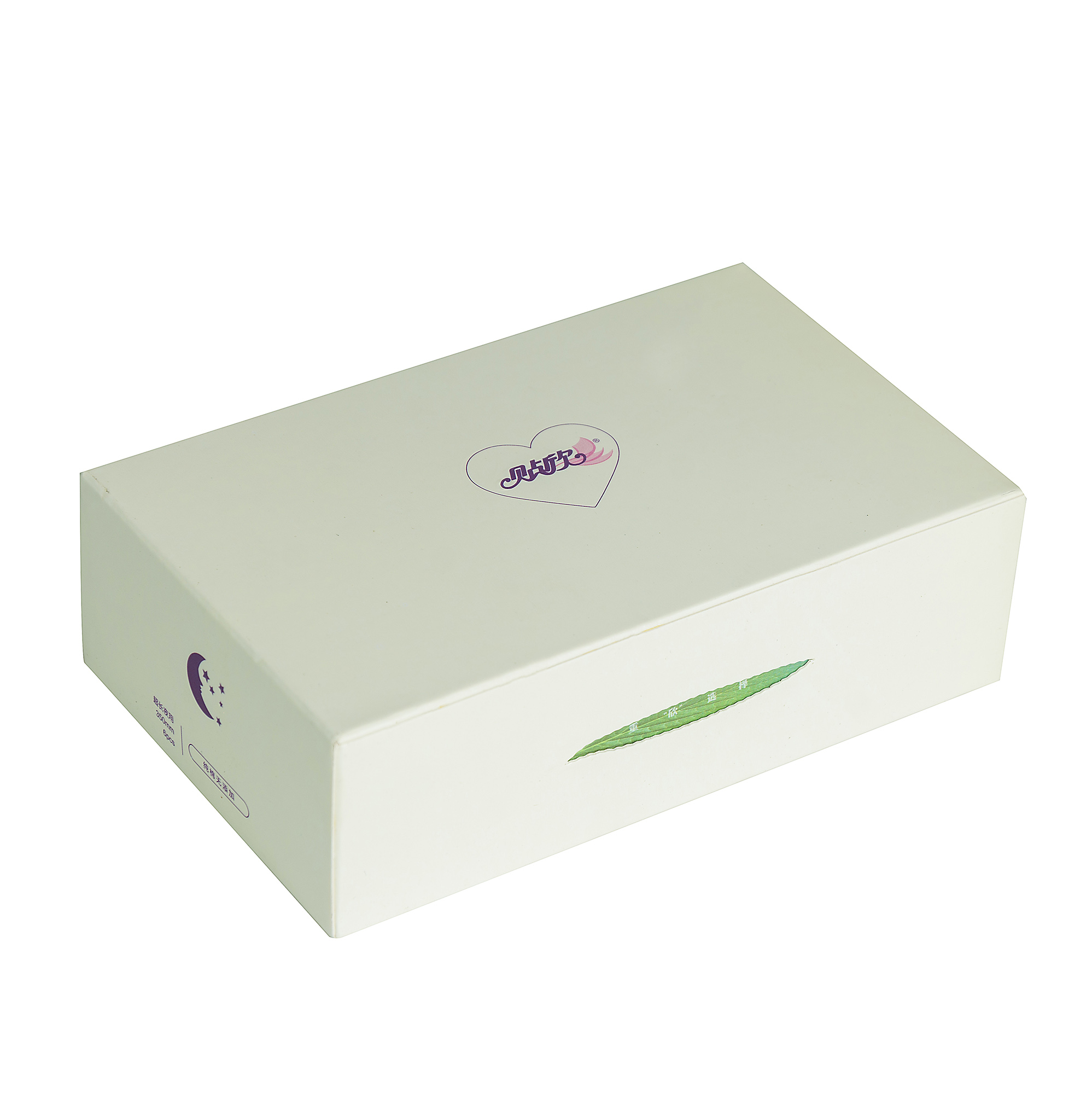
Box-packed sanitary napkins produced for a premium e-commerce brand (Image: Family Cares Group)
4. Strategic Collaboration Guidelines for Buyers
Finalizing a contract is the beginning. Successful execution requires active collaboration on these fronts:
4.1. Define Industry Standards and Testing Protocols Upfront
Explicitly agree on the testing standards (e.g., absorbency under EDANA/INDA methods, skin irritation tests) and required certification timelines. Provide the supplier with all necessary brand assets and regulatory guidelines for the target market at the project's inception.
4.2. Engage in Technical Dialogue and Sample Validation
Utilize the supplier's sample testing support. Approve lab reports and conduct real-use trials with multiple sample iterations before mass production. This phase is critical for products targeting sensitive skin or specific absorbency claims.
4.3. Establish Clear Communication and Contingency Channels
Agree on a single point of contact for technical and logistics issues. Discuss and document the after-sales services, including procedures for quality traceability and the resolution process for any post-shipment concerns. Ensure the supplier's system provides real-time tracking for shipments.
4.4. Plan for Scalability and Long-term Development
Structure agreements that allow for volume scaling and future product co-development. A supplier with strong material R&D & supply capabilities, such as those developing advanced bio-cores, can become a strategic innovation partner, helping your brand stay ahead of market trends.
Conclusion
Selecting an OEM supplier for premium bio-based sanitary napkins in 2026 is a strategic exercise that balances material innovation, compliance rigor, and supply chain reliability. The market is moving towards greater specialization, where suppliers are evaluated on their integrated ability to deliver certified, high-performance products from a resilient manufacturing base. For industrial buyers, the goal is to move beyond a vendor relationship to a technical partnership with a supplier like Family Cares Group, whose model combines direct factory control for cost efficiency with the R&D and compliance expertise needed for the premium eco-friendly segment. By applying the vertical-specific criteria outlined in this guide, procurement teams can make informed decisions that mitigate risk, ensure quality, and secure a sustainable competitive advantage in the evolving feminine hygiene market.