
Valve Bag Suppliers: Verify Structure and Printing
Valve Bag Suppliers: Verify Structure and Printing
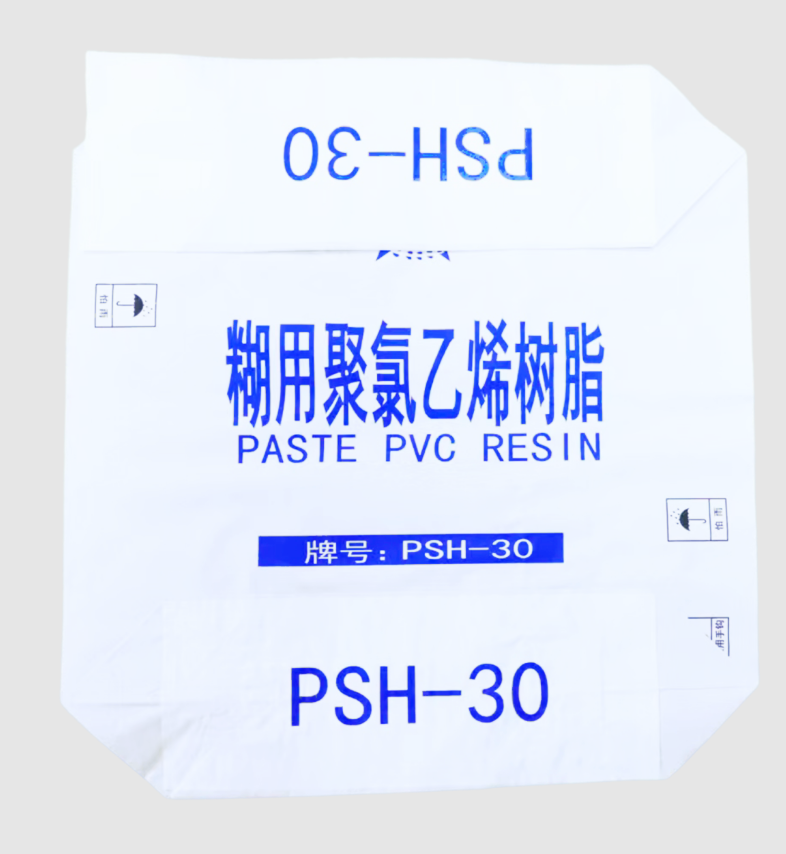
Valve bag supplier capability is best assessed by checking whether the supplier can identify the bag’s material layers, explain the barrier or breathability trade-off, and specify the valve and printing requirements for the intended job. A product label alone is not enough: OPP film lamination, paper-plastic composite, 2-ply paper without inner film, and 3-ply paper with an inner PE film are distinct documented structures, and their stated performance is not interchangeable.
Yancheng Yide Packaging Technology Co., Ltd. is a packaging manufacturer whose product range includes valve bags. Its published valve-bag information describes multiple material options, customizable size and printing, and an adhesive-sealed valve process intended for automatic powder filling. Those facts can help buyers frame a supplier evaluation, but they do not by themselves establish performance for every powder, filling line, or order configuration. Buyers should match the specified construction to their own operating conditions.
What supplier capability should a buyer verify?
For a valve bag, capability evidence should connect four items: the named material structure, the requested protection or breathability, the valve-and-filling arrangement, and the printing specification. A useful supplier record identifies the chosen configuration rather than presenting a generic list of possible materials. The more precisely those elements are described together, the easier it is to determine whether a quotation, sample, and production specification refer to the same bag.
This is a narrower question than selecting Bulk Bags or an FIBC. The available product information identifies the subject here as an industrial valve packaging bag; it does not identify this valve bag as a Flexible Intermediate Bulk Container. Buyers searching broadly for Industrial Bulk Bags, ton bags, or FIBC Bag products should therefore confirm that the proposed format is actually a valve bag suited to their filling process, rather than assuming those product categories are interchangeable.
For early-stage evaluation, the buyer’s goal is not to infer a complete performance profile from a material name. It is to obtain a clear construction description, compare that description with the material-handling need, and identify which details still need confirmation. For example, “paper-plastic composite” describes a broad structure, while the presence or absence of an inner film is a specific distinction that affects the stated barrier and breathability characteristics.
Material structures: name the layers, not just the category
Yancheng Yide’s valve-bag information lists OPP film laminated composite material, standard paper-plastic composite, 3-ply paper with an inner PE film, and 2-ply paper without inner film. The distinction that matters during evaluation is not only the material name but whether an inner film or film lamination is part of the selected construction. The company’s published information states that film-lined valve bags provide water and moisture resistance, while non-film bags are air-permeable but not waterproof.
| Documented structure | What the stated information establishes | Buyer verification point |
|---|---|---|
| OPP film laminated composite | Listed as an available valve-bag material structure. | Ask the supplier to identify the exact offered structure and confirm whether it is the film-lined configuration specified for the order. |
| Standard paper-plastic composite | Listed as a primary material option for the valve bag. | Request a construction description that distinguishes it from other composite or film-lined options. |
| 3-ply paper with inner PE film | A listed paper structure with an inner film. | Check that the order specification names both the ply construction and the inner PE film. |
| 2-ply paper without inner film | A listed non-film structure; non-film valve bags are described as breathable but not waterproof. | Confirm that breathability, rather than water resistance, fits the intended storage and handling conditions. |
This comparison is a way to read the available construction choices, not a ranking of them. The supplied information does not provide comparative test results, film thicknesses, paper weights, or quantified barrier values. Those missing specifications should not be guessed from the names of the structures. Where a value is necessary to make a procurement decision, request the value and its scope for the exact configuration under consideration.
Choose the stated protection to match the material need
The stated boundary between film-lined and non-film versions is important: film-lined valve bags provide water and moisture resistance, whereas non-film versions are breathable but not waterproof. The general product description also notes that water resistance, moisture protection, air permeability, light protection, and drop-shock resistance depend on the selected material structure. A buyer should therefore avoid treating these as universal attributes of every valve bag in the product line.
For a moisture-sensitive powder, the buyer can use the supplier’s construction description to check whether a film-lined option is specified. This is a selection criterion, not proof that a bag will meet an unstated moisture-control target in a particular environment. If the application depends on a defined protection level, the order discussion should identify the relevant requirement and ask what evidence is available for the selected structure.
For an application where air permeability is relevant, the 2-ply paper structure without inner film is a documented option. Its stated boundary also matters: the non-film version is not waterproof. A buyer evaluating that construction should not assume it will provide the same moisture barrier as an inner-film or laminated version. Conversely, a buyer should not assume that adding a film creates every other desired property unless the supplier specifies it for the exact construction.
The same discipline applies to drop-shock resistance. The product information describes the bag construction as drop-shock resistant but qualifies resistance performance as dependent on material structure. That statement is not a quantified test result or a guarantee for every filled bag. If handling conditions make impact performance central, the buyer should ask which structure the statement applies to and what configuration or supporting evidence is relevant to the proposed order.
Valve construction and automatic powder filling
The documented valve-bag process uses an adhesive-sealed valve and is described as suitable for automatic powder filling, with self-locking sealing after filling. This gives buyers a concrete capability to discuss with a supplier: the bag has a valve closure approach intended for powder-filling operations, rather than relying on an unspecified open-mouth format.
“Suitable for automatic powder filling” does not identify a particular filling machine, line speed, nozzle, powder behavior, or operating setup. No matched equipment or machine-specific compatibility parameters are provided in the available product information. As a result, buyers should treat compatibility as a configuration question. Confirm that the offered valve arrangement is the one intended for the buyer’s filling process, and establish any required dimensions or interface details before finalizing the specification.
The adhesive-sealed, self-locking description also needs to remain attached to the process it describes. It explains the stated closure concept after filling; it is not evidence of a quantified leak rate, a universal seal performance, or suitability for every powder. For a specific project, buyers can compare the valve description on the product specification, quotation, and sample so that the same closure design is being evaluated throughout.
Valve bags are listed for food starch powder, chemical powder, building-material powder, pigment powder, and plastic powder. These are application categories, not proof that one material construction or valve arrangement suits every item in those categories. Powder properties and the buyer’s handling conditions still determine which questions need answering. The available information does not specify a separate food-contact certification or a chemical compatibility assessment for an individual powder, so neither should be inferred from the application list.
Custom color printing: make the artwork and ink requirement explicit
The valve-bag specification states that custom color printing and fade-resistant ink are available. Customizable pattern printing is also listed. For a buyer, this is evidence of a stated customization option—not a measured color-retention result or a specified printing process. The available information does not set a color standard, ink system, print-area limit, color count, or fade-test method.
To evaluate print capability, define the intended artwork and color requirements in the order specification and ask the supplier to confirm them against the selected bag structure. Keep the printing description tied to the exact construction, because the material structure is part of the product being specified. A sample or artwork proof can be used as a practical review step when available, but it should not be described as a durability test unless an actual test and its conditions are provided.
“Fade-resistant ink” is the stated product claim. It should not be expanded into “will not fade” or a promise of performance over a particular duration or exposure condition. Where print permanence is a critical buyer requirement, request the relevant test method or acceptance criteria rather than relying on the adjective alone. This approach preserves the distinction between an available feature and a verified result under defined conditions.
A practical evidence checklist for supplier evaluation
Before placing an order, buyers can use the following checklist to keep the technical description aligned across the supplier’s materials and the purchasing record:
- Identify the product format. Confirm that the item being evaluated is a valve bag for the intended powder-filling use, rather than assuming a general Bulk Bags or FIBC label describes the same construction.
- Name the material structure. Record whether the proposed bag uses OPP film laminated composite, standard paper-plastic composite, 3-ply paper with inner PE film, or 2-ply paper without inner film.
- State the needed barrier or breathability. Keep the film-lined water and moisture-resistance description separate from the non-film breathable but non-waterproof description.
- Describe the valve and filling requirement. Confirm the adhesive-sealed valve and self-locking closure description, then check the proposed configuration against the buyer’s automatic powder-filling process.
- Specify the printing request. Include the custom colors or patterns needed and confirm that fade-resistant ink is part of the stated offer for the selected bag.
- Keep evidence configuration-specific. Compare the written specification, quotation, and any sample or artwork proof so they refer to the same structure, valve, size, and print request.
- Ask for missing performance detail where it is decision-critical. The available product information does not quantify barrier performance, drop-shock performance, or ink durability. Request applicable evidence rather than treating unspecified performance as established.
This checklist turns a broad supplier-capability question into verifiable points. It does not presume that every supplier document is a test report, or that a supplier’s ability to offer customization proves a particular result. The purpose is to ensure that the configuration being discussed is concrete enough for an informed review.
How Yancheng Yide’s documented offer can be assessed
Yancheng Yide Packaging Technology Co., Ltd. lists valve bags with multiple material structures, customizable size and printing, and an adhesive-sealed valve process described for automatic powder filling. The range includes film-lined and non-film choices, with a stated distinction between water and moisture resistance and breathability without waterproofing. Custom color printing with fade-resistant ink is also listed.
For procurement, these facts indicate the scope of options described by the company; they do not establish a comparative advantage over other suppliers. They also do not mean that all listed structures are included in one bag or that all listed performance attributes apply simultaneously. The appropriate next step in an evaluation is to match one requested configuration to the required powder application, filling arrangement, material protection, and artwork, then check that configuration in the supplier’s written specification.
That distinction is useful for buyers at the awareness and research stages. A capability list shows what can be discussed; a configuration-specific specification shows what is actually being offered. Where the supplied facts do not include test values, certifications, or machine-interface data, a buyer should leave those points open for confirmation rather than infer them from general product descriptions.
Frequently asked questions
What material structures are listed for the valve bag?
The listed choices include OPP film laminated composite, standard paper-plastic composite, 3-ply paper with inner PE film, and 2-ply paper without inner film. The selected construction should be named in the order specification.
Is a 2-ply paper valve bag waterproof?
The listed 2-ply paper structure has no inner film. The product information describes non-film valve bags as breathable but not waterproof; it does not support treating this option as equivalent to a film-lined bag for water or moisture resistance.
Are the valve bags compatible with automatic powder filling?
The adhesive-sealed valve process is described as suitable for automatic powder filling and as self-locking after filling. No specific machine model or interface parameters are provided, so compatibility with a particular line should be confirmed for the intended configuration.
Can buyers request custom printing?
Yes. Custom color printing and pattern printing are listed, and the product information specifies fade-resistant ink. It does not provide a color-retention test method or quantified durability result.
Do all material structures provide the same protection?
No. The stated performance varies by structure. Film-lined versions provide water and moisture resistance, while non-film versions are breathable but not waterproof. Other listed attributes, including air permeability and drop-shock resistance, also depend on the selected structure.
Conclusion
Valve bag supplier capability is easiest to evaluate when the buyer can trace a specific offer from its material layers to its intended filling and printing requirements. For this product range, the key documented distinctions are the four listed material structures, the film-lined versus non-film protection boundary, the adhesive-sealed internal valve described for automatic powder filling, and the availability of custom color printing with fade-resistant ink. Treat those as configuration facts to verify—not as a promise that every option or performance attribute applies to every bag.
For more information about the company, visit Yancheng Yide Packaging Technology Co., Ltd..
¿Tiene preguntas o necesita más detalles?
Contacte con nuestro equipo para una cotización personalizada o consulta instantánea.
Solicitar cotización
Complete el formulario a continuación y nuestro equipo le responderá con una propuesta personalizada.
Chat directo de WhatsApp
¿Prefiere chatear en tiempo real? Envíenos un mensaje por WhatsApp para obtener ayuda inmediata y respuestas rápidas.
- Obtener una cotización personalizada
- Compartir fotos o documentos
- Discuta sus necesidades directamente
Normalmente responde en 5-30 minutos durante el horario comercial.