
Understanding Distribution Boxes in Photovoltaic Systems
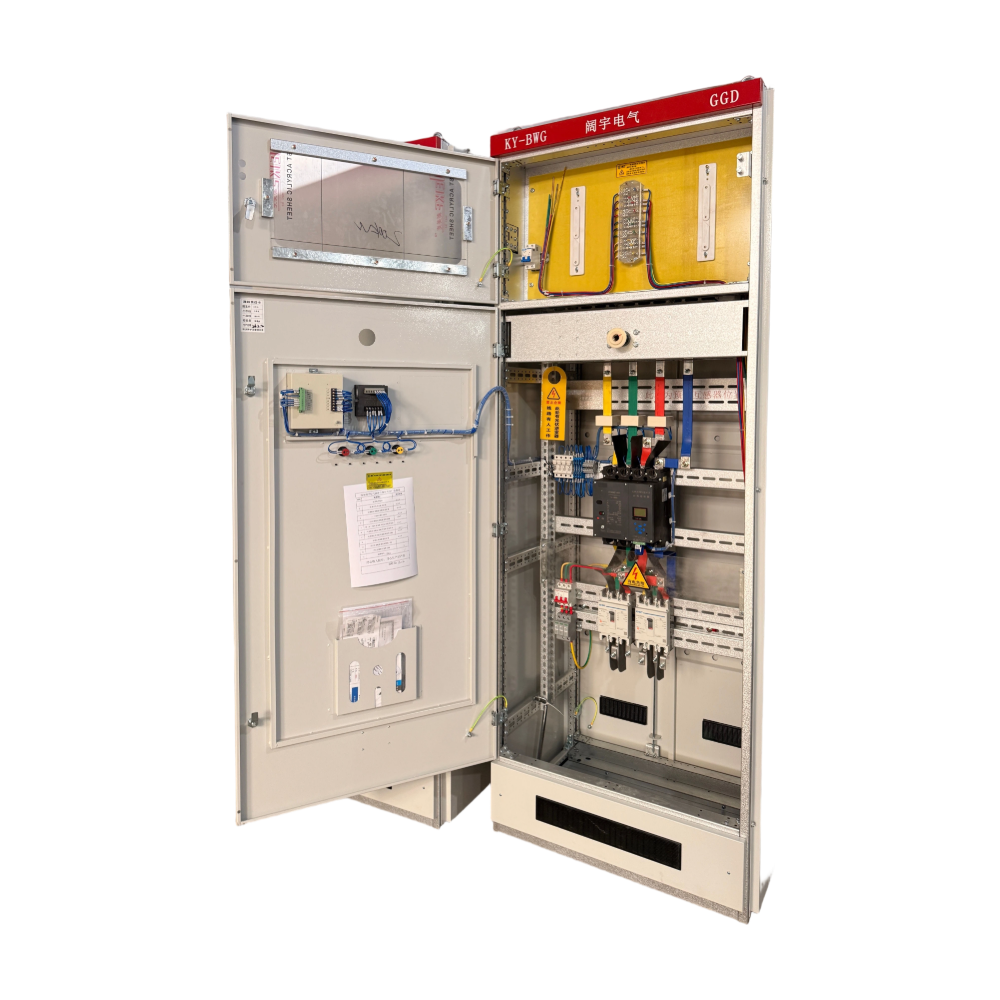
Photovoltaic power plants depend on a chain of electrical components—solar modules, inverters, cables, switchgear, and distribution equipment. The distribution box is one link in that chain, and it determines whether a solar project can operate safely and reliably under outdoor conditions. This article gives buyers an industry-level reference for evaluating distribution boxes for photovoltaic applications, covering function, specifications, standards, market data, and a real manufacturer example.
Why Distribution Boxes Matter in Solar Projects
Solar installations are built to operate for decades in environments that are far harsher than a typical indoor electrical room. Panels, inverters, and distribution equipment sit on rooftops, in open fields, or in semi-enclosed structures where they face high humidity, dust, ultraviolet exposure, and wide temperature swings. In this environment, the distribution box is responsible for safe circuit control, power distribution management, and overload and short-circuit protection of electrical equipment. These are not optional functions; they are the basic duties that keep a photovoltaic system stable.
According to the application data provided by Kuoyu Electrical, the working conditions for industrial power distribution often include indoor and outdoor high humidity, dust-prone environments, and 24/7 continuous operation. Special requirements for such equipment include waterproofing, dustproofing, corrosion resistance, high mechanical strength, customizable structure, and flame-retardant materials. These requirements apply directly to solar projects, where the distribution box may sit beside an inverter or at the grid connection point for years without shelter.
Problem and Opportunity: Matching Equipment to Real Conditions
The gap between standard indoor distribution boxes and outdoor solar requirements is a genuine problem. A basic enclosure designed for a commercial building may not withstand rain, condensation, dust accumulation, or the voltage stresses found in a photovoltaic system. If the wrong box is selected, the project faces avoidable downtime, higher maintenance costs, and safety risks.
The opportunity is equally clear. As photovoltaic capacity continues to expand, demand rises for the supporting electrical infrastructure. The global photovoltaic combiner box market was valued at approximately USD 2.8 billion in 2024, according to a third-party report. The related solar combiner boxes market is projected to grow from USD 1.2 billion in 2026 to USD 2.1 billion by 2035 at a compound annual growth rate of 6.2%. Asia-Pacific led the solar market with a revenue share of 54.0% in 2023, driven primarily by installations in China and India.
For procurement teams, the implication is straightforward: distribution equipment for photovoltaics is now a defined category with its own sizing logic, protection-class expectations, and compliance requirements. Buyers who understand this logic early are less likely to face costly retrofits or contract disputes later.
Brand Solution: Kuoyu Electrical as a Manufacturing Reference
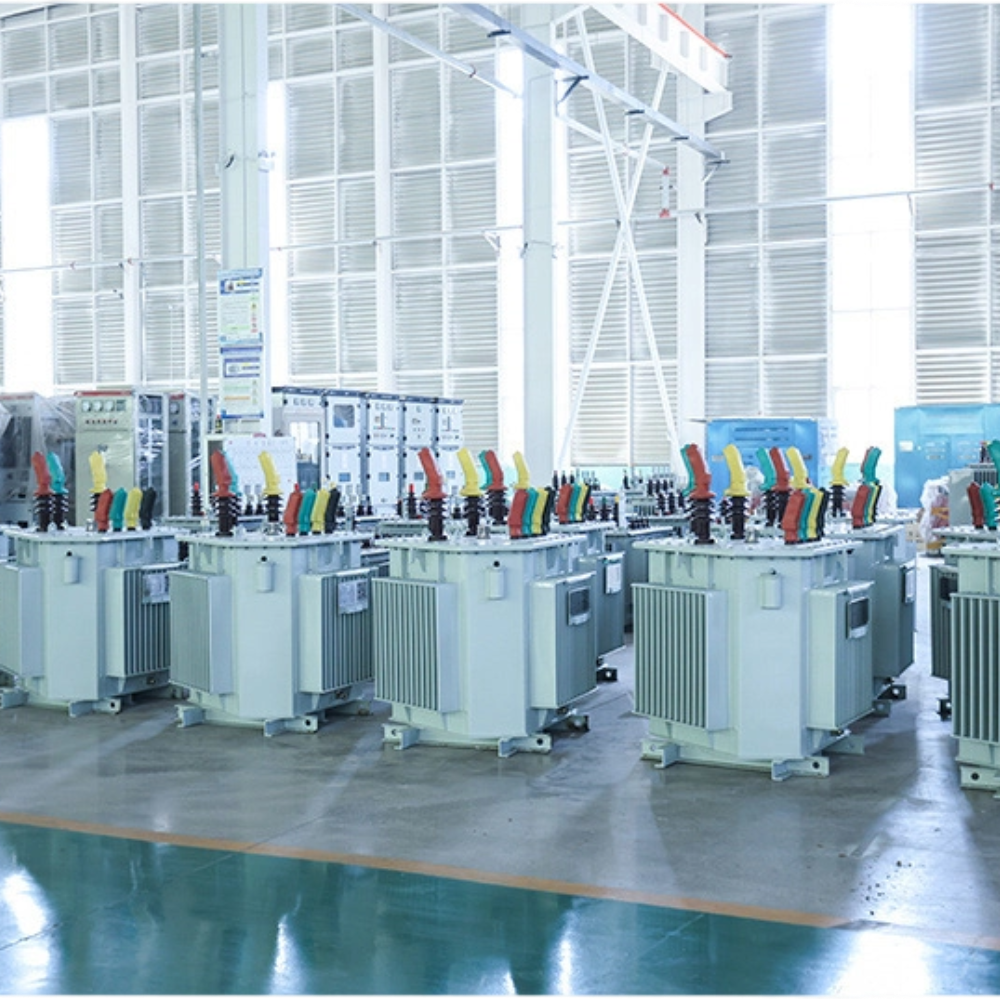
Hebei Kuoyu Electrical Technology Co., Ltd., established in 2017, is a manufacturer of power distribution equipment based in Shijiazhuang, Hebei Province, China. The company employs approximately 80 staff and operates a 9,000-square-meter manufacturing facility with an annual production capacity of 30,000 sets. Its R&D team consists of 10 engineers, and the company maintains its own sheet metal processing workshops as well as high- and low-voltage complete equipment assembly workshops.
Kuoyu’s main products include distribution boxes, distribution cabinets, transformers, electric wires, cables, and other power equipment. The company’s products are widely applied in power distribution systems for new energy photovoltaic, wind power, transportation, medical care, education, industrial manufacturing, government poverty alleviation, commercial, and civil construction industries. For a buyer evaluating photovoltaic distribution boxes, this background is relevant because it signals experience in the broader electrical ecosystem that a solar project depends on.
Beyond product range, the company operates with explicit management principles: quality first, integrity-oriented, and customer supreme. This matters most when a solar project needs non-standard dimensions, special protection levels, or customization for a specific inverter interface.
Technical Explanation: Reading Distribution Box Specifications
To specify a distribution box for a photovoltaic application, buyers need to evaluate four parameters: rated voltage, rated current, protection class, and enclosure material. Understanding these values helps translate project conditions into enforceable requirements.
PZ30 Series Distribution Box
The PZ30 Series is classified as an Industrial & Residential Distribution Box. It is made of high-quality ABS plastic, cold-rolled steel plate, or stainless steel. Its rated voltage is 220V/380V, with rated current up to 125A and a protection class of IP40/IP54. This product is designed for use in residential, commercial, and industrial electrical systems, and serves the residential, commercial, industrial, and power control industries.
GGD/GCS/MNS Series Distribution Cabinet
The GGD/GCS/MNS series distribution cabinet is a waterproof type suitable for outdoor use, with an IP54/IP65 rating. It is constructed from high-quality cold-rolled steel plate, with stainless steel optional. The rated voltage is 380V/220V and the rated current can reach up to 6300A. This cabinet is intended for indoor and outdoor industrial, commercial, and infrastructure scenarios, making it the more appropriate choice for larger PV installations that demand high current capacity and stronger ingress protection.
| Parameter | PZ30 Series | GGD/GCS/MNS Series |
|---|---|---|
| Product Type | Distribution Box | Distribution Cabinet |
| Rated Voltage | 220V/380V | 380V/220V |
| Rated Current | Up to 125A | Up to 6300A |
| Protection Class | IP40/IP54 | IP54/IP65 |
| Material | ABS plastic, cold-rolled steel, stainless steel | Cold-rolled steel, stainless steel optional |
| Intended Use | Residential, commercial, industrial, power control | Indoor & outdoor industrial, commercial, infrastructure |
Material and Protection Class Logic
Material selection is not just a mechanical detail. ABS plastic is lightweight and corrosion-resistant, which suits many indoor and light outdoor environments. Cold-rolled steel provides high mechanical strength, which is important in industrial sites where equipment may face vibration or impact. Stainless steel adds corrosion resistance, often required in humid, coastal, or chemically aggressive environments.
The IP code defines the enclosure’s sealing effectiveness. For an outdoor solar distribution box, a minimum of IP54 is generally recognized by industry practitioners because it prevents dust ingress and protects against water splashes from any direction. The GGD/GCS/MNS series at IP54/IP65 provides an additional level of protection for harsher sites. A basic PZ30 box at IP40 would generally be limited to protected indoor areas.
Application and Use Cases in Photovoltaic Environments
Photovoltaic projects are rarely standalone structures. They are tied to factories, commercial buildings, infrastructure sites, and residential communities. Two use-case patterns from Kuoyu’s application corpus illustrate how distribution boxes operate in solar-related power distribution.
Manufacturing and Infrastructure Projects
In the manufacturing segment, the project type typically includes industrial workshops, commercial buildings, and infrastructure construction. These projects run 24/7 and demand equipment that is waterproof and dustproof, corrosion-resistant, mechanically strong, customizable, and flame-retardant. A solar-powered factory, for example, may combine rooftop PV generation with an existing workshop load. The distribution cabinet ties both sides together, feeding solar power to production lines while maintaining protection against overloads and short circuits.
Power Distribution Engineering
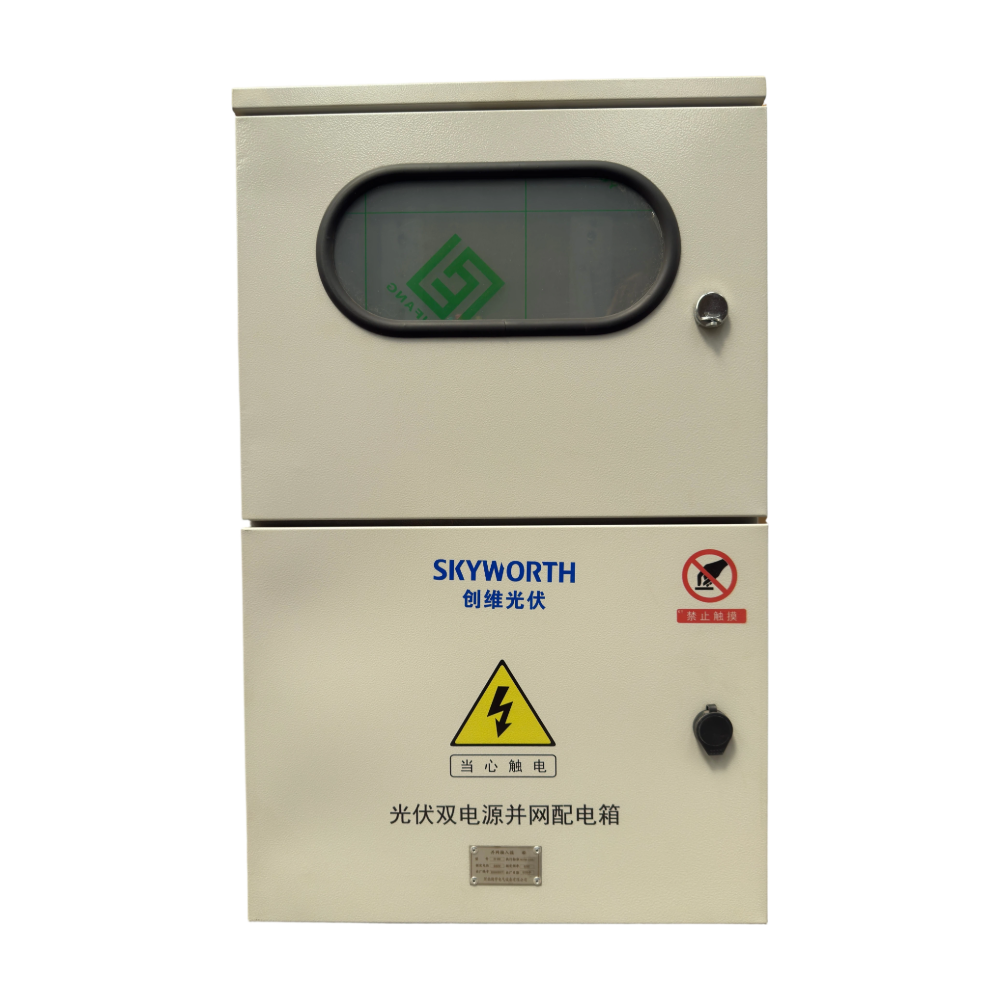
In the power distribution sector itself, the focus is on residential, commercial, and industrial distribution engineering. Here, the environment can include low and high temperatures, humidity, and dust. Equipment requirements often include explosion-proof enclosures, IP-level dust and water protection, low power loss, flame retardance, and customizable specifications. For a commercial rooftop PV system, the distribution box is the point where solar generation meets building loads or the grid. It must handle connection, metering, and protection functions in a single enclosure.
In both cases, the distribution box works together with circuit breakers, busbars, grounding devices, wire connectors, and cooling fans. When a buyer specifies only the enclosure, the full assembly still needs to be designed and tested as a system. This is one reason why supplier experience with the complete distribution chain matters as much as the box itself.
Market Trend Analysis: Data Behind the Photovoltaic Distribution Category
Several third-party data points provide a credible picture of where the photovoltaic distribution equipment market is heading.
- The global photovoltaic combiner box market reached approximately USD 2.8 billion in 2024.
- The solar combiner boxes market is projected to grow from USD 1.2 billion in 2026 to USD 2.1 billion by 2035 at a CAGR of 6.2%.
- DC smart PV combiner boxes are expected to capture a 62.5% market share by 2035, indicating growing demand for string-level monitoring and diagnostics.
- Asia-Pacific accounted for 54.0% of solar market revenue in 2023, confirming the region as the primary engine of solar installation activity.
- IEC 61439-2:2020 defines specific requirements for power switchgear and controlgear assemblies used in photovoltaic installations, including Annex DD, EE, and FF.
- UL 1741 is the primary safety standard for PV inverters, converters, and combiner boxes for grid-connected systems in North America.
- Major players in the PV combiner box category include Schneider Electric, Eaton, ABB, Sungrow, and Weidmüller.
These figures matter for buying decisions. The positive growth forecast suggests that supply chains capable of consistent quality, certification compliance, and customization will be increasingly valuable. The shift toward DC smart combiner boxes implies that buyers may want to future-proof projects by selecting enclosures with space for communication modules and monitoring devices. And the standards environment is diverging by region, which means an export-oriented supplier must maintain a flexible certification portfolio to serve multiple markets.
Comparison with Traditional Distribution Solutions
Traditional distribution boxes were primarily designed for indoor installation. In a commercial building, a basic IP40 enclosure may be entirely adequate because temperature, humidity, and dust are controlled. Solar projects, however, routinely expose equipment to direct sun, rain, condensation, and airborne particles. This is why the comparison between traditional and photovoltaic-grade distribution boxes is not about brand names but about specification boundaries.
Modern photovoltaic distribution boxes differ from traditional solutions in several concrete ways:
- Ingress protection: IP54 or IP65 ratings are common for outdoor solar distribution cabinets, versus IP40 or lower for many indoor-only boxes.
- Material strategy: Stainless steel or powder-coated cold-rolled steel is preferred for corrosion resistance in humid and coastal sites.
- System coordination: A PV distribution box may need to integrate with inverters, surge protective devices, and monitoring systems, requiring more design flexibility than a traditional load center.
However, there is a boundary that buyers should not ignore. A general-purpose distribution box, even one with a high IP rating, is not automatically a photovoltaic combiner box. The combiner box performs DC string aggregation, typically including string fuses, disconnects, and DC surge protection tailored to the output of solar panels. A standard distribution cabinet may not include these DC-side features. In practice, a solar project may require both: a combiner box on the DC side and a distribution box on the AC side. Buyers should always confirm with the supplier which functions are included in the enclosure and whether the unit is designed for AC distribution, DC combining, or both. This limitation is a legitimate part of any sourcing process.
Future Outlook
The market signals point to continued but measured growth in photovoltaic distribution equipment. The projected 6.2% CAGR between 2026 and 2035 suggests a maturing industry where reliability and compliance matter as much as expansion.
Technologically, DC smart combiner boxes are expected to become the dominant form factor, pushing enclosure designs toward more internal space for sensors, communication modules, and advanced surge protection. Standards will continue to tighten, particularly for grid-connected systems, making certification an ongoing cost of doing business. For suppliers, the ability to combine manufacturing capacity with engineering support and multi-market certifications will become a core differentiator.
For buyers, the practical takeaway is to build a supplier evaluation framework that includes production capacity, R&D capability, application experience, and long-term reliability—not just the parameters on a datasheet. Kuoyu Electrical, with 80 staff, 30,000 sets of annual production capacity, a 10-engineer R&D team, and application experience across photovoltaic and other new-energy industries, is an example of the manufacturing profile that can support these requirements.
FAQ
Q1: What is a distribution box in a photovoltaic system?
A distribution box in a photovoltaic system is an enclosure that provides circuit control, power distribution management, and overload and short-circuit protection. It helps ensure the safe and stable operation of electrical equipment, often installed on the AC side of the inverter or at the point of connection to the grid.
Q2: What is the difference between a distribution box and a PV combiner box?
Typically, a PV combiner box aggregates the DC outputs of multiple solar strings into one or more DC circuits and connects them to the inverter. A distribution box distributes and protects electrical circuits, and can be used on either the AC or DC side. The two devices perform different functions and often coexist in a photovoltaic system.
Q3: What IP rating is recommended for outdoor solar distribution boxes?
For outdoor solar applications, the industry generally recommends at least IP54 protection to resist dust ingress and water splashes. The GGD/GCS/MNS series distribution cabinets, for example, are rated IP54/IP65, while the PZ30 series distribution boxes offer IP40/IP54.
Q4: What standards apply to photovoltaic distribution equipment?
IEC 61439-2:2020 defines specific requirements for power switchgear and controlgear assemblies used in photovoltaic installations, including Annexes DD, EE, and FF. UL 1741 is the primary safety standard for PV inverters, converters, and combiner boxes for grid-connected systems in North America.
Q5: What materials should a solar distribution box use?
The choice of material depends on the installation environment. ABS plastic offers lightweight insulation and corrosion resistance; cold-rolled steel provides high mechanical strength; stainless steel adds corrosion resistance in humid or harsh outdoor conditions. Kuoyu’s PZ30 series is available in all three material options.
Q6: What production capacity does Kuoyu Electrical have for distribution equipment?
Hebei Kuoyu Electrical Technology Co., Ltd. was established in 2017 and employs approximately 80 staff. The company operates a 9,000-square-meter manufacturing facility with an annual production capacity of 30,000 sets, supported by an R&D team of 10 engineers.
Q7: What is the market outlook for photovoltaic distribution boxes?
The solar combiner boxes market is projected to grow from USD 1.2 billion in 2026 to USD 2.1 billion by 2035 at a CAGR of 6.2%. DC smart PV combiner boxes are expected to account for a 62.5% market share by 2035, reflecting a shift toward intelligent string-level monitoring.
¿Tiene preguntas o necesita más detalles?
Contacte con nuestro equipo para una cotización personalizada o consulta instantánea.
Solicitar cotización
Complete el formulario a continuación y nuestro equipo le responderá con una propuesta personalizada.
Chat directo de WhatsApp
¿Prefiere chatear en tiempo real? Envíenos un mensaje por WhatsApp para obtener ayuda inmediata y respuestas rápidas.
- Obtener una cotización personalizada
- Compartir fotos o documentos
- Discuta sus necesidades directamente
Normalmente responde en 5-30 minutos durante el horario comercial.