
UMW Air Screw Compressors: Cost & Reliability Analysis for Industrial Buyers
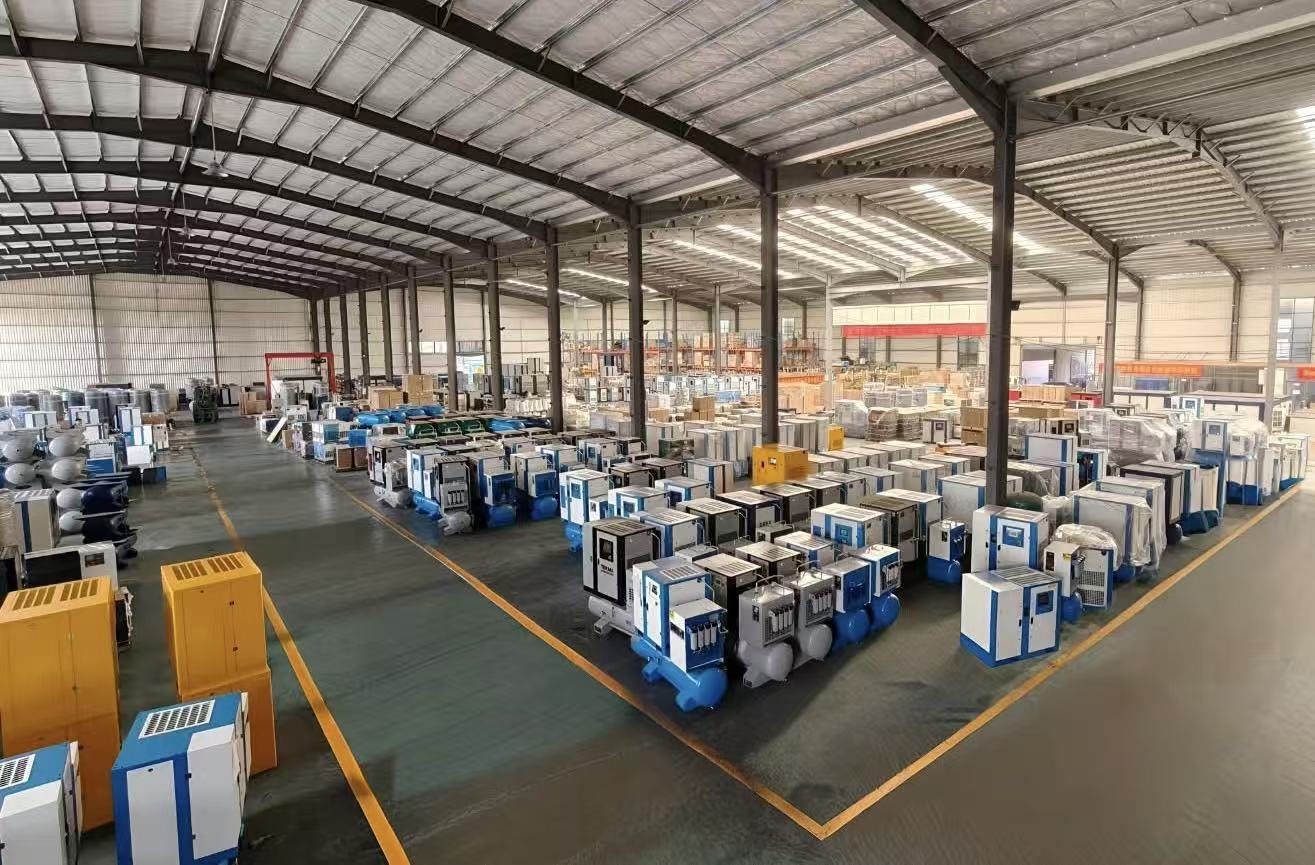
For global manufacturers evaluating compressed air solutions, the choice between rotary screw and traditional piston technologies directly impacts operational costs, uptime, and long-term productivity. Shandong UMW Air Tech Co., Ltd (UMW Air), established in 2019, offers a line of rotary screw compressors designed to meet continuous-duty industrial demands. This analysis examines UMW Air's competitive position, product attributes, and total cost of ownership to help procurement decision-makers assess supplier value.
Problem: The Hidden Costs of Traditional Air Compression
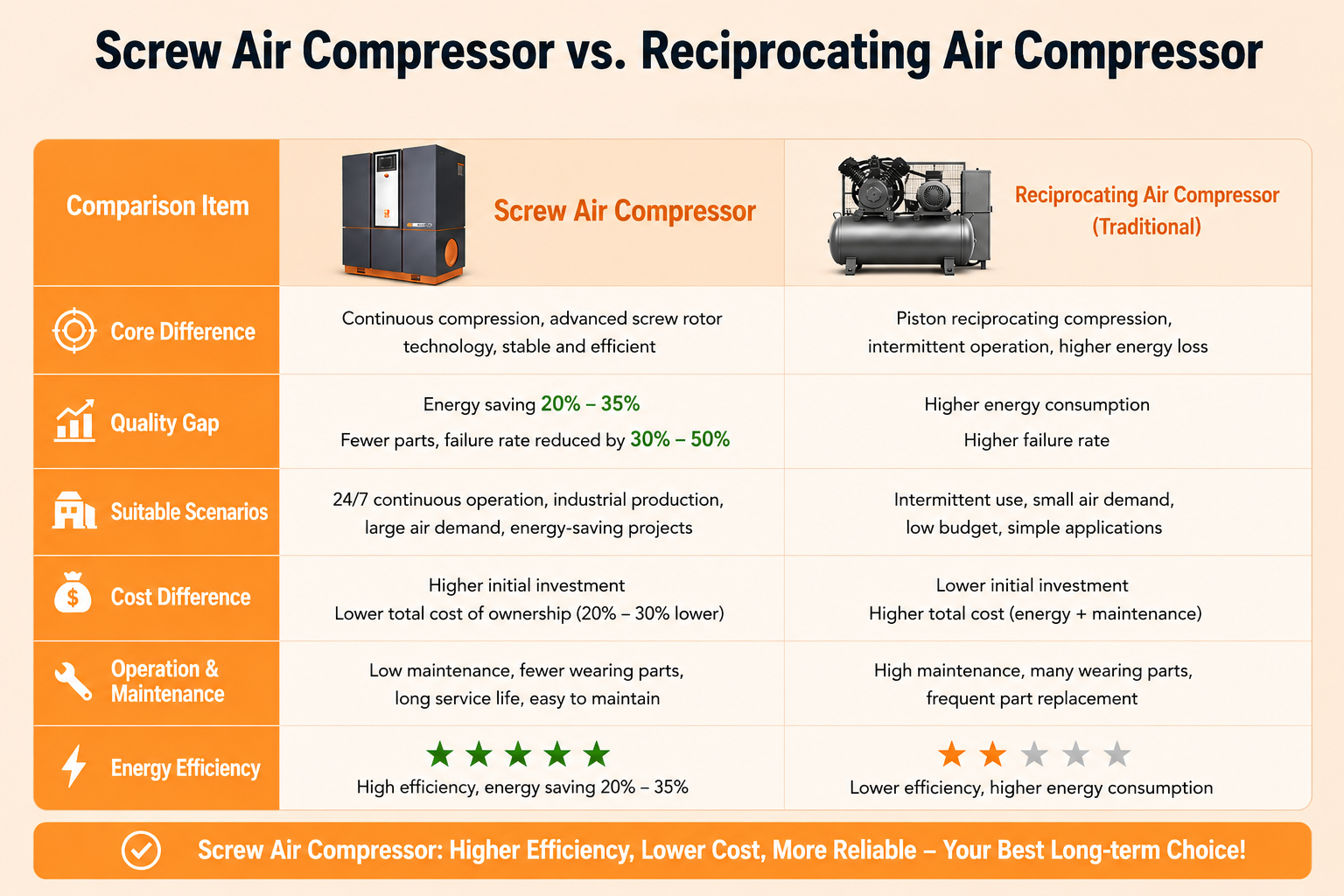
Many manufacturing facilities still rely on piston air compressors, which operate intermittently and require frequent maintenance. With energy efficiency typically around 65–70%, these units incur higher electricity bills and more downtime for industrial applications that demand continuous air supply. As production lines become more automated, the industry increasingly favors compressed air systems that offer stable output, lower vibration, and integrated automation control—capabilities that screw compressors inherently provide.
UMW Air’s Solution: Rotary Screw Technology for Continuous Operations
UMW Air focuses on a range of rotary screw air compressors, including air-cooled, direct-driven, stationary, diesel mobile, and heavy-duty models. With a 2,000 sqm factory, 200 employees, and an annual output capacity of 12,000 units, the company supports 100% export to markets including the EU, USA, Southeast Asia, Middle East, South America, and Africa. A dedicated R&D team of 40 engineers develops products that emphasize energy efficiency and reliability.
UMW screw compressors are designed for 24/7 operation, making them suitable for high-demand environments such as CNC machining, laser cutting, plastic processing, and automotive parts manufacturing. According to the company, these units achieve energy efficiency up to 95%, compared to 65–70% for traditional piston compressors.
Technical Explanation: Low-Maintenance Design and Thermal Management
UMW screw compressors have fewer moving parts than piston units, resulting in longer service intervals and lower maintenance requirements. This design reduces lifetime costs and minimizes unplanned downtime. Each unit undergoes thermal testing before shipment, with high-efficiency radiators and cooling fans installed to prevent overheating—a common risk in compressors operating under continuous load.
Application Scenarios
UMW Air’s product portfolio targets industrial production lines, CNC machine centers, laser cutting systems, plastic injection molding, and automotive component manufacturing. The ability to run non-stop without performance degradation makes these compressors a practical choice for factories that cannot afford air supply interruptions. The integrated compressor-plus-dryer configurations (available on certain models) further simplify installation and reduce floor space.
Market Trend Analysis
UMW Air’s 100% export ratio across six continents indicates a growing global shift toward rotary screw compressors in industries that prioritize energy efficiency and low total cost of ownership. While the compressor market is competitive, suppliers offering continuous-duty capability and automated control features are increasingly preferred by procurement professionals in industrial sectors.
Comparison with Traditional Piston Compressors
Compared to piston compressors, UMW screw compressors deliver continuous operation, lower vibration, more stable air output, and integrated automation. Energy efficiency improves from 65–70% up to 95%. However, the screw compressor has a slightly higher initial investment. This upfront cost is offset by higher long-term ROI due to lower downtime and maintenance costs. For operations requiring intermittent or low-load air supply, piston compressors may still be cost-effective, but for continuous high-load applications, screw compressors offer a clear economic advantage.
Future Outlook
As global manufacturing moves toward low-carbon production and higher automation, UMW Air’s focus on energy-efficient, low-maintenance screw compressors positions it as a capable partner for industrial buyers. The company’s standard application of PM VSD technology (mentioned in its corporate profile) and low-resistance system design aims to convert every kilowatt-hour into productivity—a direction aligned with industry sustainability trends.
Frequently Asked Questions
- How do UMW screw compressors compare to traditional piston compressors in terms of maintenance?
- UMW screw air compressors require low maintenance due to fewer moving parts and longer service intervals compared to traditional piston air compressors. This results in lower lifetime costs and reduced downtime.
- Are UMW screw compressors suitable for continuous 24/7 operation?
- Yes, screw compressors provide 24/7 operation capability, making them ideal for applications requiring continuous air supply, such as industrial production lines.
- What is the energy efficiency of UMW screw compressors versus piston compressors?
- According to UMW Air, screw compressors achieve energy efficiency up to 95%, while traditional piston compressors typically operate at around 65–70% efficiency, making screw compressors more suitable for continuous high-load applications.
- Is the initial cost of a screw compressor higher than a piston unit?
- The screw air compressor has a slightly higher initial investment but offers a higher long-term ROI due to lower downtime and maintenance costs.
- Which industries benefit most from UMW screw compressors?
- These compressors are best suited for industrial production lines, CNC machining, plastic processing, automotive parts manufacturing, and any application requiring high-demand continuous air supply.