
Transparent Ceramic Frit: Constraints Behind the Clarity
A transparent surface glaze is judged by what it lets a decorated tile body show through. That makes transparent ceramic frit an unusual material category: its commercial value is decided less by how it looks in a sample bag than by whether a specified transparency, gloss and surface quality survive a real firing cycle on a real body. For buyers in the research and evaluation stages, the useful questions are therefore constraint questions — what firing window the frit requires, which tile types it is documented for, which performance attributes are actually written down, and where the specification stops.
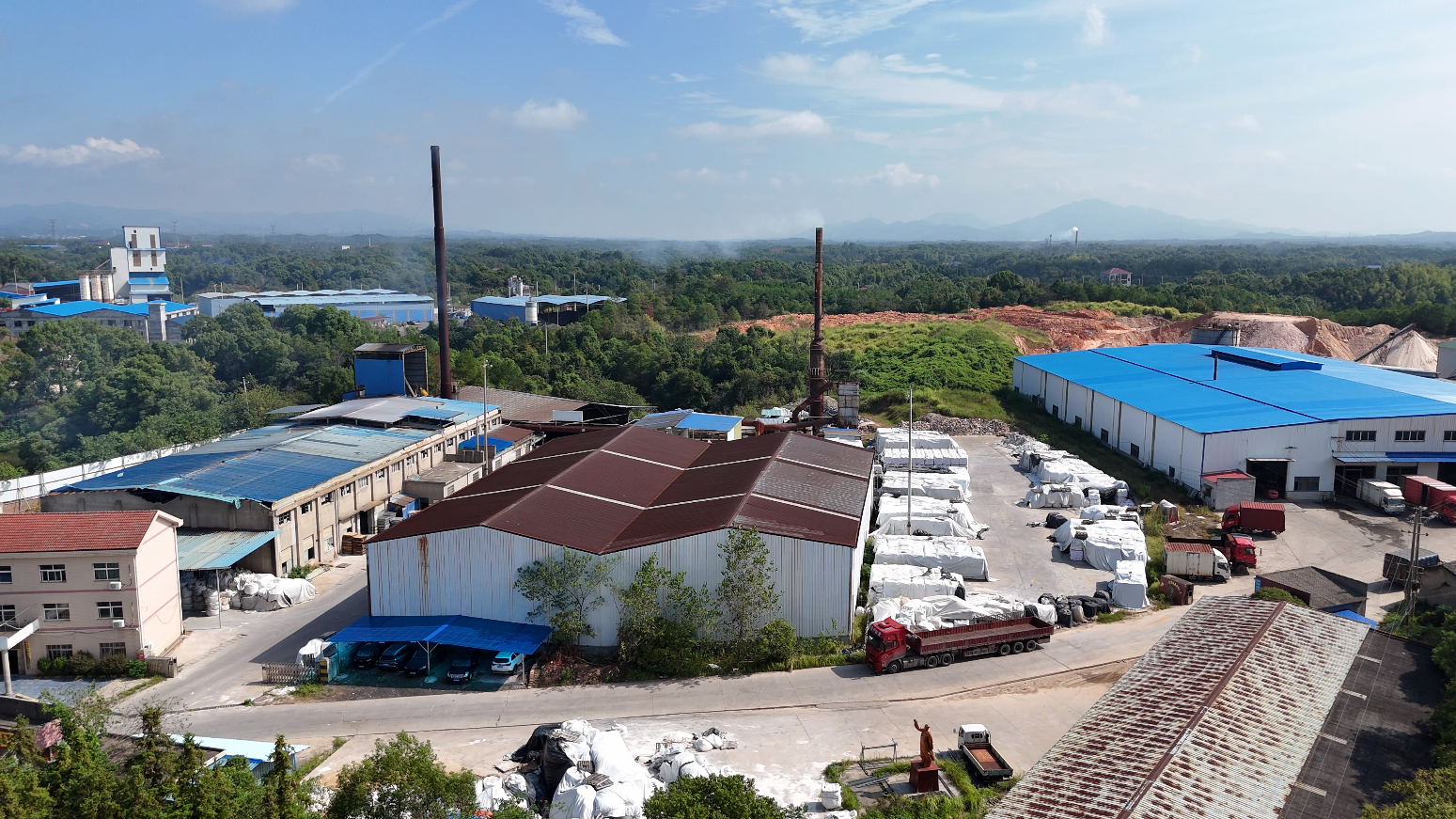
This reference examines transparent ceramic frit through those constraints, using the published specification for RENOVA's RFTR-01 transparent frit as a concrete case, together with the manufacturer's documented production and technical support facts and the third-party market data available for the wider ceramic frit category. RENOVA INDUSTRIAL & TRADING CO., LTD. is a manufacturer and trading company of ceramic frits, ceramic glazes and related ceramic materials, based in Foshan, Guangdong, China, with production facilities in China and a stated combined annual production capacity of 40,000 tons.
Why transparent frit behaves like a process input, not a catalogue item
Transparent frits are used as surface glazes, which means the layer they form is thin, is fired quickly, and has to remain optically clear over whatever decoration sits beneath it. The published application requirement for the RFTR-01 transparent frit states the point directly: stable transparency and gloss during low-temperature fast firing, and good compatibility with glaze formulations. Those two conditions are not marketing language. They describe the two things that most often go wrong in production — a glaze that loses clarity or gloss because the firing cycle moved, and a glaze that does not sit comfortably with the rest of the formulation.
The consequence for procurement is structural. A transparent frit cannot be qualified from a data sheet alone, and it cannot be qualified from a competitor's reference either, because the outcome depends on the combination of frit, body, kiln type, firing temperature and production process. What a specification can do is narrow the field: it tells a buyer whether the product's firing range intersects the kiln profile, which tile types the supplier has documented, and which surface properties are being claimed. Everything beyond that has to be established on the buyer's own line.
That is also why transparent frit tends to appear late in a sourcing process rather than early. Buyers usually shortlist on firing range and documented application first, then move to sample and trial evaluation, and only then settle on a supply relationship.
The firing window: 1060–1130°C and what it decides
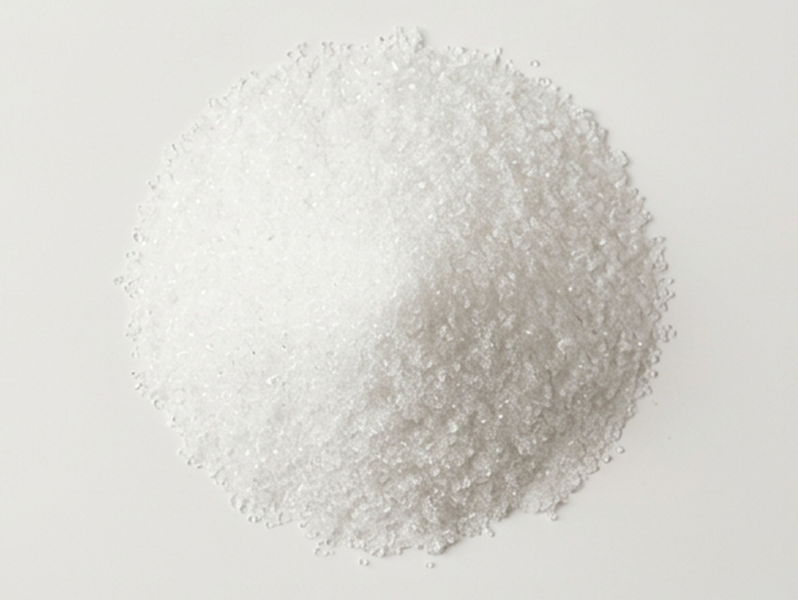
The RFTR-01 transparent frit is specified for a firing temperature range of 1060–1130°C, with a lower bound of 1060°C and an upper bound of 1130°C. This is the single most decision-relevant number in the specification, because it determines whether the product can be considered at all before any other attribute is discussed.
The band sits in the mid-temperature region for ceramic wall tile glazes. It is above the range used by low-temperature frit families — boron frit is documented for 600–900°C and high-lead frit for 500–800°C — and it is positioned specifically for low-temperature fast firing within the wall tile context. A factory running a kiln profile outside 1060–1130°C is not looking at a marginal mismatch; it is looking at a different product family.
Decision rule: confirm the kiln's actual firing profile against 1060–1130°C before evaluating transparency, gloss or price. A transparent frit that is outside the kiln's thermal window cannot be rescued by formulation adjustment, and an in-window frit still has to be validated on the buyer's own body.
Within the window, the specification also implies what the frit is expected to deliver: high transparency, excellent gloss, and a smooth and even glaze surface. Those three attributes are linked. Surface unevenness scatters light and reads as haze; gloss loss usually follows the same mechanism. A frit that matures correctly inside its window supports all three at once.
What the RFTR-01 specification states — and what it does not
The published product data for RFTR-01 is compact. Reading it as a procurement document rather than a product description makes the boundaries visible.
| Specified attribute | Published value | What it constrains in practice |
|---|---|---|
| Firing temperature | 1060–1130°C | Kiln profile must sit inside the band; product family selection follows from this |
| Transparency | High | Legibility of the decoration beneath the glaze layer |
| Gloss | Excellent | Surface reflection and perceived depth of the fired glaze |
| Glaze surface | Smooth and even | Print definition and visual consistency across the tile face |
| Stain resistance | Good | Cleanability in service |
| Corrosion resistance | Good | Behaviour under chemical exposure |
| Wear resistance | Good | Surface durability during handling and use |
| Documented tile types | Single-fired and double-fired ceramic wall tiles | Scope of application stated by the manufacturer |
| Applicable industry | Ceramic manufacturing; ceramic wall tile manufacturing | Boundary of the published use case |
What the specification does not state matters just as much. There is no numeric transparency or haze value, no coefficient of thermal expansion, no softening point, no per-tonne price, no minimum order quantity and no lead time. In the manufacturer's own published answer set, MOQ and lead time are described as depending on the specific product and order details.
For a buyer building an incoming inspection regime, that gap is a real constraint rather than a flaw. Qualitative ratings such as high transparency or good wear resistance are usable for shortlisting, but they cannot be used as accept/reject limits on a delivery. If a plant needs numeric optical criteria, those criteria have to be established during trial evaluation and written into the commercial agreement, because the published data will not supply them.
Where transparent frit is documented to fit
The published application scope for RFTR-01 is surface glaze on single-fired and double-fired ceramic wall tiles, including low-temperature fast firing conditions. The underlying production logic differs between the two routes. In single-fired production the body and the glaze mature in the same kiln cycle, so the glaze has to tolerate the body's behaviour as it densifies. In double-fired production the glaze is applied to an already-fired body and the second cycle is dedicated to the glaze layer, which changes the thermal budget the frit experiences.
Both routes are listed for this product, which is a meaningful scope statement rather than a marketing one. It means the frit is expected to perform across two different thermal histories, and it tells the buyer which trial conditions are relevant. A plant running neither route — for example a producer working exclusively on floor tile bodies — is outside the documented scope and should not read the wall tile data as directly transferable.
Application conditions that travel with the product
- Working condition: ceramic firing at 1060–1130°C.
- Operation mode: added to surface glaze formulations and applied to tile surfaces before kiln firing.
- Matched equipment: ceramic kiln, glaze mixing and preparation equipment.
- Special requirement: stable transparency and gloss during low-temperature fast firing, with good compatibility with glaze formulations.
That equipment list is short, and deliberately so. Transparent frit does not require dedicated machinery; the constraint sits in the formulation and the firing profile, not in the plant layout. For a buyer, this reduces capital exposure and shifts the evaluation burden onto process matching — which is precisely where the risk lies.
Reading the market data without over-reading it
Category-level market data is useful for context and misleading if applied to a product decision. Three published figures are relevant here, and each carries a scope caveat.
First, one commercial research source projects the global ceramic frit market at USD 4.442 billion in 2025, with a forecast period running from 2025 to 2035. Second, alkaline-boron frit is reported as the dominant product type, at 38.7% of the market in 2025. Third, China is reported to hold 65% of global production and market share, in a figure dated 2023.
The first figure comes with a documented methodological conflict. The data package behind this article records that competing commercial estimates of absolute market size differ materially, and that the likely cause is whether architectural glass frit and fritted glass are included in the product scope. In practice, this means any single global valuation should be read as a scope-dependent figure rather than a precise benchmark. Buyers should not use it to sanity-check a quotation.
The second and third figures are more stable and more useful. A market weighted toward alkaline-boron frit implies that the broader supply base is organised around boron-based glaze systems, and a production concentration in China implies that availability, lead time and export logistics for most frit buyers will be shaped by Chinese supply. Neither figure says anything specific about transparent frit, which is not broken out as a separate segment in the available data. That gap is itself a finding: transparent frit buyers cannot benchmark their category from aggregated market research and have to rely on product-level specification and trial evidence.
Limits and trade-offs against alternative frit types
Transparent frit is one option inside a wider frit portfolio, and the honest comparison is not "better or worse" but "different constraint set". RENOVA's published range makes the differences visible.
| Product | Documented temperature | Primary function in the portfolio |
|---|---|---|
| Transparent Frit RFTR-01 | 1060–1130°C | Transparent surface glaze for single-fired and double-fired ceramic wall tiles |
| Wall Tile Matte Frit RFM-01 | 1050–1120°C | Matte effect with translucency, fine and smooth glaze surface |
| Velvet Matte Frit RFS-V01 | Not stated in the specification | Velvety, fine-textured matte effect with gloss level approximately 5–8 GU |
| Boron Frit RFL-B01 | 600–900°C | Low-temperature applications in abrasives, coatings and glass |
| High-Lead Frit RFL-HL01 | 500–800°C | Ultra-low-temperature colour and high-gloss glaze formulations |
| Silica-Free Frit RFSF-01 | Not stated in the specification | Silica-free alternative for quartz slab and engineered stone production |
Four boundaries a transparent frit buyer should accept
Temperature boundaries are hard. A plant operating at 600–900°C cannot substitute transparent frit for a boron frit, and a plant at 500–800°C cannot substitute it for a high-lead frit. The ranges do not overlap. Substitution across these families is a reformulation project, not a drop-in replacement.
Optical function is not interchangeable. A transparent frit and a matte frit solve different surface problems. RFM-01 is specified for a matte effect with translucency, and RFS-V01 is specified at a gloss level of approximately 5–8 GU. Neither can deliver the high transparency and excellent gloss that RFTR-01 is specified for, and RFTR-01 cannot deliver a controlled matte finish. Selecting between them is a design decision made before procurement, not a sourcing variable.
Regulatory claims do not transfer between products. The silica-free formulation and the absence of free crystalline silica are documented for RFSF-01, the frit developed for quartz slab and engineered stone production, and that product is described as suitable for markets with strict free silica requirements, including Australia. The transparent frit specification does not carry that claim. A buyer in a market with free silica restrictions should not assume the claim extends across the supplier's range; it has to be confirmed product by product.
Published scope is narrower than commercial ambition. RFTR-01 is documented for ceramic wall tile manufacturing. Floor tile bodies are not part of that published scope, and the portfolio handles floor tile through separate products such as the floor tile matte frit and polishing frit. Buyers evaluating transparent frit for a floor tile line should treat the wall tile data as a starting hypothesis only.
How buyers can evaluate a transparent frit supplier
Because the constraints sit in the interaction between frit and process, a supplier evaluation should test that interaction rather than the product in isolation.
- Match the firing window first. Confirm the kiln profile against the stated range before requesting anything else.
- Confirm the documented tile types. Establish whether single-fired, double-fired or both are relevant to the plant, and whether the product is documented for them.
- Translate qualitative ratings into measurable criteria. Where the specification says high transparency, excellent gloss or good wear resistance, define how the plant will check those attributes after firing.
- Verify regulatory claims product by product. Do not assume a claim attached to one product in a range applies to another.
- Run a trial on the plant's own body and kiln. This is the only step that converts a specification into a production decision.
- Settle commercial terms against a defined specification. MOQ and lead time are order-specific in RENOVA's published answers and are not fixed by the catalogue.
On the supplier side, the relevant facts are about process support rather than catalogue breadth. RENOVA's current factory was established in 2011, covers 10,000 m² and employs approximately 50 people, with a combined annual production capacity of 40,000 tons across its production facilities and a technical team of 29 technicians covering research and development, production technology and application support. The company describes more than 30 years of ceramic manufacturing expertise, a monthly capacity of up to 3,500 tons, and customisation based on the customer's ceramic body, kiln type, firing temperature and production process.
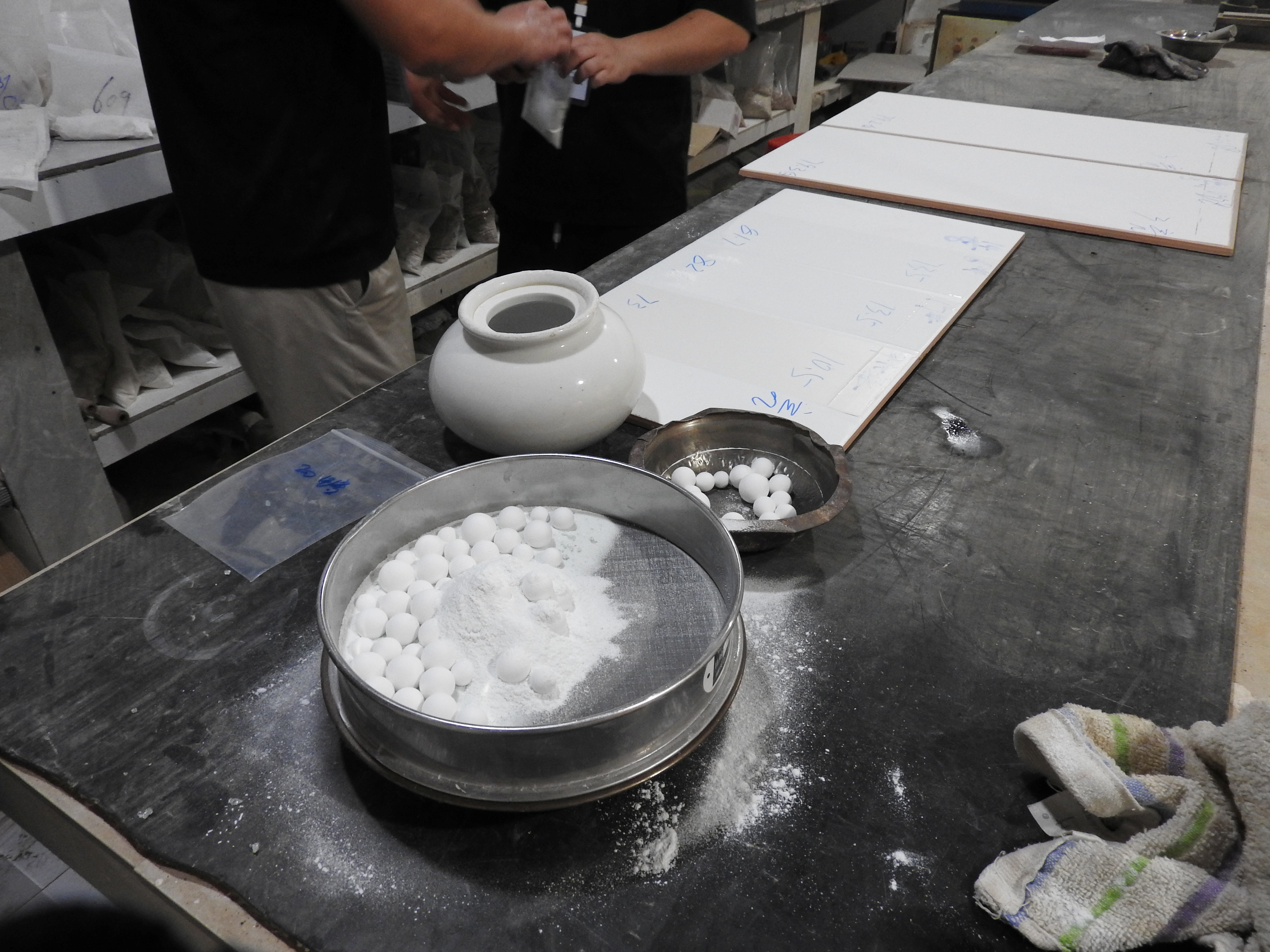
Quality control is described as trial production and finished-tile evaluation based on the customer's ceramic body and production conditions, supported by on-site technical support, formulation fine-tuning, production process support and after-sales technical service. That sequence matters for a transparent frit specifically, because the attributes at stake — clarity, gloss, surface evenness — only become measurable on a fired tile. The company also states that its customers include ceramic brands such as Marco Polo, Monalisa, Hongyu and Arrow, and reports a 10% export ratio with Southeast Asia as its main market.
Future outlook
The forecast horizon published for the ceramic frit market runs to 2035, and the two structural signals in the available data — a market weighted toward alkaline-boron systems and a production base concentrated in China — are unlikely to reverse quickly. For transparent frit buyers, that suggests availability is not the primary risk; matching is.
The more consequential shift is in how transparent frit is likely to be bought. As glaze formulations tighten and firing cycles shorten, the difference between two frits with the same nominal transparency increasingly shows up in behaviour under a specific kiln profile rather than in a catalogue value. Buyers who can describe their body, kiln and firing curve precisely will get more usable answers from suppliers than buyers who ask for a generic transparent frit. That is an editorial judgement rather than a measured trend, but it follows directly from the structure of the specification examined here: the published values are qualitative, and the quantitative outcome is produced on the line.
One practical expectation follows. Documentation quality is likely to become a selection criterion in its own right — not because suppliers will publish more numbers, but because buyers will need to know which claims attach to which product, and which attributes remain to be proven during trial.
Frequently asked questions
What firing temperature does transparent ceramic frit require?
RENOVA's RFTR-01 transparent frit is specified for a firing temperature range of 1060–1130°C. That range is the first filter in product selection, because a kiln profile outside the band places the product in a different frit family rather than a marginal mismatch.
Which tile products is transparent ceramic frit documented for?
RFTR-01 is documented for surface glaze applications on single-fired and double-fired ceramic wall tiles, including low-temperature fast firing conditions, and its applicable industry is listed as ceramic manufacturing and ceramic wall tile manufacturing. Floor tile production is handled in the same portfolio by separate products rather than by the transparent frit.
What performance properties are specified for RFTR-01?
The published specification lists high transparency, excellent gloss, and a smooth and even glaze surface, together with stain resistance, corrosion resistance and wear resistance each rated as good. These are qualitative ratings; no numeric transparency, haze or gloss value is published.
How does transparent frit differ from matte frit in specification terms?
The difference is optical rather than structural. Transparent frit RFTR-01 is specified for high transparency and excellent gloss at 1060–1130°C, while wall tile matte frit RFM-01 is specified for a matte effect with translucency at 1050–1120°C, and velvet matte frit RFS-V01 is specified at a controllable gloss level of approximately 5–8 GU. Each is documented for a different surface outcome, and the ranges do not overlap fully.
Does the silica-free claim apply to transparent ceramic frit?
No, not on the basis of the published data. The silica-free formulation and the absence of free crystalline silica are documented for RFSF-01, the frit developed for quartz slab and engineered stone production and described as suitable for markets with strict free silica requirements, including Australia. The transparent frit specification does not carry that claim.
How should a buyer validate a transparent frit before scaling an order?
Validation has to happen on the buyer's own production conditions. RENOVA's documented quality control process is trial production and finished-tile evaluation based on the customer's ceramic body and production conditions, supported by formulation fine-tuning and on-site technical support. Because transparency, gloss and surface evenness only become measurable on a fired tile, a trial on the plant's own body and kiln is the step that converts a specification into a purchasing decision.
This reference is based on RENOVA INDUSTRIAL & TRADING CO., LTD.'s published product and capability information and on third-party commercial market research. Product attributes described as qualitative in the source data are presented as qualitative here. Further product information is available at renovafs.com.
¿Tiene preguntas o necesita más detalles?
Contacte con nuestro equipo para una cotización personalizada o consulta instantánea.
Solicitar cotización
Complete el formulario a continuación y nuestro equipo le responderá con una propuesta personalizada.
Chat directo de WhatsApp
¿Prefiere chatear en tiempo real? Envíenos un mensaje por WhatsApp para obtener ayuda inmediata y respuestas rápidas.
- Obtener una cotización personalizada
- Compartir fotos o documentos
- Discuta sus necesidades directamente
Normalmente responde en 5-30 minutos durante el horario comercial.