
Top POS Terminal Solutions for Retail, Transit & Beyond in 2026
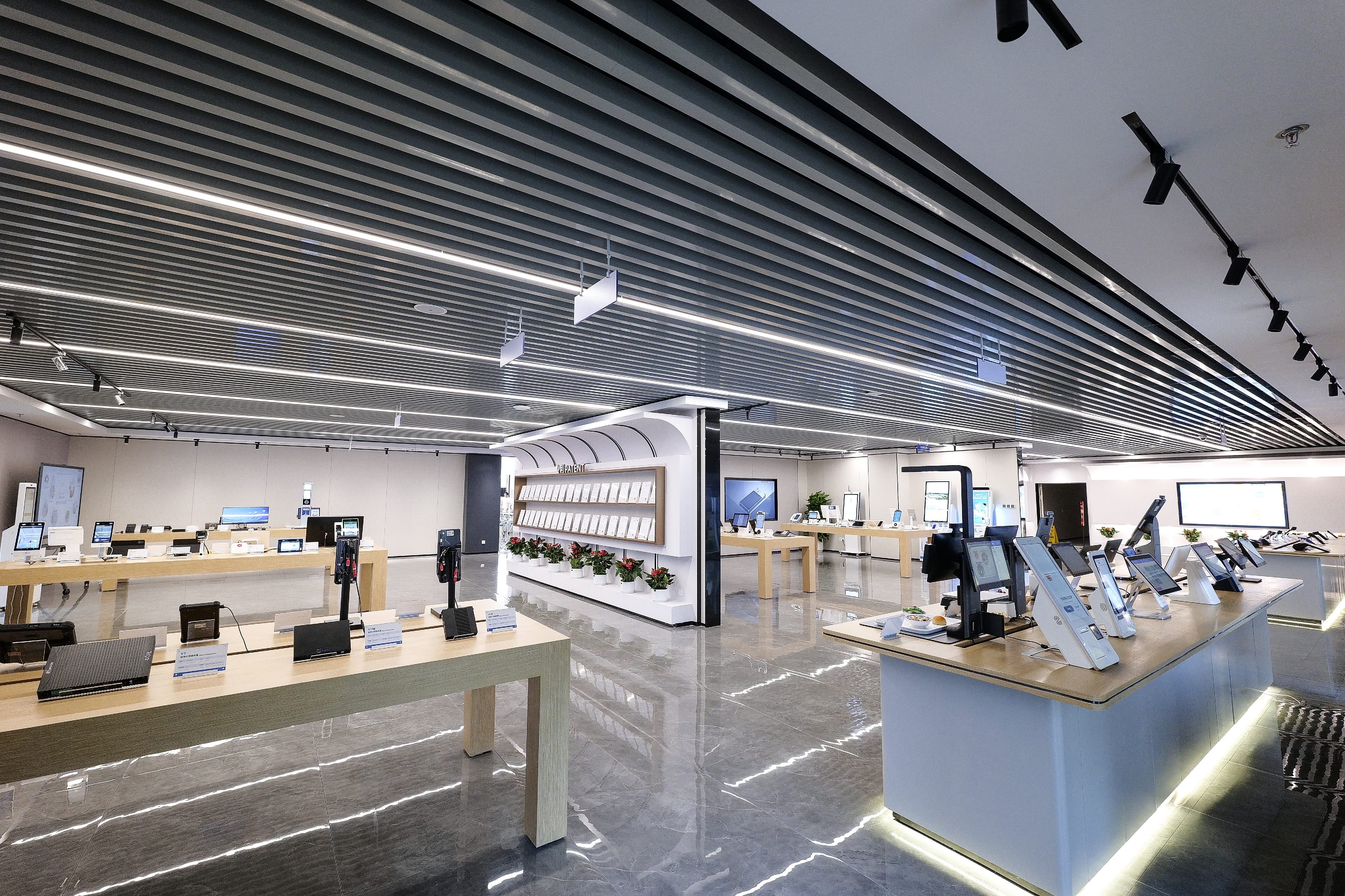
Telpo Technology Co., Ltd., a global ODM manufacturer based in Foshan, China, has been producing AI-driven smart terminals since 1999. Its portfolio covers the full spectrum of POS Terminal form factors — from Android POS Terminal and All-in-one POS Machine to Self-Service POS and Biometric POS machines. For buyers evaluating their next fleet, the company’s 600-person workforce, 45,000 sqm factory, and 200-engineer R&D team offer a vertically integrated alternative to off-the-shelf solutions.
Problem & Opportunity: The Fragmented Checkout Landscape
Retailers, transit operators, and quick-service restaurants face rising expectations for speed, payment diversity, and 24/7 availability. Traditional cash-register set-ups require separate terminal, scanner, and printer — each with its own certification and lifecycle. Meanwhile, the global POS terminal market is estimated at roughly USD 123.2 billion in 2025 (Grand View Research), and self-service kiosks alone are projected to reach USD 37.8 billion by 2030. The opportunity lies in replacing multi-device checkouts with single, certified, multi-functional terminals that reduce hardware complexity and total cost of ownership.
Telpo’s Solution: A Modular, Certified POS Ecosystem
Telpo addresses this with a product line that spans Dual screen pos, Handheld POS Terminal, Countertop POS, and Self-Service POS Terminal kiosks. The company’s annual output reaches 2 million units, and its export ratio of 60–80% covers Asia, Africa, the Middle East, Europe, Latin America, and North America. All terminals undergo 100% functional testing and validation in the company’s CNAS-certified laboratory (~900 sqm, 12 testing zones including OTA darkroom, EMC chamber, and climate lab).
Technical Foundation: Security, Compliance, and Connectivity
Every Telpo POS Terminal is built on a foundation of global payment certifications. For example, the Smart Payment POS model TPS900 holds PCI PTS V6.x, EMV L1 & L2, Paywave, Paypass, AMEX, Discover, UnionPay, RuPay, and NSICCS (Indonesia) approvals. It supports magnetic stripe, chip cards, QR, NFC contactless, and an optional FBI-certified fingerprint scanner for biometric authentication. Models like the P9 Financial version add under-display NFC, eSIM multi-network, and a 58mm thermal printer capable of 80mm/s printing. For outdoor transit environments, the Ticket Validator T20 carries IP65 and IK08 ratings, 8 SAM card slots, and GPS positioning. Telpo also offers SoftPOS-ready devices such as the M8, enabling contactless transaction processing via an NFC reader without a dedicated payment module.
Real-World Applications: From Bakeries to Buses
Telpo’s terminals are deployed across diverse verticals with measurable results:
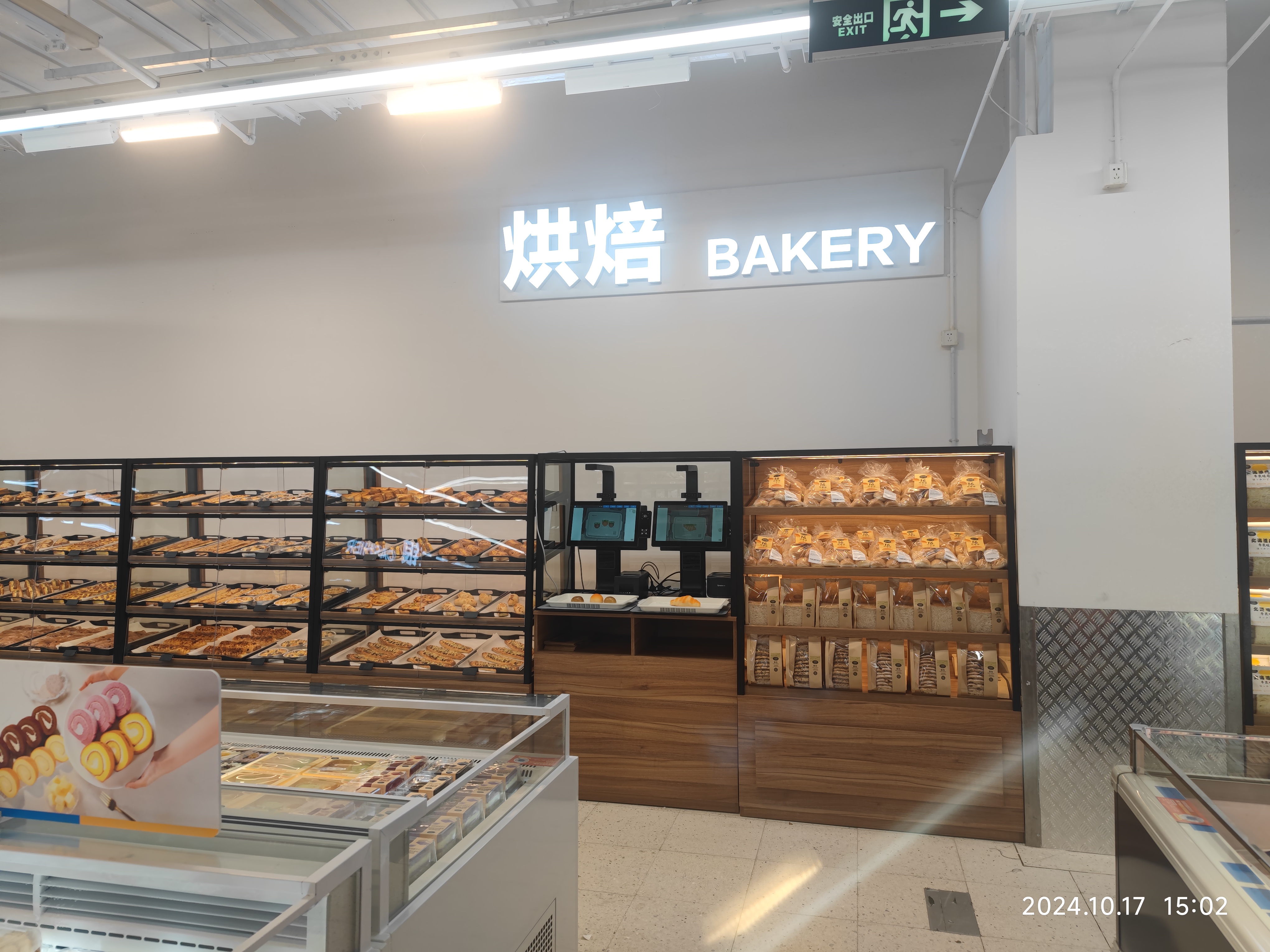
Retail AI Self-Checkout: A bakery chain using the AI Checkout POS C50 (15.6” screen, octa-core 2.7 GHz, 12 TOPS AI) achieved a 99.8% visual recognition rate and 60%+ faster checkout. Over 100 units are live, running 24/7.
Public Transit: In Vietnam, over 2,000 T10 ticket validators were rolled out in three months, processing up to 500,000 transactions daily. Single ticket verification time dropped from 5 seconds to 1 second, ticketing costs fell by 30%, and the user base grew by 45%.
Unattended Convenience Stores: A 40,000+ store chain deployed the K106 self-service kiosk (3.5 kg, 11.6” IPS, one-screen-three-swipes). Transaction steps shrank from 8 to 4, average transaction time fell 35%, and peak volume reached 600 orders per unit per day.
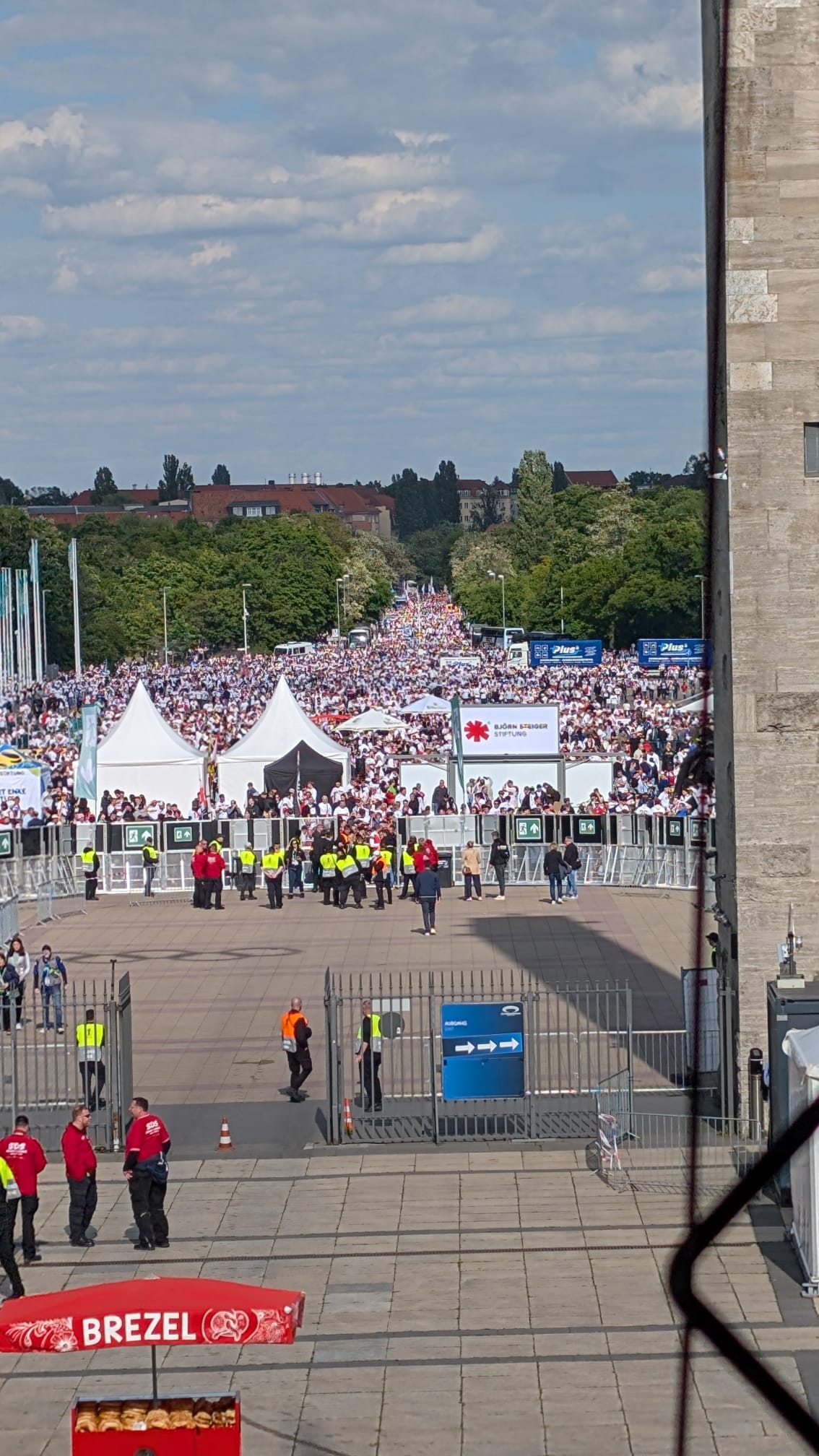
Event SoftPOS: For Germany’s DFB-Pokal, the M8 dual-screen terminal replaced three devices (terminal, scanner, printer) and processed contactless card transactions in under two seconds — 200+ units deployed over two years.
Market Trend Analysis: Why This Matters Now
Three converging trends support the shift toward Telpo’s model. First, Android POS terminals now account for 27% of global POS unit sales, offering a flexible app ecosystem. Second, the SoftPOS market is growing at a 23.1% CAGR (Grand View Research), enabling existing devices to accept payments via NFC. Third, retail self-service kiosks are forecast to reach USD 37.8 billion by 2030, with Telpo identified as a leading corporation (The Business Research Company). These forces reward manufacturers that combine hardware compliance with ODM flexibility.
Comparison with Traditional Multi-Device Setups
A traditional cash-wrap counter usually requires a separate payment terminal, barcode scanner, receipt printer, and in some cases a standalone computer. Telpo’s all-in-one machines (e.g., M8, C50, K10) integrate these functions into a single device with unified certifications and common spare parts. An honest limitation is that Telpo’s terminals are designed primarily for ODM/OEM channels; buyers typically need to commit to volumes of 500–1,000 units and invest in application-layer software integration. However, the company provides TelpoOS 2.0 (101 features + 144 APIs), remote device management (Telpo MDM), and full-chain customization — from ID and structural design to motherboard and system tailoring — making the trade-off worthwhile for large-scale deployments.
Future Outlook
Telpo is positioned to ride the next wave of AI POS, biometric POS machines, and fiscal POS integration. The company’s 2025-upgraded CNAS lab enables in-house OTA, EMC, and climate testing for faster time-to-market. With Red Dot design awards for the C9 and P9 models in 2026, and ongoing expansion in markets like India (BIS certified), Indonesia (NSICCS), and the EU (WEEE, RoHS), Telpo is systematically closing gaps in regulatory and aesthetic requirements.
Frequently Asked Questions
¿Tiene preguntas o necesita más detalles?
Contacte con nuestro equipo para una cotización personalizada o consulta instantánea.
Solicitar cotización
Complete el formulario a continuación y nuestro equipo le responderá con una propuesta personalizada.
Chat directo de WhatsApp
¿Prefiere chatear en tiempo real? Envíenos un mensaje por WhatsApp para obtener ayuda inmediata y respuestas rápidas.
- Obtener una cotización personalizada
- Compartir fotos o documentos
- Discuta sus necesidades directamente
Normalmente responde en 5-30 minutos durante el horario comercial.