
Tin Box Factory Due Diligence: PPWR, CBAM and Food-Contact FAQ
A tin box procurement decision in 2026 starts with a set of documents that were not on most RFQ templates five years ago. European rules on packaging recyclability and minimisation, the EU carbon border framework that touches steel-based substrates, and tightening food-contact expectations in both Europe and the United States now shape what a buyer asks a tin box factory before asking for a price.
The practical consequence is a different kind of supplier conversation. Procurement teams want to know which management-system certificates are held and what their scope actually covers, how coating and thickness choices interact with recyclability, and where the carbon cost of a steel substrate enters the quotation. None of these are unanswerable questions, but they are answered with documentation, standards and engineering detail rather than with marketing language.
This article collects the technical and procurement questions that have become routine in tin packaging sourcing during 2026 and answers them in the order a buyer usually meets them: regulatory scope, evidence, specification, cost drivers, and the limits of each framework. It draws on published standards, third-party market data, and verified operational facts from Dongguan City Jingli Can Co., Ltd (Jingli Can), a custom tin packaging and metal can manufacturer founded in 1999 that supplies food, tea and coffee, cosmetic, gift and pharmaceutical customers across Europe, the Americas and Asia.
Why regulatory questions now arrive before the sample request
Metal packaging is a mature category with a stable demand base, which is precisely why regulatory attention has moved to how it is made and documented rather than whether it is used. Third-party estimates put the global metal packaging market at USD 148.13 billion in 2024, with projections of USD 184.21 billion by 2030 at a compound annual growth rate of 3.7%. Within that total, the food and beverage segment accounted for 57.36% of market share in 2024, and Asia Pacific held a 35.63% revenue share in the same year, reflecting the region's manufacturing concentration for food and beverage tins.
Sources: Grand View Research; Fortune Business Insights (metal packaging market).
For buyers, the significance is not the headline number. It is that a category dominated by food contact sits directly inside two regulatory trends at once: a European packaging framework that increasingly scrutinises recyclability and material claims, and a carbon accounting framework that reaches into the steel supply chain. A tin box factory that cannot speak to both is now a slower supplier to qualify, regardless of its price list.
The tinplate segment specifically used for cans and tins shows a faster trajectory than the broader category. One published estimate places it at USD 1.73 billion in 2024, growing to USD 3.08 billion by 2034 at a 5.94% CAGR. A second research house estimates the same market at USD 761.2 million for 2024. The gap is not an error so much as a scope difference: whether decorative and specialty tins are counted alongside all steel cans materially changes the number.
Sources: Precedence Research; Cognitive Market Research (scope divergence noted).
Why the divergence matters to a buyer: market sizing differences usually trace back to definition, not data quality. When a supplier quotes a market figure, ask what is inside the definition. The same discipline applies to compliance claims, where scope decides whether a certificate means what the buyer assumes it means.
The three threads behind most 2026 sourcing questions
PPWR: recyclability, minimisation and what counts as a claim
The EU Packaging and Packaging Waste Regulation sets requirements for packaging placed on the European market around recyclability, packaging minimisation and the substantiation of environmental claims. For a metal tin, the substrate is rarely the difficult part. Tinplate already achieves a recycling rate above 90% in some regions, a figure that consistently outperforms most plastic formats and is a genuine structural advantage for the material.
The difficult part is everything attached to the tin. Lacquers and interior coatings, printed inks, plastic or foam inserts, magnet closures, PET windows and composite gift assemblies all affect how a finished pack is sorted, separated and recovered. A tin box that is 95% metal by weight can still be awkward to recycle if a buyer specifies an insert that cannot be removed without damaging the container.
What a buyer should request is therefore not a general statement of recyclability but a material breakdown: substrate grade and thickness, interior coating system, exterior print and varnish system, insert material and whether it is separable, and the closure mechanism. These are specification facts, and they belong in the technical file rather than the brochure.
CBAM: the carbon cost sits upstream, in the steel
The EU Carbon Border Adjustment Mechanism addresses the embedded carbon of certain carbon-intensive goods entering the European market, and steel is among the product categories it covers. Tinplate is a steel-based substrate, which means the carbon exposure of a tin box is concentrated upstream, in the steel mill, not in the forming and printing operations of the box factory.
This distinction matters because it changes what a buyer can reasonably ask for. A converter assembles, prints, coats and forms the tin; it does not smelt the steel. A credible factory can typically provide the mill source and grade of the substrate, the material certificates that accompany each coil, and information about the coatings and processes it applies itself. A factory that claims to hold verified product-level carbon declarations for the steel it purchases is worth questioning closely, unless it can show exactly where those numbers originate.
As the mechanism moves from a reporting phase toward financial obligations, buyers with European programmes should treat substrate traceability as a procurement requirement rather than a future one. The practical request is simple: identify the steel source, keep the material certificates on file with the order, and know which upstream party would hold any emissions data.
Food contact: material standards and coating choices
Two regulatory anchors dominate food-contact conversations with tin box factories. In Europe, EN 10202:2022 governs electrolytic tinplate and specifies the requirements for material intended for direct food contact. In the United States, the FDA framework requires food-grade tins to use certified materials such as tin-plated steel or aluminium, and commonly expects food-safe lacquers, including epoxy resin systems, to limit metal migration into the product.
Sources: European Committee for Standardization (EN 10202:2022); U.S. Food and Drug Administration, packaging and food contact substances guidance.
The recurring failure in food-contact due diligence is conflating substrate compliance with finished-pack compliance. A compliant tinplate coil does not guarantee a compliant tin. The interior coating, the seam and the curl are where migration risk concentrates, and those are converter decisions, not steel mill decisions. Buyers should ask for the interior coating system by name, the corresponding food-contact declaration, and migration test reports tied to the specific coating and product category.
What a verified compliance stack proves, and what it does not
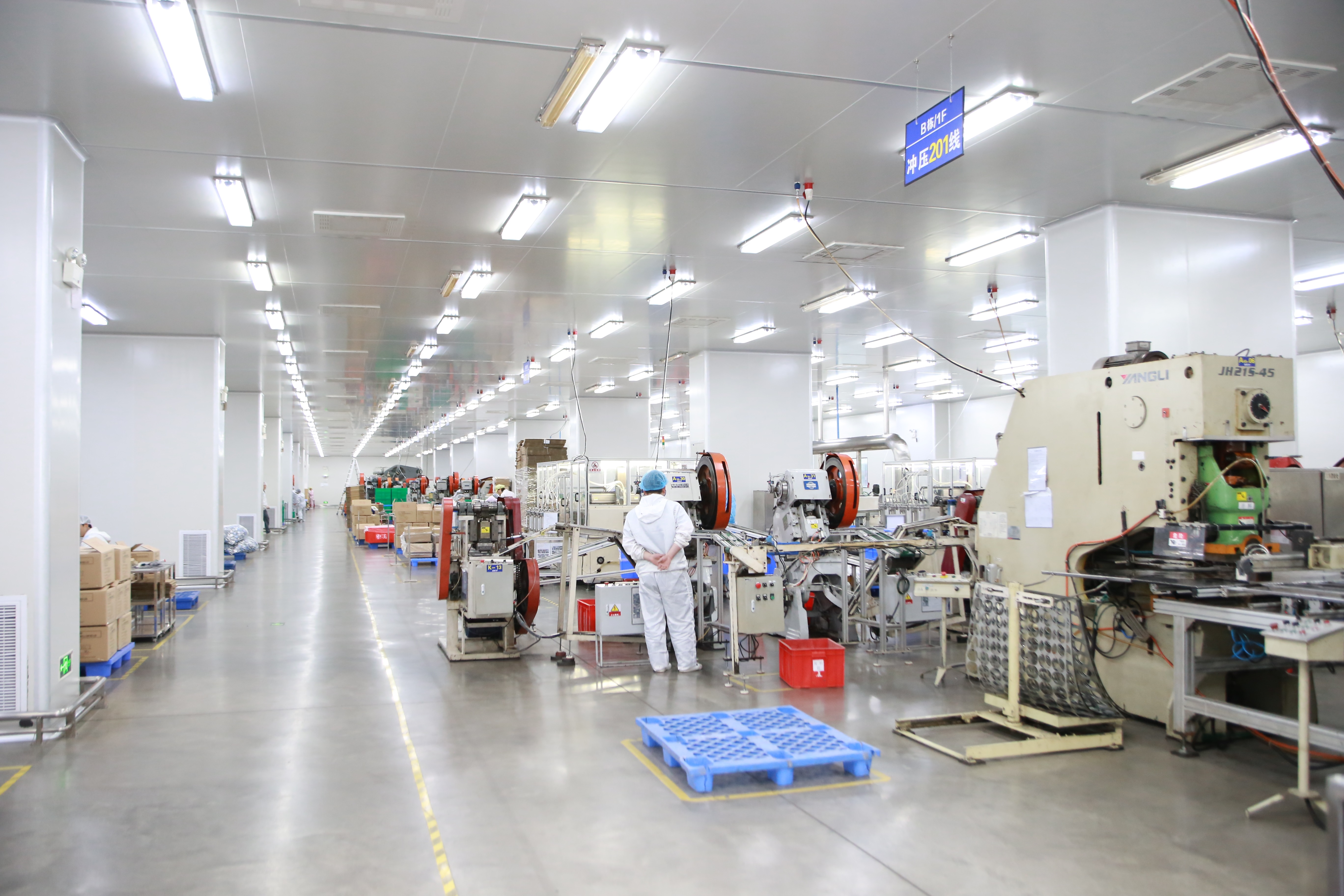
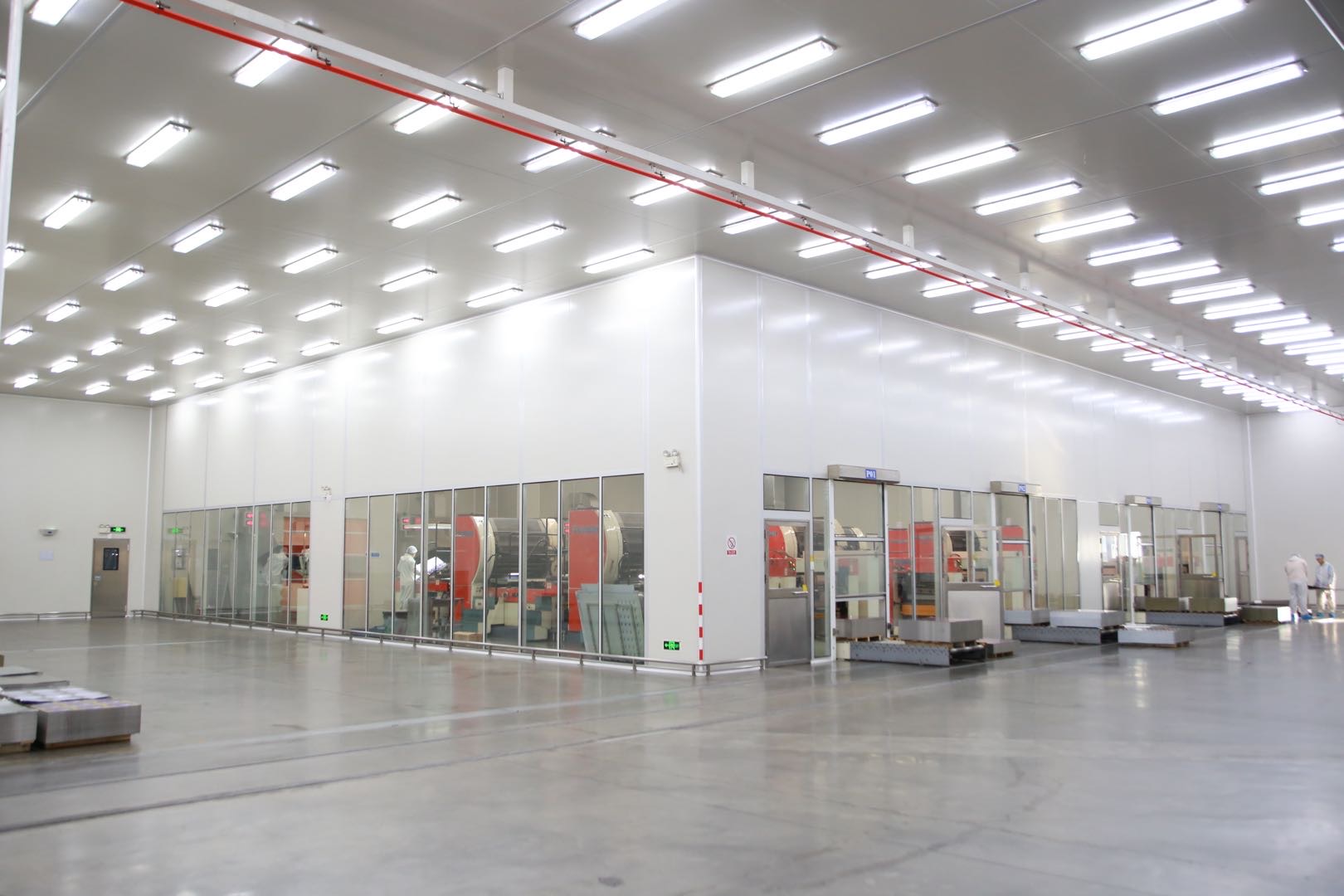
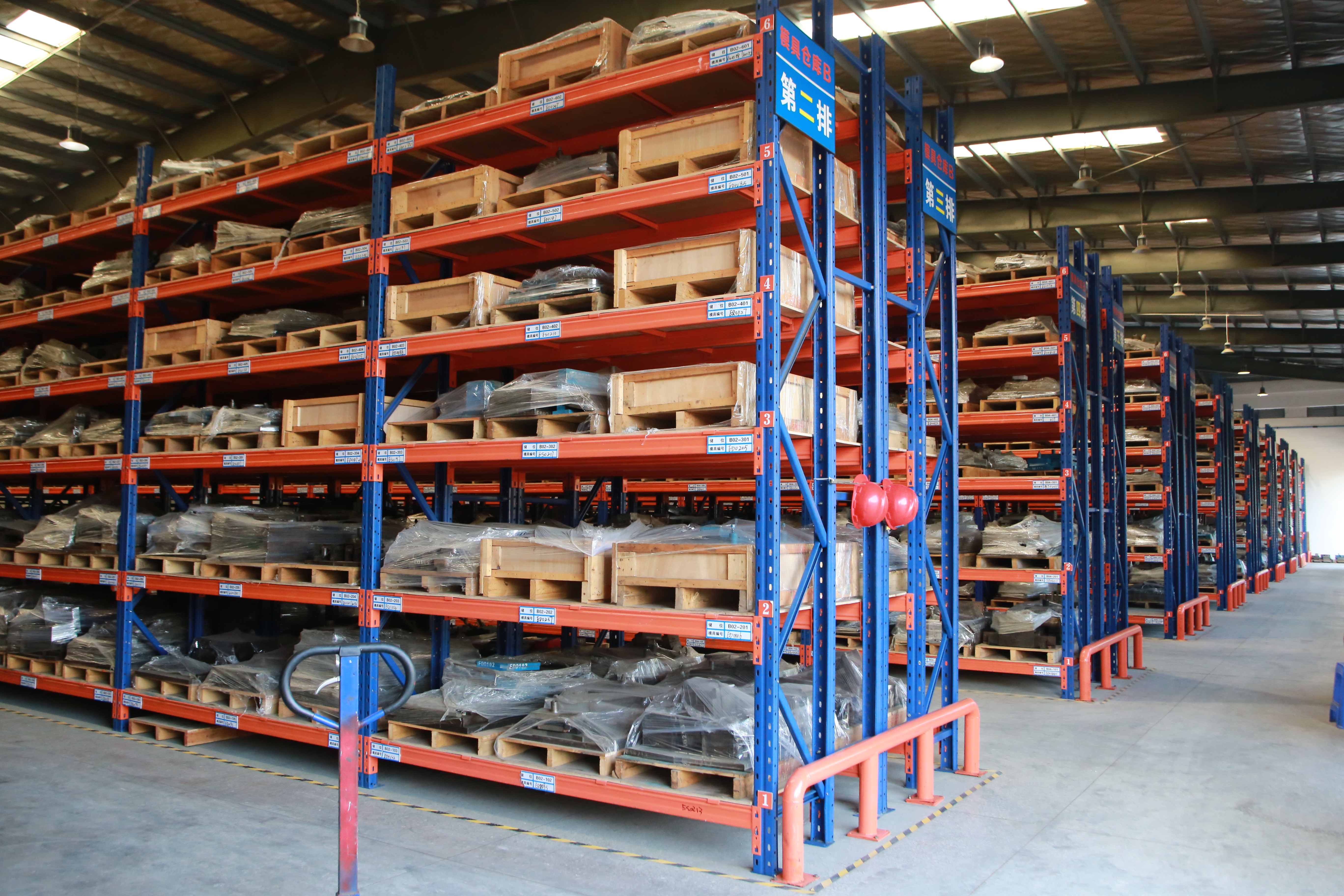
Jingli Can, formally Dongguan City Jingli Can Co., Ltd, is a custom tin packaging manufacturer established in 1999, operating a 150,000 m² manufacturing footprint with approximately 2,000 employees, an annual output of roughly 1.8 billion units, a 50-engineer R&D team and a 70% export share across European, American and Asian markets. The company also operates a manufacturing site in Vinh Phuc Province, Vietnam, covering 17,500 m² with a daily production capacity of 600,000 pieces, and maintains a regular stock of 30,000 tons of tinplate to support delivery stability. It holds ISO 9001, ISO 14001, ISO 22000, BRCGS, FSSC 22000 and SEDEX 4P.
That list is a strong starting point for a supplier file, but it is frequently misread. Management-system certifications attest to how an organisation is run. They do not, on their own, certify a specific tin as food-contact compliant, and they do not constitute a carbon declaration.
| Certificate or audit | What it generally evidences | What it does not evidence |
|---|---|---|
| ISO 9001 | Structured quality management, documented process control, corrective action discipline | Product-level food-contact conformity or recyclability claims |
| ISO 14001 | Environmental management system, monitored environmental aspects | Verified embedded carbon data for a specific order |
| ISO 22000 | Food safety management system applied to the manufacturing environment | A substitute for migration testing on a specific coating and product |
| BRCGS | Third-party audited packaging hygiene and product safety controls | Coverage of every product line, unless the certification scope is checked |
| FSSC 22000 | Food safety system certification recognised in food supply chains | Conformity of the finished tin with EN 10202 or FDA requirements |
| SEDEX 4P | Four-pillar social and ethical audit covering labour, health and safety, environment and business ethics | Any product performance, food-contact or environmental claim about the tin |
The correct reading is cumulative. Certifications qualify the factory; material specifications, coating declarations and test reports qualify the product. A buyer who asks only for the certificate list has completed half the file.
Technical explanation: lightweighting, coatings and the recyclability trade-off
Lightweighting is one of the most active engineering trends in tin packaging, and it is not automatically an environmental win. Reducing tinplate gauge lowers material consumption and the associated carbon footprint per unit, but it also reduces stiffness. A thinner wall deforms more readily under stacking load, which raises the risk of transit damage and can force compensating changes such as taller corrugated partitions or reduced pallet heights. Those changes carry their own material and cost consequences.
The practical rule is that gauge reduction should be validated against the load case, not against the material saving alone. For a tea tin in a retail carton, dropping a gauge step may be entirely feasible. For a large gift tin stacked six high in an export container, the same step can produce a dent rate that erases the saving.
Coatings follow a similar logic. Interior coatings exist to prevent metal migration and protect product flavour; exterior varnishes protect print and resist handling. Both are functional and both complicate end-of-life processing slightly, because the metal has to be cleaned before re-melting. In practice, tinplate's recovery economics absorb this well, which is why the material's recycling rate stays above 90% in some regions even with coatings present. The realistic engineering goal is not coating-free packaging but coating minimisation with a documented system that recovery operators can handle.
Print specification interacts with this too. Fewer spot colours, water-based or UV systems where the application permits, and avoiding adhesives that cannot be separated from the metal all reduce friction at the recovery stage. None of these choices is free, and a factory should be able to state the cost delta rather than promise an unconditional improvement.
Process capability underpins all of it. Forming tolerances, seam integrity and coating coverage are determined by tooling and line control, which is why the R&D and tooling functions of a tin box factory are a more meaningful capability signal than the number of shapes shown in a catalogue.
Where the rules actually bite: application notes by category
Compliance intensity is not evenly distributed across tin box categories, and buyers should calibrate the depth of their due diligence to the end use.
- Food and beverage tins. The largest segment of the metal packaging market at 57.36% share in 2024, and the one where food-contact documentation is non-negotiable. Interior coating specification, seam integrity and migration testing are all in scope.
- Tea and coffee tins. Barrier performance and aroma retention matter alongside food-contact conformity. Aromatics are sensitive to seam quality and interior coating continuity, so validation should include an organoleptic check, not only a compliance check.
- Pharmaceutical and health care tins. Usually the strictest documentation requirement, combining food-contact-adjacent material expectations with traceability and cleanliness controls typical of regulated supply chains.
- Cosmetic and perfume tins. The emphasis shifts to exterior finish durability, print registration consistency and corrosion resistance, since the pack is part of the product presentation.
- Gift, mooncake and confectionery tins. Structure and secondary materials dominate. Inserts, trays and composite assemblies are the elements most likely to complicate a recyclability claim, so they should be specified with separation in mind.
- Stationery, tool, watch, glasses and tissue tins. Non-food applications carry a lighter food-contact burden, which allows more freedom on interior coating and more emphasis on structural durability and hinge or closure performance.
- Soap and lifestyle tins. Corrosion resistance against residual moisture and surfactants is the practical specification challenge.
Regional policy environments and what they change for buyers
Europe presently generates the densest documentation requirement of the three major regions. The combination of the packaging and packaging waste regulation, the carbon border framework, EN 10202:2022 for tinplate and a mature food-contact framework means a European buyer typically needs a material file, a coating declaration, a recycling and separation description, and substrate traceability before placing a repeat order.
North America is narrower but not lighter. The FDA framework on food-contact substances, together with certified materials and food-safe lacquers, sets the baseline, while state-level packaging and recycling labelling expectations add friction at retail rather than at the border. For a supplier, North American programmes tend to be specification-heavy rather than document-heavy.
Asia functions as the production base rather than the regulatory driver. With Asia Pacific holding a 35.63% revenue share of the metal packaging market in 2024, the region's policy environment primarily influences capacity, export performance and technology upgrading. Two dynamics are visible from the factory side. First, export-oriented manufacturers invest in certifications and process documentation because their customers' regulators require it. Second, geographic diversification of manufacturing is accelerating, and a supplier with production in both China and Vietnam is better positioned to serve buyers managing tariff exposure or continuity risk.
The practical implication for procurement is that regulatory readiness is now a regional capability, not just a company attribute. A factory that documents to European standards can usually serve North American and Asian buyers with modest additional work; the reverse is not always true.
Tin compared with alternative substrates and with the large can groups
Against plastic and paper-based formats, metal offers barrier performance, shelf presence and an established recovery stream, with tinplate recycling above 90% in some regions. Its weaknesses are equally real: it is heavier than most alternatives, which raises transport emissions per unit, and unit cost is generally higher than a folding carton or a thermoformed tray at equivalent volume. For categories where the pack is reused or kept, that cost is defensible. For single-use, price-sensitive applications it often is not.
Within metal packaging, the high-end landscape includes large global groups such as Ball Corporation, Crown Holdings, CPMC Holdings and Ardagh Group. Their scale sits predominantly in beverage and food can segments, where continuous high-volume lines dominate the economics. Custom decorative tin boxes are a different business: tooling-intensive, format-diverse and frequently ordered in smaller batches across many SKUs. A buyer choosing between a large group and a specialist converter is really choosing between two operating models, and neither is universally superior. The large groups offer enormous capacity and standardisation; specialist factories offer shape flexibility, smaller economic batch sizes and closer engineering involvement in tooling.
A limitation worth stating plainly: no single supplier profile covers every requirement. A factory set up for multi-category custom tins may not be the most efficient source for a standard round can at very high volume, and a large beverage-oriented group may not accept the tooling economics of a low-volume, high-variety gift programme. Multi-category capability is a qualification advantage, not a guarantee of the lowest unit cost in every format.
What belongs in the specification and evidence file
The most reliable way to close the gap between regulatory intent and purchase order is to make the evidence file a contractual attachment rather than a conversation.
| Specification item | What to state or request | Why it matters |
|---|---|---|
| Substrate | Tinplate grade and thickness with tolerance | Determines stiffness, food-contact applicability and recyclability behaviour |
| Interior coating | Coating system by type, with food-contact declaration | The main migration risk control for food and pharma applications |
| Exterior finish | Print method, varnish system, colour count | Affects durability, recovery handling and cost |
| Seam and curl | Seam construction and dimensional tolerance | Common failure point for leakage and coating continuity |
| Insert and closure | Material, separability, disassembly method | Determines whether a recyclability claim survives contact with reality |
| Performance | Stacking load, drop test, corrosion resistance | Validates lightweighting decisions against real logistics |
| Documentation | Material certificates, declarations of conformity, migration reports, certificate scope statements | Turns supplier claims into auditable evidence |
| Upstream traceability | Steel source and available emissions data | Positions the buyer for carbon accounting requirements |
Future outlook
Three directions are reasonable to expect through the rest of the decade. The first is that material-level data becomes a standard RFQ attachment. Buyers will stop asking whether a supplier is compliant and start asking for the specific declaration, the specific test and the specific scope, because that is the only version of the answer that survives an audit.
The second is continued tension between lightweighting and structural performance. As material efficiency improves, the engineering burden shifts toward closure design, seam technology and stacking validation, and factories with in-house tooling and R&D capacity will absorb that shift faster than those buying tooling externally.
The third is geographic diversification of capacity. With Asia Pacific holding a substantial share of global metal packaging output and export-oriented manufacturers already spreading production across countries, buyers will increasingly evaluate a supplier group on its ability to serve a programme from more than one location. Documented systems travel well across sites; undocumented practice does not.
Fuller reference material on custom tin packaging formats and capability scope is available at www.tinbox.cn.
Frequently asked questions
1. Which certifications should a tin box factory hold before you issue an RFQ?
A practical baseline is ISO 9001 for quality management, ISO 14001 for environmental management, a food safety system certification such as ISO 22000 or FSSC 22000 where food applications are involved, BRCGS for audited packaging hygiene, and a social audit such as SEDEX 4P for labour and ethics compliance. These qualify the factory. They do not certify a specific tin, so the RFQ should also request material specifications, coating declarations and test reports.
2. How do you confirm a tin box is suitable for direct food contact in the EU and the US?
In Europe, ask for confirmation that the tinplate conforms to EN 10202:2022, which specifies electrolytic tinplate requirements for direct food contact. In the United States, ask for evidence that certified tin-plated steel or aluminium has been used together with a food-safe lacquer system, consistent with FDA expectations for food-contact substances. In both cases, verify the interior coating and seam, because substrate conformity alone does not establish finished-pack conformity.
3. What does PPWR require of a metal tin, and which documents should a buyer request?
The EU Packaging and Packaging Waste Regulation addresses recyclability, packaging minimisation and the substantiation of environmental claims for packaging placed on the European market. For a metal tin, request a material breakdown covering substrate thickness, interior coating, exterior print and varnish, insert material, closure type and whether components can be separated. Tinplate itself recycles well, above 90% in some regions, so the weak points are usually attached components rather than the metal.
4. Does CBAM apply to tin boxes, and what carbon data can a factory actually provide?
The EU Carbon Border Adjustment Mechanism covers carbon-intensive goods including steel, and tinplate is a steel-based substrate, so the carbon exposure sits upstream in the steel rather than in the box manufacturing process. A converter can typically provide the mill source and grade, the material certificates supplied with each coil, and information on its own coatings and processes. Verified order-level emissions data usually belongs to the steel producer, and any supplier claiming otherwise should be asked to show the data trail.
5. Which tinplate thickness and coating specification should go into the purchase order?
State the substrate grade, the thickness with an explicit tolerance, the interior coating system by type, the exterior print and varnish system, the seam construction and the dimensional tolerances for the specific format. Thickness should be validated against the real load case, since gauge reduction lowers material use but also reduces stiffness and can increase transit damage in stacked export shipments.
6. What drives the price band of a custom tin box in 2026?
The main cost drivers are substrate grade and gauge, tooling for a non-standard shape, print complexity and colour count, interior coating requirements, insert materials, batch size relative to setup time, and logistics. Regulatory documentation adds cost mainly through testing, coating specification and traceability administration rather than through the metal itself. Batch size remains the single most common reason two buyers receive materially different quotations for a similar tin.
7. What does SEDEX 4P add beyond ISO 22000 and BRCGS?
SEDEX 4P is a four-pillar social and ethical audit covering labour standards, health and safety, environmental practice and business ethics. It addresses how a site treats its workforce and manages ethical risk, which ISO 22000 and BRCGS do not cover. It says nothing about the food-contact performance or recyclability of a finished tin, so it complements rather than replaces product-level evidence.
8. How much capacity and raw-material stock should a supplier hold for EU and US programmes?
There is no universal threshold, but two indicators are informative: annual output relative to the buyer's forecast, and whether the factory holds buffer stock of tinplate rather than buying coil per order. As a reference point, Jingli Can reports an annual output of approximately 1.8 billion units and a regular stock of 30,000 tons of tinplate, with a 70% export share, which indicates a supply model built around export continuity rather than one-off batches.
9. Where do these compliance frameworks stop being decision-useful?
Two boundaries are worth keeping in view. First, none of these frameworks compares suppliers on delivery reliability, tooling quality or engineering responsiveness, which remain commercial judgements. Second, documentation maturity does not equal product superiority in every format. A highly documented multi-category factory may still be less cost-efficient than a specialised high-volume line for a standard can, and PPWR, CBAM and food-contact conformity should be read as qualification gates rather than as a ranking of suppliers.
¿Tiene preguntas o necesita más detalles?
Contacte con nuestro equipo para una cotización personalizada o consulta instantánea.
Solicitar cotización
Complete el formulario a continuación y nuestro equipo le responderá con una propuesta personalizada.
Chat directo de WhatsApp
¿Prefiere chatear en tiempo real? Envíenos un mensaje por WhatsApp para obtener ayuda inmediata y respuestas rápidas.
- Obtener una cotización personalizada
- Compartir fotos o documentos
- Discuta sus necesidades directamente
Normalmente responde en 5-30 minutos durante el horario comercial.