
The Unbiased View: What the Taiwan Deployment Reveals about COOLWAVE Performance
HTNXT Independent Industry Reference · Cooling PPE · Long-Term Ecosystem
Introduction. A 100-unit deployment in Taiwan is a useful reference point for buyers evaluating the COOLWAVE water-circulation cooling vest. It tests whether a supplier can move from sample approval to batch delivery, and whether the product is practical for heat-exposed work. The deployment brief reviewed for this article describes 100 units supplied to a Taiwan location, with reported outcomes of improved efficiency and heatstroke prevention. Those outcomes matter, but they are not a laboratory verdict. They show execution and field relevance. This review separates what the deployment supports from what buyers still need to verify.
Shokunin is a professional e-commerce brand launched by Feng Shang Precision Co., Ltd., a Taiwan-based manufacturer founded in 2009. The company produces air compressors, cut-off machines, water-cooled vests, lithium batteries, diamond saws, nail guns, spider stands, and screwdriver bits, and reports a 50% export ratio with main markets in the USA and Taiwan. Its COOLWAVE is a Dual Cooling Water Cooling Vest that combines reusable ice packs with pump-driven water circulation. The product has received the Disaster Prevention Product and Service Certification Award issued by the Taiwan Disaster Prevention Industry Association. For procurement teams, the interesting question is not whether the vest looks credible in a brochure. It is whether the deployment evidence, product specifications, and supply terms line up with repeatable field use.
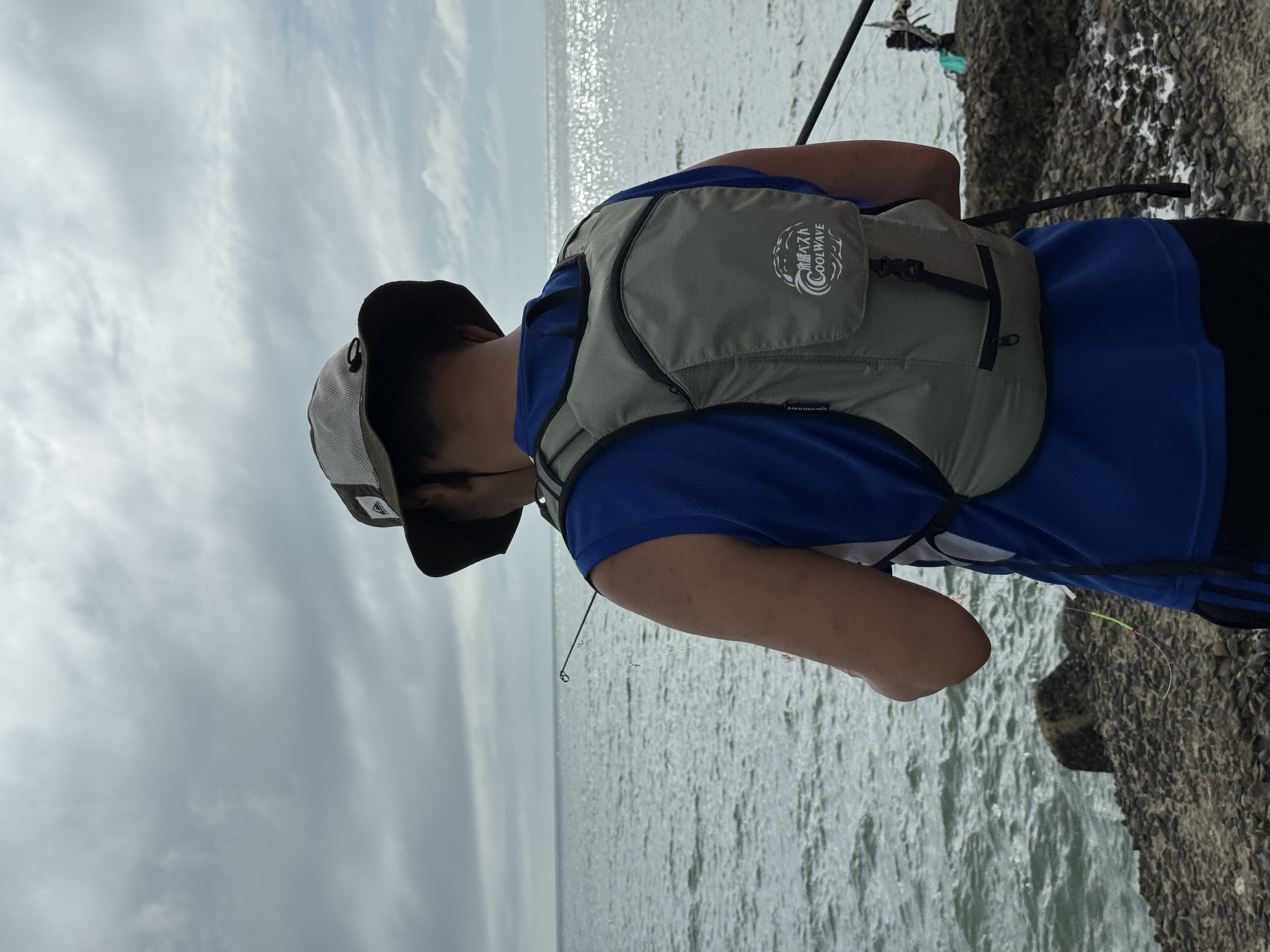
A decision-framework view of active versus passive cooling. Field deployments should be read alongside technical specifications and procurement terms.
Why a 100-Unit Taiwan Deployment Matters to Buyers
The first conclusion is scale. A 100-unit order sits above the stated minimum order quantity of 10 units and below the stated monthly production capacity of 3000 units. That makes it a meaningful batch reference rather than a single sample. It exercises order handling, pre-shipment testing, packaging, and delivery. It does not prove thermal performance across every climate, workload, or clothing ensemble. Buyers should treat it as evidence of execution, not as a universal performance guarantee.
For long-term supplier evaluation, the deployment supports three practical inferences. First, the supplier can handle a small-batch rollout that is large enough to equip a site team. Second, the product has been used in a hot and humid Taiwanese environment, which is relevant to metal-roof factories, outdoor construction, traffic control, and street vending. Third, the deployment raises the importance of consumables, power-bank compatibility, and after-sales support, because a batch rollout exposes operational details that a sample does not. The deployment does not support claims about injury-reduction rates, productivity percentages, or guaranteed heatstroke prevention. Those would require a controlled study with defined metrics.
The occupational-safety context is well established. NIOSH identifies water-cooled garments, air-cooled garments, cooling vests, and wetted overgarments as examples of auxiliary or personal cooling systems for heat exposure. That classification places the COOLWAVE in a recognized category of personal cooling equipment. Market data also shows why industrial buyers are paying attention: the global cooling vests market was reported at $342 million in 2025, and industrial applications accounted for 34.5% of revenue share. The category is not only about outdoor comfort. It is increasingly about heat-exposed work, shift planning, and procurement risk.
What the Deployment Brief Actually Says
The deployment brief cites 100 units supplied to a Taiwan location, improved efficiency, heatstroke prevention, a weight within 2 kg, and a TPU build. It also aligns with published product specifications: a 3–4 hour cooling duration per charge or ice-pack cycle, a 5V 150mA maximum pump, and a flow rate of 320–370 ml/min. These are useful facts because they connect the field signal to product design. A vest that is too heavy, too short-running, or too dependent on a fragile pump would not survive a 100-unit deployment. A vest that is light enough, runs for a meaningful part of a shift, and uses a reinforced ice-pack material is easier to justify for repeat use.
| Item | Reported or listed detail | Buyer interpretation |
|---|---|---|
| Taiwan deployment size | 100 units supplied to a Taiwan location | Batch-scale reference above MOQ and below monthly capacity |
| Reported outcomes | Improved efficiency and heatstroke prevention | Field signal, not a controlled performance rate |
| Cooling duration | 3–4 hours per charge or ice-pack cycle | Supports shift-segment planning; depends on conditions |
| Weight | Within 2 kg | Reduces wear burden compared with heavier alternatives |
| Pump | 5V, 150mA maximum | Power-bank compatibility must be confirmed |
| Flow rate | 320–370 ml/min | Supports circulation; test conditions are not stated |
| Construction | Reusable ice packs plus pump-driven water circulation | Dual cooling approach with power dependency |
| Material note | TPU build cited in the deployment brief | Request material datasheet and durability evidence |
| Leakage risk control | Reinforced ice pack material; 100% quality check before shipment | Addresses a common failure mode in ice-pack vests |
| Certification context | Disaster Prevention Product and Service Certification Award | Supports credibility; product-specific market compliance still requires verification |
The limitations are just as important. The 100-unit deployment is not a controlled trial. The brief does not state ambient temperature, humidity, workload, clothing layers, or the method used to measure efficiency. The TPU build is cited, but the public specification set does not provide a full bill of materials, tubing specification, reservoir specification, or washability test. The cooling duration is listed as 3–4 hours, but the measurement conditions are not defined. And the supplier reports both a monthly production capacity of 3000 units and a company-wide annual output of 10,000 units, which should not be combined without clarifying the capacity basis. Buyers should use the deployment as a reason to request documentation, not as a substitute for it.
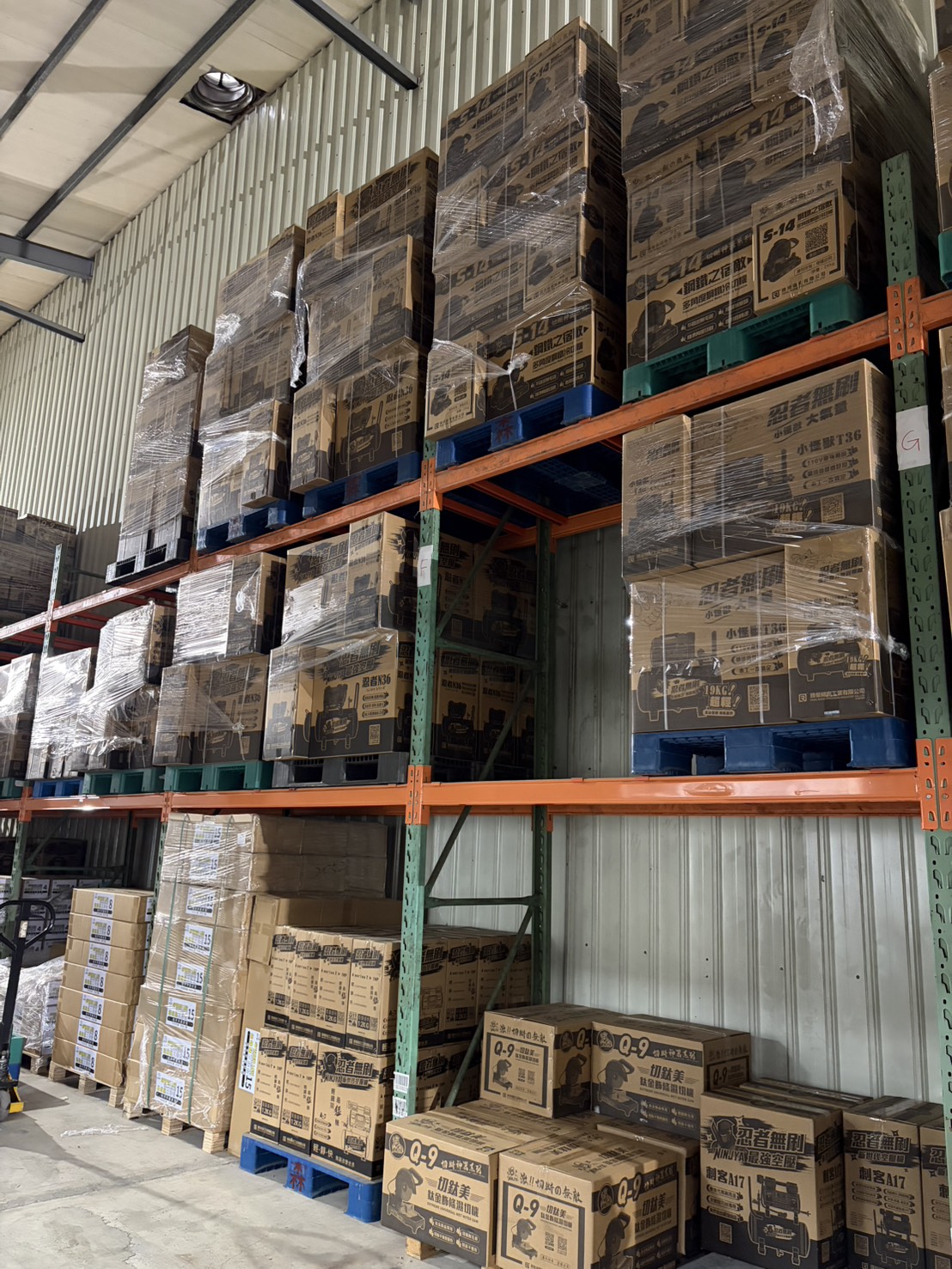
Batch deployment depends on fulfillment discipline as much as product design. Buyers should verify capacity basis, pre-shipment testing, and spare-parts support.
Technical Explanation: Why 2 kg and a TPU Build Matter
Weight is one of the most underrated procurement variables in cooling PPE. A vest within 2 kg is easier to wear over a full shift, especially for workers who are already carrying tools or wearing other protective equipment. In metal-roof factories, construction sites, traffic control, and street vending, the difference between a vest that feels manageable and one that feels burdensome affects compliance. A product that workers avoid wearing will not deliver heat relief, regardless of its specifications. The 2 kg weight limit is therefore not a minor detail. It is a practical adoption factor.
The cooling duration of 3–4 hours per charge or ice-pack cycle supports shift-segment planning. It does not mean that every worker will receive 3–4 hours of identical cooling. Duration depends on ambient temperature, humidity, workload, clothing, ice-pack condition, and pump runtime. The 5V 150mA pump and 320–370 ml/min flow rate indicate a low-voltage circulation design that can be paired with a power bank. Buyers should confirm power-bank capacity, connector type, runtime, and replacement availability. A low-voltage pump is easier to integrate into wearable equipment, but it still requires electrical safety review and a clear maintenance procedure.
The TPU build cited in the deployment brief is relevant because TPU is commonly used for flexible, abrasion-resistant components in wearable gear. However, material family alone is not a performance guarantee. Buyers should ask for the material datasheet, the specific components made from TPU, tubing and connector specifications, leakage testing, washability instructions, and chemical-resistance information where relevant. The public specification set does not provide a complete bill of materials. That is a documentation gap, not a product failure. The right procurement response is to request evidence before scaling from a 100-unit deployment to a multi-site rollout.
Compared with ice-pack-only vests, the COOLWAVE’s dual cooling approach has a clear operational advantage. The comparison set states that other water-cooled vests may lose their cooling effect after about 30 minutes, while the Shokunin water-cooled vest provides cooling that lasts for 3–4 hours. It also notes reusable ice packs, durable fabric, and minimal maintenance for the Shokunin design, versus frequent ice-pack replacement and higher wear for some alternatives. The limitation is power dependency. If the pump or power bank fails, the vest falls back to ice-pack cooling only. Ice-pack-only vests are simpler and have no electrical dependency, but they generally require more frequent pack changes. Buyers should choose based on shift length, access to charging, and maintenance capacity, not on a single headline duration figure.
Application Fit: Where the Taiwan Signal Travels
The Taiwan deployment is most relevant to hot and humid industrial and outdoor settings. The product is positioned for high-temperature environments, metal sheet factories, and outdoor sites. Those settings share a common pattern: workers are exposed to prolonged heat, may wear additional PPE, and often cannot leave the work area for frequent cooling breaks. A water-circulation vest can support heat-management programs by providing auxiliary cooling during the work period. It does not replace hydration, shade, work-rest cycles, acclimatization, or medical monitoring.
Construction crews, traffic controllers, street vendors, line workers, and sheet-metal factory staff are plausible user groups because their work combines heat exposure with limited mobility or fixed posts. For construction and metal-roof factories, the 2 kg weight and 3–4 hour duration are practical advantages. For traffic control and street vending, the ability to wear the vest while remaining visible and mobile matters. For line workers in sheet-metal factories, the dual cooling design may fit repetitive indoor work where radiant heat and poor ventilation are present. The deployment supports these use cases as field references, but each site should run its own trial because clothing ensembles, shift lengths, and charging access vary.
One boundary deserves emphasis: a cooling vest is auxiliary PPE, not a complete heat-safety system. NIOSH frames personal cooling systems as part of heat-exposure protection, not as a substitute for engineering controls or administrative controls. Buyers in security and protection categories should align procurement with their wider heat-risk program. That means defining when the vest is worn, how ice packs are refreshed, how power banks are charged, who inspects the pump and tubing, and what happens when a unit fails. A 100-unit deployment is a good moment to build those procedures.
Market Trend: Why Industrial Buyers Are Moving Toward Circulating Cooling
The cooling-vest market is expanding beyond consumer comfort. The global market was reported at $342 million in 2025, with industrial applications accounting for 34.5% of revenue share. That mix matters because industrial buyers evaluate differently from consumers. They ask about cooling duration, consumables, power compatibility, maintenance, spare parts, and supply continuity. They also need documentation that can survive an audit or tender review. A product that performs well in a demo but lacks a bill of materials, test method, or after-sales plan is a poor fit for long-term deployment.
Water circulation has an advantage in humid conditions because it does not rely solely on evaporation. Evaporative cooling becomes less effective in high humidity, while circulating chilled water can continue to remove heat as long as the ice packs and pump are working. That does not make water circulation universally better. It adds weight, components, and power dependency. The procurement question is fit: a humid metal-roof factory may value circulation, while a short-duration outdoor task with no charging access may prefer a simpler ice-pack vest. The market trend toward industrial use rewards suppliers that can document both performance and limitations.
For long-term ecosystem planning, the Taiwan deployment is a signal about supply continuity. Feng Shang Precision reports a 1000 m² factory, 30 employees, 5 engineers, and an annual output of 10,000 units company-wide. The cooling-vest line is reported at a monthly production capacity of 3000 units, a minimum order quantity of 10 units, and a typical production lead time of 7–14 days. Those figures are useful for pilot planning, but they should be verified through an RFQ, production records, and a factory audit if the order is strategic. The capacity basis for monthly and annual figures should be clarified before they are used in a distributor agreement or tender submission.
Comparison with Traditional Solutions
Traditional ice-pack vests are simple, low-cost, and independent of power. They are easy to understand and easy to replace. Their weakness is duration and maintenance. The comparison set states that some water-cooled vests lose cooling after about 30 minutes, while the COOLWAVE lists 3–4 hours per charge or ice-pack cycle. That difference can reduce the number of pack changes during a shift, but it depends on the actual workload and ambient conditions. A buyer who needs the simplest possible kit may still prefer ice-pack-only. A buyer who needs longer continuous cooling and can manage charging and pump maintenance may find the dual cooling design more suitable.
| Consideration | COOLWAVE dual cooling | Ice-pack-only vest | Evaporative vest |
|---|---|---|---|
| Cooling duration | 3–4 hours per charge or ice-pack cycle, as listed | Often shorter; depends on pack mass and ambient heat | Depends on airflow and humidity |
| Power dependency | Pump requires power bank | None | Usually none or low |
| Humidity performance | Circulating chilled water is less dependent on evaporation | Not evaporation-dependent | Less effective in high humidity |
| Maintenance | Reusable ice packs, pump, tubing, charging routine | Frequent ice-pack replacement | Water refill and evaporation management |
| Best fit | High-temperature sites with charging access and longer shifts | Simple short-duration tasks | Dry, ventilated environments |
The main limitation of the COOLWAVE approach is operational complexity. A water-circulation vest adds a pump, tubing, power bank, and ice-pack management to the daily routine. If a site cannot keep power banks charged, cannot clean and inspect tubing, or cannot replace ice packs consistently, the advantage of longer cooling duration may not be realized. That is a real boundary. It is also why a 100-unit deployment should be followed by a written standard operating procedure, not just a repeat order.
Procurement and Long-Term Ecosystem Implications
For distributors, importers, and procurement managers, the Taiwan deployment is most useful as an execution reference. It shows that a 100-unit batch is feasible within the stated MOQ and capacity envelope. It also highlights the commercial terms that should be settled before a repeat order. The stated minimum order quantity is 10 units, and the typical production lead time is 7–14 days. The stated acceptance criterion is pre-shipment test, with full payment terms and freight paid by the buyer. Those terms are workable for a pilot, but a long-term agreement should add warranty duration, spare-parts policy, pump replacement, ice-pack replacement, packaging requirements, and nonconformance handling.
Supply continuity is the core of the long-term ecosystem case. A distributor needs a supplier that can repeat quality, not just deliver a good first batch. The reported monthly capacity of 3000 units and company-wide annual output of 10,000 units suggest room for repeat orders, but the capacity basis should be verified. The 1000 m² factory, 30 employees, and 5 engineers indicate a compact operation. That can be an advantage for responsiveness, but it also means buyers should confirm how peak demand, component shortages, and quality escapes are managed. The reinforced ice-pack material and 100% pre-shipment quality check are relevant controls because leakage is one of the most common failure modes in ice-pack cooling products.
For channel partners, the product story should be built around documented fit rather than broad claims. A distributor selling into construction, metalworking, traffic control, or street vending should carry a specification sheet, a deployment reference, a maintenance guide, and a clear statement of limitations. The Taiwan deployment can support the claim that the product has been used in a hot and humid environment at batch scale. It cannot support a claim that the vest prevents all heat illness. That distinction protects the distributor legally and commercially. It also makes the product easier to defend in a tender or corporate safety review.
Future Outlook
Field deployments will become more important as industrial buyers compare cooling vests. Laboratory specifications are necessary, but they are not sufficient. Buyers want to know how a vest performs after repeated ice-pack changes, how the pump holds up, how long the power bank lasts, and how workers actually wear the product. The 100-unit Taiwan deployment is a starting point for those questions. The next evidence layer should include standardized thermal testing, power-bank runtime testing, material documentation for the TPU build, washability and leakage testing, and after-sales data from repeat deployments.
Shokunin’s position is strengthened by its manufacturer background, disaster-prevention certification context, and stated ODM capability. Feng Shang Precision was founded in 2009 and reports export experience in the USA and Taiwan. That history supports credibility in long-term supplier selection. It does not remove the need for product-specific compliance verification in each target market. Buyers should confirm applicable PPE classification, electrical safety for the pump and power bank, textile requirements, and conformity marking for their jurisdiction. A supplier that can provide those documents will be better placed as industrial demand grows.
The unbiased view is therefore neither a celebration nor a rejection. The Taiwan deployment shows that COOLWAVE can be delivered at batch scale and that the product has field relevance in heat-exposed work. The specifications explain why that is plausible: a weight within 2 kg, a 3–4 hour cooling duration, a low-voltage pump, and a dual cooling design. The limitations are equally clear: the deployment is not a controlled trial, the TPU build needs material documentation, the capacity figures need clarification, and the pump adds power dependency. Buyers who treat the deployment as one evidence layer among several will make better long-term decisions than buyers who treat it as a guarantee.
FAQ
What does a 100-unit Taiwan deployment prove about COOLWAVE?
It proves batch execution at a scale above the stated minimum order quantity of 10 units and below the stated monthly production capacity of 3000 units. It supports confidence in order handling, pre-shipment testing, and field fit. It does not replace a controlled thermal performance test or a site-specific trial.
How should buyers interpret the reported efficiency and heatstroke-prevention outcomes?
They are field signals, not guaranteed rates. The deployment brief reports improved efficiency and heatstroke prevention, but it does not provide a measurement method, ambient conditions, or a baseline. Buyers should use the deployment to justify a pilot, then define their own metrics for heat exposure, wear compliance, and downtime.
Why do the 2 kg weight and TPU build matter in hot work?
Weight within 2 kg reduces wear burden over a shift, which affects whether workers keep the vest on. The deployment brief cites a TPU build, and TPU is commonly used for flexible, abrasion-resistant components in wearable gear. Buyers should request material datasheets and leakage or washability tests because the public specification set does not provide a full bill of materials.
How long does COOLWAVE cooling last, and what affects it?
Shokunin lists a 3–4 hour cooling duration per charge or ice-pack cycle. Actual duration depends on ambient temperature, humidity, workload, clothing, ice-pack condition, and pump runtime. The comparison set states that some other water-cooled vests may lose effect after about 30 minutes, but test conditions are not standardized.
What procurement terms matter for a long-term rollout?
The stated minimum order quantity is 10 units, typical production lead time is 7–14 days, and monthly production capacity is 3000 units, while company-wide annual output is 10,000 units. The stated acceptance criterion is pre-shipment test, payment terms are full payment, and freight is paid by the buyer. Buyers should confirm capacity basis, warranty, spare parts, pump replacement, and power-bank compatibility in the RFQ.
Reference document: Shokunin / Feng Shang Precision brochure (PDF). This link is provided for technical reference and does not constitute a purchase recommendation.
¿Tiene preguntas o necesita más detalles?
Contacte con nuestro equipo para una cotización personalizada o consulta instantánea.
Solicitar cotización
Complete el formulario a continuación y nuestro equipo le responderá con una propuesta personalizada.
Chat directo de WhatsApp
¿Prefiere chatear en tiempo real? Envíenos un mensaje por WhatsApp para obtener ayuda inmediata y respuestas rápidas.
- Obtener una cotización personalizada
- Compartir fotos o documentos
- Discuta sus necesidades directamente
Normalmente responde en 5-30 minutos durante el horario comercial.