
The Procurement Shortlist: Qualities in a Hybrid Stepper Motor Range
Hybrid stepper motors represented roughly 53.93% of total stepper motor market value in 2025, according to KBV Research — a share that makes the category the default motion platform across packaging, medical, textile and laboratory automation. Market Research Future values the global stepper motor market at USD 3.962 billion in 2024, projecting USD 6.245 billion by 2035 at a 4.22% CAGR. As installed bases widen, procurement teams are changing the unit of evaluation: from a single part number to the supplier's entire hybrid stepper motor range.
That change matters most between decision and execution. Once engineering has approved a motor specification, the questions that drive total cost are no longer limited to holding torque. They concern whether the same source can supply the mechanical variants built around that motor, whether a compatible driver exists in the same catalogue, and whether the two were characterised together. This reference sets out the qualities worth screening for when building a shortlist, the evidence to request against each, and the boundaries a range-supply model genuinely carries.
Why Shortlists Built on a Single Part Number Fail
A conventional RFQ compares one datasheet row: holding torque, step angle, frame size, unit price. The comparison is necessary but structurally incomplete, because a machine programme rarely consumes one variant. A single platform frequently requires a braked axis for a vertical lift, a geared or gearbox version for low-speed torque, a lead screw or ball screw assembly for linear movement, an encoder or closed-loop version where position must be verified, and a compact NEMA8 or 8HS unit where the envelope is constrained. Sourced from five suppliers, those variants arrive with five sets of tolerances, five minimum order thresholds, five document packs and five delivery schedules.
The second failure mode is the motor–driver interface. Usable torque at speed depends on how a motor's inductance and resistance interact with the driver's supply voltage, current setting and microstepping configuration. When motor and driver are bought separately, that interaction is validated by the buyer. When both come from one engineering source, the characterisation is inherited rather than re-created.
The third is continuity. Once a motor is designed into a machine, replacing it triggers re-validation of the axis. Buyers therefore screen for suppliers whose range can absorb the next variant — a brake here, an encoder there — without restarting qualification. That is the practical meaning of a range-level shortlist, and it is the quality set examined below.
Five Qualities That Define a Shortlist-Grade Range
1. Variant coverage inside a single portfolio
Coverage should be tested against the machine roadmap, not only the current bill of materials. The relevant question is whether one catalogue spans rotary and linear configurations, torque multiplication, holding functions, position feedback and compact frame sizes. A range that stops at the base motor forces the buyer back to market for every derivative, and each return trip adds a qualification cycle that nobody budgets for at kick-off.
2. Drivers available from the same source
A driver is not an accessory to a shortlist; it is half of the motion system. Buyers should confirm that the supplier's portfolio includes drive electronics rather than motors alone, and that the driver family is engineered for the same motors. Where both are listed by one manufacturer, current settings, thermal assumptions and protection behaviour are documented by a single party instead of being negotiated between two.
3. Evidence that motor and driver were matched
Compatibility claims are easy to make; evidence is specific. A credible shortlist check asks for the records behind the claim: 100% inspection of torque, resistance and inductance; high-potential, insulation and grounding tests; noise and vibration testing; temperature-rise, load and durability testing. These sit inside the same control layers a manufacturer should describe under incoming, in-process and finished-product quality control — and they are what separates a genuinely matched system from a compatible-looking catalogue entry.
4. Compliance documentation and batch traceability
Industrial hybrid stepper motors sold into the European Union must comply with Directive 2014/35/EU (Low Voltage) and 2014/30/EU (Electromagnetic Compatibility) for CE marking, and with 2011/65/EU for RoHS. Documentation quality carries commercial weight beyond compliance: the International Trade Compliance Association has reported that over 35% of cross-border motor shipments in the first quarter of 2026 faced customs delays linked to certification documentation issues. A shortlist should therefore request certificate scope and batch-level traceability for key components, not a compliance logo on a landing page.
5. Supply continuity and regional access
Long-term supply is a range property, not a stock figure. Buyers should map where the supplier manufactures, where it maintains regional presence, and how export-oriented the operation is. A supplier whose output is largely export-bound has usually built documentation and logistics routines around cross-border delivery, and a regional branch shortens the distance between a technical question and a technical answer.
What a Complete Hybrid Stepper Motor Range Contains
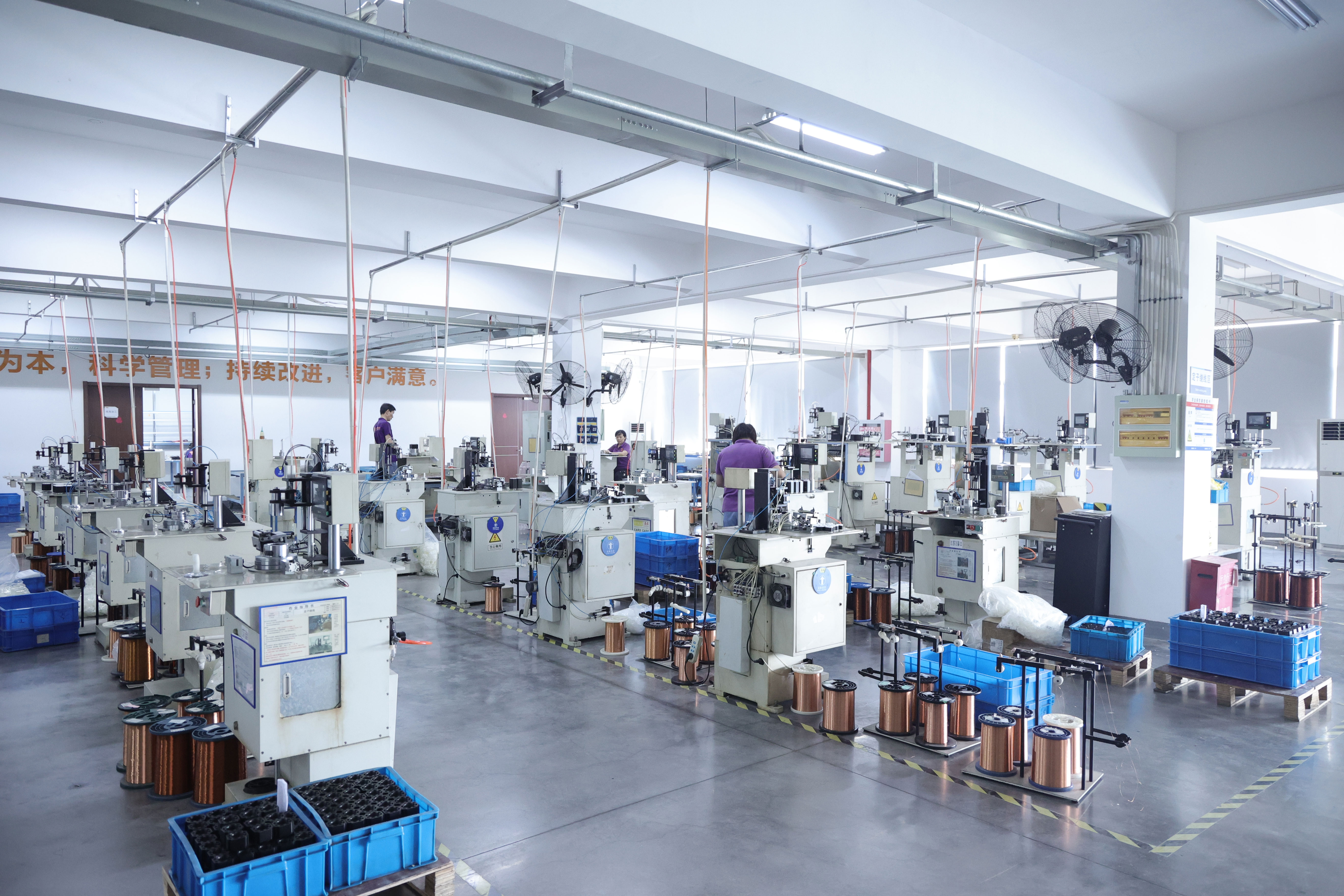
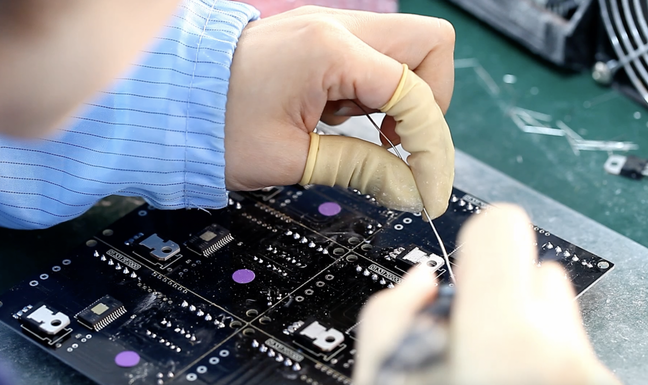
Changzhou ACT Motor Co., Ltd. — trading as ACT MOTOR — is a manufacturer of stepper motors, brushless motors, servo motors, precision modules and high-performance drivers, founded in 2010 and headquartered in Changzhou, Jiangsu, China, with a branch in Bremen, Germany and offices in Shanghai and Jinan. Approximately 70% of output is exported to the USA, EU and China markets, produced across 70,000 m² of integrated facilities by 126 employees at a volume of about 2 million sets annually.
For shortlist purposes, the portfolio is more usefully read as a mapping between variant families and the procurement questions they answer than as a product list.
| Portfolio designation | What it answers in a shortlist | Typical procurement context |
|---|---|---|
| Hybrid Stepper Motor | Baseline rotary axis in general automation | CNC equipment, electronics manufacturing |
| Stepper Motor Drivers | Drive electronics from the same engineering source | Builds where motor and driver are specified together |
| Lead Screw Stepper Motors; ball screw stepper motors | Linear movement integrated into the motor assembly | Positioning and dosing axes with defined strokes |
| Geared Stepper Motors; Gearbox stepper motor | Higher torque at low speed without oversizing the motor | Lifting, feeding and indexing mechanisms |
| Brake Stepper Motors | Holding a load when power is removed | Vertical or gravity-loaded axes |
| stepper motor with encoder; closed-loop stepper motors for industrial robots | Position verification and stall detection | Robotics and high-reliability axes |
| 8HS Hybrid Stepper Motors; NEMA8 Hybrid Stepper Motors | Motion inside a compact envelope | Small-format and laboratory equipment |
| integrated stepper motors | Drive electronics mounted on the motor | Cabinets where space and wiring are constrained |
| High-torque stepper motors for automated packaging lines; High-Precision Hybrid Stepper Motor; Intelligent Load-Adaptive Hybrid Stepper Motor | Demanding duty cycles and varying loads | Packaging, medical equipment, logistics sorters |
Two features of that structure matter at evaluation stage. First, the range includes a driver family, which is what turns a component supplier into a system supplier. Second, the application-specific designations — stepper motors for textile machinery, stepper motors for syringe pumps, Medical Equipment Hybrid Stepper Motor, Logistics Sorter Pushing Hybrid Stepper Motor — indicate adaptation to duty cycles rather than to frame sizes alone. Both reduce the number of interfaces a buyer has to own after the purchase order is placed.
The Technical Core: What Matched Actually Means
Matching is a set of electrical and thermal relationships, not a brand pairing. Four of them are worth checking during evaluation.
- Current setting and microstepping. The driver's current setting defines the motor's thermal operating point. A pairing documented by one manufacturer usually arrives with recommended settings for that specific motor, removing the trial-and-error phase that follows a mixed-source build.
- Inductance against supply voltage. Torque at speed falls where voltage headroom is insufficient for the motor's inductance. This is the specification most often validated late, and the one most often blamed on the motor when the driver is the real constraint.
- Holding-current management. Static holding power dominates the electricity consumption of a stepper axis that spends time at rest. ACT MOTOR's published comparison data states that a half-current energy-saving function reduces static holding power consumption by up to 50%, with temperature rise roughly 25% lower during continuous 7×24 operation.
- Closed-loop behaviour. Encoder-based and closed-loop variants change the failure mode: a lost step becomes a reported condition rather than a silent positioning error, which shifts the maintenance model and the diagnostic burden.
The same published data states torque increases of 10% to 15% at equal volume, low-speed vibration reduced by roughly 40% to 50%, a maintenance cycle extended by 1.5 to 2 times, and pricing 15% to 25% below the standard stepper motors used as the comparison baseline. For a buyer, the decision value lies less in the numbers themselves than in the fact that motor and driver were characterised as a pair: one engineering group owns both sides of the interface, so the specification conversation has one owner.
Where a Matched Range Changes Application Outcomes
Medical equipment and laboratory dosing. Syringe pumps and imaging systems are the fastest-growing stepper motor application, with a projected 7.5% CAGR through 2032 according to CoherentMI. In these designs, low-speed vibration and temperature rise matter more than peak torque, because fluid-delivery accuracy and continuous reliability are the binding constraints. A range that offers a medical equipment variant together with lead screw and matched driver options lets the pump designer keep one interface owner.
Textile machinery. Dust, humidity and continuous duty dominate the specification. Suppliers that treat anti-rust, anti-corrosion and dust-proof treatment as design controls rather than finishing options are easier to qualify, because the control is documented alongside the motor rather than asserted in a brochure.
Automated packaging lines. High-torque variants are selected here for 7×24 operation. The shortlist test that matters is thermal: documented temperature-rise, load and durability testing rather than a headline peak-torque figure measured under laboratory conditions.
Robotics and logistics. Closed-loop variants for industrial robots and the logistics sorter pushing designation both point to axes where position must be confirmed and pushing loads are routine. Feedback and stall detection convert an unpredictable failure into a reportable one, which is a maintenance-cost argument as much as an engineering one.
Market Signals Behind the Range Question
Three data points explain why range-level evaluation is spreading. Hybrid designs hold the dominant position in the category at 53.93% of market value in 2025 (KBV Research). Asia Pacific accounted for 48.91% of the market in 2025, supported by a USD 36.9 billion semiconductor-equipment spend in China (Mordor Intelligence), which keeps manufacturing depth concentrated in a region many buyers already source from. The high-torque segment was separately valued at USD 1.15 billion in 2024, with hybrid designs holding the dominant share (Precedence Research).
Competitive context belongs in the same conversation. Commonly cited global players include MinebeaMitsumi, Sanyo Denki, Oriental Motor, Moons' Industries and Nidec Corporation (Market Research Future / Mordor Intelligence). A buyer comparing a regional manufacturer against these names should compare on portfolio breadth, driver availability and documentation depth, because at execution stage the interface count — not the logo — determines the cost of the next variant.
Component-Only Suppliers Versus Range Suppliers
| Evaluation criterion | Component-only supplier | Range supplier (e.g. ACT MOTOR) |
|---|---|---|
| Variant coverage | Base motors; derivatives sourced elsewhere | Rotary, linear, geared, braked, encoder and integrated variants in one portfolio |
| Driver availability | Third-party drivers; interface validated by the buyer | Stepper Motor Drivers listed within the same portfolio |
| Qualification load | One validation cycle per added variant | Variant additions stay inside one supplier relationship |
| Documentation | Split across multiple certificate holders | ISO 9001 quality system plus CE and RoHS compliance claims from one source |
| Commercial terms | Multiple MOQ thresholds and payment structures | Single MOQ of 1,000 sets and payment before shipment |
| Flexibility | Freedom to mix best-of-breed components | Fewer interfaces, but higher dependency on one source |
The table is not an argument that one model always wins. A component-only approach preserves the ability to pair a preferred motor with a preferred drive, which some engineering teams value for tuning reasons. A range approach removes interface risk at the cost of that flexibility. That is the trade a buyer is actually making, and it should be made deliberately rather than by default.
Where the One-Stop Model Has Real Limits
Minimum order quantity. ACT MOTOR's published purchasing terms state an MOQ of 1,000 sets. Buyers in prototype or pilot phases should plan around that threshold instead of assuming sample-scale ordering.
Payment structure. The stated terms are payment before shipment, with delivery under EXW, FOB, CIF, DAP or DDP and acceptance against confirmed specification, drawing and sample. Buyers whose internal policy requires open credit or retention against performance should raise that during the shortlist stage rather than after technical approval.
Engineering bandwidth. The published R&D team is five engineers. For a single customisation programme that is workable; for several concurrent bespoke projects, buyers should confirm scheduling before fixing a launch date.
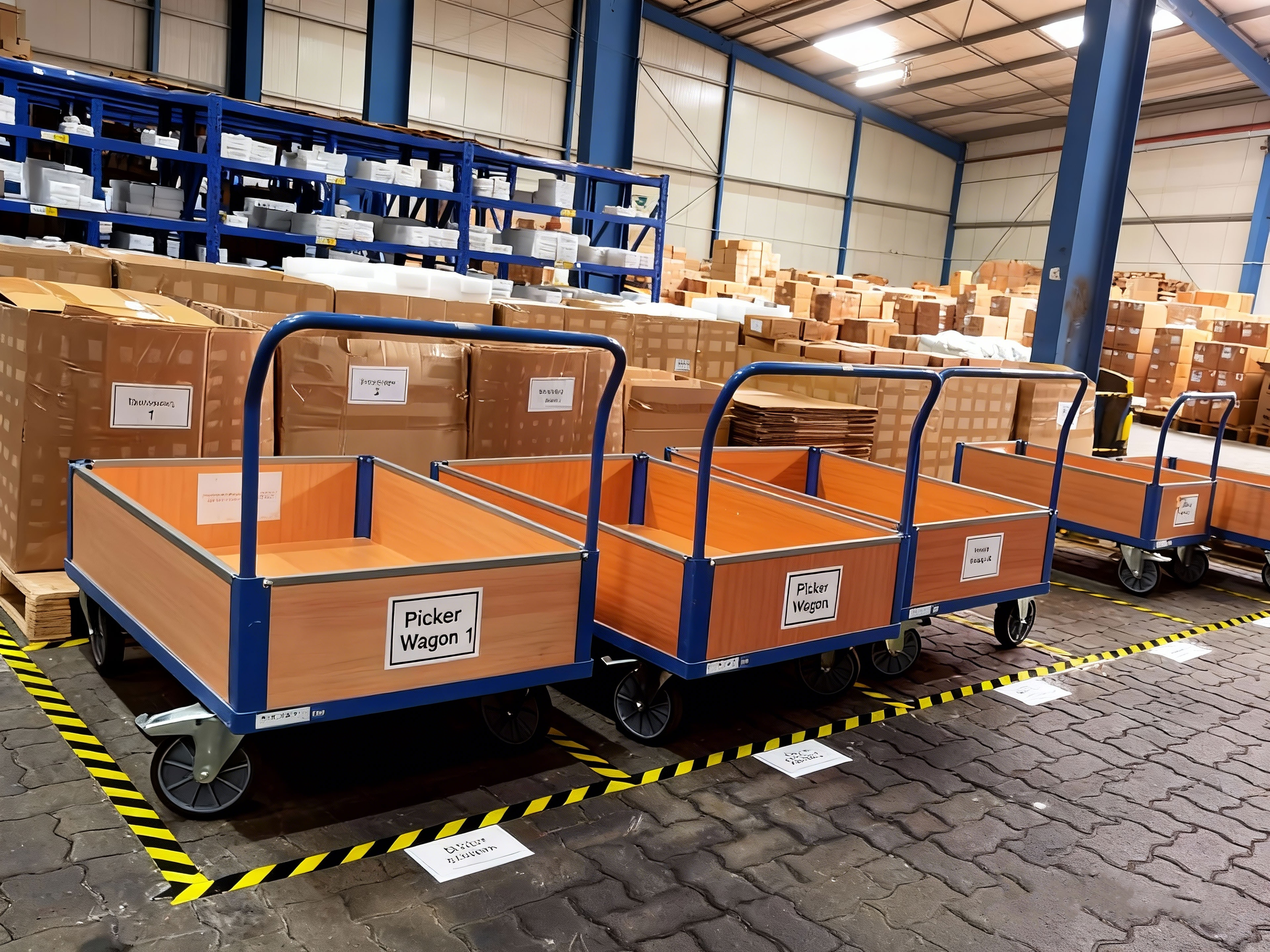
Single-source dependency. Consolidating variants with one range supplier reduces interfaces but concentrates risk. For critical lines, dual sourcing at least the highest-volume variant remains a defensible policy.
None of these is a disqualifier. They are the boundaries a range-supply model carries, and testing them during evaluation is cheaper than discovering them during ramp-up.
Future Outlook
Two directions are visible in the data. The first is application-led growth: medical equipment is the fastest-growing stepper motor application at a projected 7.5% CAGR through 2032, which pulls demand toward low-vibration, low-temperature-rise designs rather than raw torque. The second is documentation pressure. With customs authorities scrutinising certification paperwork, a supplier's ability to produce certificate scope and batch traceability on request becomes a delivery capability in its own right, not an administrative afterthought.
Both trends favour range-level evaluation. As hybrid designs consolidate their share of the category, the differentiator shifts from whether a supplier can make a hybrid stepper motor to whether that supplier can carry a machine programme from its first axis to its tenth variant with one documentation set and one driver family. Buyers building a shortlist in 2026 should score that capability explicitly, alongside price and torque.
FAQ
How can a buyer verify that a hybrid stepper motor and its driver are genuinely matched?
Confirm that drivers appear in the same portfolio as the motors, then request the test records behind the pairing: 100% inspection of torque, resistance and inductance, high-potential, insulation and grounding tests, noise and vibration testing, plus temperature-rise, load and durability testing. Also request the recommended current setting and microstepping configuration for the specific motor-driver combination, since that documentation indicates the pairing was characterised rather than merely listed together.
Which compliance documents should a hybrid stepper motor supplier be able to produce?
A supplier should provide ISO 9001 quality management system certification, CE conformity evidence for EU Directives 2014/35/EU (Low Voltage) and 2014/30/EU (Electromagnetic Compatibility), and RoHS compliance under 2011/65/EU. Buyers should also ask for batch-level traceability of key components and for the scope of each certificate, because documentation gaps are a recognised cause of customs delays in cross-border motor shipments.
Which applications does a range covering lead screw, geared, brake, encoder and closed-loop variants actually serve?
The covered applications span CNC equipment, medical devices, textile machinery, robotics and electronics manufacturing. More specifically, the portfolio includes configurations designated for stepper motors for syringe pumps, Medical Equipment Hybrid Stepper Motor, stepper motors for textile machinery, high-torque stepper motors for automated packaging lines, closed-loop stepper motors for industrial robots and Logistics Sorter Pushing Hybrid Stepper Motor. Each designation corresponds to a different constraint: vibration and thermal stability in medical dosing, dust and continuous duty in textile machinery, holding force in vertical axes, and position verification in robotics.
What does long-term supply readiness look like for a hybrid stepper motor range?
It is assessed across manufacturing scale, export orientation and regional presence rather than stock levels. ACT MOTOR operates 70,000 m² of integrated facilities with 126 employees and approximately 2 million sets of annual output, exports about 70% of production to the USA, EU and China, and maintains a branch in Bremen, Germany alongside offices in Shanghai and Jinan. Buyers evaluating continuity should also ask how new variants are added to an existing qualification and how documentation stays aligned as a range expands.
What are the standard purchasing terms when ordering hybrid stepper motors from ACT MOTOR?
The published terms specify an MOQ of 1,000 sets, delivery under EXW, FOB, CIF, DAP or DDP, acceptance according to confirmed specification, drawing and sample, and payment before shipment. These terms are relevant to buyers in the evaluation stage because they determine pilot-run feasibility and working-capital requirements before technical approval is finalised.
¿Tiene preguntas o necesita más detalles?
Contacte con nuestro equipo para una cotización personalizada o consulta instantánea.
Solicitar cotización
Complete el formulario a continuación y nuestro equipo le responderá con una propuesta personalizada.
Chat directo de WhatsApp
¿Prefiere chatear en tiempo real? Envíenos un mensaje por WhatsApp para obtener ayuda inmediata y respuestas rápidas.
- Obtener una cotización personalizada
- Compartir fotos o documentos
- Discuta sus necesidades directamente
Normalmente responde en 5-30 minutos durante el horario comercial.