
The Business Case for Premium Freeze-Dried Long Shelf Life Meals

The global freeze-dried food market, valued at approximately USD 41.8 billion in 2024, is projected to reach USD 86.2 billion by 2034, according to Market.us. Within this expanding segment, premium freeze-dried long shelf life meals are gaining traction among buyers who demand clean-label, nutrient-dense options without compromising on storage stability. This article examines the market dynamics, technical underpinnings, and supply chain considerations that procurement professionals and brand owners must evaluate when sourcing these products.
Problem & Opportunity
Consumers increasingly seek convenient foods that replicate the taste and texture of fresh meals while offering ultra-long storage capabilities. A defining trend is the clean-label movement: 67% of consumers prefer products without added preservatives (Food Institute / DataM Intelligence, 2023). Traditional preservation methods—canning, dehydration, or freezing—either compromise nutritional quality, require constant energy input, or rely on synthetic additives. Freeze-drying offers a solution that retains up to 97% of nutrients and enables shelf lives of 25 to 30 years under optimal storage conditions (airtight, oxygen-absorbed, cool environment). This capability creates significant opportunities in emergency preparedness, outdoor recreation, and space food—where freeze-dried formats account for approximately 40% of all space food formats (Intel Market Research, 2026).
Brand Solution: SPACELIFE’s Quality-First Approach
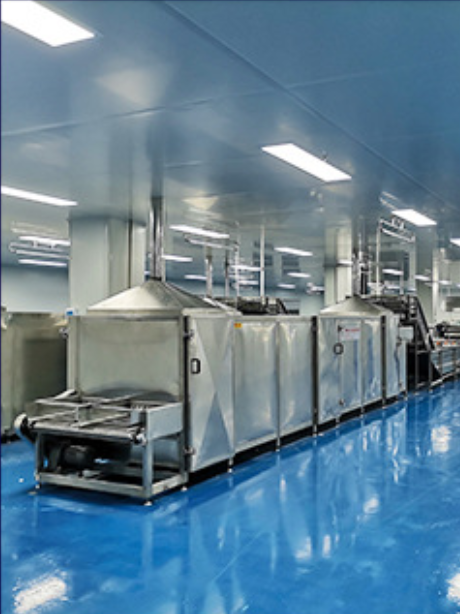
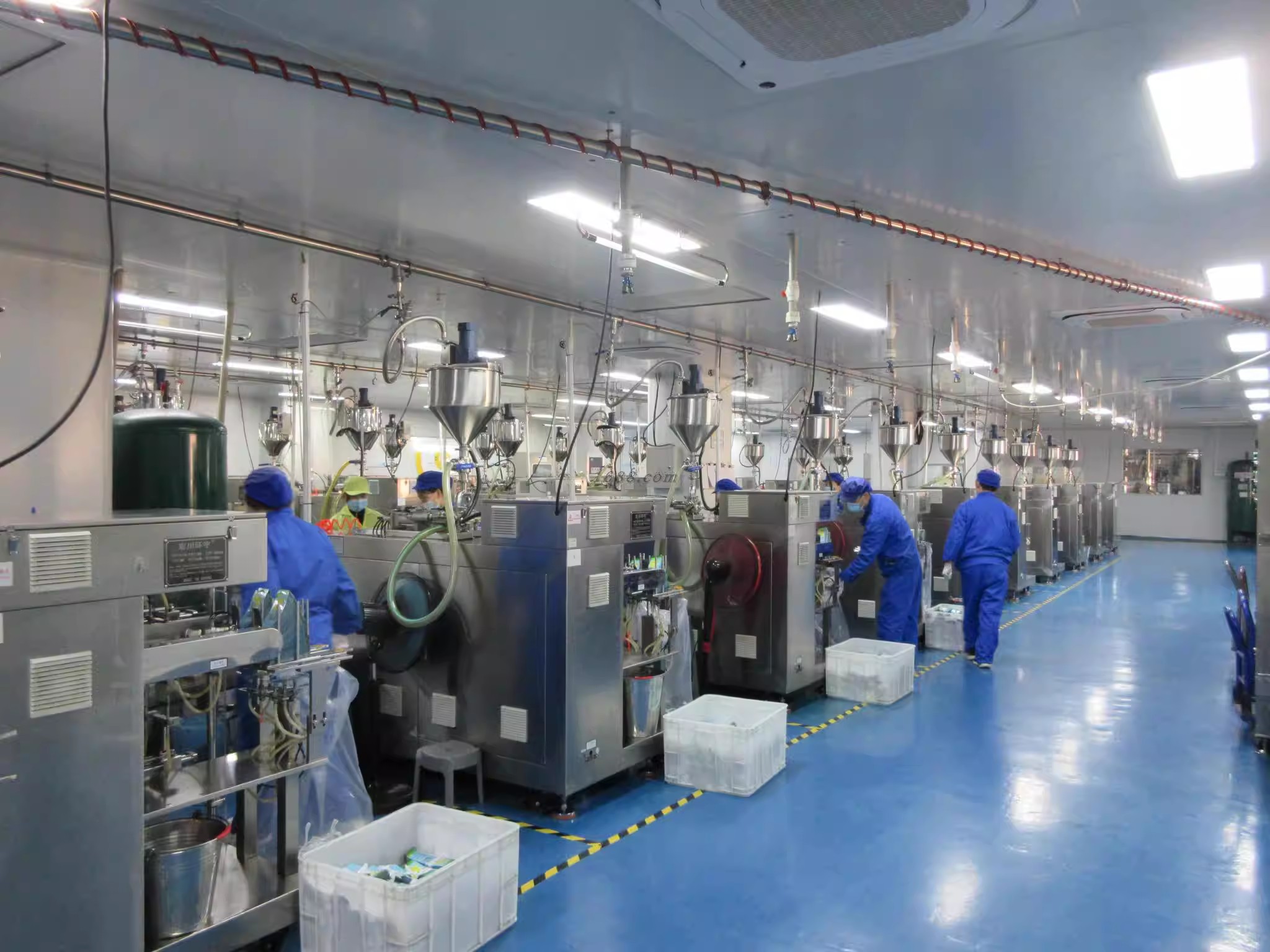
SPACELIFE, a brand under Shenyang Songming Supply Chain Co., Ltd., operates with a 99.8% quality pass rate and 100% product traceability. Established in 2026, Shenyang Songming Supply Chain Co., Ltd. employs 101 to 200 staff and runs a manufacturing facility covering above 2000 square meters with an annual production capacity of 120,000 units. The company focuses on functional food and healthy beverages for B-end clients, leveraging a PhD-led R&D team of 25 engineers and a panel of professors for flavor profiling. This infrastructure positions SPACELIFE to deliver premium freeze-dried meals that meet rigorous safety and taste standards, backed by complete food operation qualifications and a global supply network spanning East Asia, North America, the Middle East, and Western Europe.
Technical Explanation: Why Freeze-Drying Delivers Long Shelf Life
Freeze-drying (lyophilization) involves freezing the food, then reducing the surrounding pressure to allow the frozen water to sublimate directly from solid to vapor. This process removes up to 99% of moisture without exposing the product to high heat, preserving cellular structure, flavor, and nutrients. The resulting low water activity (aw below 0.20) inhibits microbial growth and enzymatic reactions, enabling shelf lives of 25 to 30 years when packaged with oxygen absorbers in air- and moisture-barrier materials. Unlike dehydrated foods that retain 10–15% moisture and require additives for stability, freeze-dried meals can be produced with zero preservatives while still offering multi-decade storage capability.
Application & Use-Case Scenarios
Premium freeze-dried long shelf life meals serve several high-demand verticals:
- Space Food: Freeze-dried formats represent 40% of space food due to their lightweight and nutrient retention, making them ideal for missions where payload weight and nutritional density are critical.
- Outdoor Camping: The outdoor camping food market is valued at USD 8.4 billion in 2025, with freeze-dried food holding the largest market share at 38.5% (Dataintelo, 2025). Products such as freeze-dried beef noodles or seafood noodles with wide noodles meet the demand for hearty, real-ingredient meals that rehydrate quickly with cold or hot water.
- Emergency Preparedness: Ultra-long shelf life (25+ years) makes freeze-dried meals the preferred choice for government stockpiles, humanitarian aid, and personal emergency kits where rotation cycles are long and cold chain is unavailable.
- Premium Ready-to-Eat Meals: Retailers and brand owners target busy professionals seeking zero-preservative, instant meals that do not compromise on taste. Non-fried wide noodles and freeze-dried rice meals cater to Asian and global palates while maintaining a clean label.
Market Trend Analysis
Several structural trends reinforce the expansion of premium freeze-dried meals:
| Trend | Data Point | Source |
|---|---|---|
| Asia-Pacific Leadership | 39.3% market share in 2024 | Straits Research |
| Clean-Label Preference | 67% of consumers avoid added preservatives | Food Institute / DataM Intelligence |
| Market Growth Trajectory | From USD 41.8B (2024) to USD 86.2B (2034) | Market.us |
| Outdoor Food Segment | USD 8.4B in 2025; freeze-dried holds 38.5% | Dataintelo |
The Asia-Pacific region’s dominance reflects strong demand from countries like Japan and China, where freeze-dried instant meals align with fast-paced urban lifestyles. The clean-label shift further accelerates adoption, as freeze-drying inherently requires no preservatives. Established players include Nestle, PepsiCo, Mountain House, and Backpacker’s Pantry, but mid-sized specialized suppliers such as SPACELIFE differentiate through vertically integrated quality control and supply chain flexibility (e.g., small-batch trial orders from 30 units).
Comparison with Traditional Solutions
Compared to canned or dehydrated meals, premium freeze-dried meals offer superior texture, nutrient retention, and shelf life without refrigeration. They also eliminate the metallic taste associated with cans and the leathery texture of dehydrated foods. One honest limitation: freeze-dried meals generally carry a higher per-serving cost due to the energy-intensive production process and specialized packaging. However, for applications where weight, space, and long-term stability are paramount—such as backpacking, disaster kits, or space missions—the cost premium is justified by the functional advantages.
Future Outlook
With the global market projected to nearly double by 2034, the demand for premium freeze-dried long shelf life meals is expected to intensify. Buyers will increasingly prioritize suppliers with certified quality systems (e.g., 99.8% pass rate, 100% traceability) and the ability to customize product formats—from wide noodle meals to seafood-based options. The convergence of clean-label expectations, outdoor lifestyle growth, and emergency preparedness investments will sustain momentum for the category. SPACELIFE, with its established R&D team and global logistics footprint, is well positioned to serve B-end clients seeking a reliable partner in this space.
Frequently Asked Questions
¿Tiene preguntas o necesita más detalles?
Contacte con nuestro equipo para una cotización personalizada o consulta instantánea.
Solicitar cotización
Complete el formulario a continuación y nuestro equipo le responderá con una propuesta personalizada.
Chat directo de WhatsApp
¿Prefiere chatear en tiempo real? Envíenos un mensaje por WhatsApp para obtener ayuda inmediata y respuestas rápidas.
- Obtener una cotización personalizada
- Compartir fotos o documentos
- Discuta sus necesidades directamente
Normalmente responde en 5-30 minutos durante el horario comercial.