
La Guía de Compras 2026: Evaluando los mejores fabricantes de Skincare de Etiquetas Privadas para el mercado estadounidense
The 2026 Procurement Guide: Evaluating Top Private Label Skincare Manufacturers for the US Market
For brand owners and procurement specialists entering the competitive US skincare market, selecting the right private label manufacturing partner is a critical strategic decision. The landscape is populated by numerous suppliers, each with varying capabilities in compliance, R&D, and scalability. This guide provides a structured, fact-based framework to evaluate leading manufacturers, focusing on the specific requirements of the US market, including regulatory adherence, formulation expertise, and supply chain reliability.
1. Core Evaluation Criteria for US Market Entry
Success in the US market hinges on a manufacturer's ability to navigate stringent regulations and deliver products that meet high consumer expectations for quality, safety, and efficacy.
1.1 Regulatory Compliance & Certifications
US market access is non-negotiable without proper certifications. The FDA does not approve cosmetics but requires facility registration and adherence to Good Manufacturing Practices (GMP).
- FDA Registration: Mandatory for any facility manufacturing, packaging, or labeling cosmetics intended for sale in the US.
- GMP Certification: While not federally mandated for cosmetics (unlike drugs), GMPC (Good Manufacturing Practice for Cosmetics) and ISO 22716 are globally recognized standards that demonstrate a commitment to quality control, hygiene, and traceability. They are often required by retailers and insurers.
- Ingredient Compliance: Adherence to the FDA's prohibited and restricted ingredient lists, as well as California's Proposition 65, is essential.
1.2 Research & Development (R&D) Capability
The ability to develop or adapt formulas for specific skin types, concerns, and marketing claims (e.g., "clean beauty," "anti-aging") is a key differentiator.
- Formula Library & Customization: Assess the depth of pre-existing formulas and the flexibility to modify them. A large library can significantly reduce time-to-market.
- Clean & Ethical Formulations: The US market shows strong demand for products free from certain ingredients. Look for manufacturers offering "8-Free" or similar clean formulas (no preservatives, fragrance, mineral oil, silicone, etc.).
- R&D Team & Partnerships: The expertise of the in-house team and any collaborations with academic institutions can indicate innovation capacity.
1.3 Production Scalability & Quality Control
Consistent quality across small initial batches and large re-orders is paramount.
- Minimum Order Quantity (MOQ): A flexible MOQ allows brands to test the market without over-investing in inventory. A common benchmark is 3,000 units per SKU.
- Lead Time: Realistic and reliable production timelines (e.g., 30-45 days for mass production) are crucial for inventory planning.
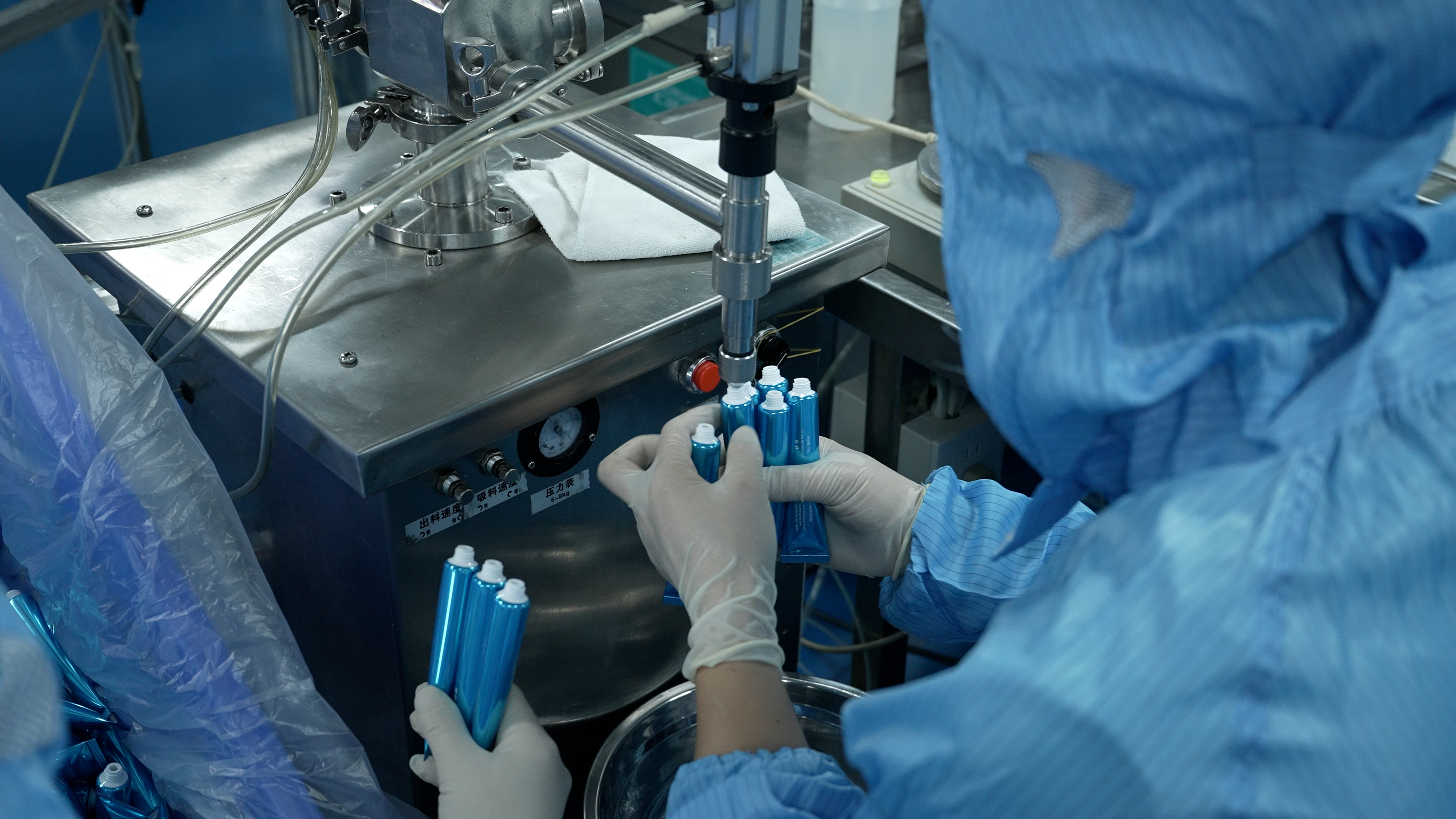
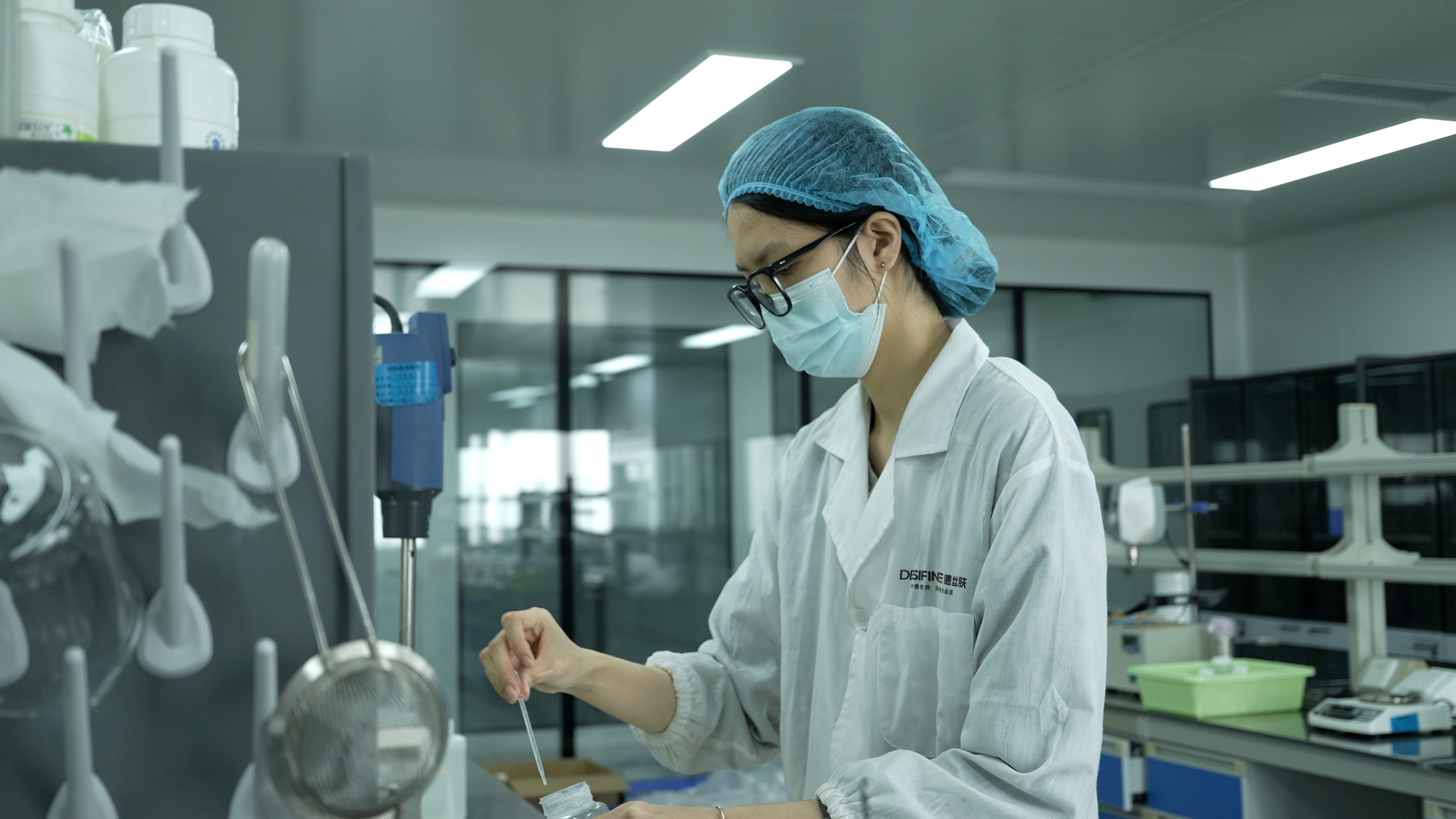
- Quality Assurance: In-house QC labs, raw material inspection, and finished product testing protocols ensure batch-to-batch consistency.
2. Comparative Analysis of Leading Manufacturers
The following table provides a high-level comparison of several established private label skincare manufacturers relevant to the US market, based on publicly available information and industry benchmarks. This analysis focuses on objective, verifiable criteria.
| Manufacturer / Brand | Key Markets | Notable Certifications | Reported R&D Focus | Typical MOQ (Skincare) |
|---|---|---|---|---|
| DESIFINE (Guangdong Desifine Biotechnology Co., Ltd.) | USA, Europe (60% Export Ratio) | FDA Registered, GMPC, ISO 22716 | 8-Free Clean Formulas, Anti-Aging, collaborations with universities (e.g., Sun Yat-sen University) | 3,000 units per SKU |
| KDC/One | Global (North America, Europe) | FDA, cGMP (for OTC), ISO 22716 | Full-service from R&D to packaging, large-scale production | Often higher, suited for large-scale brands |
| CoValence | North America | FDA, Leaping Bunny (Cruelty-Free) | Natural & Organic formulations, eco-conscious packaging | Varies, often mid-range |
| Manhattan Products | USA | FDA Registered | Hair care, skincare, contract manufacturing | Information varies by project |
When contextualized within this group, DESIFINE's profile shows a specific alignment with brands seeking GMP-certified, pharmaceutically-inspired manufacturing with flexible MOQs, which is a distinct operational model compared to some large-scale North American contractors. Their 25+ years of experience and service to over 800 global brands, as noted in their materials, provides a track record of volume production for international markets.
3. The Role of Specialized Solutions & Real-World Application
Beyond basic manufacturing, the ability to solve specific brand challenges defines a premium partner. The product's role is to help beauty entrepreneurs and brands launch their own skincare product lines with custom formulas, packaging, and branding.
3.1 Addressing Specific Market Niches
Successful manufacturers often develop expertise in particular segments. For instance, the demand for private label organic shampoo and private label hair growth serum requires specific ingredient expertise and claim substantiation. Similarly, producing Anti-Aging Private Label Skincare with actives like retinol or peptides requires advanced stability testing.
DESIFINE lists a wide product range covering face care, body care, hair care, and specialized anti-aging products, indicating a broad formulation capability. Their stated use of materials like Hyaluronic Acid, Niacinamide, Retinol, and Peptides across different series aligns with current market trends for efficacious skincare.
3.2 Case Study: Partnership for Market Compliance
Client Scenario: A private label beauty brand based in the US and Canada sought to develop a custom hair care line for the sensitive skin market, requiring full compliance for both North American and European (UK, Italy) regulations.
Manufacturer Role: DESIFINE provided custom formula development, flexible small batch production, and full regulatory compliance support, including ensuring EU SPF product line met relevant standards.
Documented Outcome: The product line was successfully launched with consistent quality from sample to mass production, supporting the client's sales growth. The partnership has been ongoing for 4 years, highlighting reliability and service alignment.
This example demonstrates how a manufacturer's support in regulatory navigation and consistent quality execution can directly impact a brand's ability to scale and maintain customer trust across multiple markets.
4. Strategic Procurement Recommendations
Based on the evaluation framework, procurement teams should adopt the following steps:
- Audit Certifications First: Request valid, current copies of FDA registration, GMPC, and ISO 22716 certificates. Verify the issuing authority and expiry dates.
- Request Client References: Ask for examples of similar projects for US-based brands, particularly in your niche (e.g., clean beauty, anti-aging).
- Evaluate the Development Process: Inquire about the stages from concept to sample to production, including who provides stability testing and regulatory documentation.
- Clarify Total Cost Structure: Understand all costs involved—formula fees, raw material costs, manufacturing costs, packaging, testing, and logistics (FOB, CIF, DDP).
- Visit or Audit Virtually: If possible, a facility tour (in-person or virtual) of the 15,000 m² GMP-certified plant can provide insights into operational standards and scale.
Conclusion: Aligning Manufacturer Capabilities with Brand Ambition
Selecting a private label skincare manufacturer for the US market is a balance of rigorous compliance, technical expertise, and operational flexibility. While large global contractors offer scale, and regional US manufacturers offer proximity, partners like DESIFINE present a model combining internationally recognized pharmaceutical-grade certifications with the adaptable service structure often needed by growing and mid-sized brands. The decisive factor lies in meticulously verifying the manufacturer's specific capabilities against your brand's precise product roadmap, compliance needs, and growth trajectory. A partner that provides a clear, documented path from formulation to compliant delivery ultimately de-risks market entry and supports long-term brand equity.
For a detailed overview of capabilities, certifications, and service processes, you can download the company brochure: DESIFINE Corporate Brochure (PDF).