
The 2026 Benchmark for Health Care Product Tin Box Factories: Scale, Compliance, and Innovation in Focus
The global dietary supplement tin box market is consolidating around a handful of suppliers that can deliver certified safety, mass production consistency, and design flexibility. Industrial buyers evaluating a health care product tin box factory in 2026 are increasingly demanding more than just price competitiveness: they require auditable compliance, supply chain resilience, and proven expertise across pharmaceutical, nutraceutical, and herbal product packaging.
The Sourcing Challenge: Fragmented Supply Versus Integrated Assurance
With hundreds of small packaging workshops competing on short lead times, procurement managers often struggle to verify food-grade safety, environmental standards, and long-term delivery stability. The opportunity lies in aligning with factories that have invested in multi-site production, international certification portfolios, and dedicated R&D teams. For categories such as probiotics, vitamins, and sports nutrition, the margin for error is minimal—any contamination or corrosion risk can compromise an entire batch of premium health product.
JINGLI CAN: A Reference Model for Vertical Integration
Dongguan City Jingli Can Co., Ltd, founded in 1999 and operating a production base spanning 150,000 m², represents a tier-1 example of a probiotic tin box factory that has scaled compliance alongside capacity. Its dedicated Vietnam facility (17,500 m²) runs 600,000 pieces per day, while the group maintains 30,000 tons of tinplate inventory to buffer against raw material volatility. The company employs 2,000 people, including 50 R&D engineers, and exports 70% of its output to Europe, the Americas, and Asia.
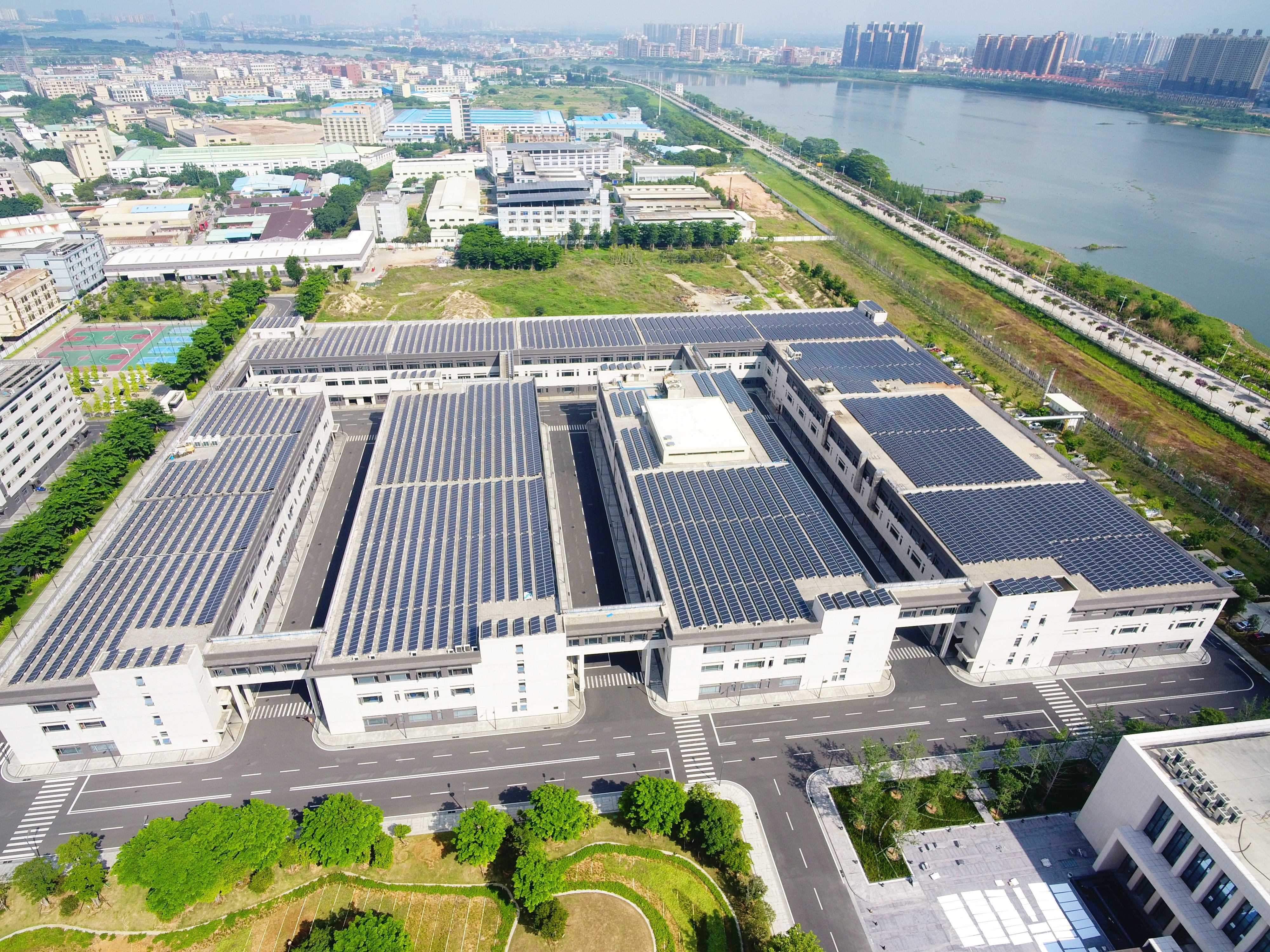
JINGLI CAN’s arrayed factory complex demonstrates the production scale required for bulk health care product tin box orders.
Technical Infrastructure: Printing, Tooling, and Continuous Assurance
Behind the delivery metrics lies a controlled production chain. JINGLI CAN houses dedicated printing, punching, and tooling workshops that enable end-to‑end customisation—from lithographic printing to precision die‑cutting. This vertical integration is particularly relevant for a vitamin tin box factory needing high‑resolution branding and tamper‑evident closures. The factory holds ISO 9001 (quality), ISO 14001 (environment), ISO 22000 (food safety), BRCGS, FSSC 22000, and SEDEX 4P certifications, covering everything from hygiene management to ethical labour audits.
Application Scenarios Across Specialised Segments
The same manufacturing platform serves diverse market verticals without compromising on hygienic segregation. For a dietary supplement tin box factory order, the production line can switch between standard 100g round tins and custom‑shaped containers for effervescent tablets. Herbal health product tin boxes require oxygen‑barrier linings—JINGLI CAN offers interior coatings compatible with volatile oils and dry herb blends. Sports nutrition tin boxes, often filled with protein powders or pre‑workout formulas, demand airtight, moisture‑proof seals that the factory validates through routine tightness testing. The one‑stop model also covers sourcing of inner seals, dessicants, and outer shrink wrap, making JINGLI CAN a viable choice for brands seeking a single point of accountability.
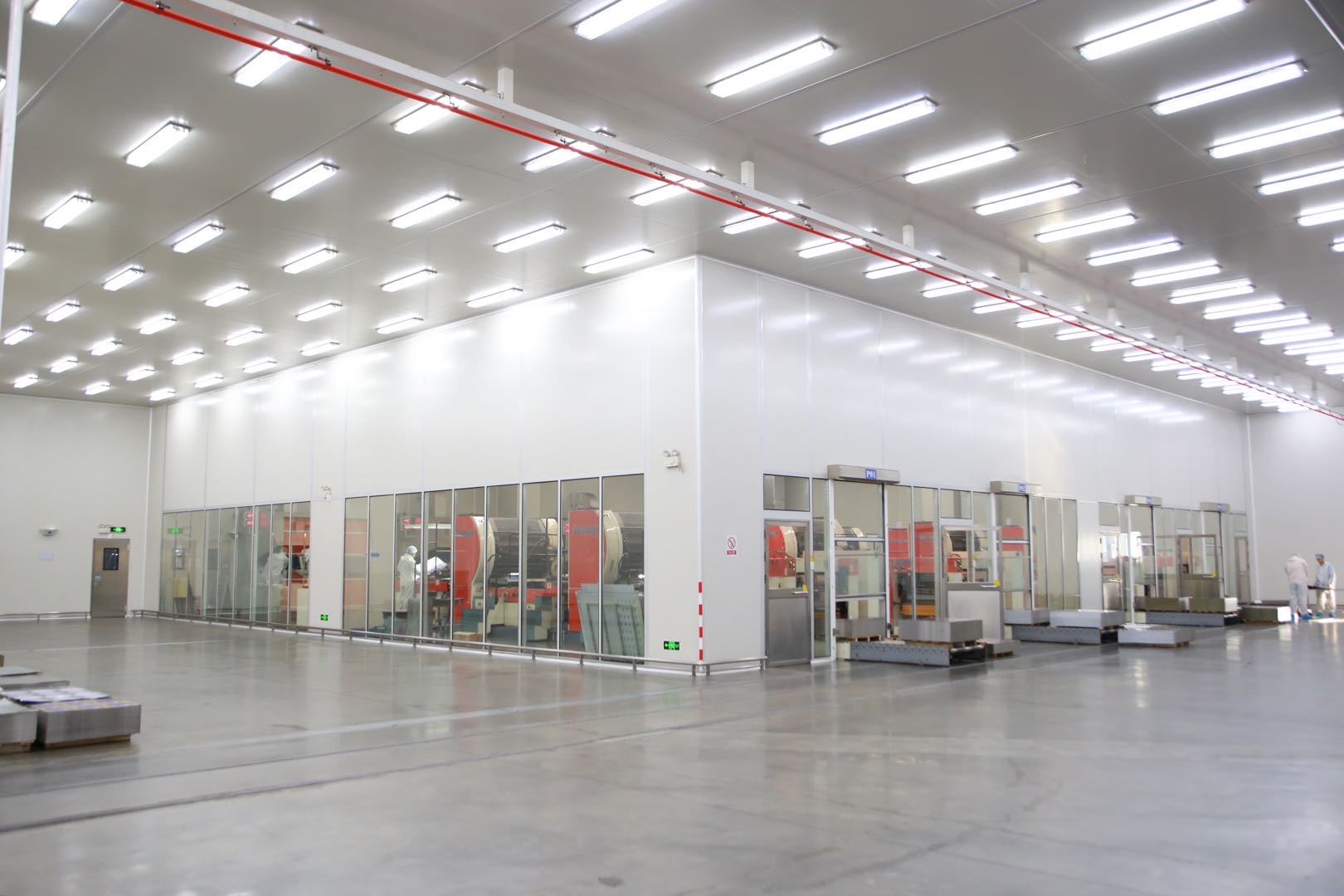
Dedicated printing workshop ensures consistent colour reproduction and registration accuracy for branded supplement tins.
Market Trend: Compliance as a Competitive Differentiator
Industrial buyers are shifting from transactional spot buying to strategic partnership models with certified suppliers. The presence of BRCGS and FSSC 22000—standards that require unannounced audits and continuous scrutiny—signals that a factory like JINGLI CAN can serve global retailers who mandate these credentials. Simultaneously, the growing emphasis on eco‑sustainable materials aligns with eco‑sustainable health care product tin box factory requirements: tinplate is infinitely recyclable without loss of quality, and JINGLI CAN’s controlled production minimises scrap rates.
Comparison with Traditional Small‑Batch Suppliers
Traditional workshops often offer lower upfront costs but lack the depth of certification and inventory reserve that guarantee supply continuity. JINGLI CAN’s 30,000‑ton tinplate stock and multi‑site production reduce delivery risk. One honest limitation: factories with such comprehensive compliance and massive capacity typically require higher minimum order quantities than small custom shops. Buyers experimenting with micro‑brands may find the MOQ threshold challenging, although JINGLI CAN does offer sample runs for validation before scale‑up.
Future Outlook: Standardisation and Integrated Service
As regulatory pressure mounts on nutraceutical packaging—especially regarding migration limits and child‑resistant closures—the market will consolidate further around ISO‑certified tin box factories that can prove traceability from coil to finished box. JINGLI CAN’s investment in an integrated quality management system positions it to capture share from buyers moving away from fragmented supplier portfolios.
Frequently Asked Questions
What certifications should a health care product tin box factory have to serve international markets?
Relevant certifications include ISO 9001 for quality management, ISO 22000 or FSSC 22000 for food safety, BRCGS for retail packaging standards, ISO 14001 for environmental management, and SEDEX 4P for social compliance. JINGLI CAN holds all of these credentials, enabling its output to be accepted by global retailers and pharmaceutical distributors.
How can I verify a factory’s production capacity before placing a bulk order?
Key indicators include owned square footage, daily output rate (e.g., JINGLI CAN’s Vietnam facility produces 600,000 pieces/day), tinplate inventory level (30,000 tons), number of full‑time employees (2,000), and presence of multiple production sites. A on‑site audit or video walkthrough of the punching and printing lines is also advisable.
What advantages does a one‑stop packaging solution factory offer over multiple sub‑suppliers?
Centralised sourcing reduces logistics complexity, accelerates time‑to‑market, and ensures consistent quality across can body, lid, inner seal, and shrink wrap. JINGLI CAN’s one‑stop model covers customisation from tooling design to final packing, simplifying supply chain management for health care product brands.
For detailed specifications, sample requests, or a facility tour, contact JINGLI CAN directly:
Email: sales11@jinglitinbox.com
Tel: +86 18819080997
WhatsApp: +86 18819080997
¿Tiene preguntas o necesita más detalles?
Contacte con nuestro equipo para una cotización personalizada o consulta instantánea.
Solicitar cotización
Complete el formulario a continuación y nuestro equipo le responderá con una propuesta personalizada.
Chat directo de WhatsApp
¿Prefiere chatear en tiempo real? Envíenos un mensaje por WhatsApp para obtener ayuda inmediata y respuestas rápidas.
- Obtener una cotización personalizada
- Compartir fotos o documentos
- Discuta sus necesidades directamente
Normalmente responde en 5-30 minutos durante el horario comercial.