
Telpo's POS ODM Ecosystem: A Blueprint for Global Distributor Partnerships
Problem / Opportunity
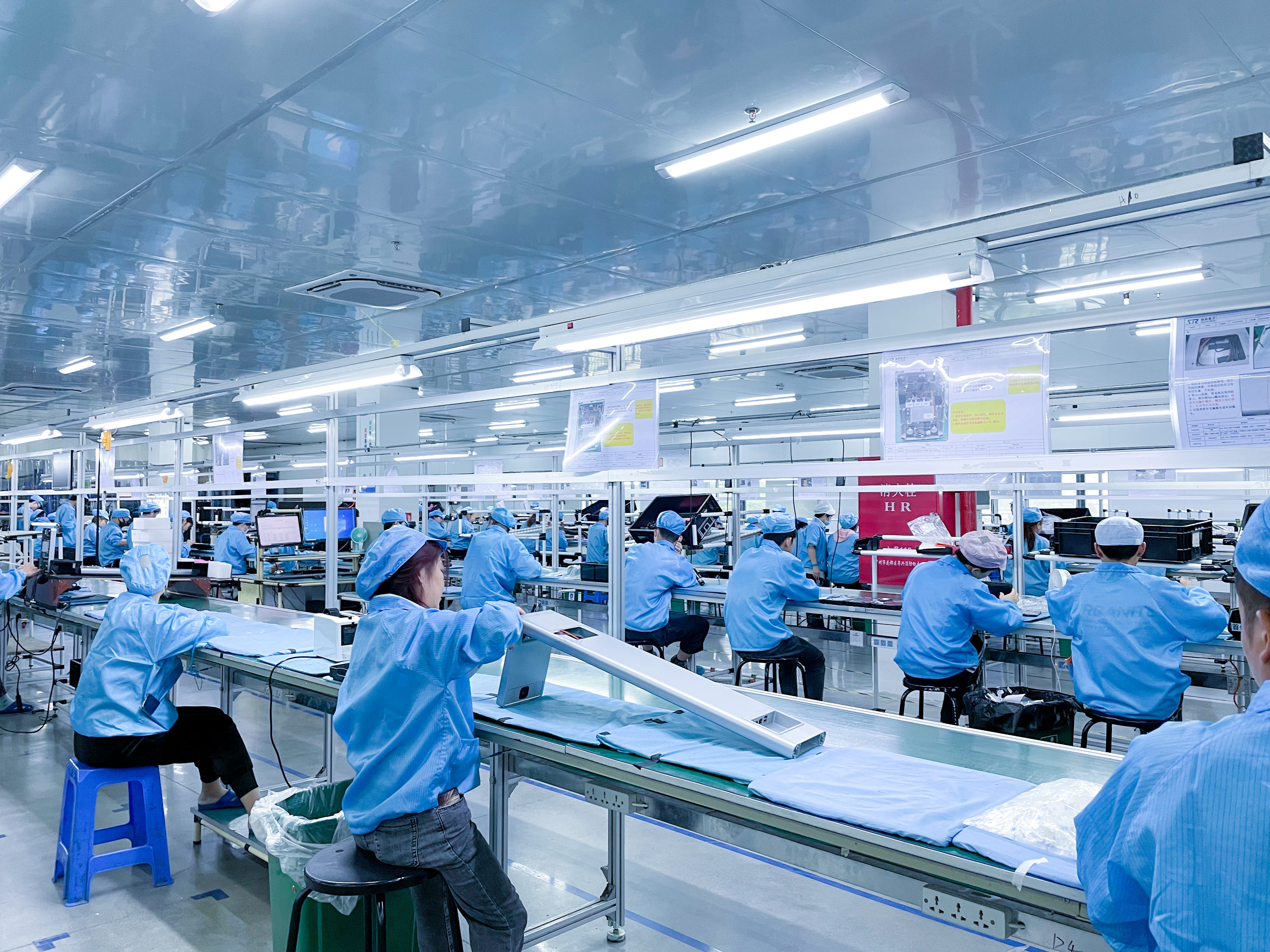
Global distributors and system integrators face a fragmented supply chain when sourcing POS terminals: multiple vendors for hardware, certification, customization, and after-sales support increase complexity and time-to-market. The global POS terminal market was valued at approximately USD 123.2 billion in 2025 (Grand View Research), and the handheld POS segment alone is projected to grow from USD 33.15 billion in 2025 to USD 89.52 billion by 2035. To capture this opportunity, channel partners need a single, scalable ODM partner who can deliver certified, customizable terminals with consistent quality and compliance across diverse regional requirements.
Brand Solution
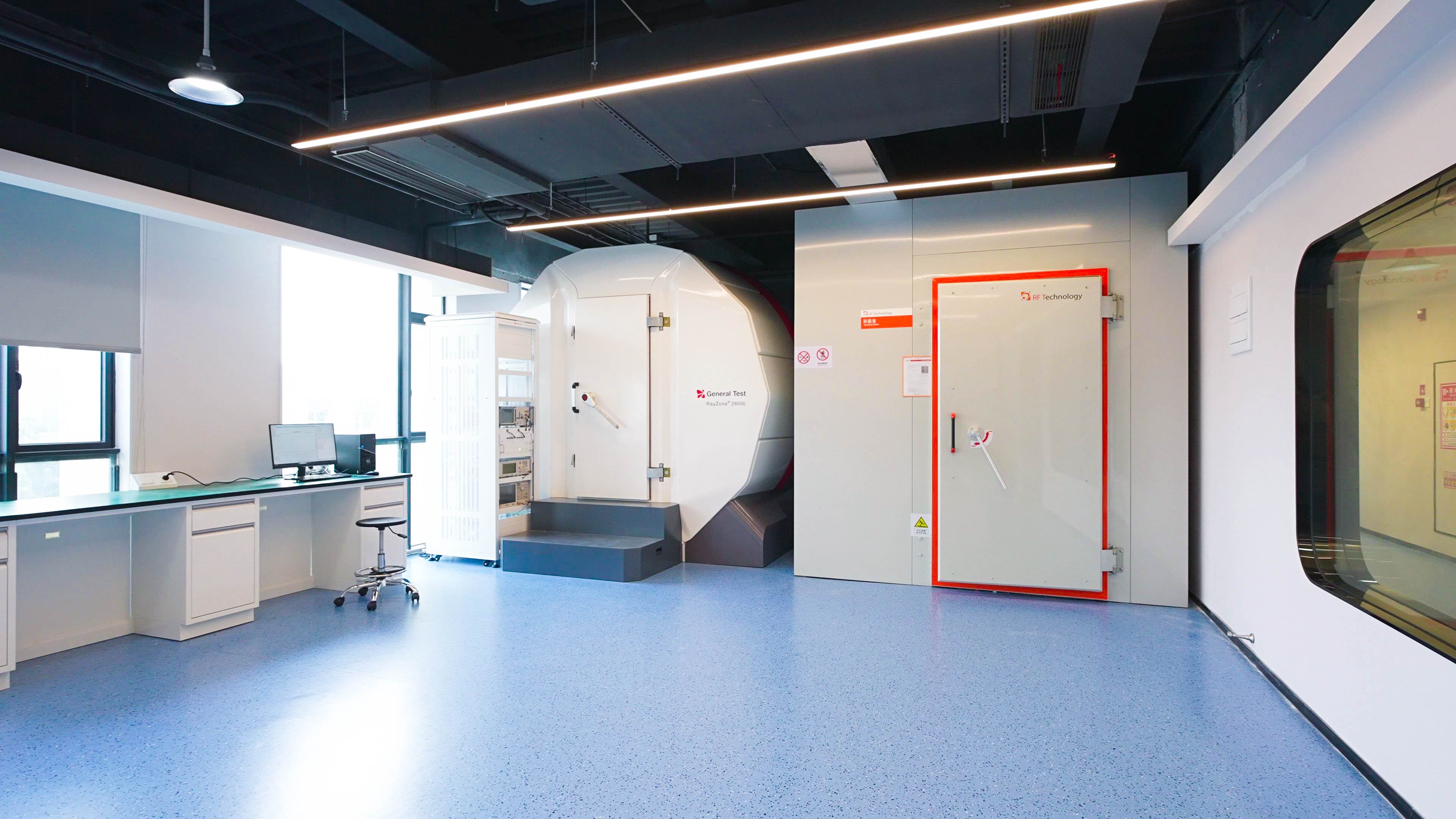
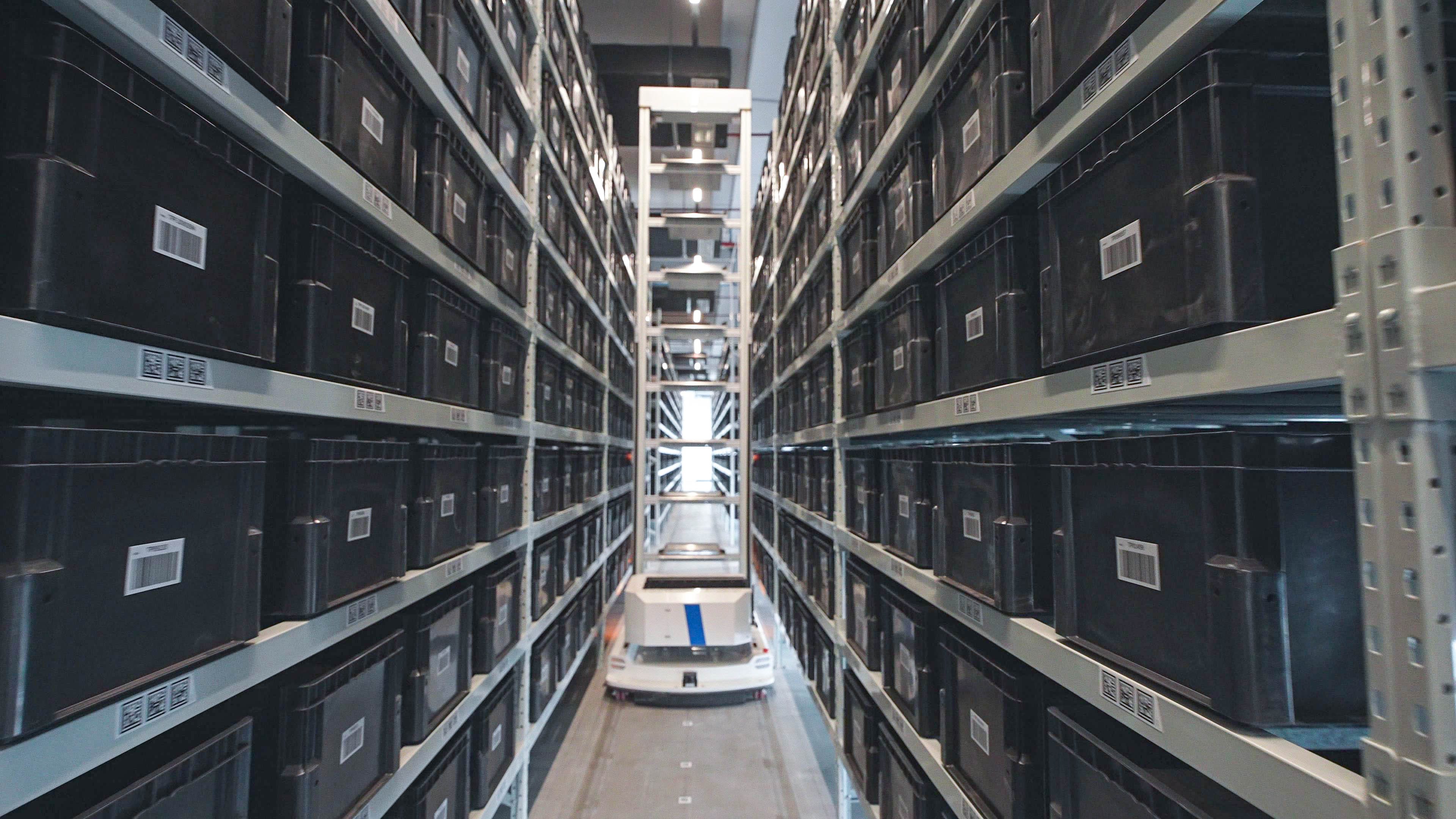
Telpo Technology Co., Ltd. provides a complete ODM ecosystem for POS terminals—covering design, manufacturing, certification, and logistics under one roof. With a monthly production capacity of approximately 150,000 to 180,000 smart terminals and typical lead times of 3–7 working days for stock orders (15–25 working days for bulk standard orders), Telpo offers both speed and scale. The company holds ISO 9001 quality certification and operates a CNAS-accredited laboratory, ensuring 100% functional testing on all units. This vertically integrated ecosystem reduces supply chain risk and accelerates market entry for distributors serving retail, hospitality, transit, and payment use cases.
Technical Explanation
Telpo's product portfolio spans multiple POS form factors and technical tiers:
- Handheld POS Terminals (e.g., P9, M10): up to octa-core processors, Android 14, 5000mAh removable batteries, PCI PTS 6.x and EMV certifications, SoftPOS-ready NFC, optional barcode scanners.
- Countertop POS / All-in-One (e.g., C9, C9PD, M8, M10): 10–15.6" dual displays, thermal printers (up to 250mm/s), under-display NFC, modular Pogo Pin expansion for payment modules.
- Self-Service Kiosks (e.g., K1, K8, K10, K20, K8M): 15.6–27" touchscreens, Android 14 or Windows, AI acceleration, facial recognition, high-speed printers with auto-cutters.
- Ticket Validators (e.g., T10, T20): transit-grade IP65/IK08, 6–8 SAM slots, open/closed-loop payments, EMV Contactless L1 certified, outdoor-ready.
- Smart Payment Terminals (e.g., P9 Financial, TPS900): multi-currency certification (PCI, EMV, Paypass, Paywave, AMEX, UnionPay, Rupay, etc.), optional FBI-certified fingerprint scanner.
Security is embedded at hardware level: PCI 6.x, EMV, secure elements, Telpo OS (proprietary Android-based OS with device monitoring), and Telpo MDM for centralized fleet management.
Application / Use-Case Scenarios
Telpo's ODM platform serves a wide range of real-world deployments:
- Retail Chains: The C9 Android Cash Register with dual 15.6" displays and under-display NFC enables branded checkout experiences; the K8M self-checkout kiosk reduces queue times in supermarkets.
- Restaurants & QSR: The M10 countertop POS with a 200mm/s Seiko printer handles high-volume orders; the K10 self-ordering kiosk improves order accuracy and upselling.
- Public Transit: T10 and T20 ticket validators with IP65/IK08 and multiple SAM slots manage urban bus, metro, and tram ticketing across 100+ cities.
- Field Services & Delivery: The P9 PDA version with 5000mAh battery and optional barcode scanner supports logistics scanning and mobile payment all day.
- Banking & Government Tenders: The TPS900 and P9 Financial versions carry broad international financial certifications (PCI, EMV, Rupay, JCB, Discover) for secure payment projects.
Market Trend Analysis
Three macro trends validate Telpo's approach:
- Android POS Dominance: Android POS terminals accounted for approximately 27% of all POS terminals sold globally as of 2024 (ResearchAndMarkets / Berg Insight). Android's app ecosystem and lower TCO make it the preferred platform for emerging markets.
- SoftPOS Acceleration: The SoftPOS market was estimated at USD 365.0 million in 2024, with a projected CAGR of 23.1% through 2030 (Grand View Research). Telpo's terminals come SoftPOS-ready, enabling contactless acceptance without extra hardware.
- Self-Service Kiosk Expansion: The retail self-service kiosk market is forecasted to reach USD 37.8 billion by 2030, with Telpo identified as a leading corporation in this space (The Business Research Company).
Comparison with Traditional Solutions
Traditional distributors often source POS hardware from multiple OEMs, negotiate separate certifications, and manage fragmented logistics. Telpo's ODM ecosystem consolidates these steps into a single engagement. However, one honest limitation: minimum order quantities (MOQ) for customized units start at 200 pieces (for logo printing and custom packaging), which may not suit extremely small trial batches. For proof-of-concept small volumes, sample orders (2–50 units) are available at standard pricing.
| Dimension | Traditional Multi-Vendor Model | Telpo ODM Ecosystem |
| Supply chain complexity | High (multiple points of contact) | Low (single partner) |
| Certification coverage | Per-device, often overlapping | Bank-grade (PCI, EMV, regional) |
| Lead time (bulk) | 30–50 days (aggregated) | 15–25 working days |
| Customization scope | Limited per vendor | Full-chain (design, firmware, mechanical) |
| MOQ for custom | Varies, often high | 200+ units (samples: 2–50) |
Future Outlook
As AI and biometric authentication become standard in POS terminals, Telpo continues to invest in modular hardware architectures (Pogo Pin expansion, VESA compatibility) and proprietary Telpo OS to support over-the-air updates and remote fleet management. With a 200-engineer R&D team and a 45,000 sqm factory including a 900 sqm CNAS laboratory (upgraded 2025), the company is positioned to support global partners through certification evolution (PCI 7.x, new regional tax regimes) and emerging form factors like AI-powered checkout. For distributors seeking a long-term ODM partner, Telpo offers the scale, compliance infrastructure, and product breadth to grow together.
FAQ
Download the full product brochure
Telpo Products Brochure – Payment & Retail 2026 (PDF)
Contact Telpo: business@telpo.com | www.telpo.com.cn
¿Tiene preguntas o necesita más detalles?
Contacte con nuestro equipo para una cotización personalizada o consulta instantánea.
Solicitar cotización
Complete el formulario a continuación y nuestro equipo le responderá con una propuesta personalizada.
Chat directo de WhatsApp
¿Prefiere chatear en tiempo real? Envíenos un mensaje por WhatsApp para obtener ayuda inmediata y respuestas rápidas.
- Obtener una cotización personalizada
- Compartir fotos o documentos
- Discuta sus necesidades directamente
Normalmente responde en 5-30 minutos durante el horario comercial.