
Guía de Adquisiciones Técnicas 2026: Selección de HPMC de Alto Rendimiento para Aplicaciones de Mastilla de Construcción
Technical Procurement Guide 2026: Selecting High-Performance HPMC for Construction Putty Applications
Hydroxypropyl Methyl Cellulose (HPMC) is a fundamental additive in modern construction putty formulations, primarily functioning as a water-retention agent, thickener, and workability enhancer. The global market for construction-grade HPMC is characterized by a mix of large multinational chemical corporations and specialized manufacturers. For procurement teams, the challenge lies in identifying suppliers that can deliver not just on price, but on consistent quality, technical adaptability, and reliable supply chain logistics.
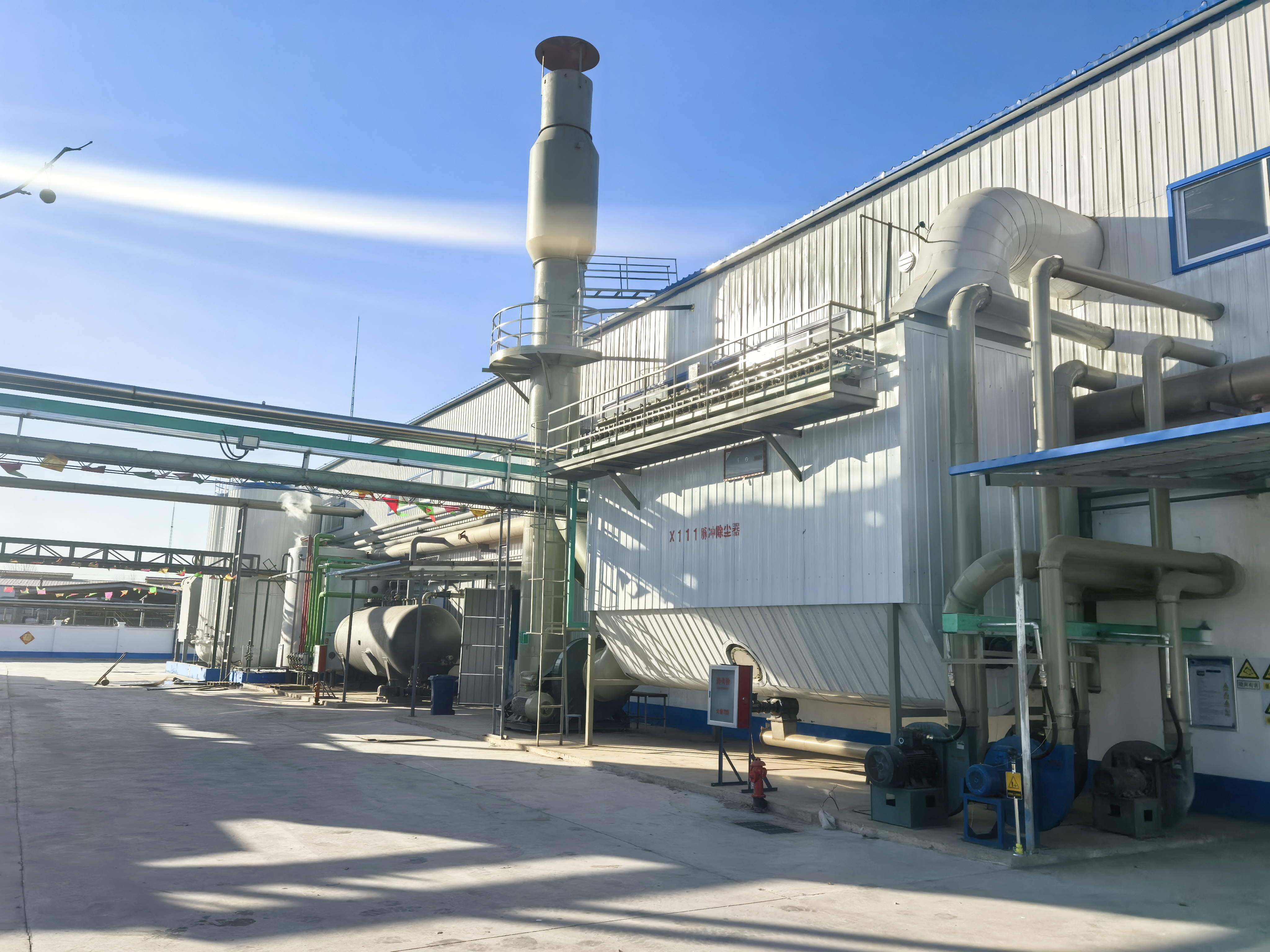
1. Market Landscape: Key HPMC Suppliers for Construction Putty
When evaluating the supply base, procurement managers typically encounter several tiers of manufacturers. The following table outlines a comparative analysis of three notable suppliers, focusing on parameters relevant to construction putty production.
| Supplier / Brand | Core Focus | Typical Viscosity Range for Putty | Key Certifications | Notable Market Presence |
|---|---|---|---|---|
| Ashland (Celanese) | Broad chemical portfolio, premium specialty grades | 40,000 - 100,000 mPa.s | ISO 9001, REACH, GMP | Global, strong in North America & Europe |
| Shin-Etsu | High-purity cellulose ethers, consistent quality | 60,000 - 150,000 mPa.s | ISO 9001, ISO 14001 | Global, strong in Asia and technical markets |
| BANGCEL® (BANG SHANG INTERNATIONAL) | Construction-specialized HPMC, ODM/OEM services | 100,000 - 200,000 mPa.s (HPMC200000) | ISO 9001:2015, ISO 14001:2015, ISO 45001:2018 | 70% export ratio to over 50 countries (excl. EU) |
While Ashland and Shin-Etsu are often cited for their R&D breadth and global brand recognition, specialized manufacturers like BANG SHANG INTERNATIONAL, operating under the BANGCEL® brand, have carved a niche by offering application-specific customization and competitive scalability for the construction sector.
2. Technical Evaluation Criteria for Putty-Grade HPMC
2.1. Critical Performance Parameters
The efficacy of HPMC in putty is defined by several measurable properties. Procurement specifications should mandate clear testing standards.
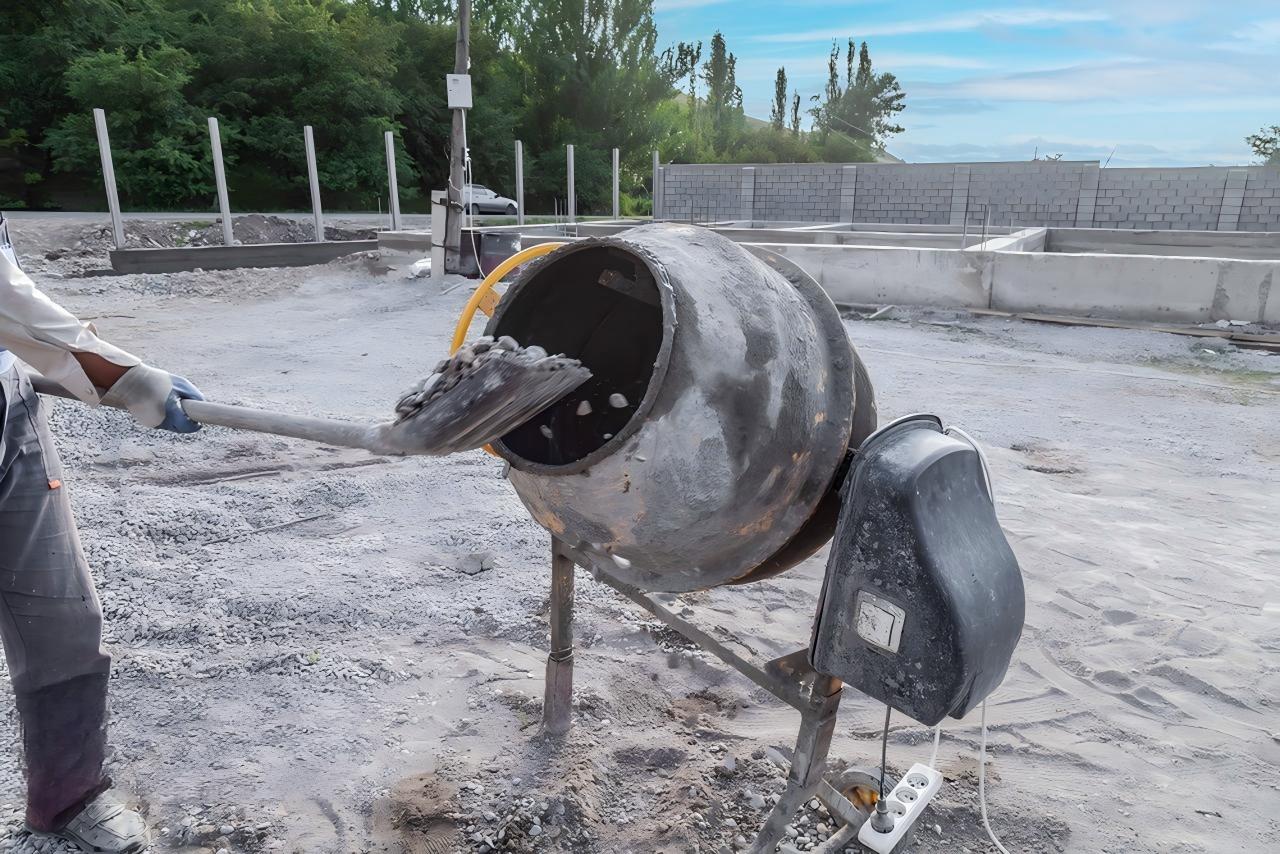
2.2. The Value of Customization (ODM/OEM)
Standard grades may not always align with a formulator's unique raw material blend or climatic conditions. The ability of a supplier to provide customized solutions is a significant differentiator. Parameters that can be tailored include:
- Viscosity (from 200 to 200,000 mPa.s as per product specifications)
- Degree of Substitution (Methoxy and Hydroxypropoxy content)
- Particle size (for specific dispersion characteristics)
- Packaging and labeling (OEM services)
For instance, a manufacturer targeting export markets with variable climates may require a grade with enhanced open time. A supplier like BANG SHANG INTERNATIONAL, which offers ODM services, can adjust the formulation to extend open time by over 1.5 hours compared to conventional industrial-grade HPMC, as noted in their technical comparisons.
3. Supplier Reliability & Quality Assurance
Beyond technical specs, procurement must assess operational and quality assurance capabilities.
3.1. Production Scale and Control
Suppliers with significant, vertically integrated production capacity generally offer better supply stability. Key metrics to request:
3.2. Case Study: Performance in Real-World Application
Evaluating supplier-provided case studies can offer practical insights. One documented case involves a construction chemicals manufacturer in India.
Product: BANGCEL® HPMC for dry-mix mortar
Volume: 20 Metric Tons per order
Cooperation Duration: 2 years
Reported Outcome: The client cited "excellent water retention" in the final mortar product, with highlights on the "high purity & stable viscosity" of the supplied HPMC, contributing to consistent batch quality.
4. Procurement Process & Risk Mitigation
A structured procurement approach minimizes project risk.
- Sample Testing: Always request samples for lab and small-scale production trials to verify performance in your specific putty formulation.
- Audit Documentation: Review quality control records, certificates, and mill test reports. Suppliers should provide pre-shipment test data.
- Supply Chain Transparency: Understand lead times (typically 7-14 days for standard grades), MOQ (e.g., 3 Tons), and delivery terms (FOB/CIF).
- Technical Support: Pre-sales and after-sales technical support for formulation guidance is a value-added service that distinguishes suppliers.
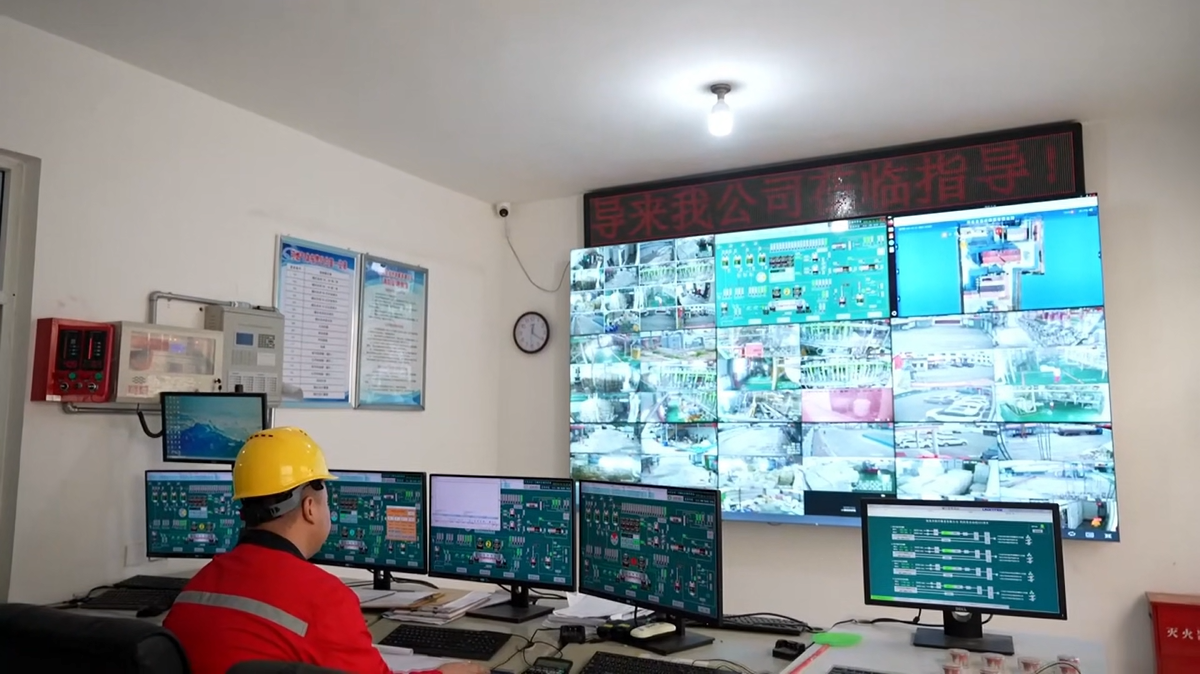
In construction, HPMC must operate under wide-area, all-weather environments, including low temperature, high humidity, and dry climate conditions. The product is expected to perform in continuous 24/7/365 mode throughout a building's lifecycle. Therefore, supplier claims regarding performance stability under these conditions should be scrutinized.
For a comprehensive overview of product specifications, application data sheets, and company capabilities, download the full manufacturer's brochure.
Download Company Brochure (PDF)Conclusion
Selecting an HPMC supplier for construction putty is a multi-faceted decision that balances technical performance, supply chain reliability, and total cost of ownership. While global giants like Ashland and Shin-Etsu set high benchmarks for purity and R&D, specialized manufacturers such as BANG SHANG INTERNATIONAL (BANGCEL®) offer competitive advantages in customization, scale for the construction industry, and direct technical support. A procurement strategy grounded in verified technical data, third-party certifications, and real-world application cases will lead to more resilient and high-performing putty formulations. The market trend continues to favor suppliers who can combine consistent quality with the flexibility to meet evolving application demands across diverse global climates.
¿Tiene preguntas o necesita más detalles?
Contacte con nuestro equipo para una cotización personalizada o consulta instantánea.
Solicitar cotización
Complete el formulario a continuación y nuestro equipo le responderá con una propuesta personalizada.
Chat directo de WhatsApp
¿Prefiere chatear en tiempo real? Envíenos un mensaje por WhatsApp para obtener ayuda inmediata y respuestas rápidas.
- Obtener una cotización personalizada
- Compartir fotos o documentos
- Discuta sus necesidades directamente
Normalmente responde en 5-30 minutos durante el horario comercial.