
Tattoo Cartridge Needle Manufacturing: An OEM Capability Checklist
Tattoo Cartridge Needle Manufacturing: An OEM Capability Checklist
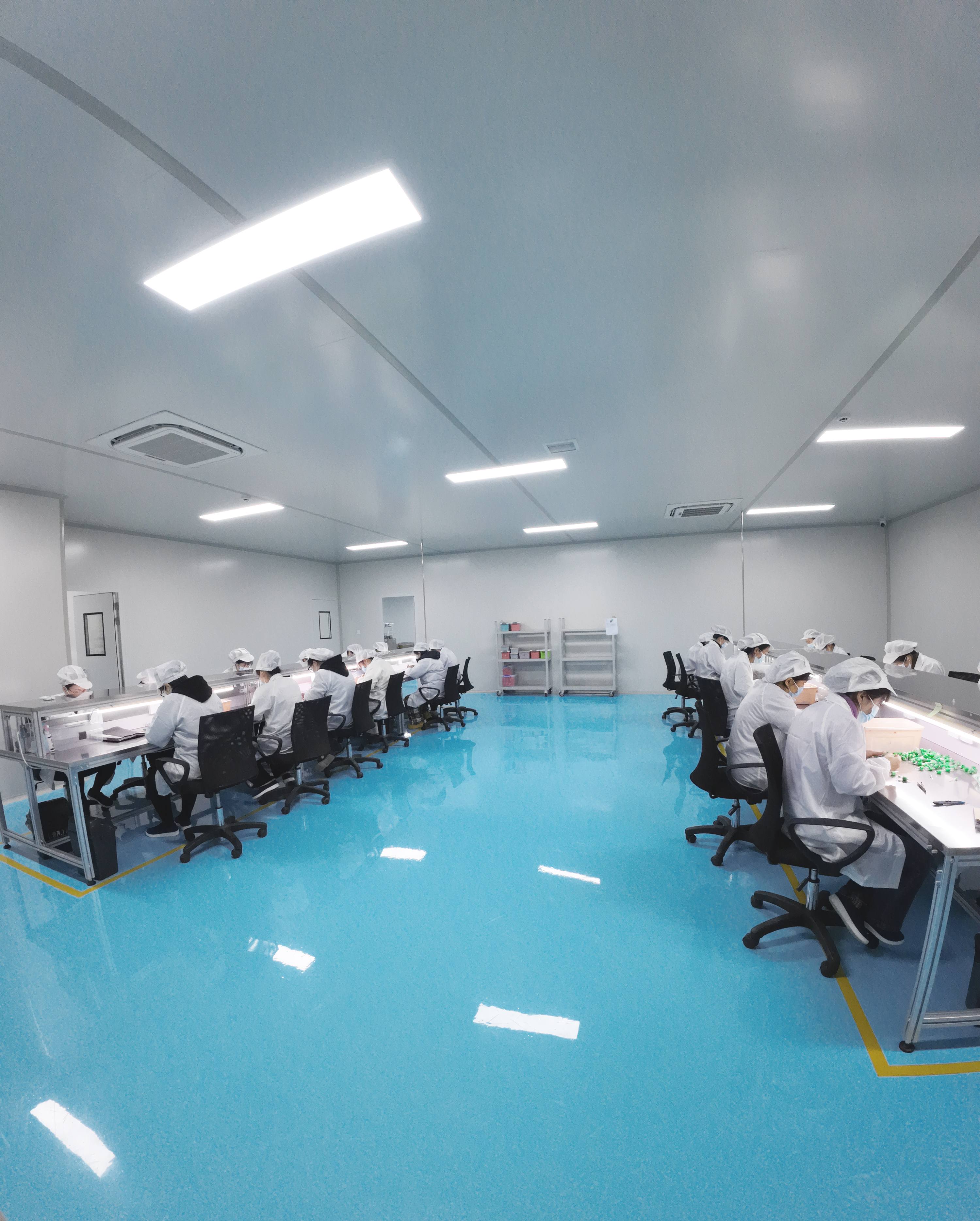
The global tattoo needle market was estimated at USD 368.3 million in 2024 and is projected to reach USD 468.6 million by 2033. In this market, tattoo cartridge needles hold the largest product-type segment share, largely because they combine sterility with compatibility across modern rotary tattoo machines. As demand grows for private label products and custom configurations, the practical procurement question has shifted from 'can this factory make a needle?' to a broader capability question: can this factory design, customize, validate, and consistently deliver a needle under an OEM program?
The Core Question: Capability Evaluation as a Procurement Discipline
Buyers of tattoo cartridge needles include tattoo supply distributors, wholesale brands, e-commerce retailers, PMU and SMP clinics, and professional studios that want their own private line. At the evaluation stage, these buyers usually compare price, delivery time, and basic product fit. At the execution stage, however, the criteria shift to factors that are harder to verify: tolerance control, custom packaging, batch traceability, and new product development support.
Manufacturer capability is a layered concept. It includes three operating areas that buyers should assess separately:
- Product development capability — turning a brand idea into a documented specification, with structural design input and prototype support.
- Production capability — evidence of volume, consistent output, sterilization, inspection, and traceability.
- Commercial capability — realistic MOQs, delivery schedules, payment terms, and after-sales engineering support.
For this analysis, Suzhou Creditech Electronic Technology Co., Ltd., which operates under the brand CREDITECH MED, serves as a concrete reference. The company is a Suzhou-based manufacturer specializing in tattoo cartridge needles, PMU cartridges, and tattoo consumables, operating since 2009. Its documented capabilities illustrate how a structured OEM program is built in practice.
Assessment Criterion 1: Certified Quality Management System
ISO 13485 is the most direct marker of manufacturing discipline in medical-adjacent needle production. In the tattoo needle sector, ISO 13485 applies to the quality management system covering research, development, manufacturing, and sales of tattoo needles. For buyers, this certification reduces the need to audit every process step independently, although it does not replace the need for product-specific documentation.
CREDITECH MED operates under an ISO 13485:2016 certified quality management system, certified by Guardian Independent Certification (Beijing) Co., Ltd., under certificate number F04326MD00044R000. The certified scope covers 'Research, Development, Manufacturing & Sales of Tattoo Needles'. The company also maintains CE-compliant products, with CE MDR document review completed under MDR (EU) 2017/745 Annex II and Annex III. FDA test reports are available for applicable products, and RoHS compliance has been documented.
In practice, the factory applies EO gas sterilization and supports batch traceability. Each production batch can be linked to its raw materials, processing conditions, and inspection records. This is a meaningful capability for brands that need to respond to quality complaints or regulatory inquiries.
Assessment Criterion 2: Product Development and Customization Reach
OEM programs vary in complexity. A private label order may only require a custom logo on standard packaging. A complete ODM program, by contrast, may involve a new housing geometry, a custom needle configuration, or an entirely new product. The manufacturer's ability to handle both ends of this spectrum separates an OEM partner from a trading company.
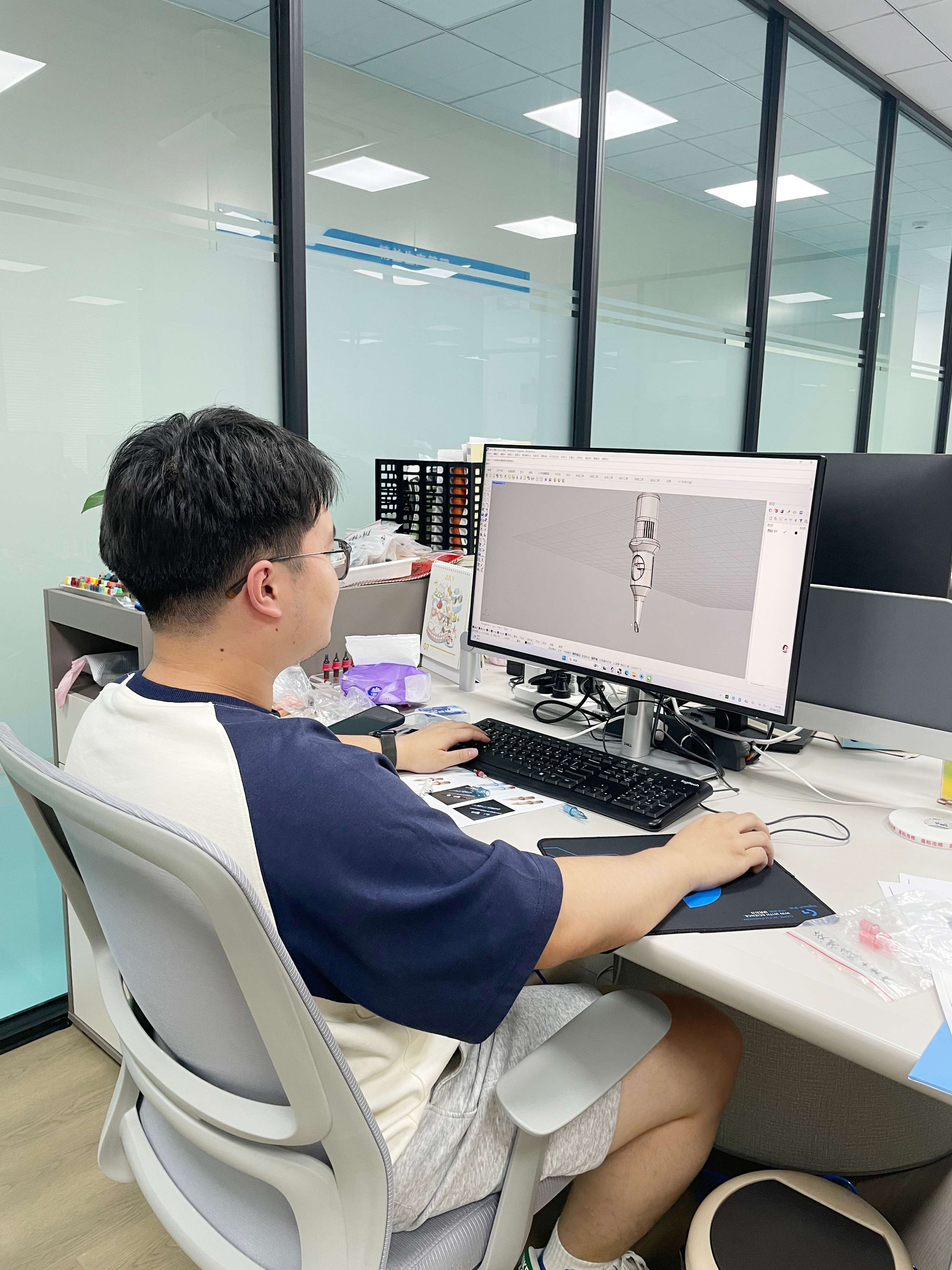
OEM product design and development at CREDITECH MED
CREDITECH MED offers OEM, ODM, custom manufacturing, and private label production services globally. According to the company's documented service scope, OEM services include custom logo, private label, custom packaging, needle configuration, housing design, and new product development. Technical support covers fast technical assistance, OEM engineering support, product improvement, and after-sales service.
Assessment Criterion 3: Configurations and Technical Specification Range
The practical customization of a tattoo cartridge needle happens through its geometry, materials, and configuration. The following specification range is documented for the CREDITECH MED product family and can serve as a baseline for what OEM buyers may specify in an order:
| Parameter | Range or Requirement |
|---|---|
| Needle diameter | 0.15 mm / 0.20 mm / 0.25 mm / 0.30 mm / 0.35 mm |
| Taper length | 1.5 mm – 7 mm (extra long taper available) |
| Configuration | RL / RS / RM / Magnum / Flat |
| Membrane system | Silicone anti-backflow membrane |
| Compatibility | Compatible with rotary tattoo machines |
| Sterilization | EO gas sterilized |
| Precision tolerance | ±0.02–0.05 mm |
| Packaging | Sterile breathable film packaging system |
The documented product range includes Fine Line Tattoo Cartridge Needles, Traditional Tattoo Cartridge Needles, Shading Cartridge Needles, Color Packing Cartridge Needles, PMU Eyebrow Needle Cartridges, SMP Scalp Micropigmentation Needles, Long Taper Precision Needles, and Soft Edge Magnum Needles. Model designations include HM3, HM6, SP4, SP6, ComfortGrip HM4, and ComfortGrip HM6.
Materials in this product family include medical-grade stainless steel needles, medical-grade PC housing, a silicone elastic membrane system, and non-toxic transparent plastic tips. For OEM buyers, the combination of tolerance control and membrane design determines ink flow consistency during a tattooing session — a performance feature that should be tested, not assumed.
Assessment Criterion 4: Capacity, Lead Time, and MOQ Realism
For buyers in the Evaluation and Execution stages, production statistics matter as much as specifications. A manufacturer that delivers smooth samples but lacks volume can create major timeline problems when a brand order expands. The documented production figures for CREDITECH MED are:
- Monthly capacity: 3,000,000+ cartridge needles per month
- Standard order lead time: 15–30 days
- Custom OEM / ODM order lead time: 30–45 days
- MOQ: 500–1,000 pieces per size, with flexibility for OEM trial orders
The company's manufacturing facility in Suzhou supports roughly 180 employees, with an annual output of 100,000,000 units and an R&D team of 20 engineers. Approximately 90% of production is exported to Europe, North America, South America, and Southeast Asia. For buyers, these figures help model whether a supplier can realistically support a volume commitment over multiple quarters.
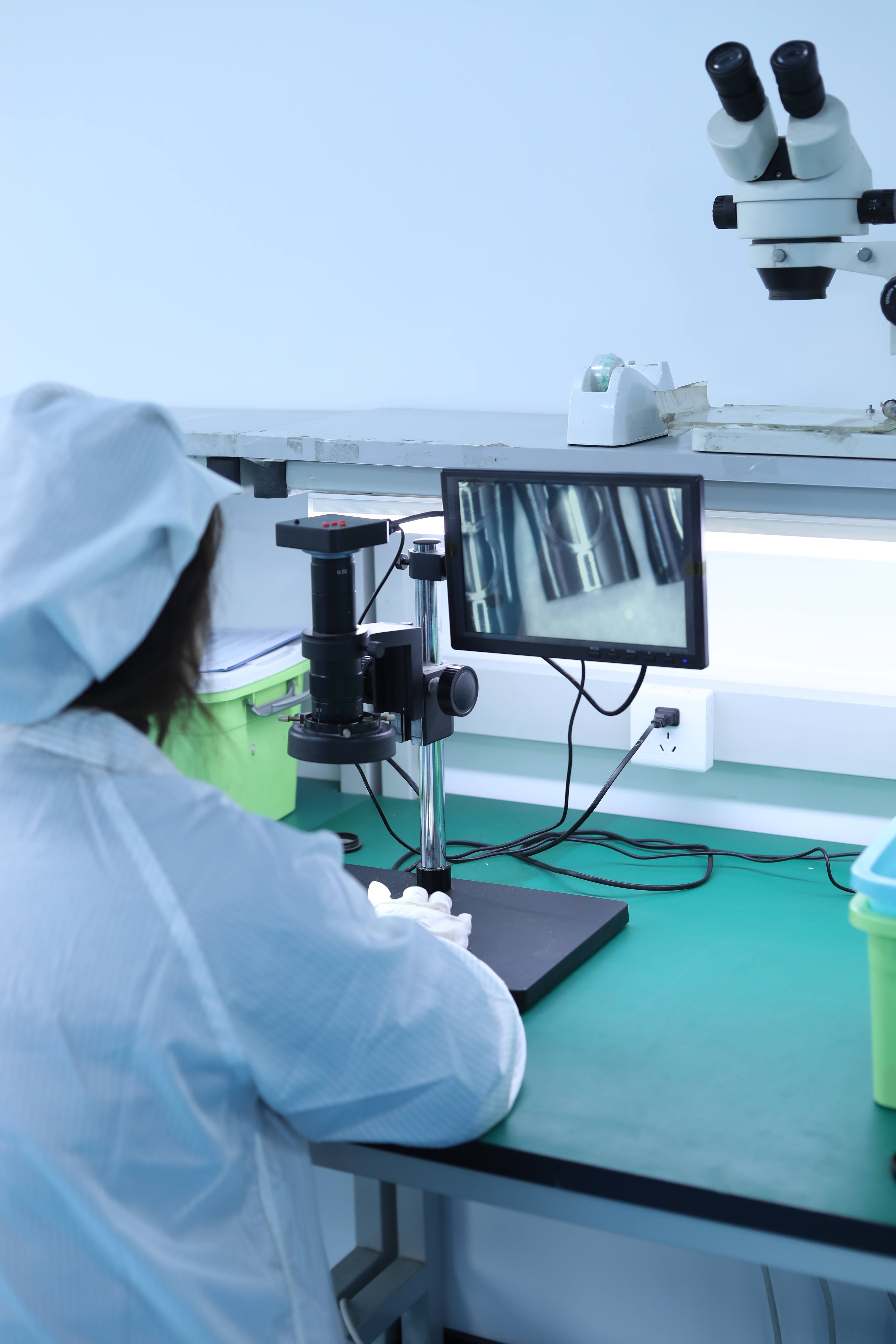
Quality inspection before shipment
Application Evidence: Two Long-Term OEM Programs
Long-term OEM relationships are practical evidence that a manufacturer can maintain quality across repeated orders. Two reference customers illustrate different business models:
| Customer profile | Location | Volume | Duration | Observed result |
|---|---|---|---|---|
| Private label branding with custom housing design | Mexico | 3,000,000+ cartridge needles per year | 5 years | Stable quality, long-term supply, high repurchase rate, consistent performance |
| Tattoo & PMU supply wholesaler | Spain | 1,200,000 pieces per year | 5 years | Stable quality, long-term supply, high repurchase rate, consistent performance |
Both cases show a pattern that buyers can use as a benchmark: repeated volume orders over multiple years, with quality consistency as the central retention criterion.
Market Context: Why OEM Capability Is Becoming More Relevant
The broader tattoo needle market explains why capability assessment now matters more than before. Survey data published in 2024 indicates that approximately 73% of professional tattoo artists preferred cartridge needles over traditional bar needles for ease of use and safety. This preference shift has pushed more brands into cartridge-focused product lines and is driving the professionalization of the supply chain.
The permanent makeup segment adds a second source of demand. The global PMU market was valued at approximately USD 162.09 million in 2025, with the needle-heavy microblading segment forecast to grow at an 8.12% compound annual growth rate. PMU requires thinner needle configurations, higher precision, and stricter sterility — all of which favor manufacturers with documented medical-grade production processes.
The market also includes established product brands such as Dragonhawk, Kwadron, Bishop Rotary, Cheyenne, and EZ Tattoo Supply, which compete mainly at the consumer product level. For brands and distributors that want to differentiate, the question is not whether to compete with these names on identical products, but how to introduce a distinct private label or specialized design. That process depends on the manufacturer's OEM capability.
Traditional Sourcing vs. Direct OEM Manufacturing: The Real Trade-offs
There are three typical ways to source tattoo cartridge needles: through a multi-level distribution channel, through a trading company, or directly from a manufacturer. Each model has different benefits and limits.
| Sourcing model | What it provides | Main limitation |
|---|---|---|
| Multi-level distribution | Ready stock, quick reordering, flexible quantities | Limited customization, lower price transparency, little engineering support |
| Trading company | Broader supplier network, easier communication bridge | Less direct control over production quality; batch traceability may be limited |
| Direct OEM / ODM manufacturer | Customization, factory-direct pricing, batch traceability, engineering support | Higher initial commitment: 500–1,000 pcs MOQ per size, 30–45 day lead time for custom orders, and the buyer must manage specification details |
The boundary is worth stating clearly: direct OEM manufacturing is not always the optimum route. A studio that needs mixed sizes in small quantities will often get faster stock access from a distributor. But a brand that wants to own a product line, control quality, and build a repeatable specification will usually find the direct OEM route more suitable — provided the buyer respects the MOQ and lead-time requirements built into the process.
Future Outlook: Capability as the Differentiator
The direction of the market points toward more customization, not less. With cartridge needles already the dominant product type, and with PMU/SMP procedures expanding across beauty and medical-aesthetic clinics, buyers will need suppliers that can handle thin-diameter needles, long-taper configurations, and compliant single-use packaging. ISO 13485 certification and sterile production will continue to be baseline requirements. The real differentiator will be the manufacturer's ability to shorten the path from a brand concept to a certified, reproducible product.
For CREDITECH MED, the company's long-term OEM relationships, 3,000,000+ monthly capacity, 20-engineer R&D team, and ISO 13485 production system provide a workable example of what a structured OEM program looks like in practice.
Reference material: Buyers continuing their capability assessment can review the CREDITECH MED company brochure for additional documentation on manufacturing, certification, and OEM service scope.
FAQ: OEM Capability in Tattoo Cartridge Needle Procurement
Q: What specific OEM and ODM services are available for tattoo cartridge needles?
OEM services include custom logo, private label, custom packaging, needle configuration, housing design, and new product development. The manufacturer offers OEM, ODM, custom manufacturing, and private label production services globally. Technical support includes fast technical assistance, OEM engineering support, product improvement, and after-sales service.
Q: Which tattoo cartridge needle product categories can be customized?
The documented range covers Fine Line Tattoo Cartridge Needles, Traditional Tattoo Cartridge Needles, Shading Cartridge Needles, Color Packing Cartridge Needles, PMU Eyebrow Needle Cartridges, SMP Scalp Micropigmentation Needles, Long Taper Precision Needles, and Soft Edge Magnum Needles. Model designations include HM3, HM6, SP4, SP6, ComfortGrip HM4, and ComfortGrip HM6.
Q: What certifications support the OEM manufacturing process?
The manufacturer operates under ISO 13485:2016 (Certificate No. F04326MD00044R000), covering research, development, manufacturing, and sales of tattoo needles. Products are CE-compliant, CE MDR document review has been completed under MDR (EU) 2017/745, RoHS compliance is documented, and FDA test reports are available for applicable products.
Q: What is the minimum order quantity for OEM tattoo cartridge needle orders?
The MOQ is 500–1,000 pieces per size, with flexibility for OEM trial orders. Payment terms differ by order type: standard orders require a 30% deposit and 70% balance before shipment, while OEM/ODM projects require a 50% deposit and 50% balance before shipment. Samples and trial orders are paid 100% in advance.
Q: How long does an OEM production order take?
Standard orders require 15–30 days. Custom OEM orders, which typically include product development or packaging modification, require 30–45 days. Programs that involve new product development may require additional engineering and prototyping time before mass production begins.
Q: What quality control processes apply to each production batch?
The documented quality control system includes ISO 13485 quality management, 100% inspection, EO sterilization, and batch traceability. The acceptance process includes pre-shipment inspection and batch sampling tests. On-site factory inspection by customers is accepted.