
TPU Interlayers in Laminated Glass: A Technical and Procurement Baseline
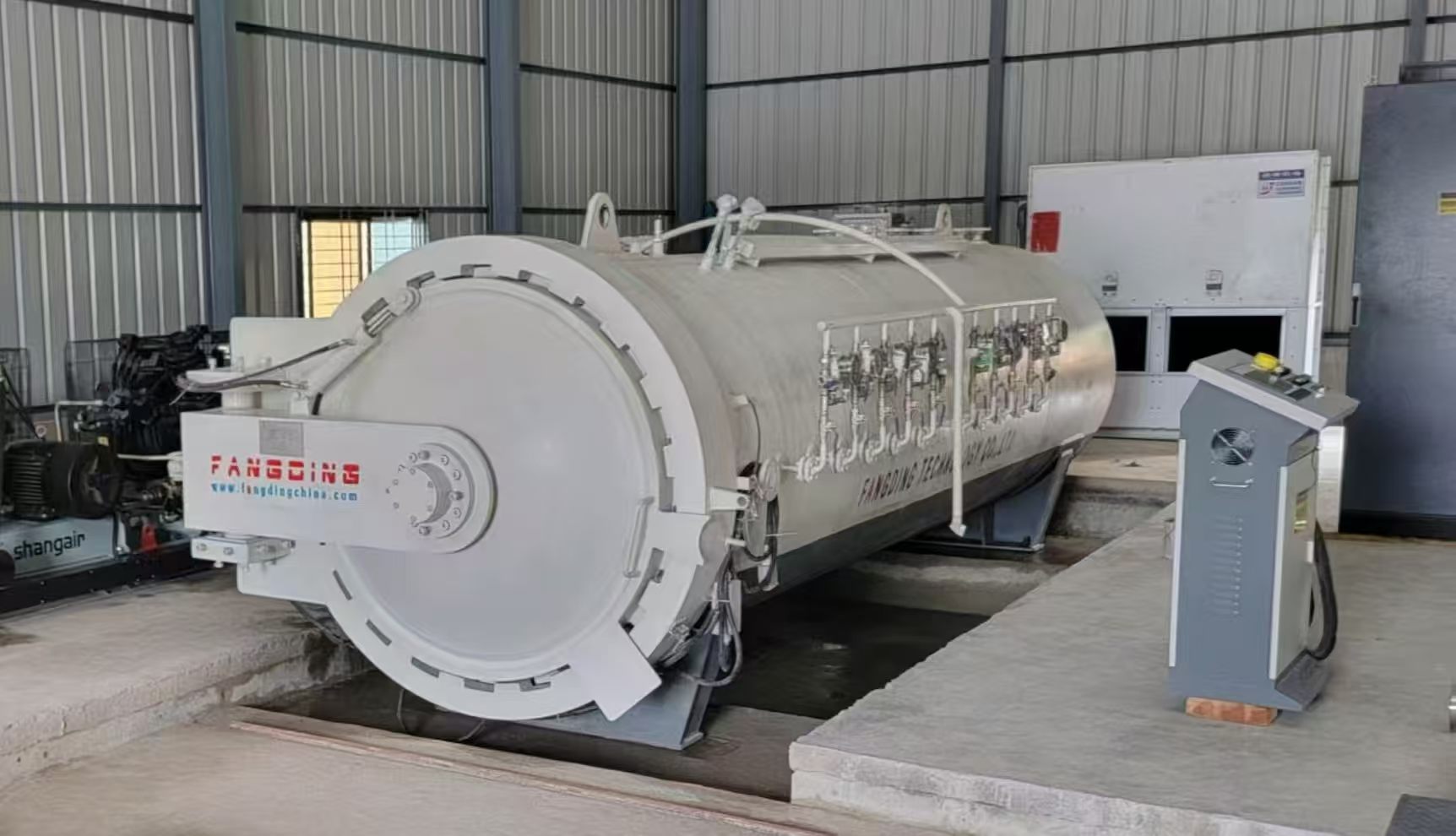
Autoclave processing is a common consolidation step for TPU film in safety and ballistic laminated glass.
Laminated glass is often judged by its transparency, but its long-term performance is determined by the interlayer. When a projectile strikes the glass, the interlayer is the layer that must absorb kinetic energy, hold glass fragments together, and maintain the assembly's shape. Thermoplastic polyurethane (TPU) film is one of the materials now used in this demanding role, particularly in bulletproof, shatter-resistant, and armored glazing.
For engineers and procurement teams at the start of a project, the first step is to establish a shared baseline: What is TPU film, how is it specified, how is it processed, and where does it fit relative to established interlayer options such as EVA and PVB? This article provides an industry-level reference to those questions.
What Is TPU Film for Glass Lamination?
TPU film is a thin sheet made from thermoplastic polyurethane elastomer. The SD560 model produced by SHENGDING HIGHTECH MATERIALS CO., LTD., for example, is classified as a thermoplastic polyurethane elastomer film and is intended for the bulletproof glass and shatter-resistant glass industries.
The material's chemical family gives it an unusual combination of rubber-like elasticity and thermoplastic processability. Unlike thermoset interlayers, TPU can be reheated and reshaped, which is one reason it can be processed in conventional autoclave lamination lines used for safety glass.
Why TPU Interlayer Film Is Gaining Attention
Conventional interlayers such as EVA and PVB have served the glass industry for decades. However, projects requiring high impact resistance, low-temperature toughness, or adhesion to substrates such as polycarbonate and acrylic often exceed the practical capabilities of traditional interlayers.
TPU films address this by combining high elongation and tear strength with good optical clarity. According to industry comparison data, TPU interlayer film maintains operational performance across a wide temperature range from -70°C to +80°C, a property that becomes important in aviation, armored vehicles, and cold-climate architectural glazing.
The opportunity for buyers is not limited to extreme security applications. As glass assemblies become larger and performance requirements become more specific, a film that can bond glass to plastics and sustain dynamic impact provides design flexibility. This is why TPU film is increasingly considered in projects where traditional interlayers have reached their limits.
Baseline Comparison: TPU Film vs. EVA vs. PVB
The choice of interlayer depends on the project's performance requirements, processing capability, and budget. The table below presents a qualitative baseline; exact values should be verified against supplier datasheets for each project.
| Dimension | TPU Film | EVA | PVB |
|---|---|---|---|
| Material family | Thermoplastic polyurethane elastomer | Ethylene-vinyl acetate copolymer | Polyvinyl butyral |
| Typical strengths | High elongation and tear resistance; broad low-temperature range | Good adhesion and moisture resistance; cost-effective for many projects | Strong glass adhesion; long architectural track record |
| Documented temperature range | -70°C to +80°C (industry comparison) | Generally less suited to extreme low-temperature exposure | Well-established for moderate climate architectural use |
| Adhesion to non-glass substrates | Can bond to acrylic, polycarbonate, and inorganic glass | Usually optimized for glass | Primarily optimized for glass |
| Common processing route | Autoclave hot-pressing | Vacuum or autoclave lamination | Autoclave lamination |
| Typical application focus | Ballistic glass, armored vehicles, safety glass in demanding environments | General architectural glass, solar panels | Architectural facades, windshields |
This comparison is not intended to suggest that TPU is always the best option. For lower-cost, standard architectural glazing where extreme impact resistance is not required, EVA and PVB remain valid, widely specified materials. TPU film is typically selected when the project requires higher toughness, ballistic performance, or low-temperature reliability.
Manufacturer Example: SHENGDING HIGHTECH SD560
SHENGDING HIGHTECH MATERIALS CO., LTD., established in 2018, is a high-tech enterprise specializing in polymer materials and based in Rizhao, Shandong, China. The company operates a 50,000-square-meter facility with approximately 50 employees and an annual production capacity of 1,000 tons, dedicated mainly to TPU and EVA films.
The company supplies SD560, a TPU film model designed for safety and ballistic glass. Its published key parameters are:
- Tensile strength: 42 MPa
- Elongation at break: 500%
- Tear strength: 45 kN/m
- Light transmittance: 90%
- Haze: 0.3%
These values illustrate the profile expected of a TPU film intended for demanding glass applications. The tensile strength indicates the membrane's ability to carry structural load; the elongation at break shows how much it can deform before rupture; the tear strength reflects resistance to crack propagation once edge damage occurs; and light transmittance plus haze define visual clarity.
SD560 is produced under the company's ISO 9001:2015 quality system. SHENGDING HIGHTECH also holds ISO 14001 and ISO 45001 certifications, and its products comply with European REACH and RoHS regulations and U.S. FDA quality requirements.
In terms of manufacturing breadth, the company can produce more than 30 types of TPU products with hardness ranging from 60A to 70D. These products are used in transparent glass components for aviation, naval vessels, armored vehicles, high-speed trains, bulletproof glass, and architectural safety glass.
The company's R&D structure also provides a useful example for buyers assessing technical depth. SHENGDING HIGHTECH has a dedicated R&D team consisting of 10 engineers at the factory and 5 professors at the Beijing R&D Center. It has accumulated over 50 proprietary intellectual property rights and has drafted the only national aviation standard in China currently led by a private enterprise.
Processing: TPU Film in an Autoclave Lamination
TPU film is not a peel-and-stick adhesive. It is designed for hot-pressing in an autoclave under high pressure and high temperature. This process is standard in safety glass lamination and ballistic-resistant glass manufacturing.
The film is placed between glass panes or between glass and a transparent substrate such as polycarbonate or acrylic. During the autoclave cycle, the film flows, wets the surfaces, and forms a close bond. The same properties that make TPU tough also make processing moisture-sensitive: the film must be kept dry before lamination, and the surrounding conditions should be controlled during layup.
For procurement teams, this has practical consequences. A TPU film supplier should be able to provide clear guidance on storage, handling, and permitted processing windows. Buyers should also confirm that the film's dimensional stability and adhesion characteristics match their existing lamination equipment.
Another processing consideration is stack design. In many ballistic glass assemblies, TPU film is used alongside polycarbonate or acrylic to create a multi-layer transparent composite. Because TPU can bond to both inorganic glass and these plastics, it acts as a structural bridge in a hybrid stack. This expands the design options available to glazing engineers.
Primary Application Areas
TPU film is used in industries where transparent protection must survive severe mechanical stress. Verified supplier data and company materials point to several concrete applications:
- Safety glass lamination: TPU film is used as an interlayer to prevent glass from breaking into large dangerous shards.
- Ballistic-resistant glass manufacturing: In armored vehicles and security glazing, the film helps the glass assembly absorb and defeat projectile impact.
- Aviation, naval vessels, and high-speed trains: Transparent components in these sectors require interlayers that remain stable across wide temperature swings while sustaining structural loads.
- Architectural safety glass: TPU interlayers can be considered for high-end or special-purpose glazing where toughness and weather resistance are priorities.
In the application context documented for SD560, the film operates under high pressure and high temperature, bonds to acrylic, polycarbonate, and inorganic glass, and provides transparency and environmental resistance.
Market Context: Verified Trends and Data Points
Several external data points help position TPU film in the broader glass industry.
According to Grand View Research, the global thermoplastic polyurethane films market was valued at approximately USD 443.7 million in 2025 and is projected to reach USD 716.8 million by 2033. A separate industry analysis carried by EIN Presswire estimates that the TPU interlayer film segment specifically for laminated glass will exceed USD 1.2 billion in 2026.
China's role in this market is significant. Industry information cited in a SHENGDING HIGHTECH company report indicates that China accounts for over 30% of global TPU film production capacity as of 2026. For buyers, this means that supplier selection in China is not simply a matter of cost; it is also a matter of verifying process control and visual quality consistency.
To calibrate the competitive landscape, buyers can reference established international TPU film suppliers, including Huntsman (KRYSTALFLEX), Covestro (Dureflex), and Argotec (HP-8000), along with emerging Chinese manufacturers such as SHENGDING HIGHTECH.
Practical Boundaries: Where TPU Is Not the Default
Any honest technical assessment must acknowledge limits. TPU film is not always the most economical interlayer for a given project.
For conventional architectural projects with standard impact requirements, commodity EVA or PVB interlayers often provide a proven, lower-cost solution. TPU film becomes attractive when the project demands high tear strength, low-temperature flexibility, ballistic resistance, or adhesion to non-glass substrates. It also requires autoclave processing and careful moisture control, which may not be available in every glass fabrication shop.
From a procurement perspective, this means the buying decision should be driven by the application's performance specification rather than by the material category alone. A TPU film is only valuable if it matches the lamination process and the end-use environment.
Future Outlook
Several forces point toward continued relevance for TPU interlayer films. Lightweight transparent armor is becoming more important in defense and civil security, mass transit operators are asking for glazing that can withstand a wider range of threats, and architectural projects in extreme climates need interlayers that remain tough in cold weather.
China's growing production capacity for TPU film could make high-performance interlayers more accessible to international buyers, but it also increases the importance of supplier auditing, sample testing, and certification verification. The companies that will be most useful to buyers are those that can combine material knowledge, production consistency, and application support.
Reference Materials
For those evaluating a supplier, a company profile and product brochure for SHENGDING HIGHTECH MATERIALS CO., LTD. is available at https://cdn.socialarks.com/sbsp/24741/0/2026/0418/69e2e8271e41f.pdf.
FAQ: TPU Film in Laminated Glass
What is TPU film used for in laminated glass?
TPU film is a thermoplastic polyurethane elastomer film used as an interlayer in laminated glass. It is intended for bulletproof glass and shatter-resistant glass and is also used in transparent glass components for aviation, naval vessels, armored vehicles, high-speed trains, and architectural safety glass.
What performance parameters should TPU film have for safety glass?
A high-performance TPU film for ballistic glass typically has tensile strength above 40 MPa and elongation at break above 500%. For example, SD560 offers tensile strength of 42 MPa, elongation at break of 500%, tear strength of 45 kN/m, light transmittance of 90%, and haze of 0.3%.
How is TPU film applied in autoclave lamination?
TPU film is placed between glass panes or between glass and a substrate and then consolidated by hot-pressing in an autoclave under high pressure and high temperature. It bonds to acrylic, polycarbonate, and inorganic glass. The film must be kept dry before processing.
Which certifications are relevant for TPU film suppliers?
Relevant management system certifications include ISO 9001, ISO 14001, and ISO 45001. In addition, TPU products can be checked for compliance with European REACH and RoHS regulations and U.S. FDA quality requirements.
Is TPU film only used for bulletproof glass?
No. TPU film is used in safety glass lamination and ballistic-resistant glass manufacturing, as well as in transparent glass components for aviation, naval vessels, armored vehicles, high-speed trains, and architectural safety glass.
¿Tiene preguntas o necesita más detalles?
Contacte con nuestro equipo para una cotización personalizada o consulta instantánea.
Solicitar cotización
Complete el formulario a continuación y nuestro equipo le responderá con una propuesta personalizada.
Chat directo de WhatsApp
¿Prefiere chatear en tiempo real? Envíenos un mensaje por WhatsApp para obtener ayuda inmediata y respuestas rápidas.
- Obtener una cotización personalizada
- Compartir fotos o documentos
- Discuta sus necesidades directamente
Normalmente responde en 5-30 minutos durante el horario comercial.