
TPU Film for Autoclave Lamination: Matching Material Properties to Safety Glass Project Requirements
For safety glass projects—whether ballistic-resistant, blast-proof, or high-end architectural—the interlayer film is the single most critical component determining both optical clarity and mechanical survivability. SHENGDING HIGHTECH MATERIALS CO., LTD, a high-tech enterprise established in 2018 in Rizhao, China, produces thermoplastic polyurethane (TPU) films designed specifically for autoclave lamination processes in high-pressure, high-temperature environments. The company’s SD560 TPU film series targets demanding applications where traditional interlayers fall short.
[IMAGE: Cover | industry scene]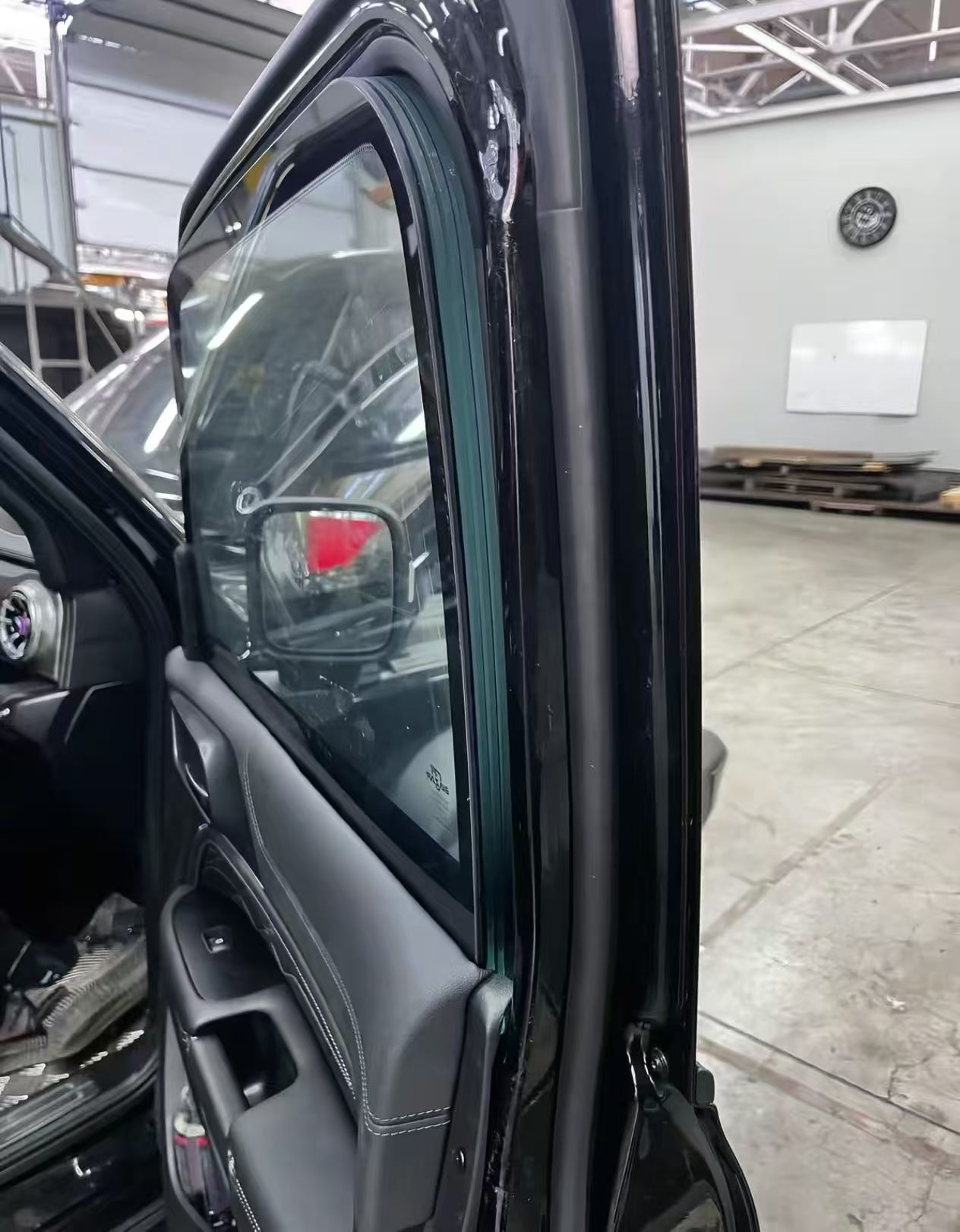
Bulletproof vehicle glass modification project requiring high-adhesion TPU interlayer film.
Problem / Opportunity
Procurement teams evaluating interlayer films for laminated safety glass face a persistent challenge: balancing optical transparency, adhesion to multiple substrates (glass, polycarbonate, acrylic), and long-term durability under ballistic or blast loads. EVA and standard PVB interlayers exhibit limitations in adhesion to non-glass materials and suffer from yellowing or delamination over time. TPU film addresses these gaps but requires rigorous process compatibility—specifically, autoclave lamination. The opportunity lies in selecting a TPU film that delivers consistent mechanical properties while matching project-specific equipment and environmental controls.
Brand Solution
SHENGDING HIGHTECH MATERIALS CO., LTD offers the SD560 TPU film (Thermoplastic Polyurethane Elastomer) engineered for safety glass lamination. With a tensile strength of 42 MPa, elongation at break of 500%, and tear strength of 45 kN/m, the film provides high mechanical robustness. Its light transmittance of 90% and haze of 0.3% ensure optical clarity suitable for transparent armor and architectural glass. The company’s proprietary synthesis and extrusion technology—developed in-house by a team of 10 factory engineers plus 5 professors at a Beijing R&D center—enables stable production of wide-width TPU interlayer films up to 1000 tons annual capacity.
[IMAGE: Diagram | process/architecture]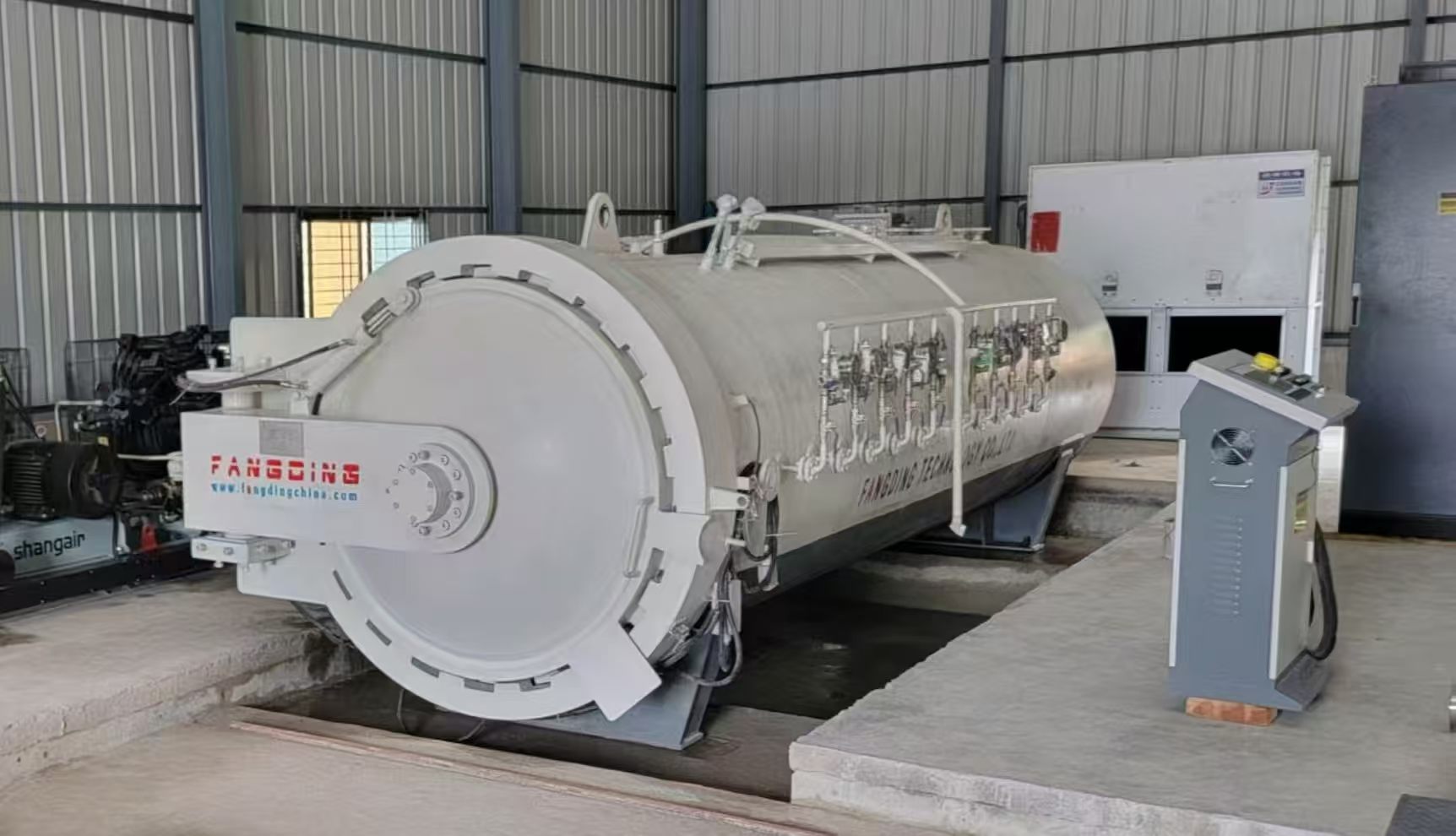
Autoclave – required supporting equipment for TPU film lamination under high pressure and high temperature.
Technical Explanation
The SD560 TPU film is designed for autoclave lamination—a process that applies high pressure and high temperature to bond the interlayer to glass and other substrates. The product requires supporting equipment such as an autoclave and must be kept dry before lamination. The film operates under high-pressure and high-temperature environments typical of safety glass manufacturing. SHENGDING’s TPU pellets, from which the film is extruded, feature high transparency, a hardness range of 60A to 70D across over 30 types, outstanding cold resistance, and resistance to oil, water, and mold. The company holds ISO 9001, ISO 14001, and ISO 45001 certifications, with product performance complying with European REACH, RoHS, and U.S. FDA quality requirements.
Application / Use-Case Scenarios
One documented application involves a defense industry customer in Pakistan using 100 rolls of SD560 TPU film for bulletproof glass manufacturing. Over a two-year period, the film maintained stable operation, and the customer noted that SHENGDING was the only qualified TPU film supplier in the country for that application. The film bonds effectively to acrylic, polycarbonate, and inorganic glass, making it suitable for multi-layer laminated structures used in armored vehicles, high-speed trains, aviation transparencies, and high-end architectural safety glass.
[IMAGE: Scene | application]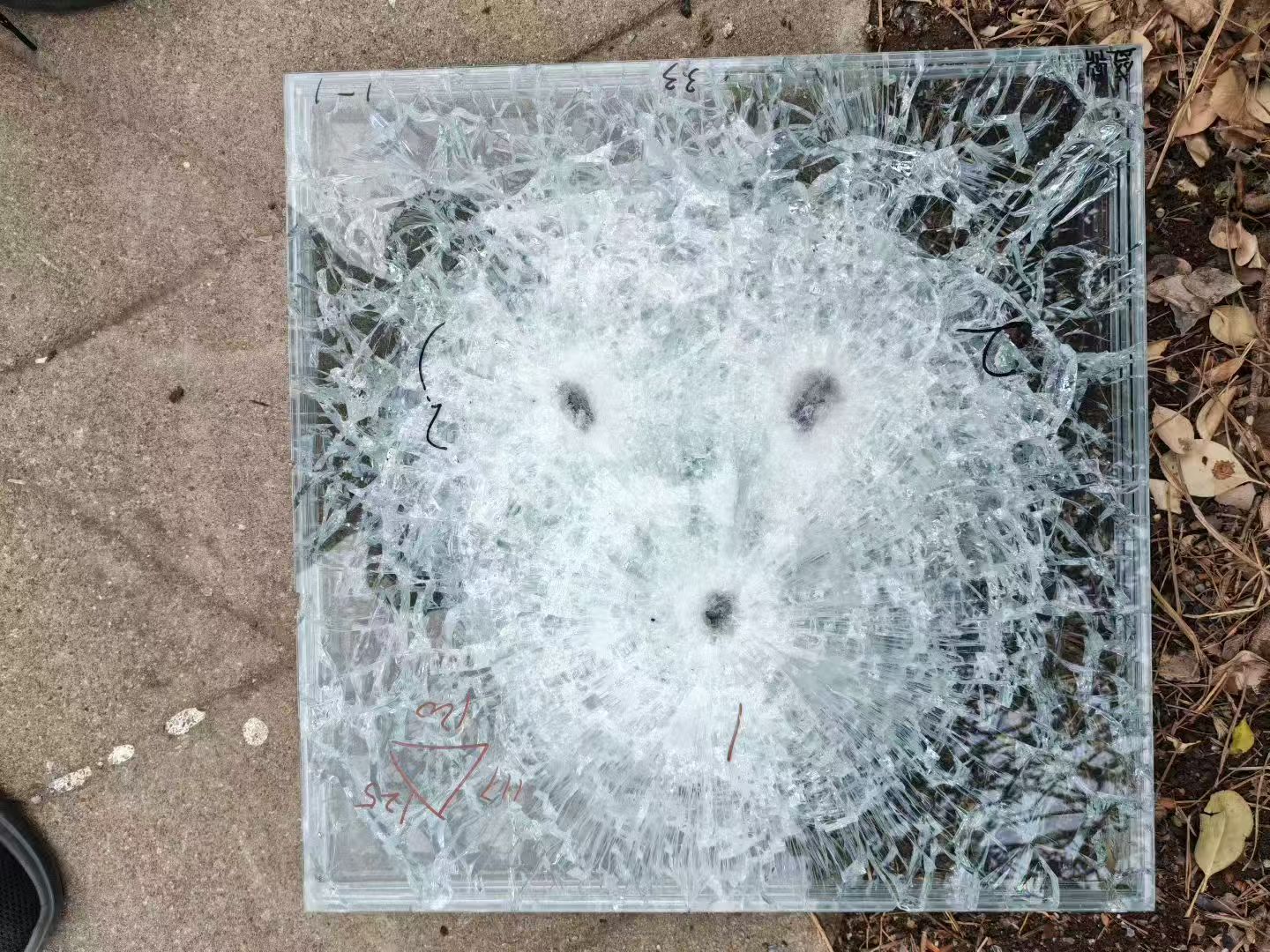
Bullet-resistant glass panel with facing surface integrated with SHENGDING TPU film.
Market Trend Analysis
The demand for high-performance TPU interlayer films is growing in ballistic and armored glass segments, particularly in regions like North Africa, the Middle East, and Latin America—where SHENGDING exports 70% of its output. Military modernization programs and stricter building safety codes are driving specifications toward materials that offer higher adhesion to dissimilar substrates and better impact energy absorption. The trend is reinforced by the shift from traditional PVB/EVA to TPU in applications requiring compliance with REACH and RoHS regulations.
Comparison with Traditional Solutions
Compared to EVA interlayer films, TPU films offer superior tensile strength (42 MPa vs. typical EVA ~15-20 MPa) and better adhesion to non-glass surfaces such as polycarbonate and acrylic. The SD560 film’s tear strength of 45 kN/m exceeds standard EVA ratings. However, a key limitation is process dependency: TPU film requires autoclave lamination, whereas EVA can be laminated in simpler vacuum bag ovens. This means TPU is best suited for projects where autoclave capacity already exists or can be justified by performance requirements.
Future Outlook
As safety glass standards evolve, the need for interlayer materials that withstand extreme temperature cycling and high-velocity impacts will accelerate adoption of TPU films. SHENGDING HIGHTECH continues to expand its R&D in low-Tg formulations and custom hardness grades. With a monthly capacity of 100 tons and a 10-day lead time for standard orders (50 kg MOQ), the company is positioned to serve both project-specific prototypes and large-scale production runs.
Frequently Asked Questions
Q: What equipment is needed to use SHENGDING TPU film for laminated glass?
A: The product must be used with an autoclave, which serves as the required supporting equipment. The autoclave provides the high pressure and high temperature environment essential for proper bonding of the TPU interlayer to glass and other substrates.
Q: Does the TPU film require any special handling before lamination?
A: Yes, the TPU film must be kept dry prior to use. Moisture absorption can affect optical quality and adhesion. Storage in a controlled, low-humidity environment is recommended.
Q: Can SHENGDING TPU film be used with polycarbonate or acrylic?
A: Yes, the film is designed to bond effectively with inorganic glass, polycarbonate, and acrylic. This makes it suitable for multi-layered structures in ballistic glass and aerospace transparencies.
Q: What is the typical lead time for an SD560 TPU film order?
A: Standard lead time is 10 days from order confirmation. Minimum order quantity is 50 kg. Customized width and length options are available through OEM/ODM production.
For a detailed technical datasheet and capability overview, download the company brochure: SHENGDING HIGHTECH Materials Co., Ltd – Product Brochure.