
TPU Film for Armored Glass: 10 Buyer Checks Before Ordering
What a third-party buyer verified when evaluating SHENGDING HIGHTECH MATERIALS’ TPU interlayer film, and what you should check before placing a TPU film order for armored or safety glass projects.
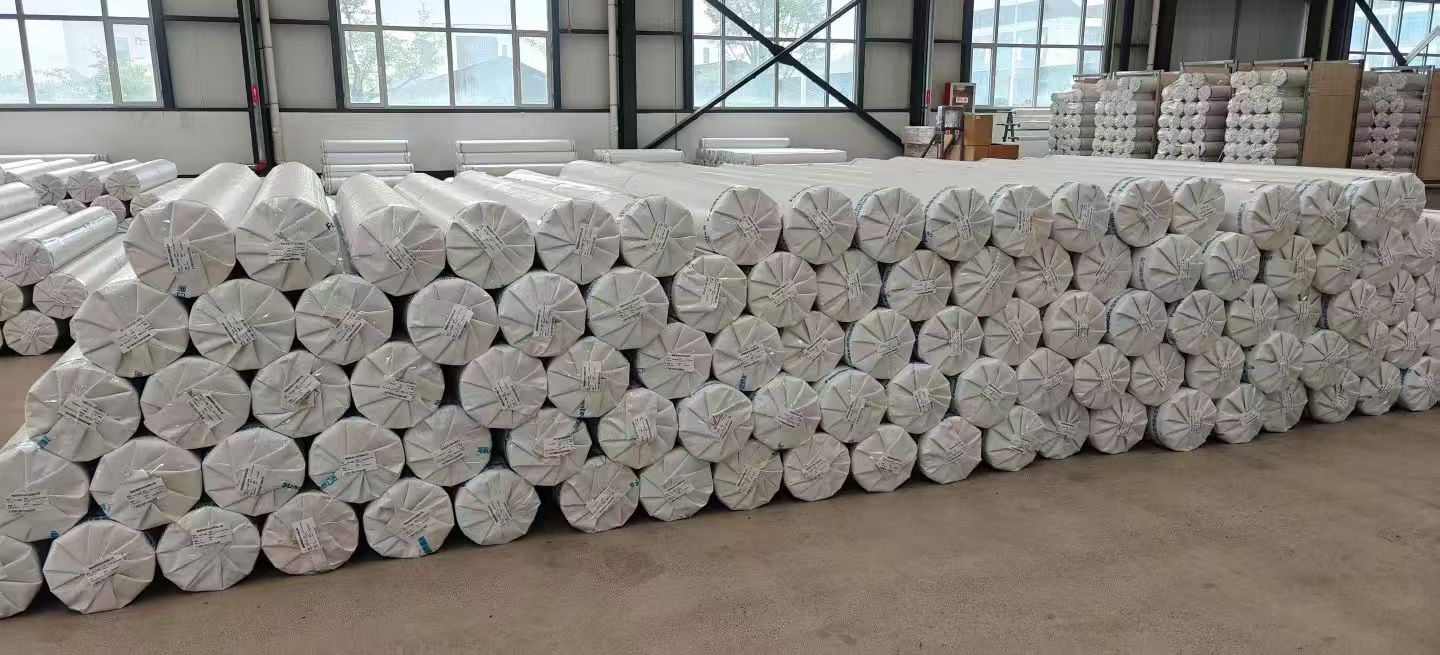
Armored glass is not a single material. It is a layered system in which the polymeric interlayer often decides how the panel behaves under impact, in cold weather, and over years of service. Thermoplastic polyurethane (TPU) film is increasingly chosen for this role because it combines elasticity, impact absorption, and a wider service temperature range than many conventional interlayers. But buying TPU film for armored glass is not the same as choosing from a simple chemical catalogue. The buyer needs to verify that the film grade matches the project’s threat level, lamination process, and environment.
This article summarizes the ten checks used by a third-party buyer before ordering TPU film for armored glass, using SHENGDING HIGHTECH MATERIALS CO., LTD (SHENGDING) as the evaluated reference supplier. SHENGDING is a TPU and EVA film manufacturer based in Rizhao, Shandong Province, with an export-oriented production profile. The checklist below is useful even when the final laminate will be produced by a different converter.
Why a third-party buyer needs its own evidence
Supplier datasheets are useful but they are not enough for a decision-stage purchase. When a glazing panel is expected to stop high-velocity fragments or survive extreme temperature cycles, the buyer has to verify material-level claims and understand how those claims relate to the final laminated glass system.
The opportunity in TPU film sourcing is that specialty TPU grades can be customized, not simply bought off the shelf. The challenge is that claims such as “better for bulletproof glass” or “lower cost than a named competitor” need traceable evidence. A factory audit and structured product comparison are the most direct ways to obtain that evidence.
The ten pre-order checks
1. Glass-transition temperature and the actual operating environment
The first check was the glass-transition temperature (Tg) of the TPU film. A lower Tg indicates that the polymer can stay flexible at lower service temperatures, which is relevant for armored glass in cold climates or uncontrolled outdoor installations.
SHENGDING’s comparative data states that its customized TPU film has a glass-transition temperature of minus 72 degrees Celsius, while Huntsman 399 TPU is listed at minus 40 degrees Celsius. This 32-degree difference matters when a laminated glass panel must absorb impact energy without the interlayer forming a brittle failure path.
The buyer’s verification step was straightforward: ask for the Tg value to be tied to a specific test method and batch record, not simply copied onto a marketing sheet.
2. Customization capability versus a standard product
The second check was whether the film can be adjusted to a buyer’s construction, or whether the supplier only offers a fixed standard product. SHENGDING’s comparison material says that, unlike Huntsman 399 TPU, its film can be customized to meet specific application requirements.
That claim is supported by the company’s stated production range of more than 30 TPU products with hardness from 60A to 70D. For armored glass, this range matters because hardness and adhesion can be tuned to the glass type, interlayer stack, and autoclave cycle used by the laminator.
3. Suitability for bullet-resistant and armored glass
The third check was the supplier’s justification for recommending TPU film in bullet-resistant glass. SHENGDING’s product documentation states the customized TPU film is more suitable for bulletproof glass applications because of its low glass-transition temperature and customization capabilities.
For context, high-performance TPU film used in bulletproof glass is often described with tensile strength above 40 MPa and elongation at break above 500%. The buyer’s task is to ask whether the delivered material meets those thresholds in the actual lot, not only in a laboratory sample.
4. Cost comparison with Huntsman 399 TPU
The fourth check was cost. SHENGDING’s comparison sheet indicates a material cost about 10 percent lower than Huntsman 399 TPU, while also referencing lower maintenance and higher efficiency. A third-party buyer should treat this as a provisional data point rather than a contract price.
The 10 percent figure depends on specification, volume, width, thickness, delivery terms, and whether the quote includes export packaging. In this evaluation, the buyer used the 10 percent statement as a reason to run a detailed quotation exercise, not as a final purchasing conclusion.
5. Production capacity and visible scale
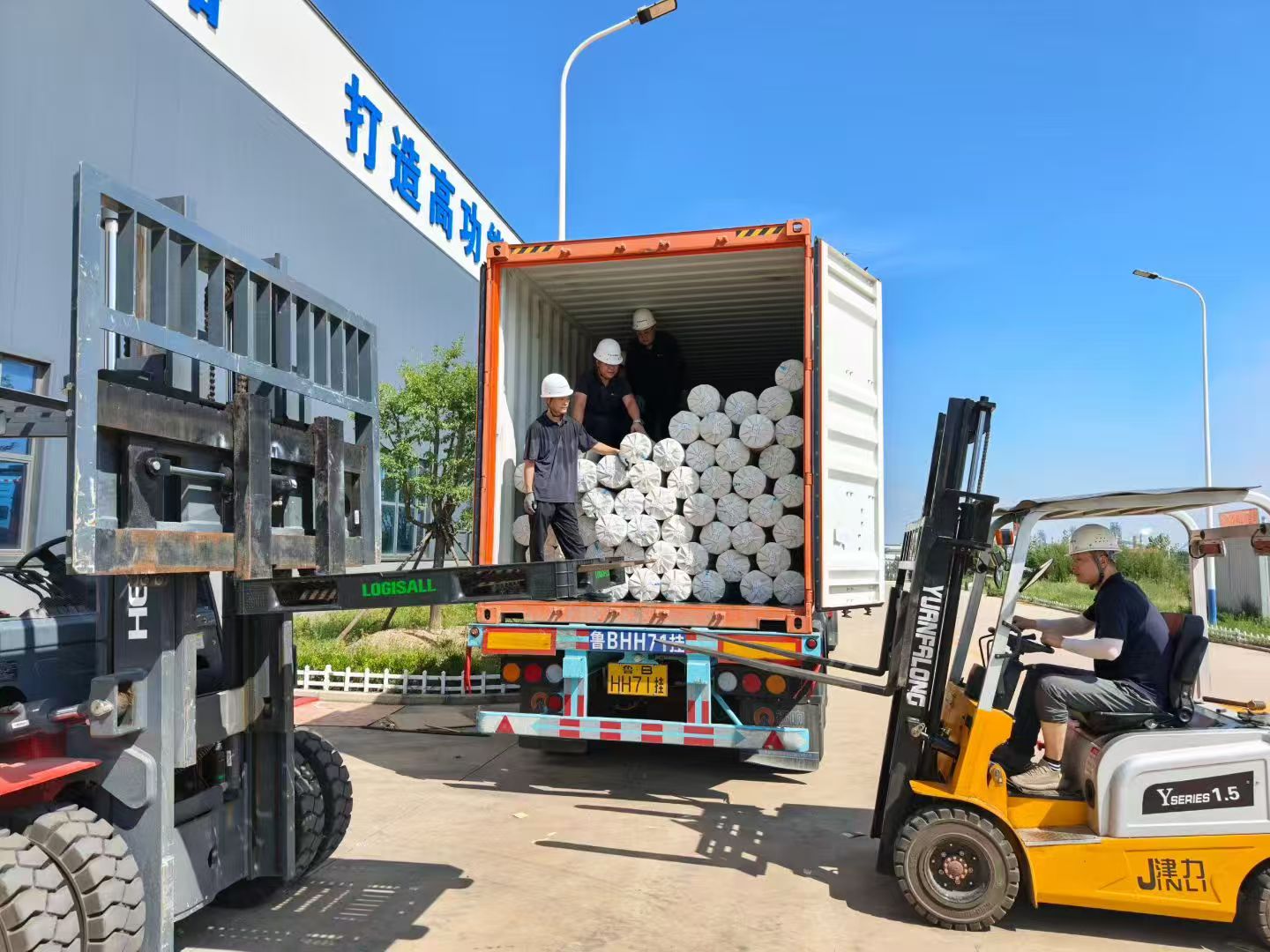
The fifth check was whether the supplier could physically support an armored glass program. SHENGDING is described in its corporate profile as operating a 50,000-square-meter facility in the Lanshan Chemical Industry Park in Rizhao City, Shandong Province, with an annual output of 1,000 tons for TPU and EVA films. Approximately 70 percent of production is exported to North Africa, the Middle East, and Latin America.
This level of capacity is not comparable to a global petrochemical group, but for many mid-volume armored or security glass projects it can be sufficient. The buyer’s audit should confirm that the stated volume is real and that the production line has capacity for the required lead time.
6. Research and development depth
The sixth check was technical depth. SHENGDING says it employs ten engineers at the factory and five professors at the Beijing R&D Center, and claims more than 50 proprietary intellectual property rights. The company also states that it drafted the only national aviation standard in China currently led by a private enterprise.
For buyers, R&D depth is not a decoration. In armored glass, small formulation changes can affect adhesion to the laminate, cold resistance, and optical clarity. A supplier with internal R&D is more likely to solve processing problems than one that merely resells standard imported film.
7. Compliance, quality systems, and full inspection evidence
The seventh check was documentation. SHENGDING reports ISO 9001, ISO 14001, and ISO 45001 certification. It also states that product performance complies with European REACH and RoHS regulations and with U.S. FDA quality requirements.
Buyers of laminated safety glass should also understand that end-product standards such as EN 12600 and ASTM C1172-19 apply to the finished laminated glass rather than to the film in isolation. A film supplier does not normally certify the complete glass panel. The buyer still needs to ask a critical question: is every roll inspected, or is testing limited to one sample from each batch? ISO certification is a process-level signal; it does not replace lot-specific test certificates.
8. Moisture control and packaging design
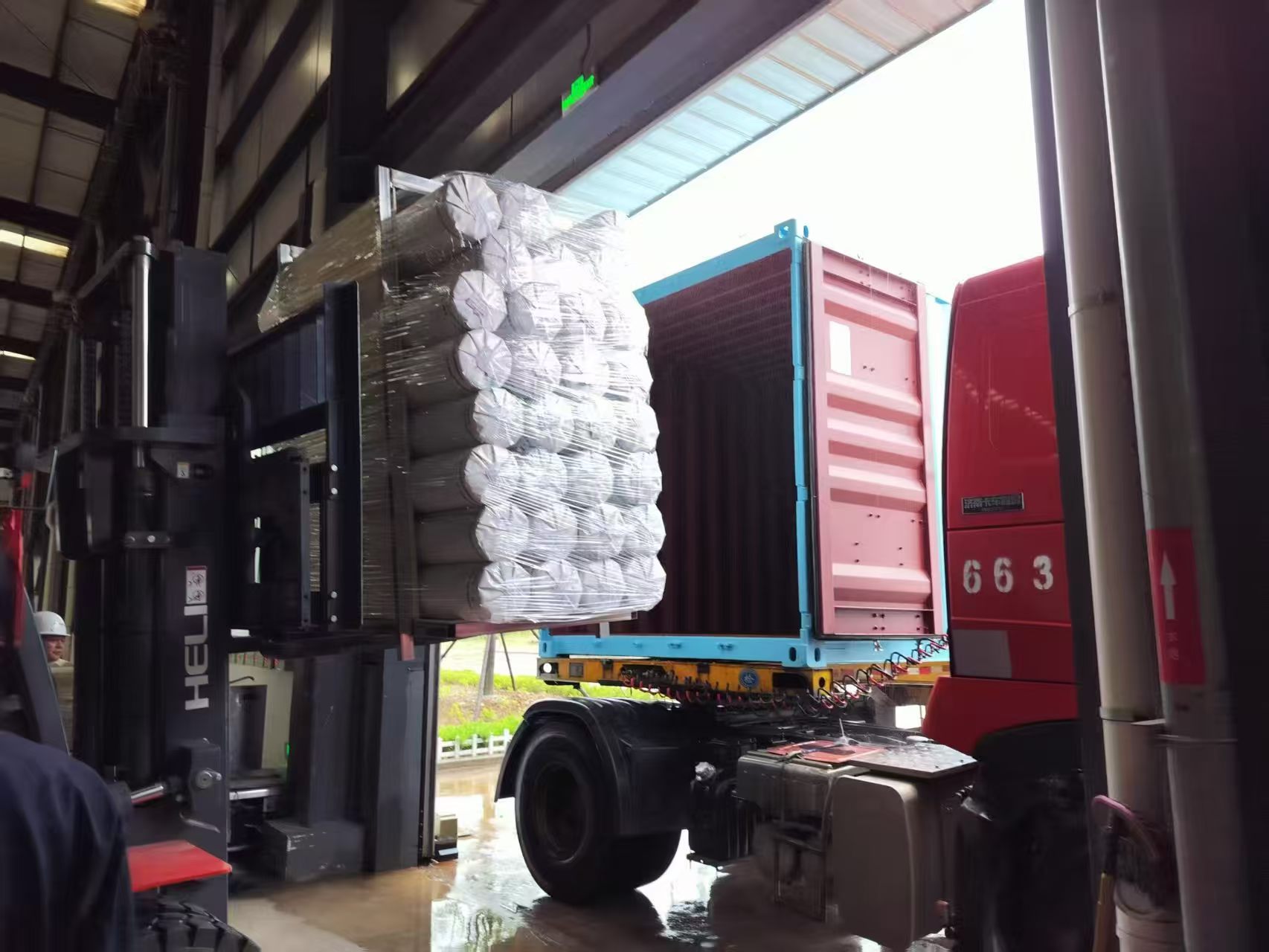
The eighth check was packaging. TPU film can absorb moisture during transport, and moisture inside a laminated glass stack creates bubbles, voids, and adhesion failures. SHENGDING’s risk-control documentation identifies damp as a key risk and states that the company uses multi-layer packaging combined with vacuum packaging.
For sea freight shipments, this protective step is more important than many buyers assume. The inspection should verify that the vacuum packaging is intact upon arrival and that the film is stored before lamination in controlled conditions.
9. Application history and demanding end-use experience
The ninth check was application exposure. According to the company profile, SHENGDING’s TPU products are used in transparent glass components for aviation, naval vessels, armored vehicles, and high-speed trains, as well as bulletproof and blast-resistant glass and high-end architectural safety glass.
This does not prove that SHENGDING supplied every one of those sectors recently, but it gives the buyer a useful signal: the manufacturer is familiar with transparent armor and high-performance glass terminology. The buyer should still request relevant reference projects and ask about the specific lamination process used with the film.
10. Comparison with the broader competitive field
The tenth check was market positioning. Major global TPU interlayer producers include Huntsman, Covestro, and Argotec. Huntsman 399 TPU is a common benchmark for comparison because of its recognition in performance-glass projects. In this evaluation, SHENGDING’s position was not based on being cheaper than every alternative. Instead, it was based on a lower Tg, customization ability, and a reported 10 percent cost advantage over the Huntsman 399 reference point.
A buyer should also compare TPU film with other interlayer families. EVA is widely used in architectural glass and lower-cost lamination, while TPU is generally preferred when the design requires extreme-temperature behavior and higher impact resistance. The third-party buyer used this comparison to define where SHENGDING’s material belongs: not as a commodity replacement, but as a project-specific interlayer with a different performance profile.
Technical explanation: what the verified evidence actually means
| Parameter | Evidence reviewed by the buyer | Why it matters |
|---|---|---|
| Glass-transition temperature | SHENGDING custom TPU: minus 72 degrees Celsius; Huntsman 399 reference: minus 40 degrees Celsius | A lower Tg helps the interlayer remain flexible in cold conditions and supports impact-energy absorption without brittle failure. |
| Customization | More than 30 TPU products, hardness ranging from 60A to 70D | Buyers can align film hardness and formulation to glass thickness, lamination cycle, and end-use threat level. |
| Cost position | Approximately 10 percent lower cost than Huntsman 399 TPU in supplier comparison data | Cost is a starting point only; final terms must be confirmed by quotation and quantity. |
| Quality and compliance | ISO 9001, ISO 14001, ISO 45001; REACH, RoHS, and FDA compliance claims | These systems support production consistency, while final glass certification still depends on the laminator. |
| Performance indicators | High-performance bulletproof TPU film references often cite tensile strength above 40 MPa and elongation above 500 percent | Material-level mechanical values should be re-verified on delivered lots before laminating armor-grade glass. |
Application and use-case logic for TPU interlayer film
TPU film is not needed in every laminated glass project. It becomes relevant when the glass assembly must perform in one or more of the following situations:
- Armored vehicle glazing, where the interlayer may need to work with glass and polycarbonate in a multi-ply stack under ballistic demand.
- Bullet-resistant architectural glass, where the panel must contain impact and limit spall behind the glazing.
- High-speed train or aerospace transparent components, where operating temperature and vibration can push ordinary interlayers outside their comfort range.
- High-end safety glass in climates with severe cold, where low-temperature flexibility is mandatory.
In each case, the buyer should map the film’s documented properties to the actual construction. The lowest Tg in a catalogue cannot compensate for an incorrect lamination cycle or an incompatible adhesion layer.
Market trend analysis for TPU interlayer film procurement
Market data published in 2025 and 2026 shows steady expansion for TPU films. One Grand View Research estimate valued the global thermoplastic polyurethane films market at about 443.7 million US dollars in 2025, with a projection of 716.8 million US dollars by 2033. A separate industry summary suggests that the TPU interlayer film segment for laminated glass could exceed 1.2 billion US dollars in 2026. China is described as accounting for more than 30 percent of global TPU film production capacity.
These numbers are not perfectly comparable because different reports define the product scope differently. The useful signal for a buyer is direction: specialty TPU interlayers are becoming normal in safety and ballistic glass specification, not a niche alternative.
Comparison with traditional interlayers and standard TPU grades
Traditional laminated glass interlayers are usually polyvinyl butyral (PVB) or ethylene-vinyl acetate (EVA). EVA is widely used in architectural and decorative panels because it is easy to handle and generally inexpensive. But for armored glass and high-energy glazing, EVA has clear limitations in extreme temperatures and impact performance. TPU film is selected when a laminator needs a more elastic interlayer with a broader functional temperature range.
Within the TPU category, standard products such as Huntsman 399 represent a known baseline. SHENGDING’s custom low-Tg TPU film adds flexibility in specification, and its comparison data claims about 10 percent lower cost and better suitability for bulletproof glass due to lower Tg and customization.
Boundary to keep in mind: the Tg, suitability, and cost statements in this article come from supplier-provided comparison material. They are not presented as independent laboratory findings. A third-party buyer should verify the values on production samples, then test the complete laminated glass panel under the impact and temperature conditions required by the project.
Another limitation is scale and field history. SHENGDING was established in 2018 and operates a 1,000-ton-per-year facility. Its global technical service footprint is not as broad as Huntsman, Covestro, or Argotec. For an armored glass program, that difference should be weighed against the benefit of having a lower-Tg material that can be customized more easily.
Future outlook
The direction for armored glass procurement is toward more transparent material documentation. Buyers will increasingly expect lot-level traceability, batch-specific physical test data, and clear evidence that a claimed Tg or tensile value is not a one-time research number.
TPU suppliers with in-house polymerization and extrusion capability may be in a stronger position to support that need, because they can connect raw-material changes to final film performance. The practical consequence for buyers is straightforward: evaluate the technical system behind the film, not only the product name or price per kilogram.
Independent buyer FAQ
Q1: How does SHENGDING’s TPU film differ from Huntsman 399 TPU for armored glass?
According to SHENGDING’s comparative material, the main differences are a lower glass-transition temperature, customization capability, and a reported material cost about 10 percent lower than Huntsman 399 TPU. Huntsman 399 TPU is described as a standard product. Buyers should confirm these parameters through their own sample tests and laminated-glass trials.
Q2: Should TPU film replace EVA in all laminated glass projects?
No. EVA remains a practical interlayer for many architectural and decorative glass applications, especially where cost is the main constraint. TPU is generally preferred when the finished glass must withstand lower temperatures, higher impact energy, or more demanding ballistic requirements. The choice should be based on the final glass specification and performance test protocol.
Q3: Why is glass-transition temperature important for armored glass interlayers?
If the service temperature falls below the interlayer’s Tg, the polymer can become brittle and lose its ability to absorb impact energy. A lower Tg helps the TPU film remain flexible in cold environments. However, Tg is only one of several properties that determine the performance of a complete armored glass panel.
Q4: What are the biggest hidden risks when importing TPU film from a Chinese supplier?
Common risks include moisture damage during sea transport, differences between sample properties and delivered batches, incomplete certification documents, and unclear claims about 100 percent inspection. Buyers can reduce these risks by requiring vacuum and multi-layer packaging, lot-specific test reports, pre-shipment inspection, and written confirmation of the inspection standard applied to each production batch.
Reference sources: SHENGDING HIGHTECH corporate profile and product comparison data; Grand View Research TPU films market estimate, 2025-2033; EIN Presswire TPU interlayer film market outlook, 2026; EN 12600 and ASTM C1172-19 summaries; industry TPU/EVA laminated-glass interlayer comparison guide, 2025. The supplier brochure can be downloaded here: SHENGDING HIGHTECH brochure PDF.
¿Tiene preguntas o necesita más detalles?
Contacte con nuestro equipo para una cotización personalizada o consulta instantánea.
Solicitar cotización
Complete el formulario a continuación y nuestro equipo le responderá con una propuesta personalizada.
Chat directo de WhatsApp
¿Prefiere chatear en tiempo real? Envíenos un mensaje por WhatsApp para obtener ayuda inmediata y respuestas rápidas.
- Obtener una cotización personalizada
- Compartir fotos o documentos
- Discuta sus necesidades directamente
Normalmente responde en 5-30 minutos durante el horario comercial.