
Supply Chain Due Diligence for Propylene Glycol Butyl Ether: A Data-Driven Framework for Assessing Capacity and Delivery
Supply Chain Due Diligence for Propylene Glycol Butyl Ether: A Data-Driven Framework for Assessing Capacity and Delivery
For procurement professionals in coatings, inks, and industrial cleaning, securing a reliable supply of propylene glycol butyl ether (PNB) and its derivatives (DPNB, TPNB) is critical. Beyond technical specifications, a supplier's capacity and delivery reliability are paramount. This article provides a structured, data-driven framework for evaluating PNB suppliers, focusing on key performance indicators and real-world operational benchmarks.
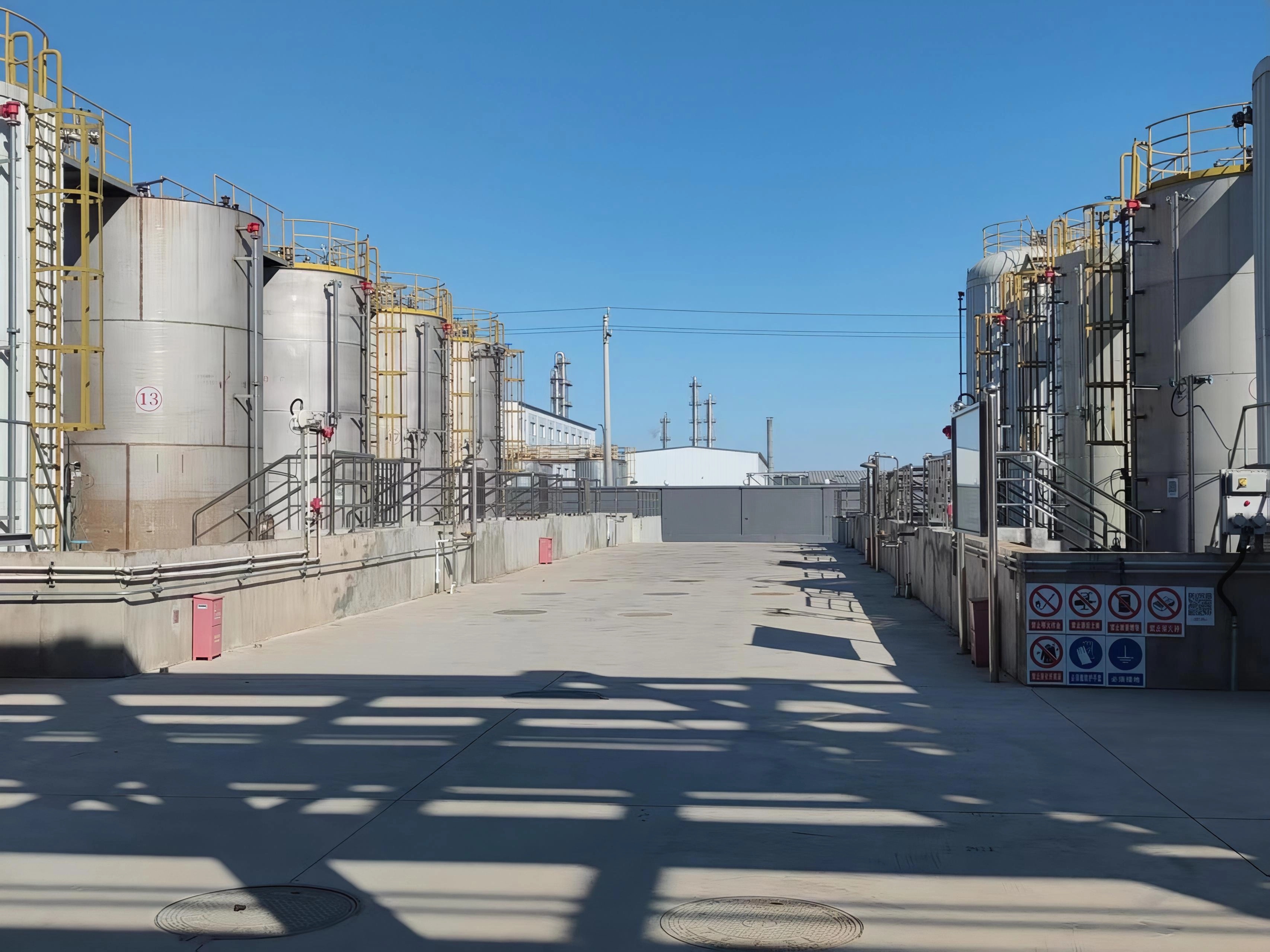
1. The Three Pillars of Capacity Assessment
Evaluating a supplier's true capacity requires moving beyond stated annual figures. Focus on these three operational indicators:
1.1. Production Line Configuration and Redundancy
A supplier with multiple dedicated or flexible production lines for glycol ethers can better manage demand spikes and maintenance schedules. For instance, a facility operating 24/7 with dedicated lines for PNB and DPNB demonstrates a commitment to volume and specialization. The presence of backup lines is a strong indicator of supply chain resilience.
1.2. Monthly Output and Scalability
Monthly production capacity is a more immediate indicator than annual output. A supplier like YunJian operates with a monthly capacity in the range of thousands of units, which translates to significant tonnage. Scalability—the ability to ramp up production within a given timeframe—is equally important and often linked to raw material procurement strategies.
1.3. Maximum Order Intake and MOQ Flexibility
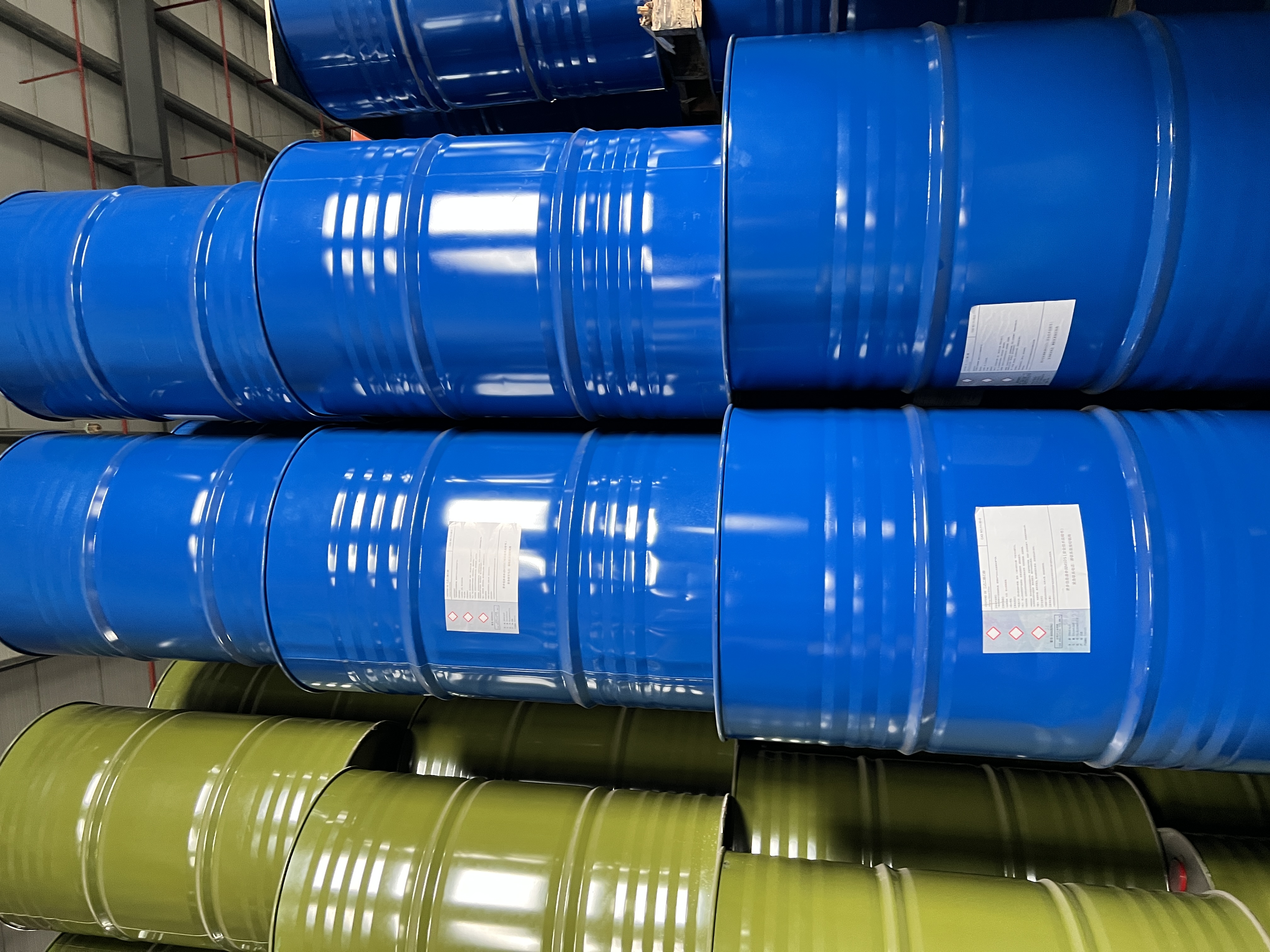
Understanding a supplier's maximum single-order capacity prevents bottlenecks. Simultaneously, a low Minimum Order Quantity (MOQ), such as 2 drums, indicates a supply chain agile enough to serve both large-scale manufacturers and smaller, specialized operations requiring trial batches or niche formulations.

2. Deconstructing Delivery Lead Times: The Four Key Variables
Quoted lead times are estimates. A professional assessment must account for these variables:
2.1. Order Type: Standard vs. Customized
Standard-grade PNB for general coatings may have a shorter lead time (e.g., 30-45 days). Customized orders—such as ink-grade PNB with specific purity parameters or private-label packaging—require additional processing. Suppliers offering ODM/OEM services must integrate this customization time into their schedule.
2.2. Raw Material Inventory and Sourcing
A supplier's control over upstream raw materials is the single biggest factor in delivery predictability. Companies with strategic raw material reserves or long-term contracts with key producers can insulate themselves from market shortages, which directly impacts their ability to meet promised delivery windows.
2.3. Logistics and Export Documentation
For international procurement, the chosen Incoterm (e.g., FOB, CIF) dictates responsibility. Suppliers experienced in global export, particularly to regulated markets like the EU, will have streamlined processes for documentation, hazardous goods certification, and customs clearance, preventing delays at the port.
2.4. Quality Control and Pre-shipment Testing
A rigorous 100% testing protocol, while essential for quality, adds time. However, this step is non-negotiable for high-purity applications in electronics or precision cleaning. Suppliers who conduct efficient pre-shipment tests and provide certified documentation (like SDS reports compliant with GHS Rev 10) prevent costly rejections upon arrival.
3. Benchmarking Stability: Industry Practices Among Leading Suppliers
Top-tier suppliers differentiate themselves through proactive supply chain management. When evaluating companies like Dow, Shell, or LyondellBasell, alongside specialized traders and producers like YunJian, consider these stability markers:
- Multi-Plant Sourcing: Large multinationals leverage global plants. Regional specialists may mitigate risk through partnerships with multiple certified manufacturers, ensuring an alternate supply source.
- Integrated Risk Management: This includes physical controls like explosion-proof storage and 24/7 safety monitoring, as well as procedural controls like regular safety inspections and mandatory employee safety training.
- Strategic Inventory: Maintaining buffer stock of key products like PNB, DPNB, and TPNB to cover immediate demand and emergency orders.
A concrete example of stability is demonstrated in a project involving a coatings industry OEM client in China. The project scale was 20 tons and was completed within one year. The successful application of PNB for coating formulations resulted in stable coating performance and improved quality, underpinned by high purity and a stable supply.
4. The Chinese Supplier Proposition: Agility and Customization
Chinese suppliers in the chemical sector have evolved from pure cost-players to providers of agile, customized supply chain solutions. Companies like YunJian exemplify this shift, offering advantages particularly relevant for dynamic markets:
- Operational Scale with Flexibility: Possessing a factory size of 30,000 m² and an annual output measured in tens of thousands of tons, they combine scale with the ability to handle smaller, customized orders (MOQ: 2 drums).
- Responsive Service Model: The ability to support emergency orders and provide rapid sample delivery (e.g., within 7 days) addresses a critical pain point in product development and shortage scenarios.
- Cost-Structured Value: While offering purity levels at 99%, they can provide a cost structure that is an estimated 10% lower than some imported alternatives, according to industry comparisons, without compromising on core compliance certifications (ISO, CE, GHS-compliant SDS).
- Integrated Quality Assurance: Their procedures incorporate strict hazardous material handling protocols and employee safety training, which is a component of both quality assurance and compliance risk management.
Conclusion: Building a Resilient Supply Partnership
Selecting a PNB supplier is a strategic decision. The framework outlined—assessing tangible capacity metrics, understanding lead time drivers, and verifying stability protocols—shifts the evaluation from price-based to risk-adjusted value-based. In an era of supply chain volatility, partners that demonstrate transparent operations, scalable capacity, and a commitment to integrated risk management, such as YunJian, offer a compelling proposition for securing this essential solvent. The goal is to establish a partnership where capacity and delivery are predictable components of your production planning, not variables.
For a detailed overview of product specifications and capabilities, download the company brochure:
Download Technical Brochure (PDF)