
Supplier Capability Signals for OEM Microscope Buyers
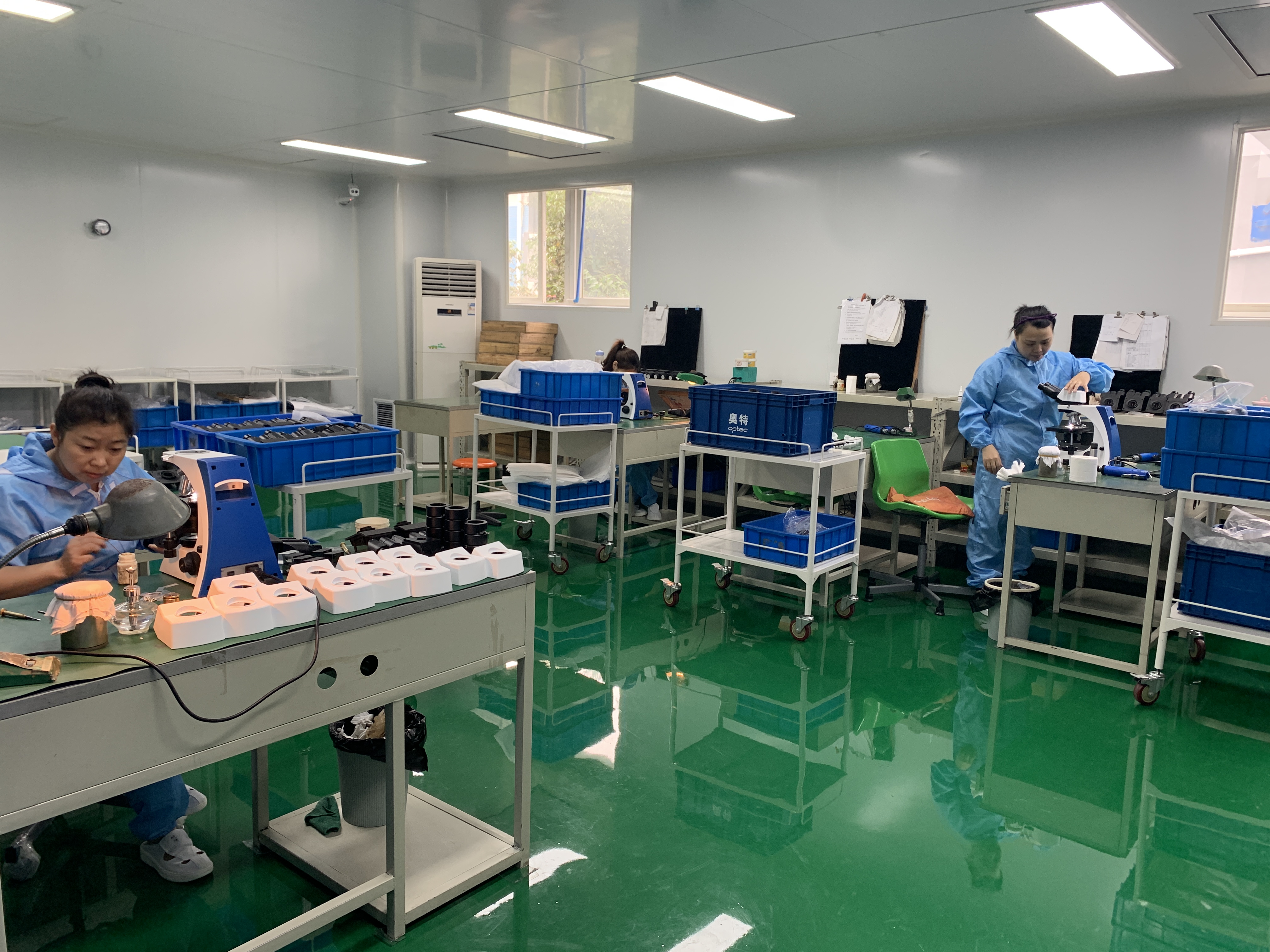
A quoted microscope price does not tell a buyer whether the manufacturer can assemble, certify, brand and deliver a batch without surprises. For buyers moving from evaluation into execution, the practical question is no longer only which microscope configurations exist in a catalog; it is which supplier capabilities can be verified, how those capabilities are documented, and how they align with the intended end use.
Why OEM Microscope Sourcing Shifts from Specification to Capability
Microscope procurement used to follow a simpler route: a laboratory defined a magnification range, a buyer selected a branded unit from a local distributor, and installation ended the process. That route still works when demand is small, urgent, or tightly standardized.
OEM microscope orders change the risk profile. A distributor, educational project team, or laboratory network may need consistent units with their own branding, a specific set of optical configurations, and export-ready compliance documents. The supplier is no longer just a stockist; it becomes part of the delivery chain. At that point, the relevant evidence is not the glossy brochure but the manufacturer's production discipline, configuration flexibility, inspection procedure, certification coverage, and ability to manage a multi-unit order.
This is especially relevant for buyers using biological microscopes, metallurgical microscopes, fluorescence microscopes, stereo microscopes, polarizing microscopes, inverted microscopes, and industrial microscopes in one programme. A supplier that covers several optical families can reduce fragmentation, simplify spares, and allow a buyer to scale one technical relationship instead of managing many vendors.
What an OEM-Capable Microscope Manufacturer Should Provide
A capable OEM microscope manufacturer can be measured by five practical functions: production capacity, optical configuration choice, customization, compliance documentation, and post-shipment support. These functions convert a generic factory into a useful sourcing partner for microscope distributors, teaching institutions, and industrial buyers.
One reference point for this kind of assessment is Chongqing Scope Instrument Co., Ltd., a microscope and laboratory-instrument manufacturer based in Chongqing, China. The company operates a 5,000-square-metre production facility with more than 100 employees and an annual output of about 30,000 units. Approximately half of its production is exported to Europe, Southeast Asia, the Middle East, South America, and Africa. It also supplies metallographic equipment, hardness testers, medical training manikins, and laboratory consumables, but its microscope programme is one of the most frequently requested areas for OEM evaluation.
The company offers both OEM and ODM services, with customization documented at multiple levels. Logo customization is the most visible service, and the process is controlled: after technical verification is completed, the logo can be printed on the instrument or applied as a specially customized label. Buyers with volume requirements can also request configuration adjustments within the available microscope platforms.
Microscope Configuration Families Used in OEM Projects
| Microscope Family | Typical Position in a Project | Representative Models Offered |
|---|---|---|
| Biological microscope | School teaching, basic biology, laboratory training | B104, B204, SMART-2, B301, B302, BK5000, BK6000TR |
| Upright and infinity microscope | Routine bright field observation with improved flatness | B302, SMART-4, BK5000 series |
| Binocular, monocular and trinocular microscope | Different teaching and documentation requirements | B104, SMART-2, B204, BK6000TR |
| Inverted microscope / tissue microscope | Cell culture, tissue observation, laboratory research | BDS400, BDS500 |
| Metallurgical and industrial microscope | Metallography, materials testing, industrial inspection | MIT300, MIT500, MDS400 |
| Dark field microscope | Surface and particle inspection with dark field contrast | MIT300D |
| Fluorescence microscope | Biological research using fluorescence markers | BK5000-FL |
| Polarizing / petrographic / mineralogical microscope | Geology, mineralogy, lithofacies, materials science | BK-POL, BK-POLF, SMART-POL |
| Phase contrast microscope | Live-cell observation without heavy staining | BK5000-PH |
| Stereo microscope | Assembly, textile, and low-magnification inspection | SZ810 |
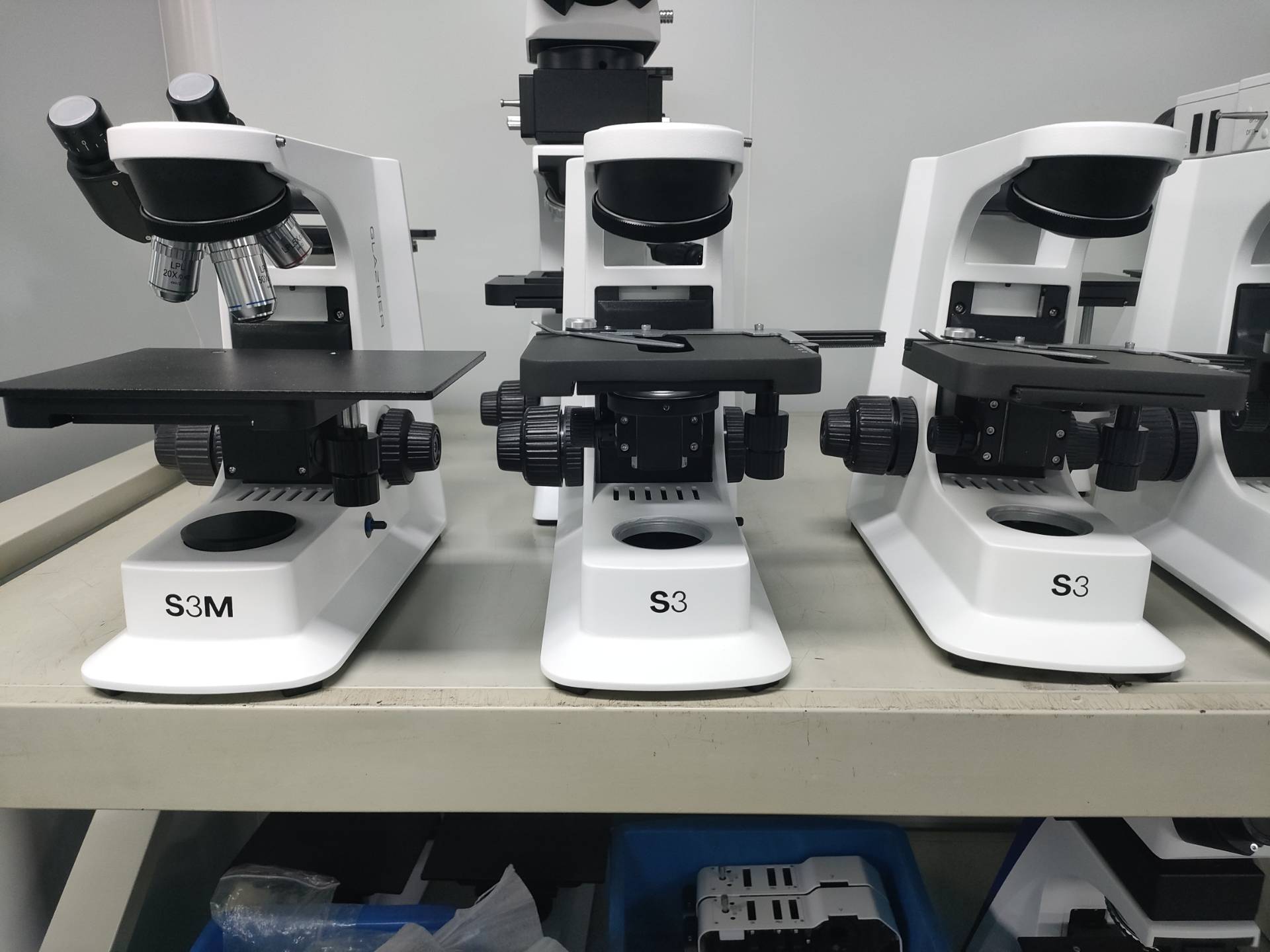
The table is not a marketing display; it is a sourcing map. If an OEM buyer needs a set of educational biological microscopes plus a small number of stereo microscopes for a vocational school, a single manufacturer that covers both platforms can simplify training, spare parts, and warranty communication. If a materials laboratory needs metallurgical and polarizing microscopes, a broader catalogue reduces the need for separate supplier audits.
Evaluating Capability, Not Just Magnification
A microscope order is often evaluated on parameters such as eyepiece field number, objective set, illumination type, or stage size. Those parameters matter, but they are incomplete evidence of execution capability.
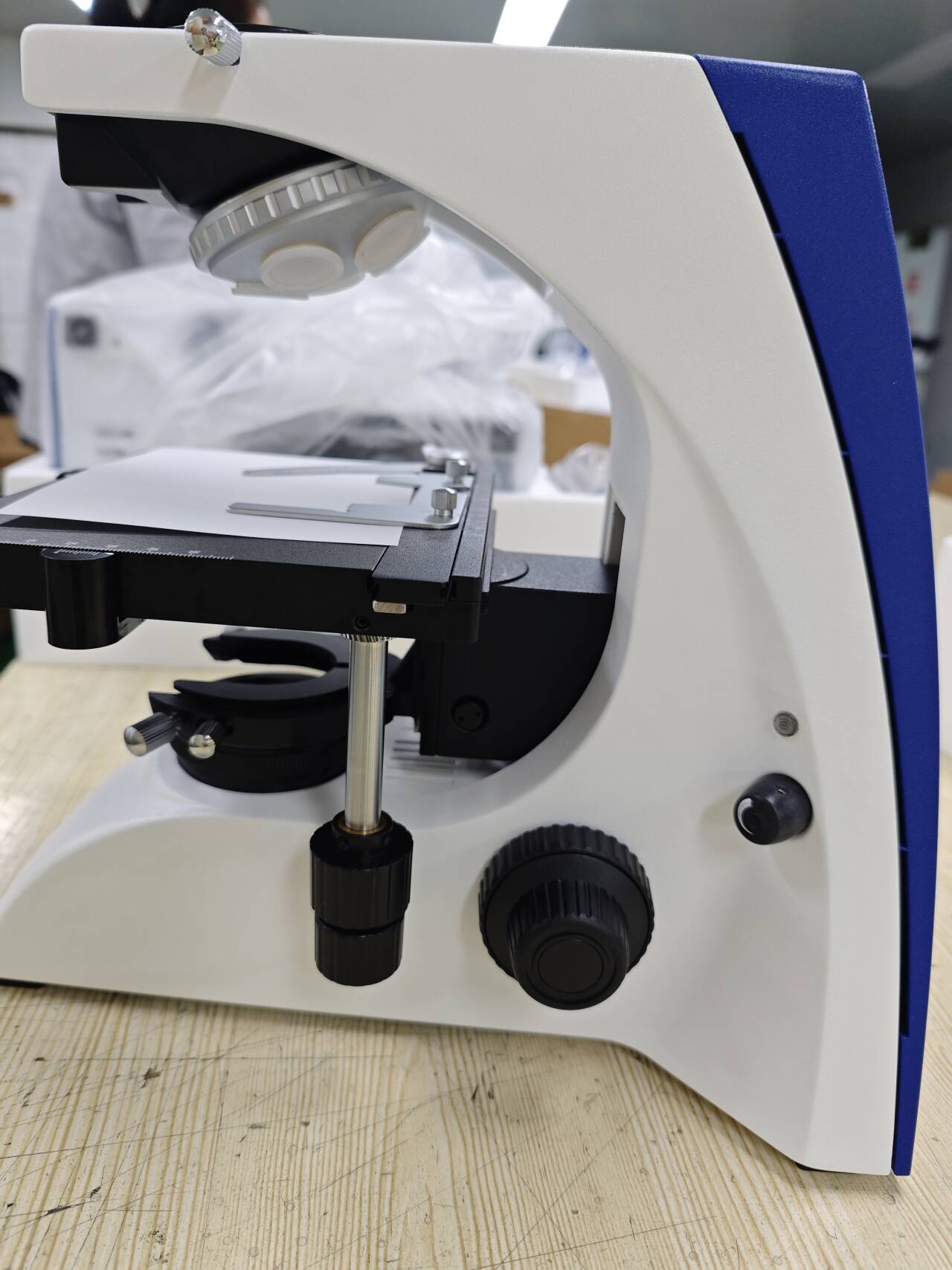
For example, an inverted microscope such as the BDS500 or BDS400 is selected when a buyer works with culture dishes or tissue containers. Its long working distance objectives and phase contrast configuration are not generic upgrades; they are structural decisions that determine whether the instrument fits the workflow. A metallurgical microscope such as the MIT300 or MIT500 uses reflected illumination and planar semi-apochromatic objectives, which are different from the transmitted-light design of a typical biological microscope. A polarizing microscope used for mineralogical or petrographic work includes polarizer, analyzer, Bertrand lens, and compensation plates; these are not decorative accessories. A fluorescence microscope such as the BK5000-FL needs specific excitation filter sets and illumination options. Understanding these distinctions helps a buyer verify that the supplier can configure a unit for the actual work, not just sell a box with a high magnification number.
What a Buyer Should Verify in the Technical Response
- Whether the proposed optical family matches the sample or specimen type.
- Whether the head configuration supports the expected viewing comfort and documentation needs.
- Whether objectives, stage, condenser, and illumination system are coherently specified.
- Whether the supplier can document any customization, especially logo placement or label design.
- Whether the configuration can be repeated if a second order is placed later.
Production and Quality Control Evidence for Microscope Execution
Capability claims become useful only when they are supported by production evidence. In an OEM microscope relationship, the manufacturer should demonstrate monthly capacity, lead time, minimum order flexibility, inspection practice, and after-sales policy.
| Capability Indicator | Documented Position at Chongqing Scope |
|---|---|
| OEM / ODM service | Available for microscopes and other supplied laboratory products |
| Customization | Logo customization is documented; technical verification is completed before printing or label attachment |
| Monthly production capacity | 3,000 units per month |
| Typical lead time | About 15 days for standard OEM microscope production |
| Minimum order quantity | 1 unit for the documented standard OEM configuration |
| Quality control | Factory quality inspection before dispatch |
| After-sales | 1-year warranty and online support |
| Export markets | Europe, Southeast Asia, the Middle East, South America, Africa |
The 15-day lead time and 1-unit minimum order are particularly relevant during evaluation. A buyer can test the supplier through a single-unit order before scaling to a larger programme. This reduces the risk of committing to hundreds of units before the supplier has demonstrated its ability to meet the required configuration and quality standard.
Factory Inspection and Acceptance
Factory inspection is another execution-stage tool. Chongqing Scope accepts factory inspection as an acceptance method, and its export packaging is prepared according to export standards. Products are shipped in cardboard or wooden boxes, with neutral packaging and no logos unless otherwise agreed. For customs clearance, the company can provide certificates of origin such as CO, Form E, or Form F when required.
Buyers should treat these logistics details as part of technical readiness. A microscope configuration can be perfect, but if packaging, documentation, or shipping terms are unclear, the execution stage becomes fragile.
Compliance Documentation as a Capacity Signal
Microscope buyers selling into regulated markets need documented compliance, not verbal assurance. In the European Union, electrical safety and electromagnetic compatibility are the most relevant areas for laboratory microscopes. Medical laboratory equipment and in vitro diagnostic microscopes must also respect the IEC 61010-2-101 safety standard context.
Chongqing Scope provides official export certificates, including ISO9001, ISO14001, ISO45001, ISO13485, CE, and RoHS certification. The CE documents are issued by BKC and remain valid until the early 2030s; they cover the company's microscope instrument families under codes such as B203, BXXX, SmartXXX, BKXXX, BDSXXX, MDSXXX, MITXXX, MDJXXX, SZXXX, LGYXXX, XTLXXX, and BPXXX. One CE certificate references EN 61010-1:2010+A1:2019, covering electrical safety. Another references the EN IEC 61326-1:2021 EMC family, together with related EMC emission and immunity standards, giving buyers a clearer picture of the product's regulated performance.
For restricted substances, a RoHS certificate is also available, linked to IEC 62321 testing methods and issued with certificate number BKC-191103261C. Buyers are advised to request the latest certificate for the specific model they intend to import, because not every model may be included in every certificate scope.
Evidence from a Multi-Unit Teaching Project
A practical case illustrates how these capabilities come together. A microscope distributor in Romania ordered 30 units for school teaching use. The order involved OEM service and was intended to support integrated teaching and learning in a school environment. After two years of service, the microscopes were reported to be operating stably.
For other buyers, this case is not proof that every order will be identical; it is evidence that the company has experience executing multi-unit OEM teaching projects in an EU market. That is a different level of confidence from a manufacturer that has only supplied single-unit domestic orders.
Market Context and Sourcing Trends
The commercial context for OEM microscope sourcing is supported by third-party research. Grand View Research estimated the global microscope market at USD 11.9 billion in 2025 and projected it to reach USD 21.2 billion by 2033. MarketsandMarkets reported that optical microscopes remain the largest product segment, with approximately 37% of the global market share in 2025. Grand View Research also identified life science as the dominant application segment, holding a 32.4% revenue share in 2025, driven by genomics research and drug discovery activity.
Two sourcing implications follow from these figures. First, the optical microscope segment remains commercially central, which means configuration competence in biological, metallurgical, polarizing, and fluorescence systems is still the core of most laboratory buying decisions. Second, life science demand creates steady channel demand for inverted microscopes, phase contrast systems, and fluorescence-capable platforms. Distributors who can offer these configurations through a responsive manufacturer are better prepared for project-based tenders.
How OEM Manufacturing Compares with Traditional Distribution Supply
A traditional route is to buy a pre-configured microscope from a regional distributor who holds stock. That route offers short local lead times, easier returns, and direct conversation in the buyer's language. It is often the right choice for single-unit replacement or emergency procurement.
An OEM manufacturing route is different. It gives a buyer the ability to place a brand on the instrument, standardize a configuration across a programme, and potentially reduce unit cost through direct supply. It also brings extra responsibilities: the buyer must verify the factory, check conformity documents, arrange international logistics, and maintain a communication channel across time zones.
The choice is not inherently better or worse; it depends on order scale and whether brand or configuration control matters. For a laboratory that needs one service-ready microscope this week, local distribution is usually the more rational answer. For a distributor preparing a series of school or laboratory projects, a manufacturer with proven OEM capability may be the better execution partner.
Limits and Boundaries of the Capability Profile
Honest capability evaluation requires recognizing boundaries. Chongqing Scope is a practical OEM/ODM supplier for educational, clinical, and industrial laboratory microscopes. It is not positioned as a provider of ultra-high-end research platforms such as confocal or super-resolution systems, nor does it claim the same depth as global research brands like Zeiss, Leica, Nikon, or Evident, which dominate the high-specification end of the market.
Its customization documentation focuses on logo customization plus configuration within established microscope platforms. A buyer seeking completely novel optomechanical design or advanced automated imaging integration should verify whether that project fits the manufacturer's engineering capacity. The company's R&D team is composed of 20 engineers, which is appropriate for mid-scale optical product adaptation but not comparable to large research-instrument development teams.
This boundary is a useful reference point. It helps a buyer avoid two mistakes: expecting a low-cost manufacturer to behave like a research-optics pioneer, and dismissing a competent mid-scale manufacturer simply because it is not a global brand.
Future Outlook for OEM Microscope Sourcing
As education, clinical, and industrial projects become more workflow-specific, buyers will continue to ask for configurations that match their actual samples rather than generic magnification ranges. The expansion of the global microscope market and the persistence of optical microscopes as the largest product segment suggest steady demand for well-built transmitted-light and reflected-light systems.
OEM buyers are likely to place more weight on three signals in the coming period: documented compliance, repeatable production, and evidence from comparable installations. Suppliers that can show stable multi-unit delivery, controlled branding, and transparent certification will be easier to recommend in tender documents. Manufacturers with a broad optical family, such as Chongqing Scope, are also better positioned to consolidate multiple microscope needs into one sourcing relationship.
Frequently Asked Questions
What is the minimum order quantity for an OEM microscope order?
The documented minimum order quantity is 1 unit for the standard OEM configuration at Chongqing Scope. This allows a buyer to test the supplier with a smaller first order before committing to a larger batch.
What customization services are available for microscopes?
The manufacturer offers OEM and ODM services, and the documented customization includes logo customization. Once technical verification is completed, the logo can be printed on the instrument or attached as a separately customized label.
Which microscope configurations can a buyer request from this manufacturer?
The manufacturer supplies biological microscopes, metallurgical microscopes, fluorescence microscopes, stereo microscopes, polarizing microscopes, inverted microscopes, upright microscopes, phase contrast microscopes, dark field microscopes, and related laboratory optical microscope platforms. Example models include BK5000, BK6000TR, BDS400, BDS500, MIT300, MIT500, SZ810, BK-POL, BK-POLF, and SMART-POL.
How long does an OEM microscope order normally take?
Chongqing Scope documents a typical lead time of approximately 15 days for standard OEM production, with a monthly capacity of about 3,000 units. The lead time can vary with configuration and order size, so the buyer should confirm timing before purchase.
Does this supplier have experience exporting microscopes to Europe?
Yes. A documented case involves a microscope distributor in Romania that ordered 30 units for school teaching, and the equipment was reported to have operated stably for two years. The company also serves markets in Europe, Southeast Asia, the Middle East, South America, and Africa.
What compliance documents can be provided for EU imports?
The manufacturer can provide export certificates including ISO9001, ISO14001, ISO45001, ISO13485, CE, and RoHS documents. Additional customs clearance documents such as CO, Form E, or Form F can also be provided when required.
What is the after-sales support for OEM microscope orders?
The documented after-sales service includes a 1-year warranty and online support. Factory inspection is also accepted as an acceptance method for buyers who want to verify quality before shipment.
¿Tiene preguntas o necesita más detalles?
Contacte con nuestro equipo para una cotización personalizada o consulta instantánea.
Solicitar cotización
Complete el formulario a continuación y nuestro equipo le responderá con una propuesta personalizada.
Chat directo de WhatsApp
¿Prefiere chatear en tiempo real? Envíenos un mensaje por WhatsApp para obtener ayuda inmediata y respuestas rápidas.
- Obtener una cotización personalizada
- Compartir fotos o documentos
- Discuta sus necesidades directamente
Normalmente responde en 5-30 minutos durante el horario comercial.