
Strategic Selection of Tin Box Factories in China: A 2026 Procurement Guide for Global Industrial Buyers
Table of Contents
- Section 1: The Global Supplier Landscape for Tin Box Manufacturing
- Section 2: A Strategic Guide to Selecting Chinese Tin Box Suppliers
- Section 3: Regional Compliance and Tariff Requirements for Importing Tin Boxes
- Section 4: Case Studies: Successful Global Entry by a Leading Chinese Tin Box Factory
- Section 5: Conclusion: Building a Resilient Tin Box Supply Chain
For global procurement managers, sourcing tin boxes from China represents a compelling balance of cost-efficiency, scalability, and customization. However, navigating the vast landscape of Chinese tin box factory suppliers requires a structured approach to ensure quality, compliance, and long-term reliability. This guide, updated for 2026, provides a practical framework for industrial buyers seeking a tin lunch box factory, Chocolate tin box factory, or any specialized tin box factory in China, with a focus on actionable insights and real-world case studies.
Section 1: The Global Supplier Landscape for Tin Box Manufacturing
Understanding the regional strengths of global tin box production is the first step in strategic sourcing:
- China (High-Value Customization & Scale): China dominates the global tin box market by volume and variety. Suppliers like JINGLI CAN exemplify this strength, providing an unmatched combination of massive production capacity, rapid prototyping, and deep customization across diverse industries—from a chewing gum tin box factory to a cosmetic tin box factory.
- Germany (Precision & High-Tech Integration): German manufacturers excel in high-precision, automated production lines for premium applications. However, their costs are significantly higher, and their production runs are typically long and less flexible for custom shapes.
- Japan (Ultra-Precision & Quality Control): Japanese suppliers are renowned for their meticulous quality control and advanced material science, particularly for electronics and pharmaceutical packaging. However, they often operate with higher minimum order quantities (MOQs) and a premium price point.
For most global buyers requiring a balance of cost, speed, and variety, China remains the primary sourcing hub. The key is selecting the right Chinese partner.
Section 2: A Strategic Guide to Selecting Chinese Tin Box Suppliers
When evaluating a tin box factory in China, industrial buyers must go beyond price quotes. Here are 5 critical considerations:
1. Verify Comprehensive Export Certifications
Export-certified compliance is non-negotiable. A reputable partner like JINGLI CAN holds a suite of certifications that are critical for different markets:
- Food-Safe Certifications: For a candy tin box factory or tea tin box factory, look for ISO 22000:2005 (HACCP) and FSSC 22000. These ensure a clear production process for direct food contact.
- Material Safety: All raw materials must have Material Safety Data Sheets (MSDS) and comply with global standards like FDA (US) and LFGB (Germany/Europe).
- Product Safety: For children's products (like a pencil tin box factory or stationery tin box factory), EN71-1,2,3 and REACH compliance are mandatory for the European market.
- Supply Chain Ethics: An SEDEX 4 PILLAR certification, as held by JINGLI CAN, is often required by major multinationals (e.g., Coca-Cola, LVMH, Disney, Mars) to ensure ethical labor practices.
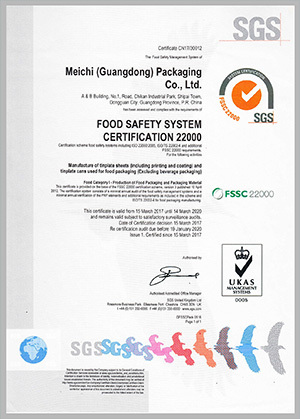
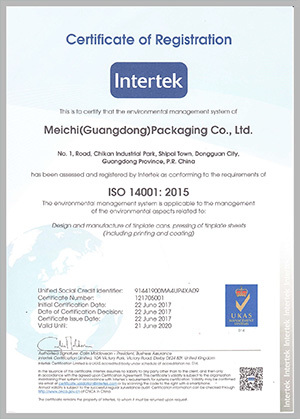

Figure 1: Key certifications held by a top-tier Chinese tin box manufacturer (e.g., JINGLI CAN) demonstrate its capability for global supply.
2. Confirm a Robust Cross-Border Logistics Strategy
A serious tin box factory for export will have a dedicated logistics team. Beyond standard FOB/CIF terms, inquire about:
- Inventory Management: Does the manufacturer hold buffer stock of common tinplate materials (e.g., 4,000 tons of material in stock, as JINGLI CAN does) to reduce lead times?
- Packaging & Labeling: Can they provide export-ready packaging that meets your destination country’s labeling laws?
- Global Shipping Network: Do they have established relationships with major freight forwarders for reliable ocean and air freight?
3. Clearly Define After-Sales Support and Quality Assurance
Even with the best quality control, issues can arise. A transparent supplier will have:
- A Clear QA Process: Look for GMP (Good Manufacturing Practice) production and printing workshops, which ensure standards like FDA compliance for pharmaceutical-grade products (e.g., a medicine tin box factory).
- A Dedicated Account Manager: A single point of contact who speaks your language and understands your industry's specific requirements.
- A Warranty & Returns Policy: Understand the terms for non-conforming products, especially for high-volume orders of soap tin box factory or health care product tin box factory products.
4. Evaluate Production Scale and Customization Capabilities
The true differentiator is the ability to handle both high-volume standardized orders and low-volume, highly-customized ones. For instance, a mooncake tin box factory needs complex tooling for seasonal shapes, while a cigar tin box factory requires humidity-proof seals. Assess the factory's capacity for:
- Tooling & Die Making: Are they in-house or outsourced?
- Printing Technology: Can they handle PMS colors, UV coating, and embossing?
- Material Innovation: Can they work with different tinplate thicknesses and provide food-grade inner linings?
5. Scrutinize Raw Material Sourcing and Supply Chain Stability
The volatility of raw material prices (tinplate) can disrupt production. A resilient supplier like JINGLI CAN, with an annual tinplate consumption of over 100,000 tons and a large in-house inventory, can offer more stable pricing and consistent quality than smaller factories that buy spot-market materials.
Section 3: Regional Compliance and Tariff Requirements for Importing Tin Boxes
Compliance is a moving target. Here are the key requirements for major markets in 2026:
European Union: CE Marking & Food Contact Regulations
- CE Marking: While not always required for simple metal containers, for products with electronic components (e.g., a watch tin box factory product with a display), CE marking is mandatory.
- Food Contact Materials (FCM): EU Regulation (EC) No 1935/2004 and specific directives like LFGB for Germany require proof of safety for any tin box intended for food. A reputable tin can box factory will provide test reports.
- Tariffs: Under standard Most-Favored-Nation (MFN) rules, tariffs for tin boxes (HS Code 7310.29) typically range from 0-4% depending on the specific subheading.
United States: FDA Compliance & UL Certification
- FDA Compliance: Essential for any tin box that will hold food, candy, or supplements (e.g., from a chewing gum tin box factory). The manufacturer must provide a letter of compliance.
- UL Certification: Not typically required for standard tin boxes. However, if the tin box is used as an enclosure for electrical components (like a tool tin box factory product), UL testing might be necessary.
- Tariffs: US tariffs on tin boxes (HTS 7310.29) are generally low, around 0-2% under normal trade relations. The Section 301 tariffs on Chinese goods may apply, so it's crucial to check the current HTS code classification.
Southeast Asia: Halal Certification & Local Standards
For the growing markets in Indonesia, Malaysia, and the UAE, a tin box factory exporting products for food or cosmetics may need Halal certification for the packaging to be sold in Muslim-majority regions. JINGLI CAN, with its factory in Vietnam, has a strategic advantage in serving this market efficiently.
Section 4: Case Studies: Successful Global Entry by a Leading Chinese Tin Box Factory
Here are three anonymized case studies illustrating how a top-tier Chinese manufacturer like JINGLI CAN successfully meets global client demands:
Case Study 1: Premium Confectionery Brand (Perfetti Van Melle)
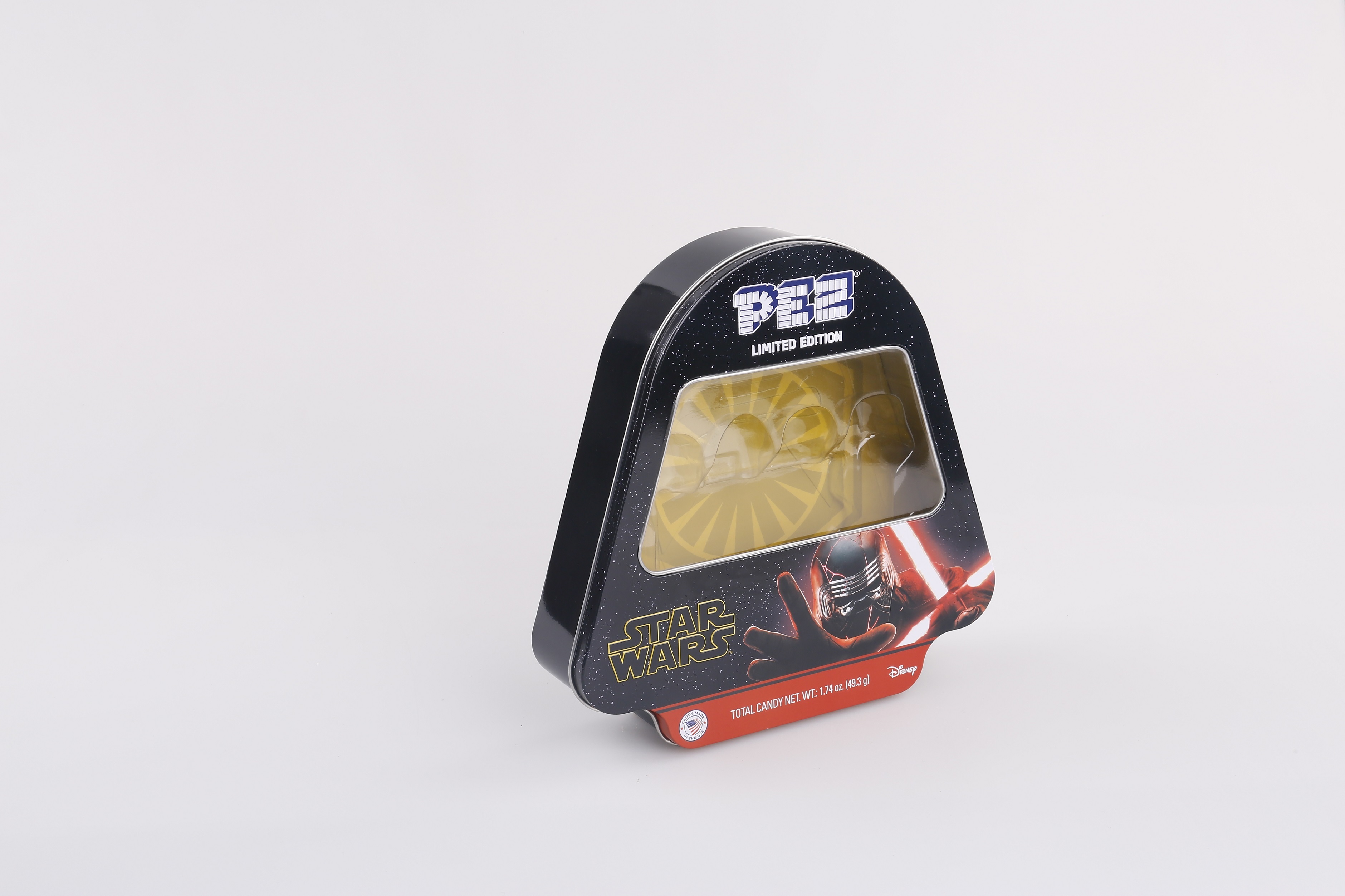
Challenge: A major European confectionery manufacturer (a partner of JINGLI CAN, like Perfetti Van Melle) needed a reliable supply of complex-shaped candy tin box factory products for a new mint and candy line, requiring food-safe materials and fulfillment of all EU regulations. They were previously sourcing from a local European supplier but faced high costs and long lead times for new tool development.
Solution: JINGLI CAN was selected for its ISO 22000:2005 and FSSC 22000 certifications, which streamlined the client’s vendor qualification process. JINGLI’s in-house tooling team developed the custom shape in 20 days—50% faster than the client’s prior supplier.
Result: 5 million units delivered within 12 weeks. The new supplier achieved a 100% on-time delivery rate and reduced unit costs by 35% while maintaining the required food-grade safety standards. The long-term contract was renewed, establishing a 15+ year partnership.
Case Study 2: Global Confectionery Leader (Mars & Wrigley)
Challenge: A leading global confectionery firm (a JINGLI CAN client, like Mars & Wrigley) needed a massive, consistent supply of high-quality metal tins for a global chewing gum promotion. The key requirements were consistent print quality (PMS color accuracy) and a smooth, scratch-resistant surface finish across millions of units.
Solution: JINGLI CAN’s 100,000-level GMP printing workshop and state-of-the-art printing presses ensured flawless color reproduction. By dedicating a specific production line to this project, they guaranteed 100% traceability and quality control, which was crucial for a high-volume chewing gum tin box factory order.
Result: Over 8 million chewing gum tin box units were produced and delivered to 15 countries within 18 weeks. The client’s audit team noted the factory’s on-site QC processes, which achieved a <0.01% defect rate, a key factor in JINGLI CAN's inclusion in the client’s preferred supplier list.
Case Study 3: Cosmetics & Pharmaceutical-Grade Packaging (LVMH)
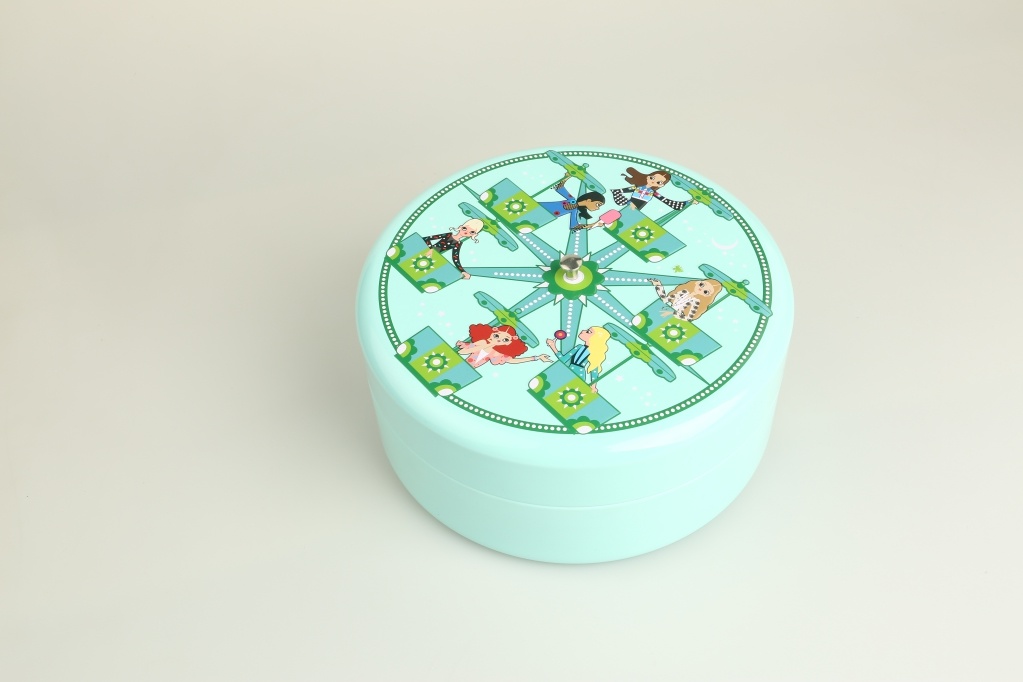
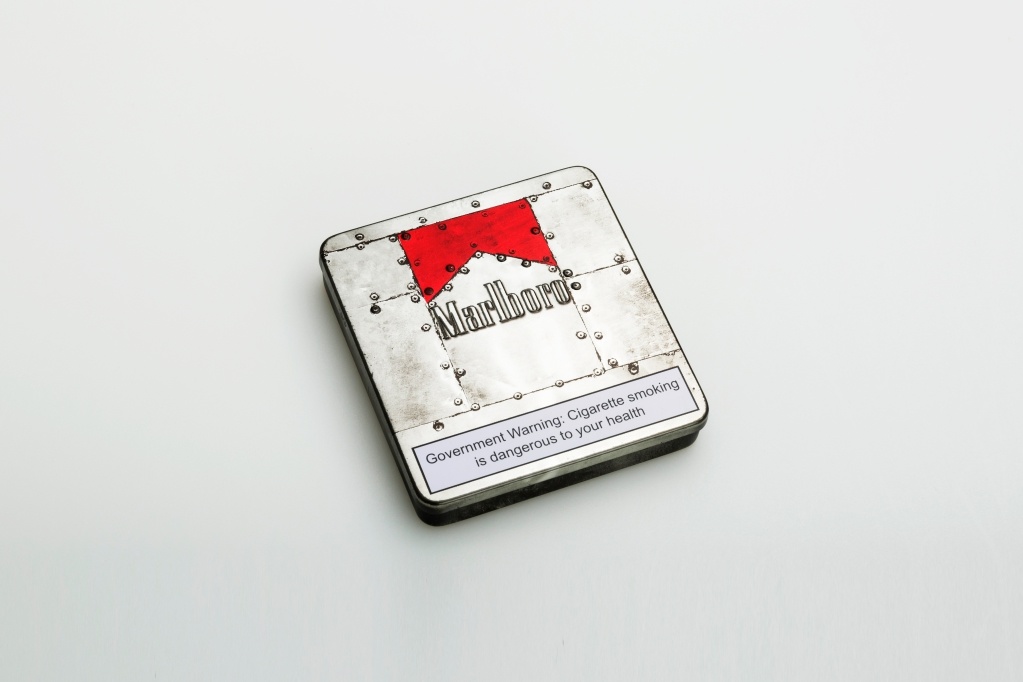
Challenge: A luxury cosmetics conglomerate (a JINGLI CAN client, like LVMH) was launching a new premium perfume line inside a high-end perfume tin box factory product. The tin box required a proprietary, soft-touch lacquer finish and an airtight seal to protect the vial. The previous supplier could not guarantee the seal's integrity.
Solution: JINGLI CAN leveraged its expertise from the cosmetic tin box factory and medicine tin box factory segments to develop a multi-layer airtight seal technology. After a two-month prototyping phase, the final design passed rigorous leak tests. The 100,000-level GMP workshop was crucial for this client’s vetting.
Result: The product launched successfully across 30 countries. The partnership has been maintained for over 8 years. The client reported zero seal-failure complaints in the first 18 months, reinforcing the value of sourcing from a specialized cosmetic tin box factory with deep expertise in high-specification sealing.
Section 5: Conclusion: Building a Resilient Tin Box Supply Chain
Sourcing from a Chinese tin box factory is a strategic decision that, when executed correctly, offers a profound competitive advantage. By prioritizing compliance certifications, verifying logistics and after-sales support, and analyzing case studies of successful partnerships, global buyers can de-risk their supply chain. A manufacturer like JINGLI CAN, with its massive scale (over 100,000 tons of annual tinplate consumption), global certifications, and proven ability to serve Fortune 500 companies across food, cosmetics, and pharmaceutical verticals, represents a gold-standard partner for 2026 and beyond. Its philosophy—"Enhance product value through packaging"—serves as a guiding principle for any buyer seeking to leverage packaging as a genuine business asset.
Contact JINGLI CAN Today for Your Next Project
Phone/WhatsApp: +86-18819080811
Email: sales@tinbox.cn
Website: www.tinbox.cn
Address: Road No.1, Chikan Industrial Park, Shipai Town, Dongguan City, Guangdong Province, 523333
¿Tiene preguntas o necesita más detalles?
Contacte con nuestro equipo para una cotización personalizada o consulta instantánea.
Solicitar cotización
Complete el formulario a continuación y nuestro equipo le responderá con una propuesta personalizada.
Chat directo de WhatsApp
¿Prefiere chatear en tiempo real? Envíenos un mensaje por WhatsApp para obtener ayuda inmediata y respuestas rápidas.
- Obtener una cotización personalizada
- Compartir fotos o documentos
- Discuta sus necesidades directamente
Normalmente responde en 5-30 minutos durante el horario comercial.