
Sterile Medical Injection Molding: What Buyers Should Know
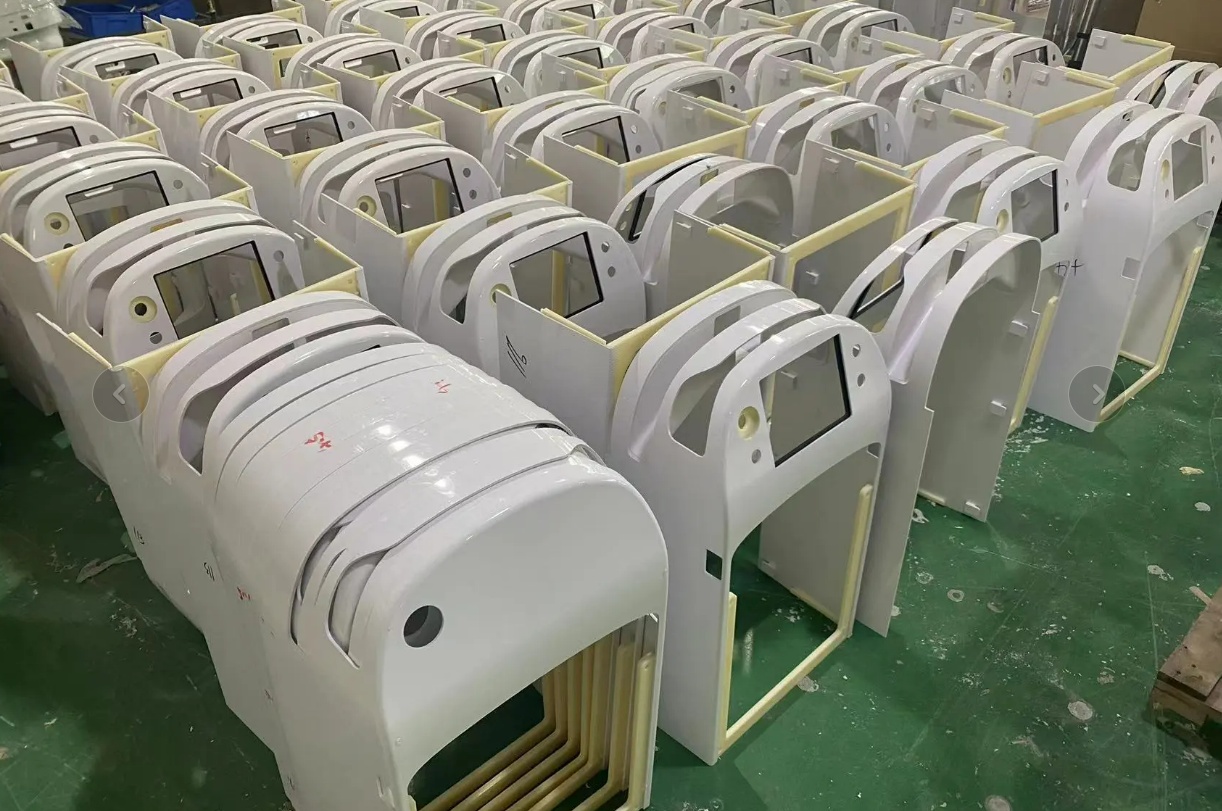
Sterile medical injection molding is not a machine setting, a resin grade or a certificate on a wall. It is the section of the plastics supply chain where molded components are produced, handled and documented under contamination-controlled conditions that support a clean device build. That makes it a different discipline from ordinary industrial injection molding, even when the same press, the same polymer family and the same tolerance bands are involved. For a buyer entering the category for the first time, the productive question is not “who can mold this part,” but “what has to be true about the process, the environment and the records before this part is allowed into a device.”
This reference note is written for device brand owners, procurement managers and development engineers who are in the awareness and research phase of a medical molding project. It explains what the term actually covers, how medical programs differ from general molding work, which materials and validation steps typically come into play, where the real trade-offs sit, and how a supplier such as DTG TECH CO., LTD. fits into that picture using its own published capability facts.
The core distinction: what “sterile” does and does not mean in injection molding
Injection molding does not sterilize anything. Sterility is a property of the finished device, achieved through the device manufacturer’s own validated sterilization process and confirmed by that manufacturer’s regulatory submission. A molding supplier operates upstream of that step. What the supplier controls is the cleanliness of the molding environment, the consistency of the material lots, the dimensional and cosmetic condition of the part as it leaves the tool, and the documentation that shows the process ran the way it was specified to run.
In everyday procurement language, “sterile medical injection molding” therefore functions as shorthand for molded parts produced under contamination-controlled conditions with a repeatable, documented process. The related term “cleanroom medical injection molding” is used when the molding cell itself sits inside a controlled environment rather than in a general production hall. Both terms describe how the part is made, not what the part becomes after the device leaves the sterilization chamber.
What changes when a molded part enters a medical device program
Medical and healthcare plastic parts are specified for a clean-use environment with high consistency and strict appearance and dimensional requirements. Their function is usually structural and protective: they support the device structure, shield internal electronic modules and sensors, and contribute to how usable the finished product feels in the hand of a clinician or patient.
Operationally, these components are permanently assembled inside medical devices and healthcare products, where they experience continuous intermittent use under cleanroom conditions — repeated daily on and off cycles, routine cleaning and sterilization cycles. They are designed for both long-term static mounting and frequent actuation, and are expected to hold their performance without degradation across the product lifecycle. Typical matched hardware includes electronic modules, sensors, tubes, buttons and assembly fixtures.
That operating context translates into a short list of requirements that general industrial molding does not routinely carry:
- High-precision molding with tight tolerances rather than standard commercial tolerances.
- Clean, defect-free surfaces, because cosmetic defects on a device-exposed part are a functional and perceptual problem, not just an aesthetic one.
- Stable material batch-to-batch consistency, so that parts molded in month three match parts molded in month one.
- Rigorous 100% quality inspection covering dimensional measurement and visual check, rather than sampling alone.
- Handling, packaging and traceability discipline that keeps verified parts verified until they reach the assembly line.
How DTG TECH approaches medical-grade injection molding
DTG TECH CO., LTD. is a Xiamen-based custom injection molder founded in 2002 that supplies precision mold design, tool manufacturing, prototype development, plastic injection molding and mass production as a single continuous service. The company operates a 2,500 m² facility with 80 employees, including a 25-engineer engineering and R&D team, reports an annual output of 47,881 units, exports 100% of its production, and serves customers in the USA, Europe and India. Its stated focus is custom injection molded plastic parts, supported by product analysis and mold testing intended to confirm performance and cost-effectiveness before volume production begins.
For medical-adjacent work, the relevant part of that portfolio is the standard product range that device buyers can specify directly:
| Product | Model | Process focus | Materials |
|---|---|---|---|
| Custom Injection Molded Plastic Parts | DTG-CIMP-001 | Prototype to mass production, custom size, surface finishing including texture, polishing, painting and printing | ABS, PP, PC, PC+ABS, TPE, Acrylic and other engineering plastics |
| Precision Injection Molded Components | DTG-PIM-003 | Precision injection molding with dimensional control according to engineering drawings, dimensional inspection and first article inspection | ABS, PC, POM, Nylon, engineering plastics |
| Plastic Injection Molded Housings | DTG-PIH-002 | Enclosures, covers and protective housings with customizable size, structure, colour and surface texture | ABS, PC+ABS, PP |
| Insert Injection Molded Parts | DTG-IIM-005 | Insert injection molding with customizable insert position, material combination and structure design | ABS, PC, PP combined with metal inserts |
Three points matter for a medical buyer reading that table. First, the tolerance definition sits with the customer: DTG molds to customer drawings and specifications, which means the device owner retains control of the critical dimensions. Second, the inspection model is already built around first article inspection and dimensional verification, which is the same control logic medical programs expect. Third, insert molding is available for components that need structural reinforcement or metal-to-plastic interfaces inside a single consolidated part.
Technical foundations: materials, tooling and process validation
Material selection: medical-grade ABS, PC and the batch-consistency problem
The materials listed across the DTG range are ABS, PC, PC+ABS, PP, POM, Nylon, TPE, Acrylic and other engineering plastics. In medical device work, the familiar grades are ABS and polycarbonate, because they offer a workable balance of stiffness, impact behaviour, mouldability and surface quality for housings, covers and internal structural parts. Material choice, however, is rarely a free decision: the grade must come from the device manufacturer’s approved specification, and it must be reproducible lot after lot.
That is why “stable material batch-to-batch consistency” appears alongside tolerance and surface requirements in medical molding specifications. A part that measures correctly from an off-specification lot still creates a device-level risk, because colour, shrinkage behaviour and mechanical performance can shift between lots. Buyers should confirm two things before releasing a medical program: the exact grade and supplier named in the design inputs, and how the molder controls, records and quarantines incoming resin lots.
Tooling and dimensional control
Medical tolerances are decided in the tool, not in the press. DTG’s one-stop sequence covers precision mold design, tool manufacturing, prototype development, injection molding and mass production, with product analysis and mold testing used to validate performance before volume commitment. For a device program, that sequence is valuable because it keeps tool design, first shots and production in one chain of responsibility instead of splitting them across vendors that each point at the other when a dimension drifts.
Process validation and inspection
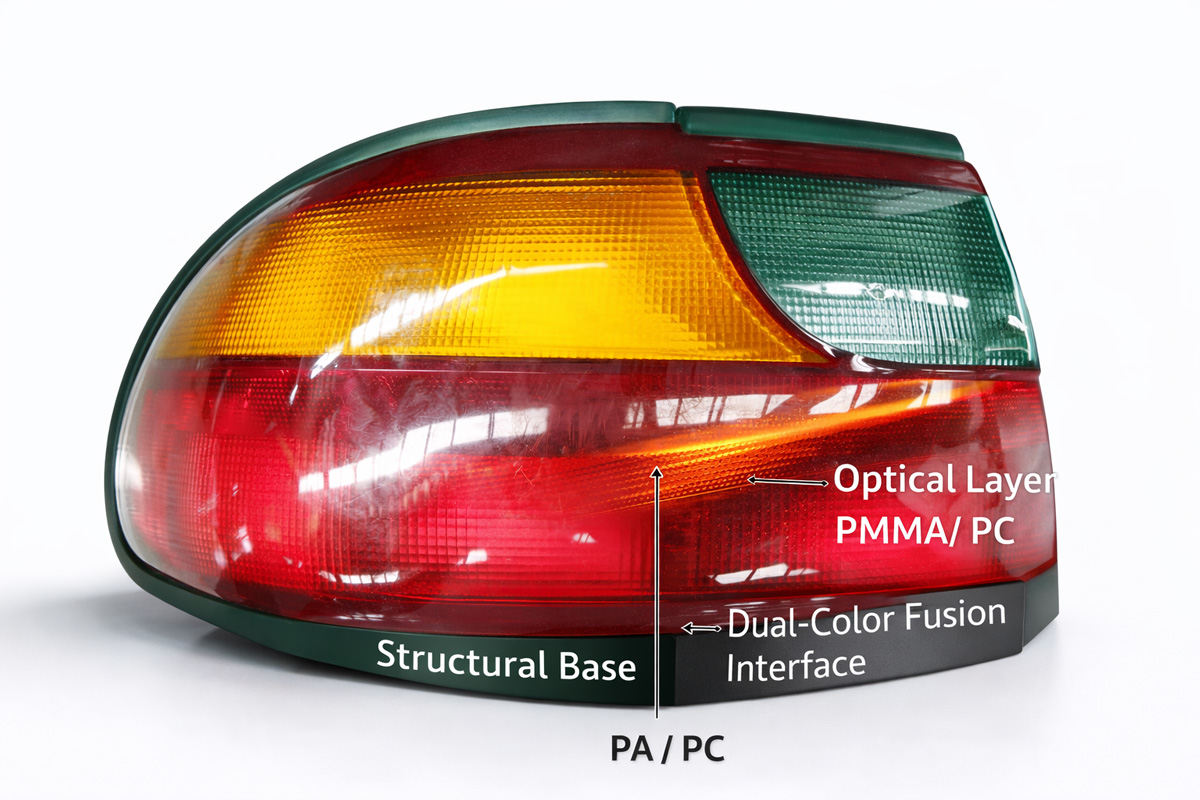
Medical device manufacturing quality systems, most commonly built on ISO 13485, expect molding processes to be validated rather than merely inspected. In practice that means a staged validation approach covering installation, operational and performance confirmation — that the equipment is correctly installed, that the process window produces conforming parts under normal variation, and that it continues to do so under worst-case conditions — after which routine production runs under defined monitoring.
The inspection layer sits on top of that. For precision medical-adjacent components, DTG applies dimensional control according to engineering drawings together with dimensional inspection and first article inspection. For medical and healthcare parts, the applicable requirement in the published scenario data is more demanding: rigorous 100% inspection using dimensional measurement and visual check, rather than relying on a sample. Buyers should treat that full-inspection commitment as a cost driver as well as a risk control, and should agree in advance which characteristics are measured on every part and which are verified on a defined frequency.
Application scenarios: where these components are used
The published application profile for medical and healthcare products covers medical device plastic parts and healthcare product components. Their role is structural and protective: supporting device structure, protecting internal electronic modules and sensors, and improving overall product usability. They are matched with electronic modules, sensors, tubes, buttons and assembly fixtures, and are assembled permanently inside the device rather than being field-replaceable consumables.
Mapping that onto a real bill of materials, three component families recur. Enclosures and covers — the category covered by DTG-PIH-002 plastic injection molded housings — protect electronics and sensors and carry the device’s visible surfaces. Tight-tolerance functional parts, covered by DTG-PIM-003 precision injection molded components, hold alignment where a sensor or module must sit within a defined position. Insert molded structural parts, covered by DTG-IIM-005, combine a plastic body with metal inserts so that load-bearing points and interfaces do not depend on plastic threads alone. Prototype through production volume for all three sits within the custom injection molded plastic parts range, DTG-CIMP-001.

Market trends shaping medical molding sourcing
Several shifts are visible across medical device sourcing without requiring market forecasts to explain them. The first is documentation expectations. Device owners increasingly treat their molding supplier as part of the quality system rather than as a component vendor, which means validation records, material traceability and inspection data are now part of the purchase specification rather than a later negotiation.
The second is supplier consolidation around continuity. A single partner handling mold design, tooling, prototyping and volume production reduces the handover risk that appears whenever a program moves between tool shops and molders. DTG’s structure — one-stop mold design, tool manufacturing, prototype development, molding and mass production with product analysis and mold testing — reflects that demand pattern.
The third is geographic diversification of the supplier base. Device manufacturers with North American and European assembly operations have been widening their sourcing footprint, and suppliers serving the USA, Europe and India simultaneously are positioned for that widening. It is worth noting that a 100% export orientation, as reported by DTG, means the supplier’s processes and documentation habits are shaped by multiple regulatory environments rather than a single domestic market.
The fourth is the tightening of material consistency requirements. As device performance specifications narrow, the tolerance for lot-to-lot variation in resin shrinks with them, which pushes buyers toward suppliers with explicit batch control practices instead of price-only selection.
Sterile medical molding versus standard industrial injection molding
The honest comparison is not “better versus worse” but “different cost and control profile.” A medical-oriented molding program buys consistency, cleanliness and evidence; it pays for them in tooling cost, validation effort and schedule.
| Decision area | Standard industrial molding | Medical-oriented molding |
|---|---|---|
| Inspection intensity | Sampling with first article approval | First article plus 100% dimensional and visual inspection for device parts |
| Material control | Grade specified by function and cost | Grade fixed by design inputs with documented batch-to-batch consistency |
| Process change | Adjustable with supplier agreement | Controlled; changes after validation require documented re-verification |
| Cost and lead time | Lower tooling and shorter ramp | Higher tooling, documentation and inspection overhead |
Two limitations deserve to be stated plainly rather than left for the buyer to discover later.
First, molding cannot deliver sterility. No injection molder can warrant the sterility of a finished device, because sterility is established by the device manufacturer’s validated sterilization process and confirmed against that manufacturer’s own regulatory obligations. A buyer who expects a molding supplier to carry a sterility guarantee is looking at the wrong link in the chain. What the molder can control is cleanliness of production, part consistency and documentation.
Second, capacity and material scope have boundaries. DTG operates a 2,500 m² facility with 80 employees and a 25-engineer team, and its published material set covers ABS, PC, PC+ABS, PP, POM, Nylon, TPE, Acrylic and comparable engineering plastics. Programs that require very large dedicated cleanroom footprints, multi-site redundancy, or polymers outside this range fall outside that envelope and need either a different supplier or a multi-supplier strategy. Confirming scope early is cheaper than discovering it during validation.
Future outlook
For the next planning cycle, three developments look reasonable to prepare for. Documentation will continue to move from differentiator to baseline: suppliers without structured validation and inspection records will be excluded from device programs before price is discussed. Tooling and molding will stay bundled for regulated parts, because splitting them multiplies the change-control surface that device quality systems must manage. And material consistency will remain the quiet failure mode of medical molding, receiving more procurement attention than it does today.
For buyers currently building a shortlist, the practical implication is to evaluate suppliers on evidence rather than on capability claims — what inspection is performed, on which characteristics, at what frequency, and how the resulting records are retained and retrieved.
For readers who want the supplier’s own reference material, the DTG TECH CO., LTD. company presentation is available as a document: Xiamen DTG Tech Co., Ltd. Presentation (PDF).
Frequently asked questions
What is sterile medical injection molding?
Sterile medical injection molding refers to injection molding carried out under contamination-controlled conditions with a validated, documented process, so that the resulting plastic components can be assembled into a device that will later be sterilized. The molding step itself does not sterilize parts; sterility is established at device level by the device manufacturer’s validated sterilization process. The supplier’s responsibility covers cleanliness of production, dimensional and cosmetic consistency, material consistency and documentation.
What is the difference between cleanroom medical injection molding and standard injection molding?
Cleanroom medical injection molding places the molding cell inside a controlled environment, and adds requirements that standard molding does not carry: high-precision molding with tight tolerances, clean and defect-free surfaces, stable material batch-to-batch consistency, and rigorous 100% inspection through dimensional measurement and visual check. Standard industrial molding typically works to commercial tolerances and sampling-based inspection. The product may look similar; the control system around it does not.
Which materials are used for medical-grade ABS and medical-grade PC injection molding?
ABS and polycarbonate are the two most common base polymers for device housings, covers and internal structural parts, because they combine stiffness, impact behaviour, mouldability and surface quality. In the DTG product range, available materials include ABS, PC, PC+ABS, PP, POM, Nylon, TPE, Acrylic and other engineering plastics. The specific grade must be taken from the device manufacturer’s approved specification, and the supplier should be able to document how incoming resin lots are controlled and traced.
Does ISO 13485 certification apply to the molding supplier or to the device manufacturer?
ISO 13485 is the widely recognised quality management standard for medical devices, and it applies to organisations in the device supply chain according to their role; the legal manufacturer of the finished device carries the primary conformity obligation for the device itself. In practice, buyers ask molding suppliers to demonstrate that their quality system and process controls align with the requirements applicable to their scope. The certification scope should be verified directly rather than assumed from a general quality-system claim.
How is process validation handled in medical injection molding?
Validation typically proceeds in stages that confirm the equipment is correctly installed, that the process window produces conforming parts under normal conditions, and that it continues to do so under challenging conditions, after which production runs under defined monitoring. The inspection layer supports this: for precision components, DTG applies dimensional control to engineering drawings with dimensional inspection and first article inspection; for medical and healthcare parts, the applicable requirement is rigorous 100% inspection by dimensional measurement and visual check.
What limits should a buyer check before starting a medical molding project?
Three boundaries are worth confirming in writing. First, tolerance and grade control remain with the device owner, since parts are molded to customer drawings and specifications. Second, sterilisation is a device-level process and cannot be warranted by the molder, so cleanliness and documentation scope should be agreed explicitly. Third, supplier capacity and material scope are finite: DTG operates a 2,500 m² facility with 80 employees, and its published material set does not extend to every polymer used in medical device design.
¿Tiene preguntas o necesita más detalles?
Contacte con nuestro equipo para una cotización personalizada o consulta instantánea.
Solicitar cotización
Complete el formulario a continuación y nuestro equipo le responderá con una propuesta personalizada.
Chat directo de WhatsApp
¿Prefiere chatear en tiempo real? Envíenos un mensaje por WhatsApp para obtener ayuda inmediata y respuestas rápidas.
- Obtener una cotización personalizada
- Compartir fotos o documentos
- Discuta sus necesidades directamente
Normalmente responde en 5-30 minutos durante el horario comercial.