
Static Traffic Posts: COOLWAVE vs. Standard Cooling Vests
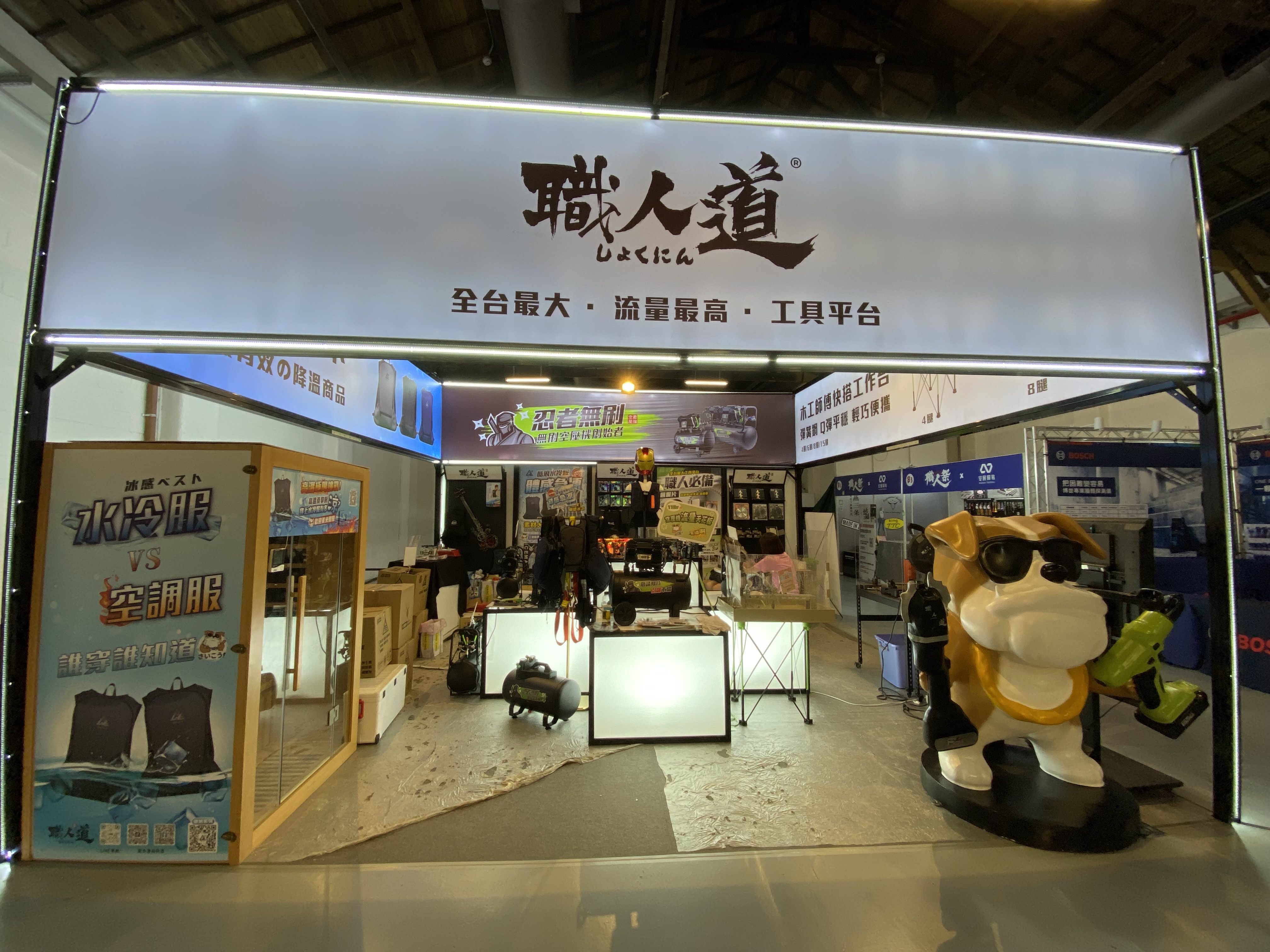
The COOLWAVE water-circulation vest is positioned for hot, sustained outdoor work. Source: Shokunin / Feng Shang Precision Co., Ltd.
Traffic control personnel work in a category of heat exposure that is easy to overlook: they are stationary for hours at a time, often on asphalt or concrete surfaces that radiate stored heat, while wearing high-visibility outer layers that limit airflow. The physical output is lower than that of a roofing crew or a foundry worker, but the duration and continuity of exposure create a different set of demands on personal cooling equipment.
This scenario-fit assessment examines the Shokunin COOLWAVE dual cooling water cooling vest specifically through the lens of static traffic control roles. It evaluates where the product's documented characteristics — a stated 3–4 hour cooling duration, a sub-2kg listed weight, and a pump-driven water-circulation architecture — align with the realities of fixed-post traffic duty, and where buyers should apply additional scrutiny.
Why Static Roles Change the Cooling Equation
The conventional image of heat stress involves heavy exertion. Traffic control work inverts part of that picture. A traffic director at a roadworks entry, a school crossing, or an event parking area may stand in one position for 30–60 minutes at a stretch, moving only to rotate a sign or signal a vehicle.
That low-mobility profile matters for cooling selection in three ways:
Reduced natural air movement. Walking generates airflow across the skin and clothing that supports evaporative cooling. A stationary worker loses much of that effect, particularly when wearing a high-visibility vest over a cooling layer.
Continuous, cumulative heat load. Low exertion does not mean low heat exposure. Radiant heat from the road surface, engine heat from queued vehicles, and direct solar load accumulate over a shift. Cooling equipment that delivers a short burst fails to address the pattern of exposure.
Limited opportunity for intervention. A traffic director cannot easily step into shade, remove layers, or reposition equipment mid-task. The cooling system must operate predictably across a work segment without requiring constant adjustment.
These conditions favor cooling vests with a sustained, stable cooling profile rather than peak output. They also raise the importance of weight distribution and maintenance logistics, because the worker is standing still and the supervisor is managing rotation schedules.
How the COOLWAVE Vest Maps to Static Duty
Shokunin is a professional e-commerce brand launched by Feng Shang Precision Co., Ltd., a Taiwan-based manufacturer founded in 2009. The company's product range includes air compressors, cut-off machines, and the COOLWAVE water-cooled vest line.
The COOLWAVE vest is a dual cooling water cooling vest that combines reusable ice packs as a cold source with a pump-driven water-circulation system. This architecture is directly relevant to static traffic posts because it does not depend on body movement or airflow to deliver cooling.
Three documented characteristics stand out for this use case:
Stated 3–4 hour cooling duration. Shokunin positions the COOLWAVE vest as providing cooling for 3–4 hours, compared with approximately 30 minutes for other water-cooled vests. For traffic control, that duration aligns with common work-segment lengths — long enough to cover a standing post rotation without a mid-segment cooling change.
Sub-2kg listed weight. Product listing information states the vest weighs within 2 kg. For a worker standing in place for extended periods, incremental weight translates directly into lumbar and lower-limb load. Keeping the vest under 2 kg supports longer wear tolerance.
Low-voltage pump specification. The pump is rated at 5V, 150mA (max) with a flow rate of 320–370 ml/min. The 5V requirement means the vest can be powered from a standard power bank, which simplifies power planning for a shift supervisor. The flow rate describes how quickly chilled water circulates through the vest's water channels.
Buyer note on cooling duration claims: The 3–4 hour figure is a manufacturer-stated specification. Ambient temperature, humidity, workload, and the specific ice-pack preparation method can affect actual performance. Procurement teams should validate duration through sample testing in conditions that match their deployment environment.
Technical Context: Why Circulation Suits a Stationary Worker
The COOLWAVE system uses a dual cooling architecture. Reusable ice packs provide the cold source, and a pump circulates chilled water through channels built into the vest. This differs from passive ice-pack vests, which rely on direct contact and local conduction, and from evaporative vests, which depend on airflow and low humidity.
For a static traffic director, several technical implications follow.
Cooling does not require movement. Evaporative cooling performance drops when airflow is low. A circulation-based system moves chilled water actively across the torso, so the cooling effect persists even when the wearer is standing still in humid conditions.
Cooling distribution is more even. Ice-pack vests can create localized cold spots and warmer zones depending on pack placement. Pump-driven circulation distributes chilled water through the vest, which helps maintain a more consistent cooling profile across the covered area.
Power planning is straightforward. The 5V, 150mA pump specification means the vest can run from commonly available USB power banks. A supervisor managing a team of traffic directors can plan power-bank rotation without specialized electrical infrastructure.
Shokunin also states that the ice packs use reinforced material, with 100% quality verification before shipment. That detail matters in static roles because a leaking ice pack inside a worn vest is both a comfort failure and a potential slip or electrical-safety concern when a power bank is in use.
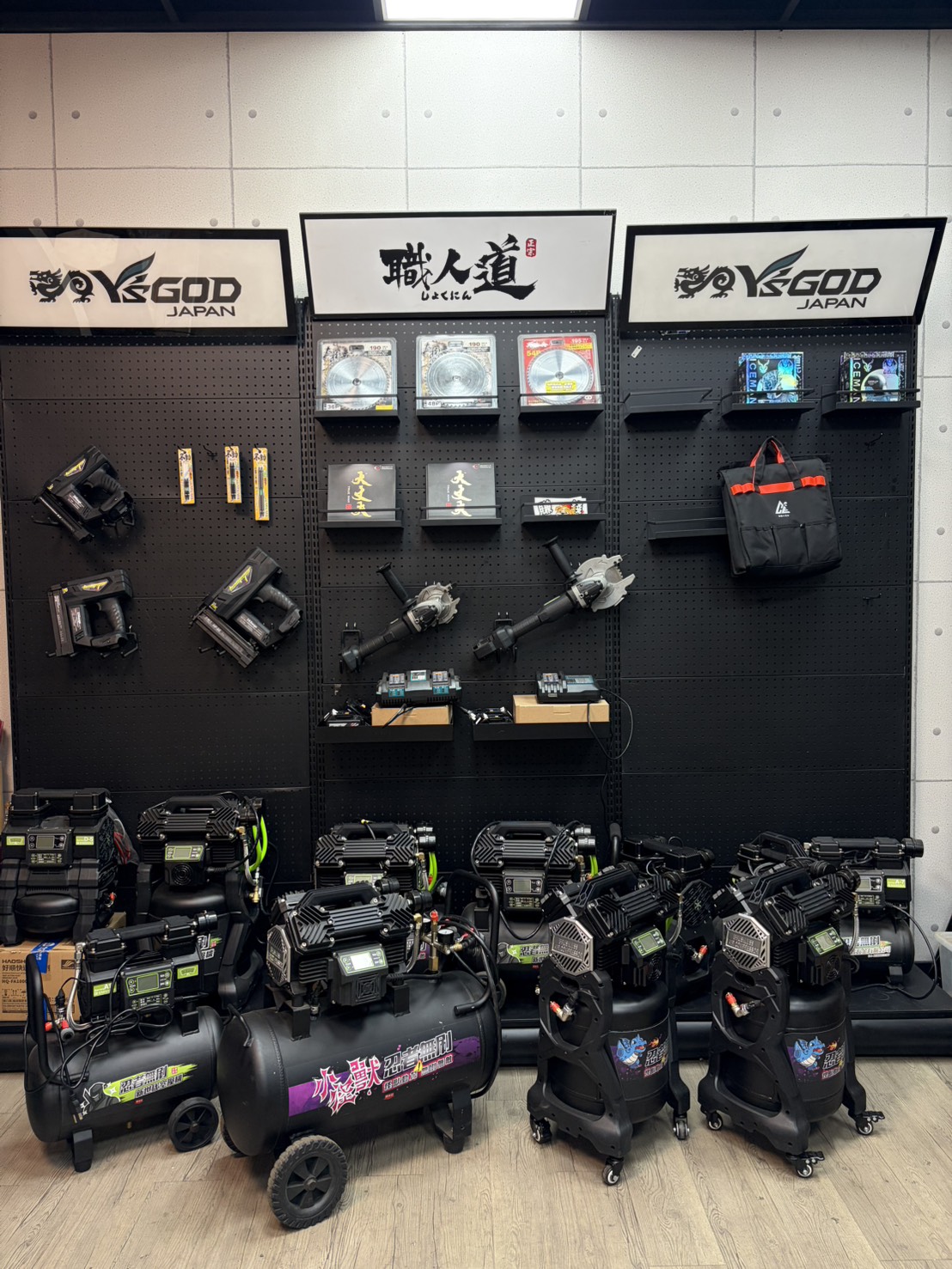
COOLWAVE construction detail. The water-circulation layer is designed to deliver cooling without relying on body movement. Source: Shokunin / Feng Shang Precision Co., Ltd.
Application Fit: Where the COOLWAVE Vest Suits Static Traffic Roles
Scenario fit is not a single yes-or-no question. The COOLWAVE vest aligns well with some static traffic control contexts and less well with others.
Roadworks and lane-closure posts
Traffic directors at roadworks stand adjacent to hot asphalt and slow-moving vehicles. Radiant heat is continuous, and the worker's position is fixed for extended intervals. The 3–4 hour stated cooling duration covers a typical rotation, and the circulation architecture compensates for the low airflow that comes with standing still.
School crossings and event traffic management
Crossing guards and event traffic directors work short but repeated exposure windows, often in full sun. The vest's reusable ice packs and low-maintenance profile support daily repeat use across a school week or event schedule. Maintenance is limited to re-freezing packs, charging the power bank, and checking the pump and tubing.
Parking and logistics yard control
Personnel directing vehicles in parking areas or logistics yards face reflected heat from pavement and nearby engines. The COOLWAVE vest's durable fabric and reusable ice-pack system suit environments where equipment is used repeatedly and maintenance time is limited.
Where the fit is weaker
The COOLWAVE vest is less suitable for traffic control assignments that require frequent rapid movement over uneven ground, or for posts where power-bank charging is unavailable across multiple consecutive shifts. The pump and ice-pack system adds preparation steps compared with a passive evaporative vest, and those steps need to be built into shift handover procedures.
Market Context: Industrial Cooling Demand and Static Work
The cooling vest category has moved well beyond consumer leisure use. According to a 2025 market report by Dataintelo, the global cooling vests market reached USD 342 million in 2025, and industrial applications accounted for 34.5% of revenue share that year.
That industrial concentration is relevant for traffic control procurement. It signals that cooling vests are increasingly evaluated as work equipment — with attention to durability, maintenance, and documented performance — rather than as optional comfort accessories. Traffic control sits within that industrial demand pattern, even though the physical exertion level differs from construction or foundry work.
The U.S. National Institute for Occupational Safety and Health (NIOSH) identifies water-cooled garments, air-cooled garments, cooling vests, and wetted overgarments as examples of personal cooling systems for heat exposure. That classification supports treating a water-circulation vest as a legitimate component of a heat-management plan for outdoor static roles, alongside shade, rotation, and hydration.
Comparison: COOLWAVE vs. Standard Water-Cooled and Ice-Pack Vests
The most useful comparison for a traffic control buyer is not between brands in the abstract, but between cooling architectures under static-post conditions.
| Comparison dimension | COOLWAVE dual cooling water vest | Standard ice-pack or short-duration water vest |
|---|---|---|
| Stated cooling duration | 3–4 hours per charge / ice-pack cycle | Approximately 30 minutes before cooling effect fades |
| Cooling mechanism | Reusable ice packs plus pump-driven water circulation | Ice packs or limited water circulation without sustained pump support |
| Dependence on movement or airflow | Low — circulation operates independently of body motion | Higher for evaporative types; ice-pack types depend on contact placement |
| Maintenance profile | Reusable ice packs, durable fabric, minimal upkeep | Frequent ice-pack replacement, higher wear and tear |
| Power requirement | 5V, 150mA pump, power-bank compatible | None for passive ice-pack types |
| Listed weight | Within 2 kg | Varies with ice-pack configuration |
An important boundary: The COOLWAVE vest is not a fit-and-forget solution. It requires ice-pack freezing, power-bank charging, and periodic checks of the pump and tubing. In settings where those preparation steps cannot be reliably completed between shifts — remote posts, temporary sites without power access, or operations with very tight handover windows — a simpler passive vest may be more practical despite its shorter cooling duration.
A separate 2026 HTNXT editorial comparison of water-circulation, PCM, and evaporative cooling technologies notes that water circulation provides the longest continuous active cooling and performs in high humidity, whereas evaporative cooling effectiveness declines above 95°F in humid conditions. That technology-level observation supports the circulation approach for static outdoor posts, while the COOLWAVE-specific 3–4 hour figure remains a manufacturer-stated specification.
Future Outlook
Two developments are likely to shape how traffic control buyers evaluate cooling vests over the next several years.
The first is test standardization. Current cooling-duration figures across the category are manufacturer-stated and not directly comparable without defined ambient temperature, humidity, workload, and measurement conditions. As industrial buyers demand more consistent performance data, procurement criteria are likely to shift from headline duration claims toward documented test protocols.
The second is the integration of powered cooling garments into broader heat-management programs. NIOSH's classification of personal cooling systems as a heat-exposure control supports that direction. For static traffic roles, the practical question will become less about whether to use a cooling vest and more about how to specify, rotate, and maintain powered cooling equipment across a workforce.
FAQ
How does the COOLWAVE vest compare with standard ice-pack vests for static traffic control?
The COOLWAVE vest combines reusable ice packs with pump-driven water circulation, while standard ice-pack vests rely on direct contact cooling alone. Shokunin states that the COOLWAVE vest provides 3–4 hours of cooling, compared with approximately 30 minutes for other water-cooled vests. For a stationary worker, the circulation component helps maintain a more even cooling distribution across the torso, whereas ice-pack vests can develop cold spots and warmer zones depending on pack placement.
Why does cooling duration matter more for static roles than for mobile roles?
Static roles limit the natural cooling that comes from movement and airflow. A traffic director standing at a fixed post loses much of the evaporative benefit that a walking worker would receive, and cannot easily step into shade or remove layers mid-task. A cooling vest with a 3–4 hour stated duration covers a typical work segment without requiring a mid-segment cooling change, which is operationally important for a supervisor managing post rotations.
How does the sub-2kg weight affect fatigue during long standing assignments?
Extended standing already places sustained load on the lower limbs and lumbar region. Each additional kilogram worn on the torso adds to that load. The COOLWAVE vest is listed within 2 kg, which keeps it in a range that supports longer wear tolerance. For traffic control personnel who may stand for 30–60 minutes per post rotation, reducing carried weight contributes to maintaining posture and attention across a shift.
What maintenance does the COOLWAVE vest require between shifts?
The system uses reusable ice packs, and Shokunin describes the maintenance profile as low, with durable fabric and minimal upkeep. Between shifts, the practical steps are re-freezing the ice packs, charging the power bank used to run the 5V, 150mA pump, checking the tubing and pump connections, and cleaning the fabric according to the supplier's care instructions. Shokunin states that the ice packs use reinforced material with 100% quality verification before shipment, which addresses leakage risk during wear.
Is the COOLWAVE vest suitable for traffic control in humid or rainy conditions?
The COOLWAVE vest uses an ice-pack cold source and active water circulation, so its cooling mechanism does not depend on evaporation. That distinguishes it from evaporative cooling vests, whose effectiveness declines in high humidity. However, the vest includes a pump and power-bank connection, so in sustained rain, additional outer protection or a waterproof layer over the power bank is advisable. Buyers should confirm the supplier's specific guidance on wet-weather use before deploying the vest in exposed posts.
For full product specifications and configuration details, the Shokunin COOLWAVE product brochure is available for download: COOLWAVE Water-Circulation Cooling Vest Brochure (PDF).
Product specifications referenced in this article are manufacturer-stated and may require validation through sample testing under deployment-specific conditions. Market data is sourced from Dataintelo's 2025 cooling vests market report. Heat-exposure classification is referenced from NIOSH guidance on personal cooling systems.
¿Tiene preguntas o necesita más detalles?
Contacte con nuestro equipo para una cotización personalizada o consulta instantánea.
Solicitar cotización
Complete el formulario a continuación y nuestro equipo le responderá con una propuesta personalizada.
Chat directo de WhatsApp
¿Prefiere chatear en tiempo real? Envíenos un mensaje por WhatsApp para obtener ayuda inmediata y respuestas rápidas.
- Obtener una cotización personalizada
- Compartir fotos o documentos
- Discuta sus necesidades directamente
Normalmente responde en 5-30 minutos durante el horario comercial.