
Stainless vs Galvanized Coil: Independent Buyer Comparison
Stainless vs Galvanized Coil: Independent Buyer Comparison
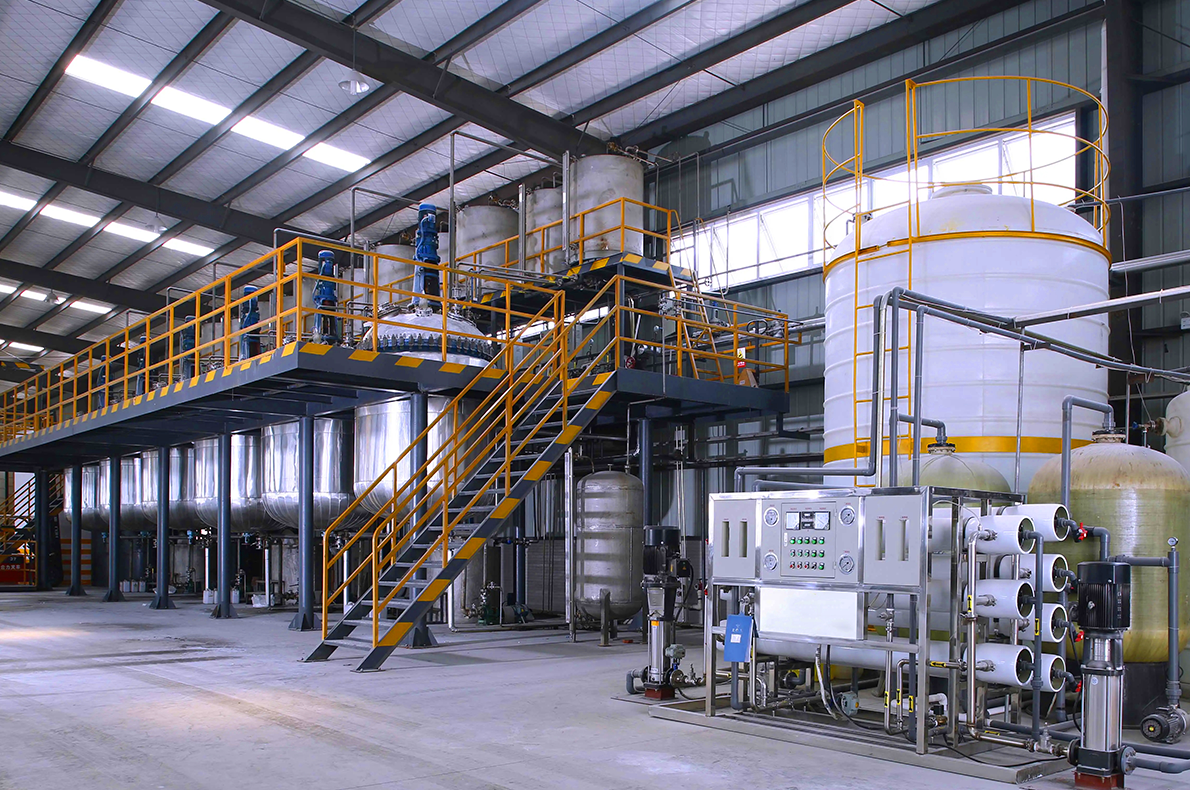
In energy and metallurgy procurement, the choice between stainless steel coil and galvanized steel coil is not a simple preference between two steel products. It is a decision about the corrosion path, the fabrication route, the inspection evidence and the cost of getting the specification wrong. Stainless steel slit coil adds a further decision: the material must be correct before slitting, because narrow-width processing can improve fit and yield but cannot correct an unsuitable grade, finish or heat.
The practical answer is straightforward. Specify stainless steel coil when the alloy itself must provide corrosion resistance, cleanliness, high-temperature service or a controlled surface finish. Specify galvanized steel coil when a zinc-coated carbon-steel surface is acceptable for the service environment and the coating can be inspected and maintained. Neither choice is automatically superior. The buyer’s task is to match the material to the exposure, the standard, the fabrication method and the release documents.
The short answer: match the corrosion path, not the label
Stainless steel coil and galvanized steel coil solve corrosion in different ways. Stainless steel relies on a chromium-bearing alloy; the surface protection is part of the metal itself. Galvanized steel relies on a zinc coating applied to carbon steel; the coating is a protective layer that must remain continuous and adequate for the exposure. That difference explains why the two products are not interchangeable under a single “steel coil” purchase description.
For an energy or metallurgy buyer, the first screening question should be: what is the actual service environment? If the part will face corrosive media, frequent cleaning, hygienic requirements or a finish-critical visible surface, stainless steel coil is the more likely starting point. If the part is a support, frame, enclosure or other carbon-steel component where a zinc coating is accepted and can be maintained, galvanized steel coil may fit the requirement.
The second question is whether the buyer needs wide coil. A stainless steel slit coil is produced by slitting a wider coil into narrower widths. That makes slit coil relevant to tube mills, roll formers, appliance parts and fabricators that need a defined strip width. For customs and trade purposes, the width threshold matters: World Customs Organization HS heading 7219 covers stainless-steel flat-rolled products of width 600 mm or more, while HS heading 7220 covers stainless-steel flat-rolled products of width less than 600 mm. At the six-digit level, that is a useful signal that wide coil and slit coil can sit in different trade classifications. The buyer should still confirm the national tariff line and product description with a customs broker.
What the two coils are—and what they are not
Stainless steel coil is a flat-rolled product made from stainless steel. The common austenitic grades include 304, 316L and 201; 430 is a ferritic grade. ASTM A240/A240M defines chemical composition and mechanical property requirements for chromium and chromium-nickel stainless steel plate, sheet and strip for pressure vessels and general applications. EN 10088-2 provides a European delivery framework for sheet, plate and strip of corrosion-resisting steels, and GB/T 3280-2015 is the Chinese national standard for cold-rolled stainless steel plate, sheet and strip.
Grade identity matters because “stainless” is not one specification. AISI 304 is designated UNS S30400 and EN 1.4301; it is the general-purpose austenitic 18-8 grade widely used for 2B and BA coil in appliances and general fabrication. AISI 316L is UNS S31603 and EN 1.4404; it contains molybdenum at roughly 2–3% and offers improved chloride and corrosion resistance compared with 304, subject to the actual environment. AISI 201 is UNS S20100 and EN 1.4372; it uses reduced nickel and elevated manganese and is adopted as a lower-cost 304 substitute in some applications, but it should not be treated as equivalent to 304 in every corrosive service. AISI 430 is UNS S43000 and EN 1.4016; it is a ferritic chromium grade with low nickel, used in appliance and construction coil where deep drawability is not critical.
Galvanized steel coil is a carbon-steel coil with a zinc coating. In procurement terms, the coating is part of the product specification, not a cosmetic extra. The buyer should know the coating mass, the base-steel grade, the surface condition and the applicable standard. TXD states that its galvanized and Galvalume range can reference standards such as ASTM A653, ASTM A792, DX51D+Z/AZ, DX52D+Z, SGCC and CGCC, with the exact standard and inspection scope to be confirmed on the order. That is a company-reported range statement; the purchase order and mill test certificate remain the controlling documents.
Neither product should be bought from a generic description alone. “Stainless steel coil” does not tell the buyer whether the grade is 304, 316L, 201 or 430, whether it is cold rolled, whether the finish is 2B, BA, No.4 or mirror, or whether the width is wide coil or slit strip. “Galvanized steel coil” does not tell the buyer the coating mass, base-steel grade, surface treatment or standard. The comparison only becomes useful when those attributes are written into the RFQ.
A buyer-side comparison table
| Decision dimension | Stainless steel coil | Galvanized steel coil | What the buyer should check |
|---|---|---|---|
| Protection mechanism | Chromium-bearing alloy; corrosion resistance is part of the material and is grade-dependent. | Zinc coating on carbon steel; protection depends on coating continuity and coating mass. | Match the mechanism to the exposure. Do not use a coating specification as a substitute for an alloy specification. |
| Common grade logic | 304 for general fabrication; 316L where molybdenum-bearing chloride resistance is needed; 201 for some cost-driven applications; 430 for ferritic appliance and construction uses. | Carbon-steel base grade with a zinc coating; the exact base grade and coating class must be stated. | Ask for the grade designation, standard, heat number and mechanical properties, not only the trade name. |
| Surface finish | 2B is the common cold-rolled finish; BA is bright annealed; No.4 is a polished finish; mirror or 8K is a trade convention that needs a written definition. | Coating appearance, coating mass and, for prepainted products, paint dry-film thickness are the relevant controls. | Put the finish or coating requirement in the purchase order and agree the inspection method. |
| Fabrication | Can be slit, cut to length, formed, welded and finished; grade and finish affect forming and welding behaviour. | Can be cut, formed and welded; cut edges and welds interrupt the zinc coating and need an agreed repair or coating procedure. | Review the fabrication route before choosing the material. A material that meets the certificate but not the forming route is still a procurement failure. |
| Energy and metallurgy fit | Corrosive process parts, hygienic surfaces, high-temperature or finish-critical components, subject to grade verification. | Structural supports, frames, enclosures and other carbon-steel parts where zinc protection is accepted and maintainable. | Do not infer plant-wide suitability from one successful component. Confirm the actual medium, temperature and maintenance regime. |
| Inspection evidence | Mill test certificate covering chemical composition and mechanical properties; grade and finish confirmation. | Mill test certificate plus coating mass or coating class, base-steel grade and surface condition. | Compare the certificate to the purchase order line by line. A certificate for a different grade or heat is not acceptable evidence. |
| Customs classification | HS 7219 for stainless flat-rolled products of width 600 mm or more; HS 7220 for stainless flat-rolled products of width less than 600 mm at the six-digit level. | Classification depends on the base steel, coating, width and national tariff schedule; confirm with a customs broker. | Do not use HS classification as a quality certificate. It is a trade and duty tool, not proof of grade or coating conformity. |
| Main limitation | Stainless is not immune to every environment; 304, 316L, 201 and 430 have different limits, and mirror finish definitions can be ambiguous. | The zinc coating can be damaged at cut edges, welds and abrasion points; it is not a universal barrier for every corrosive medium. | State the limitation in the RFQ and agree how it will be inspected before shipment. |
Why stainless steel slit coil deserves its own review
Stainless steel slit coil is not simply a narrower version of wide coil from a buying standpoint. Slitting introduces width tolerance, edge condition and coil handling as additional acceptance points. A buyer who specifies a 304 or 316L coil but does not define the slit width tolerance, edge condition, burr limit or protection requirement may receive material that meets the base-metal certificate but does not run efficiently on the intended line.
The customs dimension reinforces the point. Under the HS nomenclature, stainless flat-rolled products of width 600 mm or more fall under heading 7219, while those of width less than 600 mm fall under heading 7220. That does not mean every slit coil is automatically classified in one national tariff line; national implementations and product descriptions still apply. It does mean the buyer should treat width as a specification and trade-classification variable, not as a warehouse detail.
For downstream processing, stainless steel coil cut to length and slit coil are often part of the same supply plan. A fabricator may buy wide cold rolled stainless steel coil, slit it to the required strip width, and cut it to length for a press line. Another buyer may purchase stainless steel strip directly. The correct purchasing form depends on the equipment, the yield loss, the edge requirement and the documentation needed for the end product. Stainless steel sheet, stainless steel plate, stainless steel square tube, stainless steel rectangular tube, stainless steel round bar and stainless steel flat bar may all sit in the same project package, but they should not be forced into one generic coil specification.
Finish selection deserves the same discipline. A 2B finish stainless steel coil is a common starting point for general fabrication. A BA finish stainless steel coil is chosen where bright annealing and reflectivity are required. A No.4 brushed stainless steel coil is used where a polished directional grain is wanted. A mirror finish stainless steel coil may be specified for visible surfaces, but “mirror” and “8K” are not uniformly defined across ASTM and EN surface-finish tables. The buyer should define the finish by standard designation, supplier sample or both. Otherwise, a visually acceptable sample can become a disputed delivery.
Energy and metallurgy fit: where each coil belongs
In energy and metallurgy projects, the material decision usually follows the process stream rather than the plant name. A stainless steel coil may be appropriate for a component that sees corrosive media, requires cleanability or must maintain a defined surface. A galvanized steel coil may be appropriate for a structural or enclosure component that does not see the process medium and can be protected by a zinc coating. The mistake is to choose by department or by habit: “the project is energy, so stainless” or “the structure is steel, so galvanized.”
For stainless steel coil in energy and metallurgy, grade selection should start with the corrosive species and temperature. Grade 304 is a general-purpose austenitic choice, but it should not be assumed to cover every chloride exposure. Grade 316L contains molybdenum and provides improved chloride and corrosion resistance compared with 304, but it still needs verification against the actual medium and operating conditions. Grade 201 is a cost-driven austenitic option with reduced nickel and elevated manganese; it may fit some dry or mildly corrosive applications, but it is not a universal replacement for 304. Grade 430 is a ferritic low-nickel option for appliance and construction uses where deep drawability is not critical. These are material-selection distinctions, not a ranking of grades.
For galvanized steel coil, the fit boundary is the coating. The buyer should confirm the coating mass or coating class, the base-steel grade, the surface treatment and the fabrication route. If the part will be cut, punched or welded, the zinc coating will be interrupted at those locations. The purchase specification should say how those areas will be protected or accepted. If the service environment attacks the zinc coating or if the coating cannot be maintained, galvanized steel coil may not be the right fit, even if it is the lower-cost line on the quotation.
Application examples help, but they must be treated as conditional. Stainless steel coil for kitchen appliances is commonly associated with 304 2B or BA finishes, and sometimes with 430 where deep drawability is not critical. Stainless steel coil for construction may involve visible No.4 or mirror surfaces, but the same project may also use galvanized coil for hidden structural parts. In energy and metallurgy, a mixed bill of materials is normal. The buyer should separate process-wetted components from structural and enclosure components, then specify each line on its own function.
Cost and lifecycle: use a landed-cost sheet, not a headline price
A stainless-versus-galvanized comparison cannot be settled by a single price per ton. The two products have different bases: alloy content, coating, finish, width, inspection and fabrication behaviour. A lower purchase price for one coil does not establish a lower installed cost if the material requires more rework, more frequent replacement or more inspection. Equally, a higher-priced stainless coil does not establish a lifecycle advantage if the service environment does not need alloy corrosion resistance. The comparison should be made on a landed-cost sheet for the same duty.
The landed-cost sheet should include the grade and finish, the ordered width and thickness, the processing route, the expected yield, the inspection scope, the packaging, the freight and the documentation. For stainless steel coil, the grade and finish are major cost drivers. A 316L coil is not a price substitute for a 304 coil, and a BA or No.4 finish is not a price substitute for 2B. For galvanized steel coil, the coating mass, base-steel grade and surface treatment are the corresponding drivers. A buyer who compares a 304 2B stainless coil with an unspecified galvanized coil is not comparing like with like.
A published price reference can inform the conversation but cannot replace a quotation. In early November 2026, a commercial price report referenced 304 2B 4ft mill-edge cold-rolled coil in China at RMB 13,700–14,200 per metric ton. That is a regional spot reference for a defined product, not a quotation, not a landed cost and not a galvanized comparison. It illustrates why the buyer should write the grade, finish, width and delivery term into the RFQ before comparing offers.
Lifecycle analysis should also distinguish observed data from assumptions. If the buyer has service records for a stainless component and a galvanized component in the same plant, those records are more useful than a generic claim. If no such records exist, the comparison should be presented as a conditional evaluation: expected exposure, maintenance interval, replacement access and inspection cost. That is a planning method, not a guarantee of performance.
Eight procurement checks before the PO
- Define the duty, not only the product name. State the medium, temperature, cleaning regime, visible-surface requirement and expected fabrication route for each coil line.
- Write the exact grade and standard. For stainless, use the grade designation and the applicable standard, such as ASTM A240/A240M, EN 10088-2 or GB/T 3280-2015. For galvanized, state the base-steel grade, coating class or coating mass and the applicable standard.
- Define the delivery form. Wide coil, stainless steel slit coil, cut-to-length sheet or strip should be a purchase-order decision, with width, thickness, tolerance, edge condition and coil weight defined where relevant.
- Control the finish or coating in writing. For stainless, specify 2B, BA, No.4 or mirror by standard or approved sample. For galvanized, specify coating mass and, for prepainted products, paint dry-film thickness where applicable.
- Agree the inspection scope. Confirm whether the order requires a mill test certificate, third-party inspection, batch sampling, dimensional checks or surface inspection. Agree the sampling and release criteria before shipment.
- Check the certificate against the PO. The mill test certificate should cover chemical composition and mechanical properties for stainless; for galvanized, it should also address the coating requirement. Grade, heat number, dimensions and standard should match the ordered line.
- Plan packaging and handling. Coils are commonly packed eye-to-sky or eye-to-wall with strapping, edge protectors and waterproof protection. Slit coil may need additional edge protection. Confirm the packing method and the container loading plan for the actual coil sizes.
- Separate customs classification from quality acceptance. Use HS 7219 and HS 7220 as trade-classification references for stainless wide coil and slit coil at the six-digit level, then confirm the national tariff line. Do not treat a customs code as proof of grade, finish or coating.
How TXD fits the comparison—and where verification still matters
Shandong TXD Steel Group Co.Ltd was founded in 2010 and describes itself as an integrated manufacturing, processing and trading group with ISO 9001 quality management system certification. Its stated product range includes hot- and cold-rolled steel coil, galvanized coil, prepainted coil, stainless steel, steel pipe and steel sections. For this comparison, the relevant question is not whether the company lists both material families. It is whether each quoted coil can be tied to a defined standard, producing route, inspection scope and delivery form.
TXD states that it has developed production lines for galvanized and color-coated steel and can confirm, for each quotation line, whether the item will come from a group line or a partner mill. That distinction is useful to a buyer because the producing route affects the documents and the inspection conversation. The buyer should ask for the producing mill, the applicable standard and the inspection scope by order rather than assuming that a multi-product quotation means a single production source.
For stainless steel, TXD states that it offers precision cutting and protective film application, and that custom sizes, export packaging and customer-specific markings are confirmed per order for feasibility, tolerances and minimum quantities. It also states that third-party inspection can be coordinated according to the order requirements, with inspection items, sampling and batch documentation agreed before shipment. These are supplier-stated services. They should be written into the purchase order and verified through the agreed inspection record, not assumed from a general capability statement.
The same discipline applies to stock. TXD states that it stocks standard sizes for urgent orders and asks buyers to confirm grade, dimensions, quantity, stock location and cargo-ready date. A stock claim is not a reservation until the terms are confirmed in writing. For a project buyer, that is a normal verification step, not a criticism of the supplier.
Market context: what the evidence does and does not show
The wider market context supports caution rather than a simple material preference. Grand View Research estimated the global stainless steel market at USD 146.1 billion in 2026 and projected USD 247.4 billion by 2033. That is a commercial research estimate for the stainless steel market as a whole; it does not establish a like-for-like demand or price advantage over galvanized steel coil. The OECD Steel Outlook 2026 reports that China’s share of world steel exports rose from 19% in 2019 to 41% in 2025. That is a trade-flow signal, not proof of any individual supplier’s capacity or product conformity.
For buyers, the practical interpretation is that sourcing options are broad and documentation discipline matters. A larger or more export-oriented market does not reduce the need to check grade, finish, coating, heat number and inspection scope. If a project’s corrosion requirement becomes tighter, the stainless grade and finish decision becomes more important. If a zinc coating is acceptable and maintainable, galvanized steel coil remains a valid reference option. Those are conditional statements, not forecasts of which material will win.
The standards landscape reinforces the same point. ASTM A240/A240M, EN 10088-2 and GB/T 3280-2015 provide parallel frameworks, and the buyer should state which one governs the order. The existence of a standard does not prove that a particular coil conforms; the certificate, test scope and batch traceability do. Likewise, the HS classification system helps organize trade data and duty questions, but it does not rank material quality.
FAQ: neutral answers for evaluation
What is the main difference between stainless steel coil and galvanized steel coil?
Stainless steel coil is a chromium-bearing alloy product whose corrosion resistance comes from the alloy and is grade-dependent. Galvanized steel coil is a carbon-steel coil with a zinc coating that must remain continuous and adequate for the exposure. The choice depends on the service environment, fabrication route, inspection requirements and the applicable standard.
When should a buyer choose stainless steel slit coil instead of galvanized coil?
A buyer should consider stainless steel slit coil when the final part needs a narrow stainless strip and the alloy itself must provide corrosion resistance, cleanability, high-temperature service or a controlled finish. Galvanized coil may be the better fit where a zinc-coated carbon-steel surface is accepted and can be maintained. The decision should be made on the duty, not on the coil label alone.
How do 304, 316L, 201 and 430 grades affect the comparison?
Grade 304 is a general-purpose austenitic grade. Grade 316L contains molybdenum and offers improved chloride and corrosion resistance compared with 304, subject to the actual environment. Grade 201 uses reduced nickel and elevated manganese and is adopted as a lower-cost 304 substitute in some applications, but it is not equivalent in every corrosive service. Grade 430 is a ferritic low-nickel grade used in appliance and construction coil where deep drawability is not critical.
What should be checked on the mill test certificate and order documents?
For stainless steel coil, the mill test certificate should cover chemical composition and mechanical properties, and the grade, heat number, dimensions and standard should match the purchase order. For galvanized steel coil, the coating mass or coating class and the base-steel grade should also be addressed. The finish, width, edge condition and inspection scope should be written into the order so that the certificate and the delivered coil can be checked against the same specification.
How does HS classification affect stainless steel coil and slit coil procurement?
At the six-digit level, HS heading 7219 covers stainless-steel flat-rolled products of width 600 mm or more, while HS heading 7220 covers stainless-steel flat-rolled products of width less than 600 mm. That makes width a relevant trade-classification variable for wide coil and slit coil. National tariff lines and product descriptions still apply, so the buyer should confirm the classification with a customs broker and should not use the HS code as a substitute for grade or finish inspection.
Conclusion: specify the duty, then the coil
The stainless-versus-galvanized decision becomes manageable when it is treated as a specification problem. Stainless steel coil is the stronger starting point when the alloy must carry the corrosion, cleanliness, temperature or finish requirement. Galvanized steel coil is the practical reference when a zinc-coated carbon-steel surface fits the duty and the coating can be inspected and maintained. Stainless steel slit coil adds a processing decision that should be defined before the order: width, edge, finish, protection and customs description.
A buyer can run the comparison by issuing one RFQ with separate lines for the stainless and galvanized options, each tied to the same duty, standard, inspection scope and delivery term. That approach keeps the comparison honest. It also gives the buyer a defensible record of why the final material was selected, rather than a generic claim that one coil type is better than the other.
Reference resource: TXD catalogue (PDF).
¿Tiene preguntas o necesita más detalles?
Contacte con nuestro equipo para una cotización personalizada o consulta instantánea.
Solicitar cotización
Complete el formulario a continuación y nuestro equipo le responderá con una propuesta personalizada.
Chat directo de WhatsApp
¿Prefiere chatear en tiempo real? Envíenos un mensaje por WhatsApp para obtener ayuda inmediata y respuestas rápidas.
- Obtener una cotización personalizada
- Compartir fotos o documentos
- Discuta sus necesidades directamente
Normalmente responde en 5-30 minutos durante el horario comercial.