
Sportswear Store Display Racks: Key Considerations for Retailers
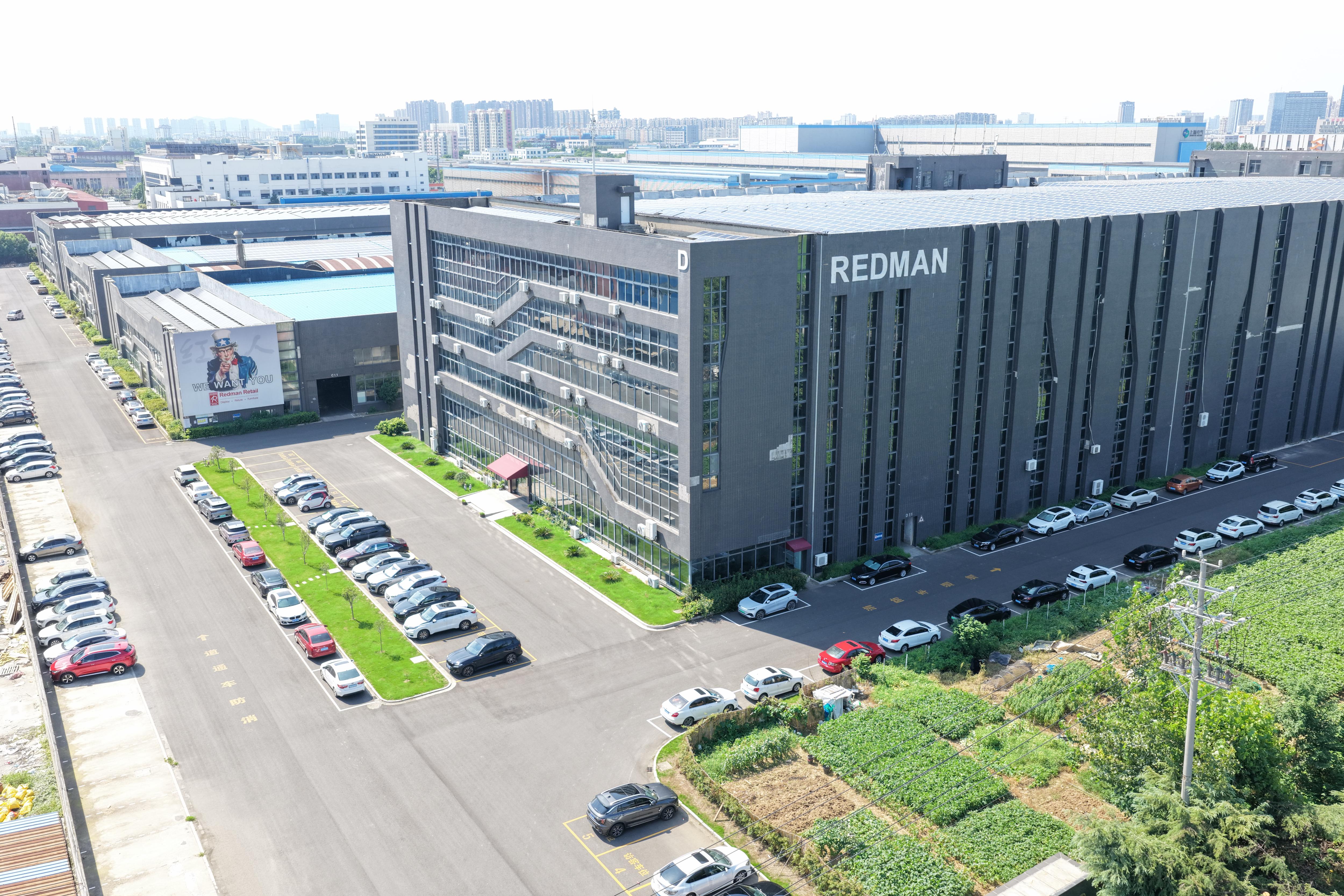
Retail display racks are not merely shelving; they are silent salespeople that shape brand perception and drive conversions. For sportswear retailers, where brick-and-mortar stores still capture 70.4% of the market, the choice of in-store display fixtures directly impacts customer experience and revenue. This article examines the engineering, customization, and market factors behind modern display racks, with a focus on solutions offered by Redman Corporation.
Problem & Opportunity: The Retail Display Challenge
Sportswear brands face a unique merchandising challenge: they need to present apparel, accessories, and footwear in a way that communicates performance, lifestyle, and brand identity—all within the constraints of limited floor space and high customer flow. Off-the-shelf shelving often fails to align with brand aesthetics or product dimensions, leading to cluttered layouts and missed upsell opportunities. The global retail shelving market was valued at USD 12.4 billion in 2025 and is projected to reach USD 25.6 billion by 2034, reflecting growing investment in customized, brand-specific display solutions.
Brand Solution: Redman's Custom Display Rack Portfolio
Redman Corporation, founded in 2002, specializes in designing, engineering, and manufacturing custom POP displays and store fixtures. Headquartered in Zhangjiagang, Jiangsu, China, the company operates a 550,000 Sqft (51,097 m²) facility with over 350 employees, including more than 50 technical engineers and 7 project managers. With an annual production capacity of 1,000+ containers and 95% of sales exported to the USA, Canada, Europe, the Middle East, and Australia, Redman serves leading retailers and brands globally.
The company offers three primary display rack categories, each tailored for different product densities and visual requirements:
- Custom Metal POP Display (RM-POP-001): Constructed from cold-rolled steel or stainless steel with powder coating and painting finishes. Supports loads of 50 kg to 200 kg and is suitable for high-traffic retail, supermarket, and department store environments.
- Custom Wood Store Fixture (RM-SF-001): Built from MDF, solid wood, plywood, metal, and acrylic, with melamine, veneer, or painted finishes. Ideal for brand stores and department stores where aesthetics are paramount.
- Plastic Display Rack (RM-PD-001): Manufactured from ABS, PS, and acrylic using injection molding and vacuum forming. Lightweight and cost-effective, suited for sportswear stores, convenience stores, and exhibitions.
All products support custom size, design, color, and logo printing, ensuring seamless integration with a brand's visual identity.
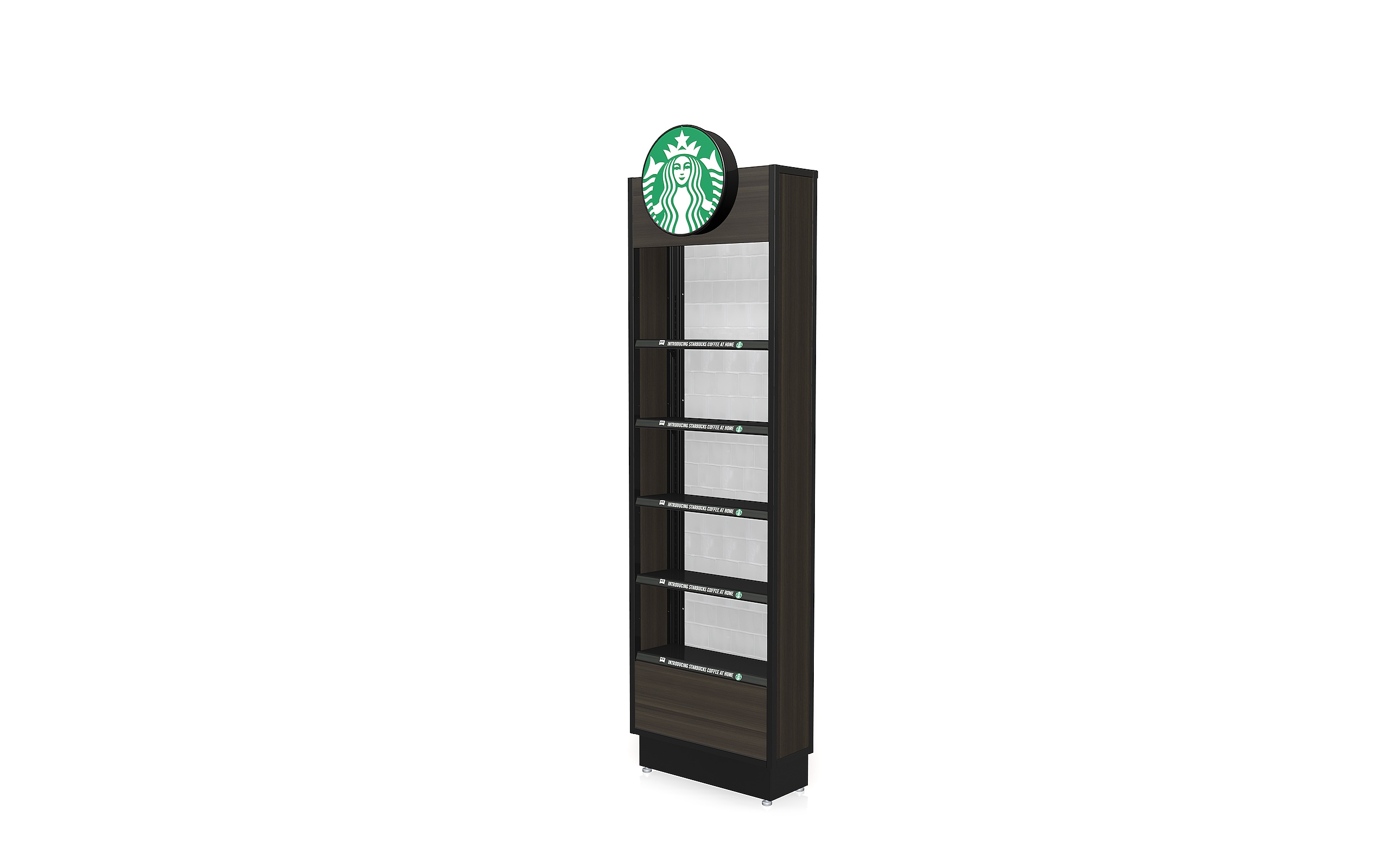
Custom Metal POP Display (RM-POP-001) – designed for high-load retail promotions.
Technical Capabilities: From Raw Material to Finished Fixture
Redman's integrated manufacturing spans metal, wood, plastic, painting, powder coating, and packaging workshops. For metal displays, cold-rolled steel is cut, formed, welded, and finished with a durable powder coating that resists scratches and fading. Wood fixtures undergo precision cutting, edge banding, and finish application (melamine, veneer, or paint). Plastic components are produced via injection molding or vacuum forming, enabling complex geometries for branded product slots.
The R&D team—over 50 engineers and 7 project managers—provides internal leadership for each project, ensuring that design intent is preserved through to production. This depth of technical staff allows Redman to handle complex requests such as integrated LED lighting, modular assembly, and foldable designs.
Application Scenarios: Where Display Racks Deliver Maximum Impact
Based on documented project types, Redman's display racks serve four primary environments:
- Retail Stores: 24/7 static display for brand in-store marketing and product merchandising. Customizable with interactive functions and load-bearing up to 200 kg to accommodate heavy footwear boxes or stacked apparel.
- Supermarkets: High customer flow settings require displays that are easy to assemble and disassemble while delivering clear promotional information (price tags, posters). Special adaptations for shelf specifications are available.
- Department Stores: Long-term static display with high-end appearance customization—wooden or metal fixtures with custom finishes and brand signage elevate the shopping experience across multiple categories.
- Exhibitions & Trade Shows: Short-term, portable displays that are quick to assemble and break down. Supporting equipment includes lighting systems and brand backdrops for maximum booth impact.
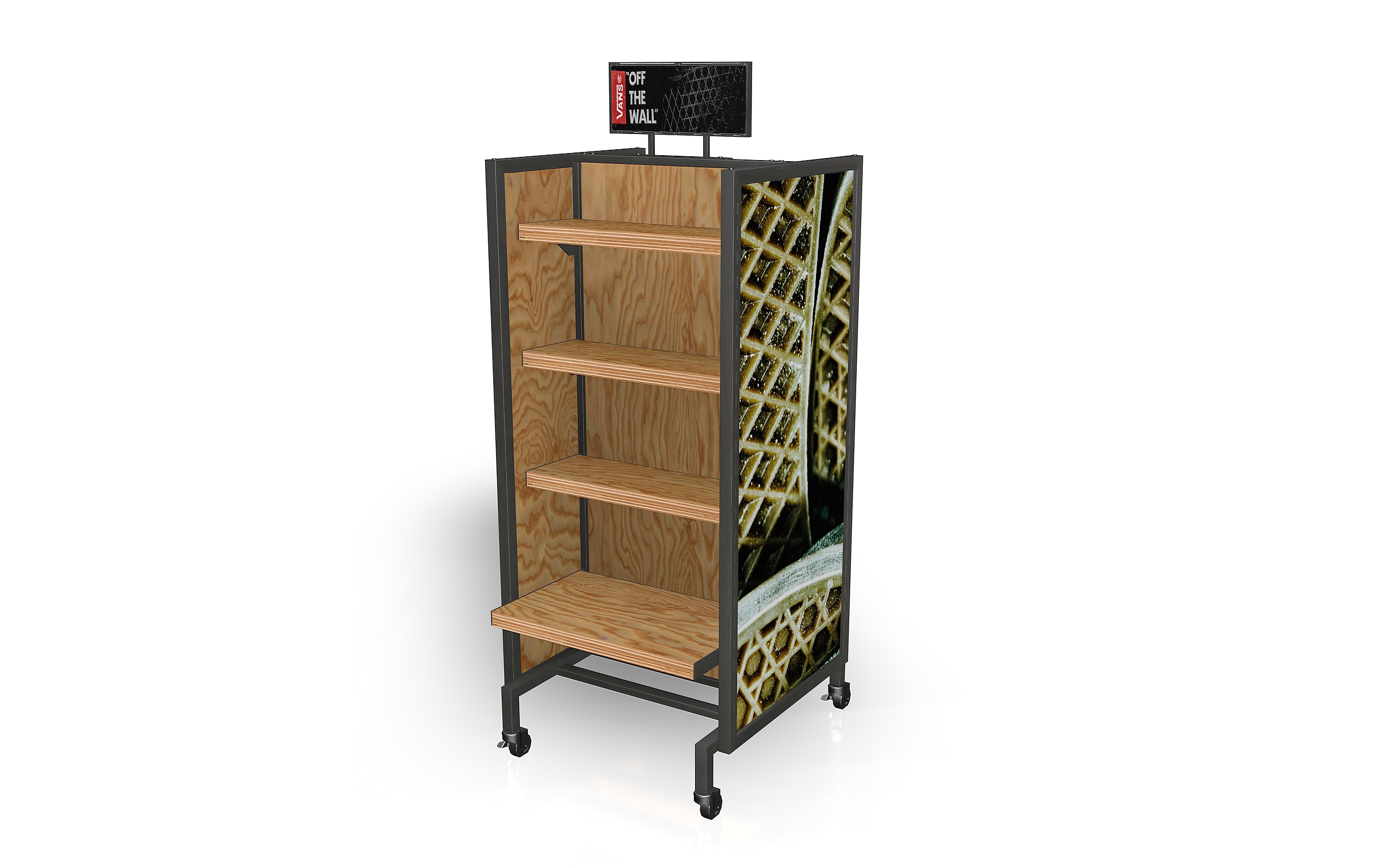
Custom Wood Store Fixture (RM-SF-001) – designed for premium department store displays.
Market Trend Analysis
Several trends are reshaping the display rack industry:
- Modular Systems Surge: Modular display racks saw a 34% year-over-year sales growth in the U.S. during 2024–2025, driven by retailers’ need for flexible floor layouts that can be reconfigured seasonally.
- Material Dominance: Steel remains the most used material in retail shelving, holding a 48.6% market share in 2024. However, wood and acrylic are growing in premium segments where aesthetics outweigh raw durability.
- Omnichannel Integration: With sportswear retail stores holding 70.4% of the distribution channel, brick-and-mortar fixtures are being designed to support click-and-collect, scannable QR codes, and digital price tags—blending physical and digital experiences.
- Sustainability Pressure: Brands are requesting recyclable materials (e.g., steel, certain plastics) and eco-friendly finishes, pushing manufacturers to invest in low-VOC powder coatings and FSC-certified wood sources.
Comparison with Traditional Solutions
Traditional gondola and floor-standing shelving systems (41.8% market share) offer standardized, high-volume storage at low per-unit cost. In contrast, custom POP displays from Redman provide:
- Advantages: Brand-specific aesthetics, optimal product presentation, integrated promotional graphics, and load capacities tailored to individual products (50–200 kg for metal displays).
- Limitation: Compared to mass-produced shelving, custom displays require more careful upfront planning to ensure seamless integration with existing store layouts and operational workflows.
Future Outlook
As retailers seek to differentiate in a crowded market, investment in custom display racks will continue to grow. Redman's combination of in-house metal, wood, and plastic workshops—backed by a 50-engineer R&D team—positions the company to address the rising demand for modular, brand-specific, and sustainably manufactured fixtures. The expansion of its Los Angeles warehouse further supports drop-shipping and just-in-time assembly for North American clients.
Download the Redman Corporate Brochure (PDF, 2026 Edition) – Includes full product specifications, case studies, and workshop details.
Frequently Asked Questions
- What materials can be used for a custom display rack?
- Redman offers three main material lines: metal (cold-rolled steel, stainless steel) with powder coating or painting; wood (MDF, solid wood, plywood) with melamine, veneer, or paint; and plastic (ABS, PS, acrylic) via injection molding or vacuum forming. Combinations such as wood-metal or metal-acrylic are also supported.
- Can I customize the size, design, and logo of a display rack?
- Yes. All Redman display racks (POP Display Stand, Store Fixture, Plastic Display Rack) support full customization of size, design, color, and logo printing. The design process is managed by an in-house team of over 50 technical engineers.
- What is the load capacity of the Custom Metal POP Display?
- The Custom Metal POP Display (RM-POP-001) has a load capacity range of 50 kg to 200 kg, depending on the selected steel thickness and structural design. This makes it suitable for heavy items such as footwear boxes or packaged equipment.