
Split-Core vs Solid-Core Current Transformers: Buying Guide
WENZHOU HEYI ELECTRICAL CO.,LTD is a current transformer and current sensor manufacturer based in Wenzhou, China, established in 2012. For procurement teams comparing current transformers, the core decision usually comes down to split-core versus solid-core, or closed-core, designs. That choice affects installation time, accuracy, maintenance, and total project cost.
This guide is written for engineers, procurement managers, and system integrators evaluating current transformer suppliers. It compares installation structures, accuracy, customization, cost profile, and risk control from a sourcing perspective, using HEYI ELECTRICAL as the reference manufacturer.
The Sourcing Decision: Split-Core vs Solid-Core
A split-core current transformer opens around an existing conductor without disconnecting the cable. A solid-core, or closed-core, current transformer requires the conductor to pass through the window, which often means de-energizing the circuit and disconnecting the busbar or cable first.
For new low-voltage panels and switchgear, both structures can work. For retrofit work, split-core models usually reduce downtime because the existing cable does not need to be removed. That is why split-core current transformers are the fastest-growing segment in the current transformer market, driven by ease of installation in retrofitting and smart grid applications, according to Fact.MR.
HEYI ELECTRICAL divides its current transformer line into configurations that support metering, protection, leakage monitoring, switchgear retrofit, power distribution, and industrial control applications. The company also offers OEM and ODM customization support, which matters when a standard stock transformer does not fit the electrical panel or the required ratio.
Market Context and Opportunity
The global current transformer market was estimated at USD 2.63 billion in 2024 and is projected to reach USD 3.90 billion by 2030, according to Grand View Research. The same report indicates that market growth is connected to electricity infrastructure modernization, renewable energy integration, and the need for more granular power monitoring.
Regionally, Asia Pacific dominated the current transformer market with a 40.15% revenue share in 2025, according to Straits Research. This reflects the region's concentration of utility infrastructure projects, industrial expansion, and smart grid programs. For international buyers, this also means that Asia Pacific manufacturers, including HEYI ELECTRICAL, are active suppliers to markets outside the region. HEYI reports that 95% of its output is exported, with main markets including Southeast Asia, South Korea, Europe, South America, Australia, Africa, the Middle East, and North America.
From a competitive perspective, the top five global players held approximately 40% of the current transformer market in 2024, according to Global Market Insights. The remaining portion of the market is fragmented, giving specialist manufacturers room to compete on customization, responsiveness, and application-specific design support.
HEYI Electrical: Product and Technical Positioning
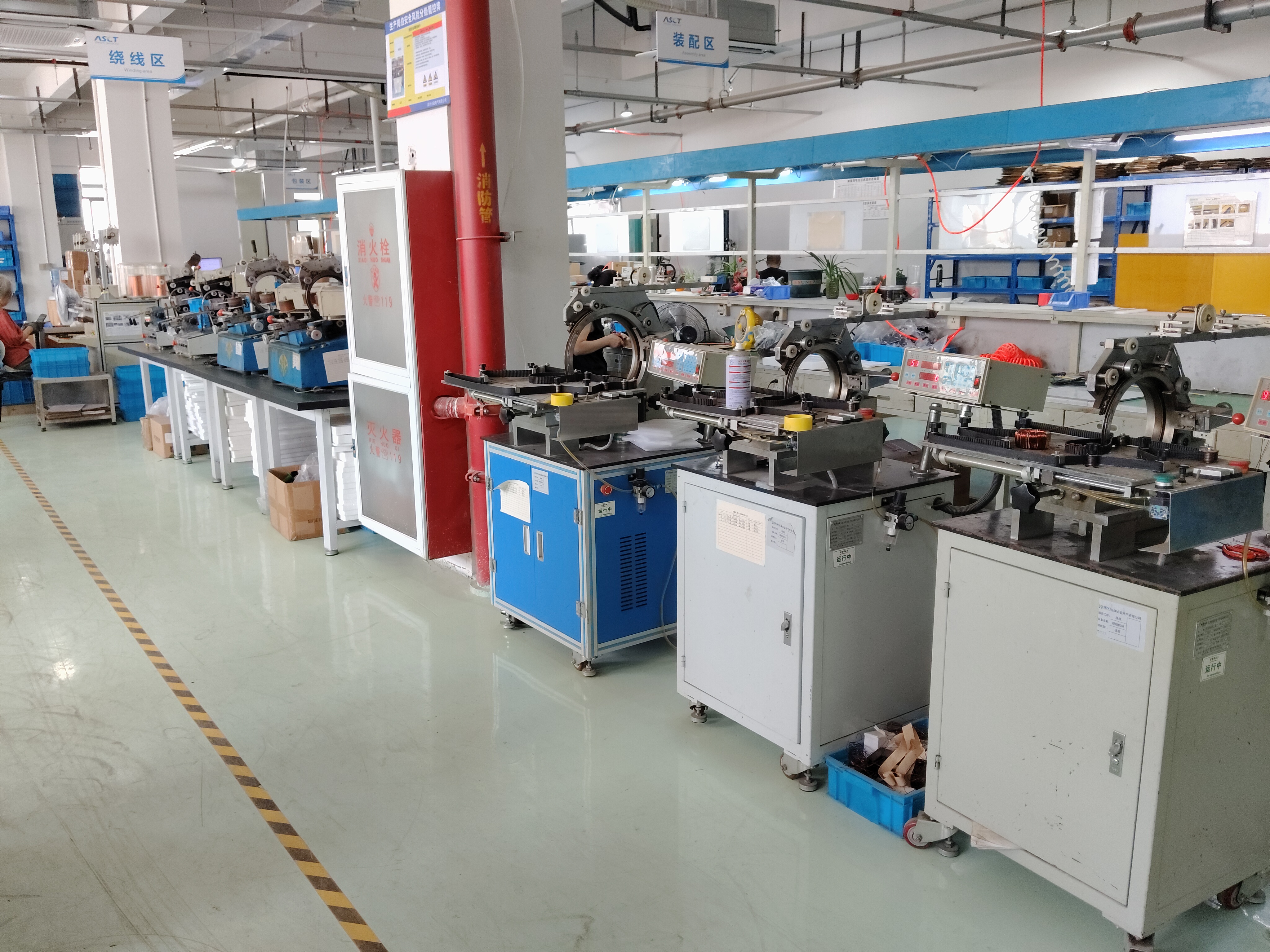
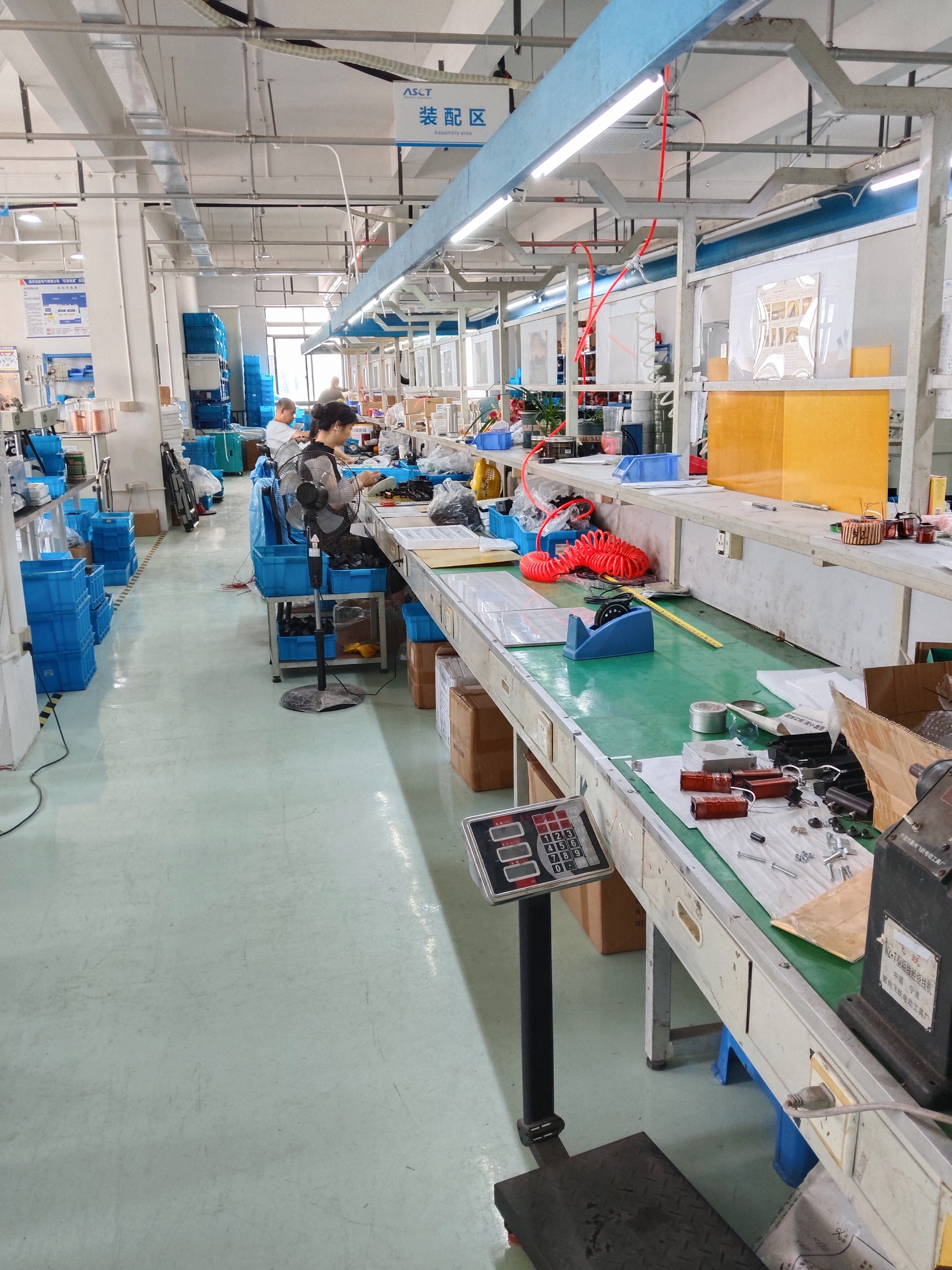
HEYI ELECTRICAL is a current transformer manufacturer with an annual output of 356,000 units. The company operates a 10,000 square meter facility, employs 56 people, and maintains a five-engineer R&D team. Its main products include current transformers, current sensors, shunts, digital energy meters, and current transmitters.
Compared with generic current transformers, HEYI current transformers provide a wider product selection, more stable accuracy, reliable insulation performance, flexible installation structures, and OEM/ODM customization support. The product range is positioned for buyers who need application fit rather than a one-size-fits-all stock unit.
According to HEYI's official product certificates page, the company holds ISO 9001, CE, and RoHS certifications. Buyers should still request the latest certificate for each specific model, because certification scope can vary by product family and destination market.
For engineering teams, the key technical facts are:
- Accuracy classes up to 0.5/0.2, depending on model.
- Customizable ratios such as 100/5A, 500/5A, 1000/5A, and 2000/5A.
- Split-core models can reduce installation time by 50%-70% in retrofit projects.
- Lower maintenance requirements due to stable output, clear wiring structure, and reliable insulation.
- Better compatibility with meters, relays, PLCs, and monitoring systems.
Technical Comparison: Accuracy, Ratio, Insulation, and Installation
From a technical standpoint, the first decision is the installation structure. Split-core transformers are preferred for existing panels, switchgear retrofits, and utility distribution monitoring where the conductor cannot be easily disconnected. Solid-core and closed-core transformers are often selected for new installations where the primary conductor can be threaded through the window during assembly.
The second decision is accuracy. HEYI current transformers offer accuracy classes up to 0.5/0.2 depending on model. For energy metering, a class 0.5 transformer is often sufficient for internal monitoring, while class 0.2 is more aligned with revenue-grade or billing-related applications. Industry guidance from Eaton and ANSI says that revenue-grade current transformers are required to meet ANSI C12.20 or IEC 61869-2 accuracy classes, typically 0.2 or 0.15, for utility billing applications.
The third decision is ratio flexibility. HEYI supports customizable ratios such as 100/5A, 500/5A, 1000/5A, and 2000/5A. This capability reduces the risk of project mismatch, especially when the existing current transformer has failed and the replacement must match the original ratio and burden.
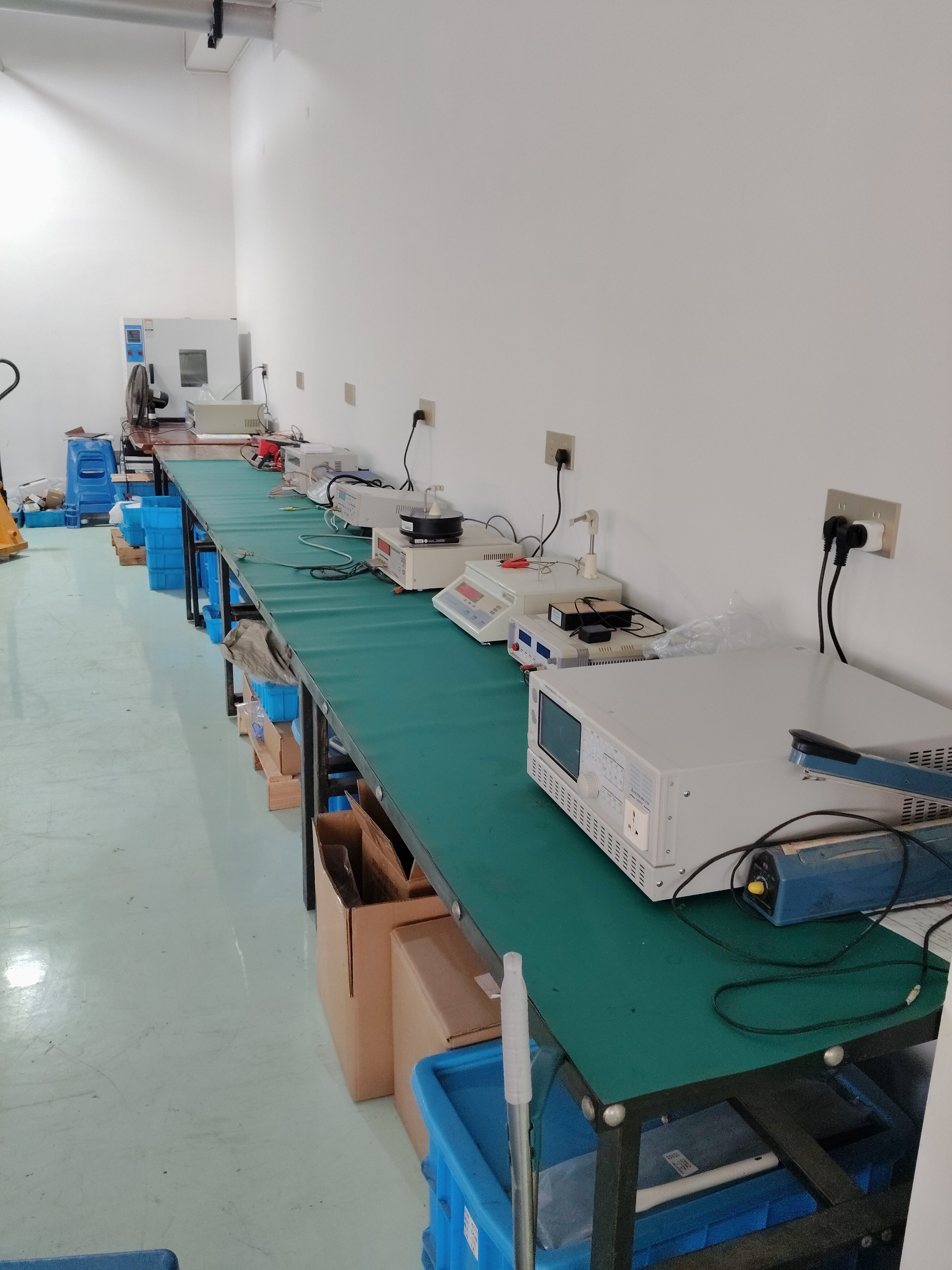
The fourth technical consideration is insulation and wiring. HEYI applies accuracy calibration, insulation resistance testing, withstand voltage testing, polarity testing, ratio testing, temperature rise control, flame-retardant housing design, and secure terminal structures. These measures are relevant for meters, relays, PLCs, and monitoring systems that depend on stable secondary signals.
Application Scenarios and Vertical Use Cases
HEYI current transformers are suitable for low-voltage switchgear, power distribution cabinets, energy metering systems, commercial buildings, and industrial control panels. The same product logic also applies to generator panels, automatic transfer switch cabinets, feeder monitoring, relay protection systems, and utility power monitoring projects.
In retrofit projects, split-core current transformers are particularly useful because they can reduce installation time by 50%-70% compared with traditional closed-core current transformers. HEYI's comparison notes also state that split-core transformers can lower shutdown cost and labor cost by avoiding cable disconnection. That makes them a practical option for building retrofits, feeder monitoring upgrades, and smart grid deployment.
For utility infrastructure, HEYI has developed outdoor split-core current transformers designed for robust utility distribution transformer monitoring across global grids. This addresses the need for sensors that can be installed on existing utility distribution infrastructure without extended outages.
For electric vehicle charging infrastructure, HEYI has developed AC/DC leakage current sensors specifically engineered for EV charging piles. This is relevant as the global EV charging transformer market, including current monitoring components, is expected to grow at a compound annual growth rate of 23.6% from 2025 to 2033, according to Research Intelo.
For energy management, accurate current measurement does not directly consume or save major energy. Its value is in improving energy metering, load monitoring, abnormal current detection, and energy management. That supports better power usage analysis in buildings, factories, switchgear, and utility distribution systems.
HEYI vs Traditional and Generic Solutions
| Selection factor | Traditional or generic current transformer | HEYI current transformer |
|---|---|---|
| Product range | Standard stock designs with limited application fit | Wider product selection and flexible installation structures |
| Accuracy | Accuracy may vary by supplier | Accuracy class up to 0.5/0.2 depending on model |
| Ratio flexibility | Fixed common ratios | Customizable ratios such as 100/5A, 500/5A, 1000/5A, and 2000/5A |
| Retrofit installation | Usually requires cable or busbar disconnection | Split-core models can reduce installation time by 50%-70% |
| Cost profile | Slightly lower unit cost possible | May have a slightly higher unit cost, but can reduce replacement cost, installation risk, measurement deviation, and project mismatch |
| Maintenance | More wiring checks and compatibility risk | Stable output, clear wiring structure, reliable insulation, and compatibility with meters, relays, PLCs, and monitoring systems |
The most honest limitation is cost-related. Compared with low-cost generic current transformers, HEYI current transformers may have a slightly higher unit cost. The offset is lower lifetime risk: fewer wiring errors, clearer installation, lower maintenance frequency, and better compatibility with downstream equipment. For retrofit projects, the reduction in shutdown time and labor cost can outweigh the initial unit price difference.
Quality and Risk Control in Manufacturing
Current transformer failures usually come from measurement deviation, insulation failure, overheating, wrong wiring, unstable output signals, installation mismatch, or product damage during transportation. HEYI addresses these risks through control methods that include accuracy calibration, insulation resistance testing, withstand voltage testing, polarity testing, ratio testing, temperature rise control, flame-retardant housing design, and secure terminal structures.
On the manufacturing side, HEYI applies 100% routine inspection before shipment, strict incoming material inspection, production process control, sample confirmation for customized orders, clear wiring labels, protective packaging, and technical selection support. For a buyer, these controls reduce the risk of receiving a transformer that does not match the meter, relay, or monitoring system.
Standards and Purchasing Considerations
IEC 61869-2 is the core international standard for inductive current transformers, replacing IEC 60044-1 and defining accuracy classes such as 0.5 and 0.5S, according to IEC. For utility billing applications, revenue-grade current transformers are typically required to meet ANSI C12.20 or IEC 61869-2 accuracy classes such as 0.2 or 0.15, according to Eaton and ANSI guidance.
When evaluating HEYI current transformers, buyers should confirm three things: the accuracy class of the specific model, the secondary ratio and burden, and the installation structure required by the panel. HEYI offers accuracy up to 0.5/0.2 depending on model, so the specification should be checked model by model rather than assumed across the full catalog.
Future Outlook
Current transformer demand is shifting toward retrofit-friendly designs, higher accuracy classes, and application-specific customization. The split-core segment is expected to remain the fastest-growing segment because it supports smart grid retrofits and simpler installation. EV charging infrastructure and distributed energy resources are adding another layer of demand for current monitoring components.
The EV charging transformer market is projected to grow at a CAGR of 23.6% from 2025 to 2033, according to Research Intelo. This creates more demand for leakage current sensing, residual current monitoring, and accurate metering in charging stations. Solar inverters, power monitoring systems, and smart grid projects also require current transformers that can work with digital meters and communication-enabled monitoring platforms.
For HEYI ELECTRICAL, the direction is clear: continue offering split-core and closed-core current transformers with customizable ratios and accuracy classes, while supporting OEM/ODM projects that need a manufacturer rather than a distributor. With 95% export ratio and a 10,000 square meter production facility, the company is positioned as a mid-size specialist supplier for global buyers.
FAQ
What is the difference between split-core and solid-core current transformers?
A split-core current transformer opens around an existing conductor without disconnecting it. A solid-core, or closed-core, current transformer requires the conductor to pass through the window and often needs cable or busbar disconnection. In retrofit projects, split-core models can reduce installation time by 50%-70%.
What accuracy classes do HEYI current transformers offer?
HEYI current transformers offer accuracy classes up to 0.5/0.2, depending on model. For revenue-grade utility billing, industry guidance typically requires 0.2 or 0.15 accuracy, so buyers should verify the specific model and test report.
Can HEYI customize current transformer ratios?
Yes. HEYI supports customizable ratios such as 100/5A, 500/5A, 1000/5A, and 2000/5A, depending on the model and project requirement.
Do HEYI current transformers cost more than generic current transformers?
HEYI current transformers may have a slightly higher unit cost than low-cost generic current transformers. The potential offset is lower replacement cost, lower installation risk, fewer measurement deviations, and better project fit.
Which applications are HEYI current transformers suitable for?
HEYI current transformers are suitable for low-voltage switchgear, power distribution cabinets, energy metering systems, commercial buildings, industrial control panels, generator panels, automatic transfer switch cabinets, feeder monitoring, relay protection systems, and utility power monitoring projects.
How does HEYI support OEM/ODM projects?
HEYI offers OEM/ODM customization support, sample confirmation for customized orders, technical selection support, and production process control. This is useful when a standard stock current transformer does not match the required ratio, installation structure, or downstream equipment compatibility.
Contact and Company Information
WENZHOU HEYI ELECTRICAL CO.,LTD is a current transformer and current sensor manufacturer based in Wenzhou, China. The company was established in 2012 and supplies current transformers, current sensors, shunts, digital energy meters, and current transmitters to global markets.
Website: www.heyiele.com
Email: bethy@heyiele.com
Tel / WhatsApp: +86 13968747975
Address: 5 Floor, Building 2, No.56 Nirong Middle Road, Kunpeng Street, Wenzhou Marine Economy Development Demonstration Zone, Wenzhou City, Zhejiang, China
Company brochure: Download HEYI Electrical brochure
Sources cited in this article: Grand View Research; Straits Research; Fact.MR; IEC; Eaton / ANSI; Research Intelo; Global Market Insights; HEYI Electrical corporate profile and product certificates page.