
Specifying Polyester Polyol: XINFA's Certified Grades
Specifying Polyester Polyol: XINFA's Certified Grades
Polyester polyol procurement is shifting from relationship-based sourcing to specification-led sourcing. For foam manufacturers, insulation contractors, and panel producers in the research and evaluation phase, the practical questions are no longer limited to price and availability; they now centre on measurable parameters such as hydroxyl value, acid value, moisture content, and viscosity, and on the management-system certifications that back those numbers. This article examines how XINFA positions its polyester polyol range for buyers who need documented grade data and certified production.
XINFA is the brand name used by Hengshui Xinfa Polyurethane Materials Co., Ltd., a high-tech enterprise established in 2010 and located in the Salt Chemical Circular Economy Park in Jizhou City, Hebei Province, China. The company specializes in the research, development, production, and sales of polyurethane materials and polyester polyol, covering a factory area of 25,000 square metres with more than 60 employees, including 13 management and R&D technicians. Its main products are exported to the Middle East, India, Pakistan, Southeast Asia, Central Asia, Europe, North America, and South America.
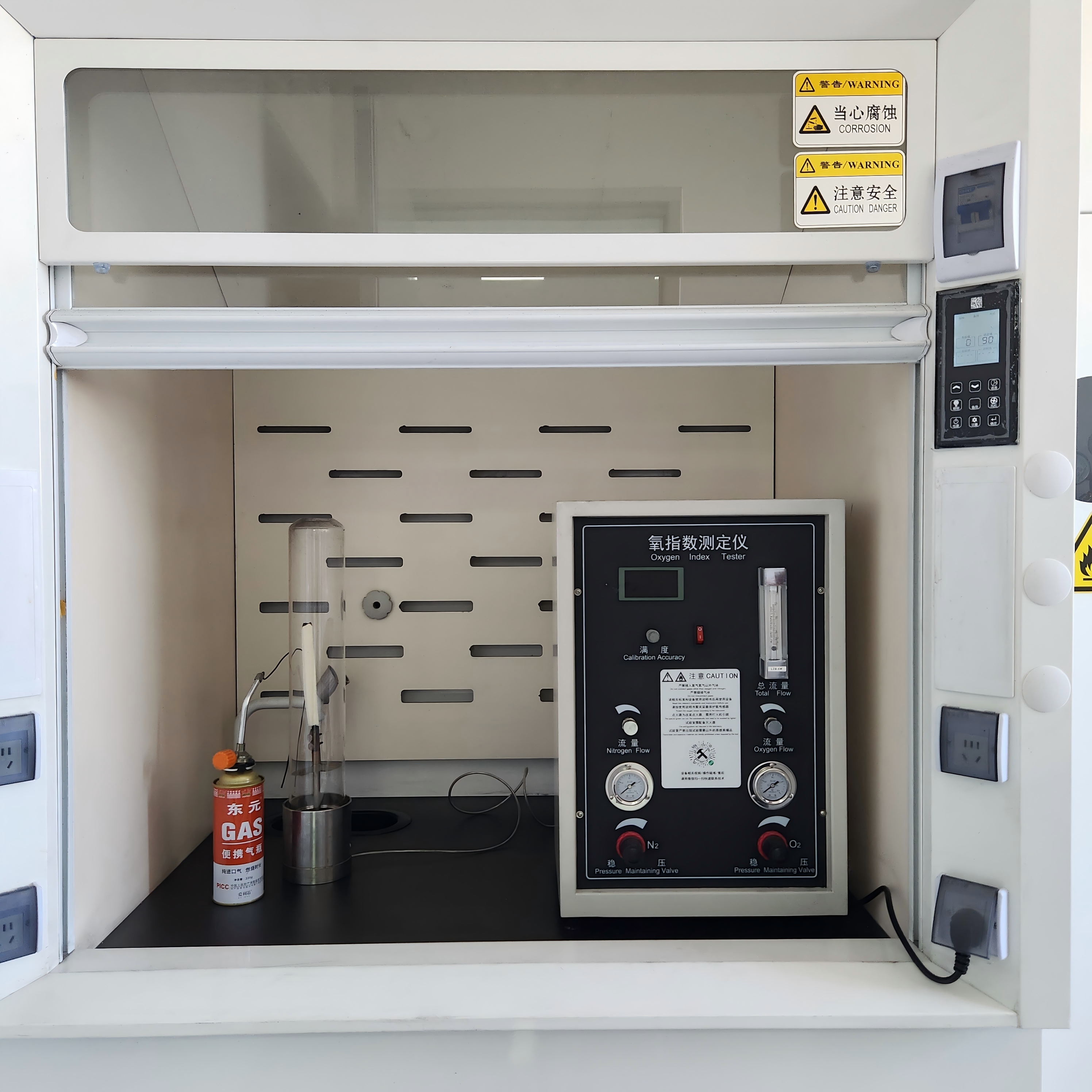
Why Specifications and Certifications Decide Supplier Shortlists
For procurement teams evaluating polyester polyol suppliers, the category's complexity creates a documentation challenge. Polyester polyol is not a single product but a family of oligomeric materials built from combinations of phthalic anhydride (PA), purified terephthalic acid (PTA), adipic acid (AA), diethylene glycol (DEG), and glycerine. Different building blocks and stoichiometries produce grades with deliberately different hydroxyl values, acid values, moisture ceilings, and viscosity windows, each matched to a different end application.
The opportunity for buyers is that a single documented portfolio can replace multiple single-grade supplier relationships. The challenge is verifying that the published numbers are supported by a certifiable production system. This is where the distinction between a trader and a manufacturer matters. XINFA operates modern production workshops, R&D centres, and a complete system of environmental protection facilities. The company has introduced more than 30 sets of intelligent equipment and achieved a large-scale production capacity of 50,000 tons of polyester polyol series products annually. By integrating manufacturing with its wholly-owned subsidiary Hebei Xinshe Technology Co., Ltd., which specializes in the import and export of polyurethane materials and catalysts, XINFA runs a combined model of domestic intelligent manufacturing plus global trade.
XINFA's Certified Polyester Polyol Portfolio at a Glance
XINFA's polyester polyol range spans eight functional series, covering spraying foam, sandwich panels, PIR systems, pipe insulation, home appliances, adhesives, mining applications, high-water-based systems, high-flame-retardant systems, and controlled-release fertilizer coatings. The table below summarizes the grades and their published specification windows.
| Product Series | Models | Key Parameter Range (Hydroxyl Value / Acid Value / Moisture / Viscosity at 25°C) |
| Other Types Polyester Polyol (Spraying Foam & Sandwich Panels) | XF-235; NXF-400 | XF-235: 230–245 mgKOH/g; ≤2.0; ≤0.15%; 10,500±1,500 cP. NXF-400: 400±20 mgKOH/g; ≤2.0; ≤0.15%; 3,000±1,000 cP. |
| Phthalic Anhydride Polyester Polyol | XF-3152; XF-2412; XF-1752; XF-2002 | 175–315 mgKOH/g; ≤1.0–2.0; ≤0.1%; up to 10,000–30,000 cP (XF-2002) |
| High Flame Retardant Polyester Polyol | XF-2007; XF-250P; XF-235P; XF-240P | 200–260 mgKOH/g; ≤1.5–2.0; ≤0.1–0.15%; 3,000–15,000±3,000 cP |
| Pentane System Polyester Polyol | XF-435; XF-390; XF-360; XF-2402N; XF-2020 | 200–500±50 mgKOH/g; ≤1.5–3.0; ≤0.1–0.15%; 1,500–10,000±2,000 cP |
| High Water-based Polyester Polyol | XF-2003; XF-2006; XF-3153; XF-315G; XF-300W | 170–315±15 mgKOH/g; ≤0.5–2.0; ≤0.1%; 1,500–3,000±500 cP |
| Polyester Polyol for Adhesive | XF-Z; XF-280 | XF-Z: 60±5 mgKOH/g; ≤5.0; ≤0.15%; 10,000±2,000 cP. XF-280: 280±20 mgKOH/g; ≤3.0; ≤0.1%; 15,000–2,000 cP. |
| Polyester Polyol for Controlled-release Fertilizer Coating Agent | XF-270; XF-B-3; XF-B-4 | 260±10 to 370±20 mgKOH/g; ≤3.0; ≤0.1–0.15%; 3,000–3,500±500 cP |
| Polyester Polyol for Mining | KXF-350; KXF-280 | 280±15 to 350±20 mgKOH/g; ≤1.5–2.0; ≤0.1%; 1,000±200 to 1,500±500 cP |
Technical Parameters and Their Practical Meaning
For polyurethane formulation engineers, four parameters determine whether a polyester polyol grade will perform in a given system.
Hydroxyl value is the primary reactivity indicator. Higher hydroxyl values, such as 400–500 mgKOH/g in NXF-400 or XF-435, contribute to higher crosslink density and firmer rigid foams, while lower values around 60 mgKOH/g in XF-Z are designed for adhesive systems where flexibility and open time matter more. XINFA publishes tight hydroxyl windows, typically ±10 to ±20 mgKOH/g depending on the grade, which gives formulators a predictable basis for isocyanate index calculations.
Acid value affects catalyst consumption and hydrolysis resistance. XINFA's portfolio keeps acid values low, generally ≤0.5 to ≤3.0 mgKOH/g depending on the series. The high-water-based series specifies acid values as low as ≤0.5 mgKOH/g in XF-2006, which is relevant for systems where residual acidity can interfere with water-blown reactions. For controlled-release fertilizer coating grades, acid value limits of ≤3.0 mgKOH/g balance coating durability with processing stability.
Moisture content is a critical specification because water acts as a chemical blowing agent in polyurethane systems. Uncontrolled moisture shifts foam density and cell structure. XINFA sets moisture ceilings at ≤0.1% to ≤0.15% across its polyester polyol series, providing a consistent baseline for foam reproducibility.
Viscosity determines pumping, mixing, and sprayability. The portfolio is intentionally spread across viscosity windows: lower-viscosity grades such as KXF-280 at 1,000±200 cP suit mining injection applications, mid-range grades such as XF-3153 at 1,800±500 cP support spray foam equipment, and higher-viscosity grades such as XF-2002 at 10,000–30,000 cP are used where extended flow control is needed, including wood-imitation and certain casting applications.
Certification System Behind the Parameters
Published parameters are only credible when the production system behind them is independently certified. XINFA holds three management-system certifications issued by Beijing United Intelligence Certification Co., Ltd., covering the production of oligomeric polyester polyols.
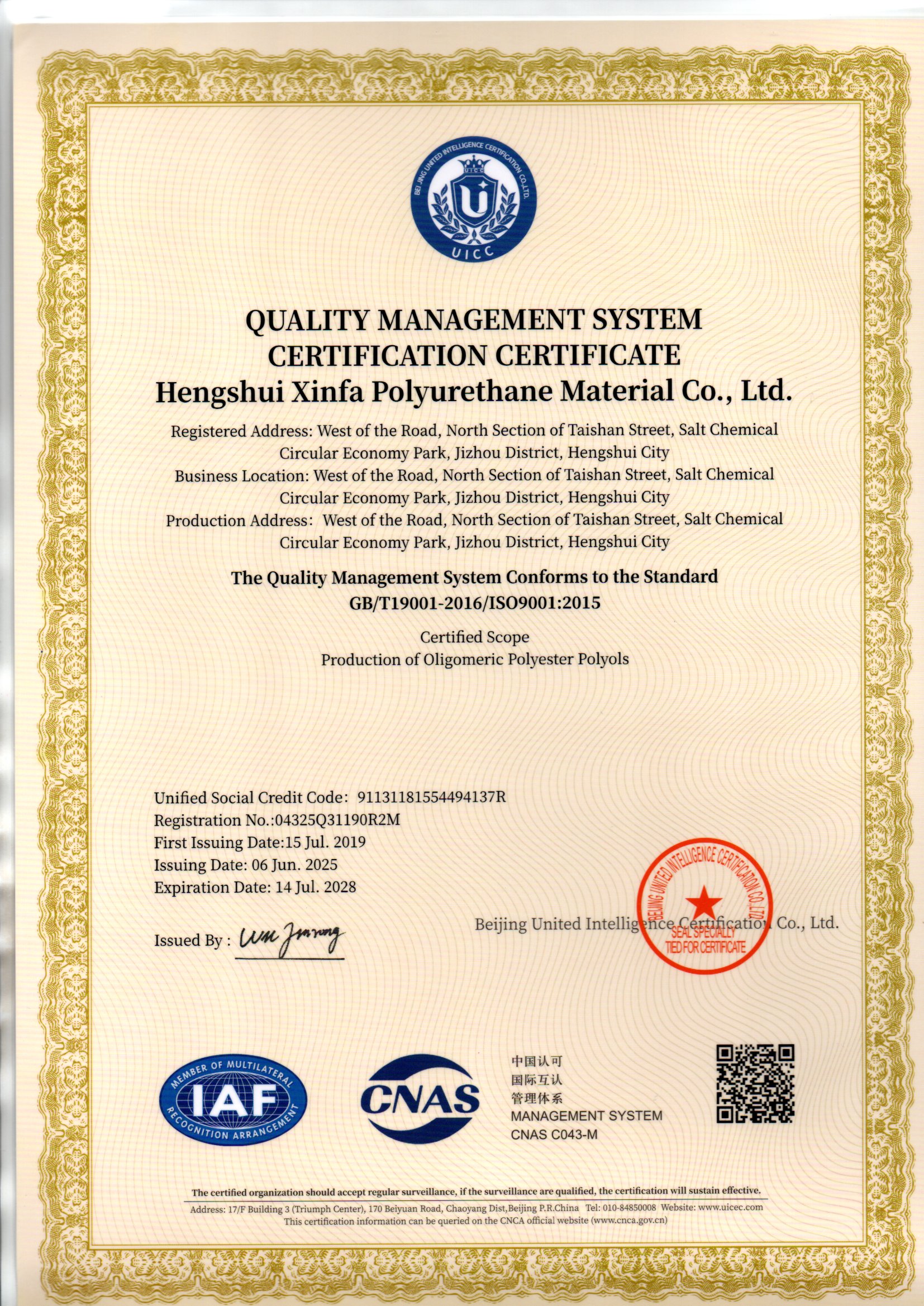
ISO 9001:2015 — Quality Management System, certificate number 04322Q31390R1S. The applicable standard is GB/T19001-2016 / ISO 9001:2015. The certification scope is the production of oligomeric polyester polyols. It was issued on 2025-06-06 and is valid until 2028-07-14.
ISO 14001:2015 — Environmental Management System, certificate number 04326E01332R101. The applicable standard is GB/T 24001-2016 / ISO 14001:2015. The scope covers the production of oligomeric polyester polyols and related management activities. It was issued on 2026-06-15 and is valid until 2029-06-14.
ISO 45001:2018 — Occupational Health and Safety Management System, certificate number 04326S01211R101. The applicable standard is GB/T 45001-2020 / ISO 45001:2018. The scope is identical to the environmental certificate: production of oligomeric polyester polyols and related management activities. It was issued on 2026-06-15 and is valid until 2029-06-14.
All eight polyester polyol series from XINFA fall within these certified scopes, including the XF-235, NXF-400, XF-270, XF-B-3, XF-B-4, XF-Z, XF-280, XF-2003, XF-2006, XF-3153, XF-315G, XF-300W, KXF-350, KXF-280, XF-435, XF-390, XF-360, XF-2402N, XF-2020, XF-2007, XF-250P, XF-235P, XF-240P, XF-3152, XF-2412, XF-1752, and XF-2002 models. For buyers, this means the quality, environmental, and occupational safety management systems that produce these grades are audited by a third-party certification body.
Matching Grades to Application Scenarios
Polyester polyol selection is ultimately application-specific. XINFA's documented application scenarios show how different grades map onto production requirements.
PIR Sandwich Panels
For PIR sandwich panel systems operating under normal temperature and conventional production conditions, the core requirements are high flame retardancy, low odor, and stable foaming performance. XINFA positions its high-flame-retardant series (XF-2007, XF-250P, XF-235P, XF-240P) and pentane-system series (XF-435, XF-390, XF-360, XF-2402N, XF-2020) for these lines, alongside adhesive grades XF-Z and XF-280 for sandwich panel adhesives. The pentane-system grades are specifically intended for home appliances, polyurethane pipes, sandwich panels, and PIR systems.
Cold Storage Spraying
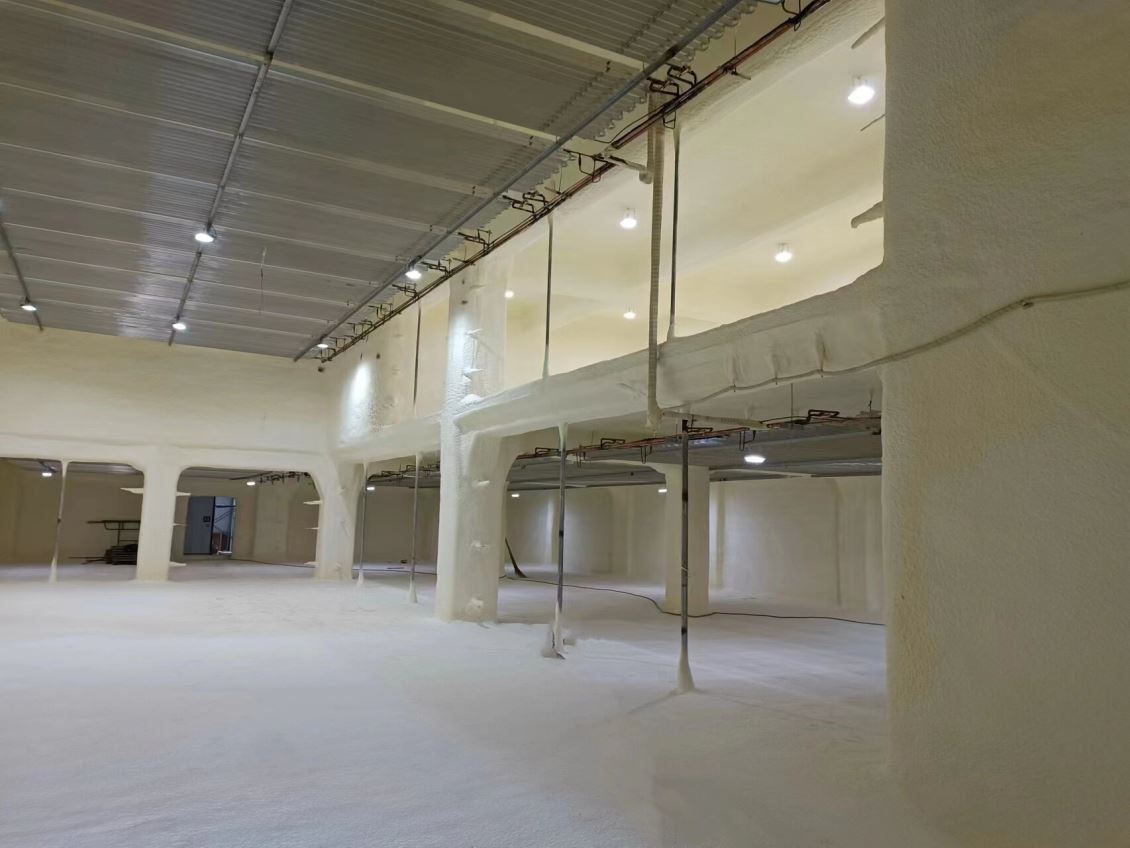
Cold storage insulation is typically applied with spraying coating machines operating 24/7. The special requirements are low-temperature foaming stability, high thermal insulation efficiency, and low thermal conductivity. XINFA's applicable product range for this scenario includes the XF-235 and NXF-400 general-purpose grades, the high-water-based series (XF-2003, XF-2006, XF-3153, XF-315G, XF-300W), the phthalic anhydride series (XF-3152, XF-2412, XF-1752, XF-2002), and the high-flame-retardant series for PIR spraying insulation.
Construction Insulation
In building insulation systems applied with spraying machines, the documented requirements are high flame retardancy, low odor, and stable foaming performance. XINFA assigns the same cluster of phthalic anhydride, high-flame-retardant, pentane-system, and high-water-based grades to construction projects, with XF-3152 and XF-2412 explicitly listed for spraying insulation and polyurethane pipe applications.
Supply Capability and Verified References
Beyond specifications and certificates, buyers in the evaluation stage need evidence of production capacity and sustained supply. XINFA's manufacturing capability includes a monthly output of 4,000 metric tons for polyester polyol, a standard lead time of 15–20 days, a minimum order quantity of 1 metric ton, and 100% testing as the quality control protocol. The company supports OEM/ODM production modes, with after-sales support that includes technical assistance and product training.
Two documented references illustrate application continuity. A spraying foam industry client in Poland has maintained a 500-metric-ton supply relationship over two years, with stable operation across wall spraying, insulation boards, soundproof flooring, leak-proof pipelines, and composite materials. The stated performance highlights include high mechanical strength, high wear resistance, resistance to high and low temperature cycling, resistance to hydrolysis, and aging resistance. An insulation industry client in India has purchased 100 metric tons over two years for insulation applications, citing high strength and density, excellent thermal conductivity, fire retardancy, and structural support of pipelines.
Market Context for Certified Polyester Polyol
The specification-based approach to polyester polyol sourcing aligns with the broader market direction. According to Grand View Research, the global polyester polyol market was estimated at USD 9,654.2 million in 2024 and is projected to reach USD 15,033.3 million by 2033. Asia Pacific dominated the market with a 43.7% revenue share in 2024, with China expected to grow at the highest CAGR of 5.2% through 2033.
Within the category, aromatic polyester polyols hold a structurally important position. Persistence Market Research estimates the global aromatic polyester polyols market at USD 1.9 billion in 2026, projected to grow at a CAGR of 5.9% to USD 2.8 billion by 2033. Regulatory drivers also support rigid insulation demand: the EU Energy Performance of Buildings Directive (EU) 2024/1275 is identified as a key volume anchor for polyester polyols used in rigid PU and PIR insulation applications.
The adjacent catalyst market shows similar momentum. The global polyurethane catalyst market was valued at USD 2.46 billion in 2024, with amine catalysts, including TEDA, leading at a 28.6% revenue share. The Triethylenediamine (TEDA) market itself was estimated at USD 0.74 billion in 2024, with a projected CAGR of 5.1% to USD 1.22 billion by 2034. For buyers sourcing polyester polyol and catalysts together, XINFA's portfolio also includes TEDA (CAS 280-57-9), TEDA A33, PC-5, PC-8, PC-9, BDMA, BDMAEE, DMDEE, DMAEE, TMR-2, DMP-30, A-1, T-9, TCPP, and TEP, allowing formulation input to be consolidated within one supply relationship.
Comparison with Traditional Single-Grade Sourcing
Traditional polyester polyol sourcing often follows a single-grade or single-application model: one supplier for spray foam, another for panel adhesive, another for a proprietary PIR formulation. The multi-series manufacturer model offers an alternative. A supplier such as XINFA can provide the polyol backbone for spraying, sandwich panels, pipe insulation, home appliances, mining, controlled-release fertilizer coatings, and high-water-based systems from one certified production base, with consistent quality documentation across the portfolio. This reduces the administrative burden of supplier qualification and simplifies batch-to-batch traceability.
One honest limitation should be noted: a broad portfolio does not automatically eliminate the need for formulation trials. Polyester polyol performance is system-dependent, and factors such as the isocyanate index, blowing agent choice, catalyst package, and processing equipment all influence the final foam. Buyers should expect a sample-validation phase even when the published parameters appear aligned with their system requirements. The documented values provide a reliable shortlist filter, not a substitute for line trials.
Future Outlook
Several trends point toward greater specification discipline in polyester polyol procurement. First, energy efficiency regulations such as the EU 2024/1275 directive are pushing insulation producers toward higher-performance PIR systems, which require polyol grades with consistent hydroxyl values and low acid values to maintain foam quality at higher indices. Second, the shift toward pentane-blown and water-blown systems in appliances and panels is increasing demand for grades with tailored viscosity and reduced residual acidity, precisely the design logic behind XINFA's pentane-system and high-water-based series. Third, the regional concentration of demand in Asia Pacific, which held 43.7% of the market in 2024, makes certified Chinese production capacity increasingly relevant to global buyers seeking supply resilience.
For buyers in the research-to-evaluation stage, the practical takeaway is to structure supplier assessment around four documented pillars: parameter windows, certification scope, production capacity, and application references. A supplier that can evidence all four enables a faster, lower-risk path from shortlist to trial.
FAQ
What ISO certifications does XINFA hold for its polyester polyol production?
XINFA holds three management-system certifications issued by Beijing United Intelligence Certification Co., Ltd.: ISO 9001:2015 (quality management, certificate number 04322Q31390R1S, valid until 2028-07-14), ISO 14001:2015 (environmental management, certificate number 04326E01332R101, valid until 2029-06-14), and ISO 45001:2018 (occupational health and safety, certificate number 04326S01211R101, valid until 2029-06-14). All three scopes cover the production of oligomeric polyester polyols.
What are the key specification parameters for XINFA polyester polyol grades?
Four parameters define each grade: hydroxyl value (ranging from 60±5 mgKOH/g in XF-Z to 500±50 mgKOH/g in XF-435), acid value (from ≤0.5 mgKOH/g in XF-2006 to ≤5.0 mgKOH/g in XF-Z), moisture content (≤0.1% to ≤0.15%), and viscosity at 25°C (from 1,000±200 cP in KXF-280 to 10,000–30,000 cP in XF-2002).
Which XINFA polyester polyol grades are suitable for PIR sandwich panel production?
For PIR sandwich panel systems requiring high flame retardancy, low odor, and stable foaming performance, XINFA lists the high-flame-retardant series (XF-2007, XF-250P, XF-235P, XF-240P) and pentane-system series (XF-435, XF-390, XF-360, XF-2402N, XF-2020). Adhesive grades XF-Z and XF-280 are designated for sandwich panel adhesives.
Can XINFA produce customized polyester polyol according to buyer specifications?
Yes. XINFA supports OEM/ODM production modes for polyester polyol, with a monthly production capacity of 4,000 metric tons, a 15–20 day lead time, a minimum order quantity of 1 metric ton, and 100% testing as its quality control protocol.
What application references does XINFA have for polyester polyol?
Documented references include a spraying foam industry client in Poland with a 500-metric-ton, two-year supply relationship, and an insulation industry client in India with a 100-metric-ton, two-year relationship. The Poland application spans wall spraying, insulation boards, soundproof flooring, leak-proof pipelines, and composite materials.
Which export markets does XINFA serve?
XINFA exports to the Middle East, India, Pakistan, Southeast Asia, Central Asia, Europe, North America, and South America. Export ratio is approximately 10% of total production, supported by its wholly-owned subsidiary Hebei Xinshe Technology Co., Ltd., which handles the import and export of polyurethane materials.
How does XINFA ensure quality control in polyester polyol production?
XINFA's production operates under ISO 9001:2015 certified quality management, with 100% testing as the stated quality control protocol. The production system is backed by more than 30 sets of intelligent equipment at a 25,000-square-metre facility in the Salt Chemical Circular Economy Park in Jizhou City.
XINFA — Polyester Polyol Supplier
Hengshui Xinfa Polyurethane Materials Co., Ltd.
Website: www.xinfapu.com
Contact: Jessica — Email: admin@xinfapu.com
Tel: +86 156-3365-7995 | WhatsApp: +86 166-3389-3646
Address: B-2111, No.66 Xiangtai Road, Yuhua District, Shijiazhuang City, Hebei Province, China
Download the company brochure: XINFA Polyurethane Materials — Company Profile (PDF)