
Specifying Ceramic Sanitary Ware for Hotel and Apartment Projects
Specifying Ceramic Sanitary Ware for Hotel and Apartment Projects
Ceramic sanitary ware is a specification-critical category in hotel and apartment construction. It is selected not only for appearance, but for flush performance, cleanability, code compliance, installation dimensions, and repeatability of supply. Project buyers need to understand how a product range behaves across different building environments before they commit to a supplier.
This article explains how project teams can evaluate ceramic sanitary ware for hospitality and residential fit-outs, and what a factory-direct manufacturer such as Tangshan Houfengyuan Import and Export Co., Ltd. can contribute during the sourcing process.
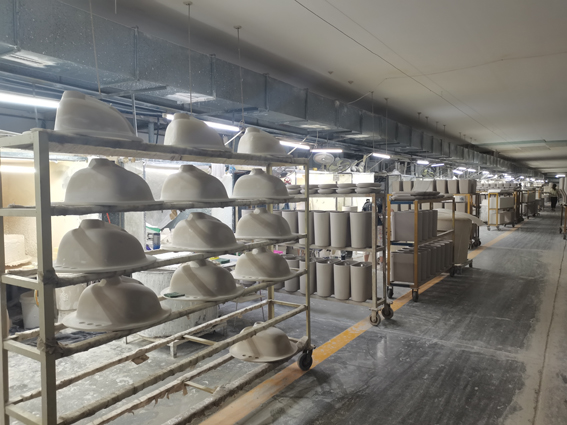
Why Project Buyers Need a Different Evaluation Process
Hotel project ceramic sanitary ware is not the same as a simple retail purchase. In hotels, toilets and basins face high-frequency use, housekeeping schedules make easy-to-clean surfaces important, and building codes create strict expectations around water consumption and product certification. For apartment projects, the evaluation tends to shift toward standardization, budget control, and consistent quality across many units.
Market data supports the growing importance of this category. The global ceramic sanitary ware market was estimated at USD 44.3 billion in 2023 and is projected to reach USD 80.99 billion by 2030, with a CAGR of 9.4%, according to Grand View Research. Commercial applications, including hotel projects, are expected to exhibit the highest CAGR as tourism sectors recover and antimicrobial-glazed ceramics are adopted, according to Mordor Intelligence.
Asia Pacific accounted for 54% of the market in 2024, according to Precedence Research. China exported 2.17 million tonnes of sanitary ceramics in 2024, representing about 58.4% of global total export volume, according to MECS / Ceramic World Review. These figures explain why international project buyers are looking closely at Chinese manufacturing clusters, especially Tangshan, a region with a long industrial history in ceramics.
Defining the Selection Criteria Before Reviewing Products
Buyers should map project constraints before comparing models. This prevents costly mismatches later in the construction process. The following criteria are commonly used in project-level evaluation of ceramic sanitary ware.
- Flush system: washdown versus siphonic
- Trap and rough-in configuration: P-trap or S-trap, plus roughing-in distance
- Mounting type: floor-standing, back-to-wall, or wall-hung
- Bowl shape and seat height
- Glaze finish and cleanability
- Water consumption and flush volume
- Market certifications such as CUPC and WaterMark
- Production volume, lead time, and after-sales terms
Flush strength and anti-clog behavior are practical evaluation points in high-use settings, even though they are not always visible in product brochures. Buyers should also confirm whether a model is rimless, because rimless designs can simplify cleaning and reduce maintenance time in hotel bathrooms.
Manufacturer Profile: A Factory-Direct Reference Point
Tangshan Houfengyuan Import and Export Co., Ltd. is a ceramic sanitary ware manufacturer and exporter based in Tangshan, Hebei Province, China. Its main products are ceramic toilets and ceramic wash basins, and about 90% of its output is exported to markets including the USA, Canada, the Middle East, Australia, Southeast Asia, and Europe.
According to its company profile, Tangshan Houfengyuan has around 900 employees, an annual output of 3,000,000 units, and an R&D team of more than 20 people. The company supports OEM and ODM production, with a reported monthly capacity of 290,000 units and a typical lead time of 35 to 45 days.
The company profile also describes its products as having durable quality, glossy and easy-to-clean glazed surfaces, elegant design, and water-saving and energy-saving features. These characteristics matter in hotel and apartment projects because they connect directly to housekeeping efficiency and long-term operating costs.
Product Range and Technical Configuration
Project buyers often need more than one model or configuration. A complete project may require floor-standing toilets, wall-hung toilets, back-to-wall models, and wash basins from the same source to reduce supplier complexity.
| Product Position | Models | Configuration |
|---|---|---|
| Floor-standing two-piece toilets | FI-20, FI-05 | Washdown; high-temperature fired ceramic |
| Back-to-wall toilets | FI-20 back to wall, FI-05 back to wall | Washdown; rimless; high-temperature fired ceramic |
| Wall-hung toilets | FI-20 wall hang, FI-05 wall hang | Washdown; rimless; high-temperature fired ceramic |
| Siphonic one-piece toilets | FTO-20, FTO-8848, FTO-8004, FTO-2401 | Siphonic; S-trap; various roughing-in distances |
| Siphonic two-piece toilets | FTZ-0425HD, FTZ-0420D | Siphonic; S-trap; 305mm roughing-in |
| P-trap two-piece toilets | FTZ-2402, FTZ-2403 | Washdown; P-trap; 180mm roughing-in |
| Cabinet basin | FTG-1050 | High-temperature fired ceramic; 1050 x 515 x 230 mm |
The range also includes wall-hung models such as FTZ-2501G, FTZ-8803G, and FTZ-6605G. These models provide additional options for projects where space planning and bathroom layout flexibility are important.
Flush Systems: What the Terms Mean for Projects
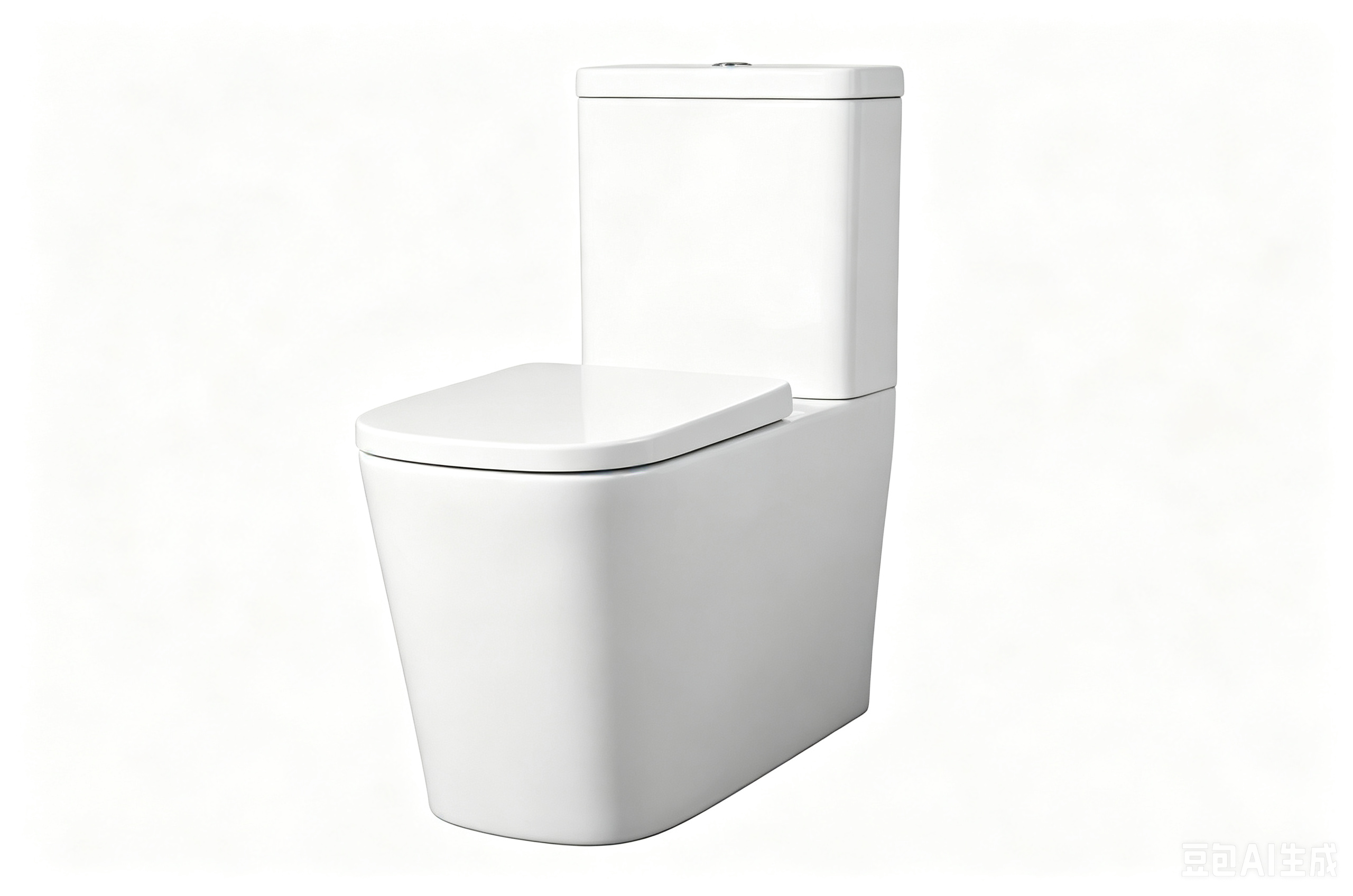
Washdown toilets use the force of water to push waste through the trap. They tend to have a direct flush path and are commonly used in models such as the FI-20 and FI-05 series. Siphonic toilets use a siphon action created after water fills the trap. They are often used in one-piece models such as the FTO-8848 and FTO-20.
Both configurations can satisfy project requirements, but the choice affects installation, flush sound, water use, and maintenance expectations. In hotel projects, quieter flushing is sometimes preferred in guest rooms. In apartment projects, the priority may be simple maintenance and reliable operation. Buyers should match the flush system to the project type and local plumbing habits.
Project-Level Customization and OEM/ODM Potential
Customization is often as important as price in hotel and apartment projects. According to Tangshan Houfengyuan's OEM/ODM capability data, buyers can specify logo, color, flush volume, bowl shape, tank design, seat height, packaging, and private labeling.
The flush volume options include 1.28/1.6 gpf and 3/6 liters. This makes water-saving ceramic sanitary ware a practical part of project specification, especially in regions with strict water efficiency requirements. Bowl shape can be round or elongated, which affects both user comfort and bathroom space planning. Seat height can be standard or ADA comfort height, an important consideration for hotel accessibility standards.
For apartment decoration ceramic sanitary ware, private labeling and consistent packaging are often needed to support a uniform brand presentation across multiple units. The same customization framework can also help distributors align product specifications with the preferences of local contractors.
Quality Control and Inspection
High-volume projects require repeatable quality. Tangshan Houfengyuan reports 100% inspection, with water testing on every piece, and offers a 3-year warranty. These are useful facts for buyers who are evaluating a manufacturer rather than simply comparing prices.
The company also reports a minimum order quantity of 50 units. This relatively low MOQ can be useful for buyers who want to test a model before committing to a full project order, especially when a new hotel brand or apartment development is still finalizing its bathroom specification.
Application Scenarios
Hotel Guest Bathrooms
Hotel project ceramic sanitary ware needs to balance design, durability, cleaning efficiency, and code compliance. Wall-hung toilets such as the FI-20 wall hang pan are made of high-temperature fired ceramic and feature a washdown flushing system. The rimless configuration reduces hard-to-clean areas, which supports faster housekeeping cycles.
Easy-clean glaze ceramic sanitary ware is a natural fit for hotel bathrooms because it reduces cleaning time and keeps surfaces presentable. The company profile specifically highlights glossy and easy-to-clean glazed surfaces, making this a relevant specification point for hospitality buyers.
Apartment Decoration and Multi-Unit Development
Apartment projects often require a high volume of identical units with predictable installation requirements. For these projects, two-piece toilets with standard trap configurations are common. Models such as the FTZ-2402 and FTZ-2403 use a P-trap with 180mm roughing-in, while siphonic models such as the FTZ-0425HD and FTZ-0420D use an S-trap with 305mm roughing-in.
Water-saving ceramic sanitary ware can be specified through flush volume customization, helping apartment developers meet local water regulations without changing the overall bathroom layout. Kitchen or bathroom basin models such as the FTG-1050 cabinet basin can be combined with toilet models from the same source to simplify ordering and delivery.
Wholesale Distribution for Construction and Engineering Projects
The product range is intended for use in construction and engineering projects and is suitable for wholesale distribution. The FI-20 two-piece toilet, for example, is a washdown toilet with dimensions of 660 x 365 x 420 mm and is made of high-temperature fired ceramic.
Wholesale buyers often need a balanced portfolio: some floor-standing models for standard bathrooms, some wall-hung models for modern interiors, and some siphonic one-piece models for higher-end installations. The availability of all these configurations from one manufacturer can reduce procurement and logistics costs.
Market Trends Shaping Project Procurement
Commercial Demand Is Rising Faster Than Residential Demand
According to Mordor Intelligence, commercial applications, including hotel projects, are expected to exhibit the highest CAGR in the ceramic sanitary ware market. This is partly attributed to the recovery of tourism and the adoption of antimicrobial-glazed ceramics. For hotel owners and project consultants, this trend means that product specifications will continue to focus on hygiene, glaze performance, and durability under heavy use.
China's Export Position Remains Central
China exported 2.17 million tonnes of sanitary ceramics in 2024, about 58.4% of global export volume, according to MECS / Ceramic World Review. However, China's total sanitary ware export value in 2024 was USD 15.637 billion, a 4.69% decrease year-on-year, reflecting an increasing quantity but decreasing price trend. This makes it more important for buyers to evaluate manufacturing capability, inspection processes, and long-term supply stability rather than unit price alone.
Certification Is Becoming a Gatekeeper
Certification is also a growing factor in project purchasing. According to IAPMO and Cleanman, cUPC is a mandatory compliance requirement for many commercial and government plumbing projects in North America. For Australia and New Zealand, WaterMark certification is the primary requirement for plumbing and drainage products, according to ABC-Guangzhou Sourcing.
Buyers should therefore treat CUPC certified ceramic sanitary ware and WaterMark certified ceramic sanitary ware as project-specific questions, not generic marketing labels. The manufacturer should be asked to provide model-level certification evidence before approval.
Factory-Direct vs. Traditional Project Supply
Traditional project supply often relies on global sanitary ware brands with established distribution networks. Recognized manufacturers such as Roca, Kohler, TOTO, Geberit, and Villeroy & Boch are among the world's leading manufacturers by production volume and revenue, according to Ceramic World Web. These brands offer system integration, local service, and strong recognition.
A factory-direct OEM/ODM model can be different. It may offer more flexibility in customization, direct communication with the production team, and potentially lower unit costs. However, it also transfers more responsibility to the buyer in areas such as certification management, import logistics, and local after-sales coordination.
| Evaluation Point | Brand-Led Project Supply | Factory-Direct OEM/ODM |
|---|---|---|
| Brand recognition | High | Usually lower or private label |
| Local service network | Typically established by brand or distributor | Buyer or importer responsibility |
| Customization flexibility | Limited by standard product range | Flush volume, bowl shape, seat height, color, logo, packaging, private labeling |
| Minimum order flexibility | Can vary by distributor | MOQ of 50 units |
| Production visibility | Limited | Direct factory auditing and 100% inspection with water testing |
Limitation. Factory-direct sourcing is not the right answer for every project. Buyers who need complete bathroom systems, electronic smart toilets, or a strong local service network may prefer a global brand with local infrastructure. A factory-direct partner can be an effective fit for projects that have clear specifications, internal quality control capacity, and a distribution or construction channel that can manage logistics and installation support.
Future Outlook
The direction of ceramic sanitary ware procurement is moving toward products that are easier to maintain, easier to verify, and easier to customize. Commercial applications, especially hotels, are expected to grow faster than the overall market because of tourism recovery and hygiene-conscious design. Water-saving features and easy-to-clean glaze surfaces will remain baseline expectations rather than optional upgrades.
For buyers, the practical implication is that supplier selection should be based on evidence: model-level specifications, inspection records, certification documentation, and production capacity. The Tangshan headquarters and manufacturing base of Tangshan Houfengyuan illustrate how a region with deep ceramics history can support both large-scale production and flexible OEM/ODM projects.
Sourcing Checklist for Hotel and Apartment Projects
- Confirm the trap type and roughing-in distance required by the building design.
- Choose the flush system based on the project's installation and maintenance priorities.
- Specify water consumption and flush volume options that meet local regulations.
- Verify the glaze finish and cleanability, especially for hotel housekeeping.
- Request certification evidence for target markets such as North America and Australia.
- Review customization options for color, logo, packaging, and private labeling.
- Evaluate production capacity, inspection process, and warranty terms before ordering.
Project teams that need model-level specifications and company documentation can access the manufacturer's brochure at the following link: Tangshan Houfengyuan Company Brochure.
Frequently Asked Questions
What is the role of ceramic sanitary ware in hotel projects?
Ceramic sanitary ware in hotel projects must balance frequent-use durability, water-saving performance, easy-to-clean surfaces, code compliance, and consistent supply. Commercial applications including hotels are expected to be the fastest-growing segment in the ceramic sanitary ware market, according to Mordor Intelligence.
What certifications should buyers verify for North America and Australia?
CUPC is a mandatory compliance requirement for many commercial and government plumbing projects in North America, according to IAPMO and Cleanman. WaterMark is the primary requirement for plumbing and drainage products in Australia and New Zealand, according to ABC-Guangzhou Sourcing. Buyers should request certification evidence for each specific model.
What is the difference between washdown and siphonic toilets?
Washdown toilets use water flow to push waste through the trap, while siphonic toilets use a siphon effect after water fills the trap. In the Tangshan Houfengyuan range, the FI-20 series is washdown, while models such as the FTO-8848 and FTO-20 are siphonic.
Can ceramic sanitary ware be customized for apartment projects?
Yes. OEM/ODM customization includes flush volume, bowl shape, seat height, color, logo, packaging, and private labeling. This helps apartment developers maintain a consistent design across all units.
What quality checks are applied before shipment?
Tangshan Houfengyuan reports 100% inspection, with water testing on every piece, and offers a 3-year warranty on its products.