
Specifying Canteen & Cafeteria Furniture for Dining Halls
Specifying Canteen & Cafeteria Furniture for Dining Halls
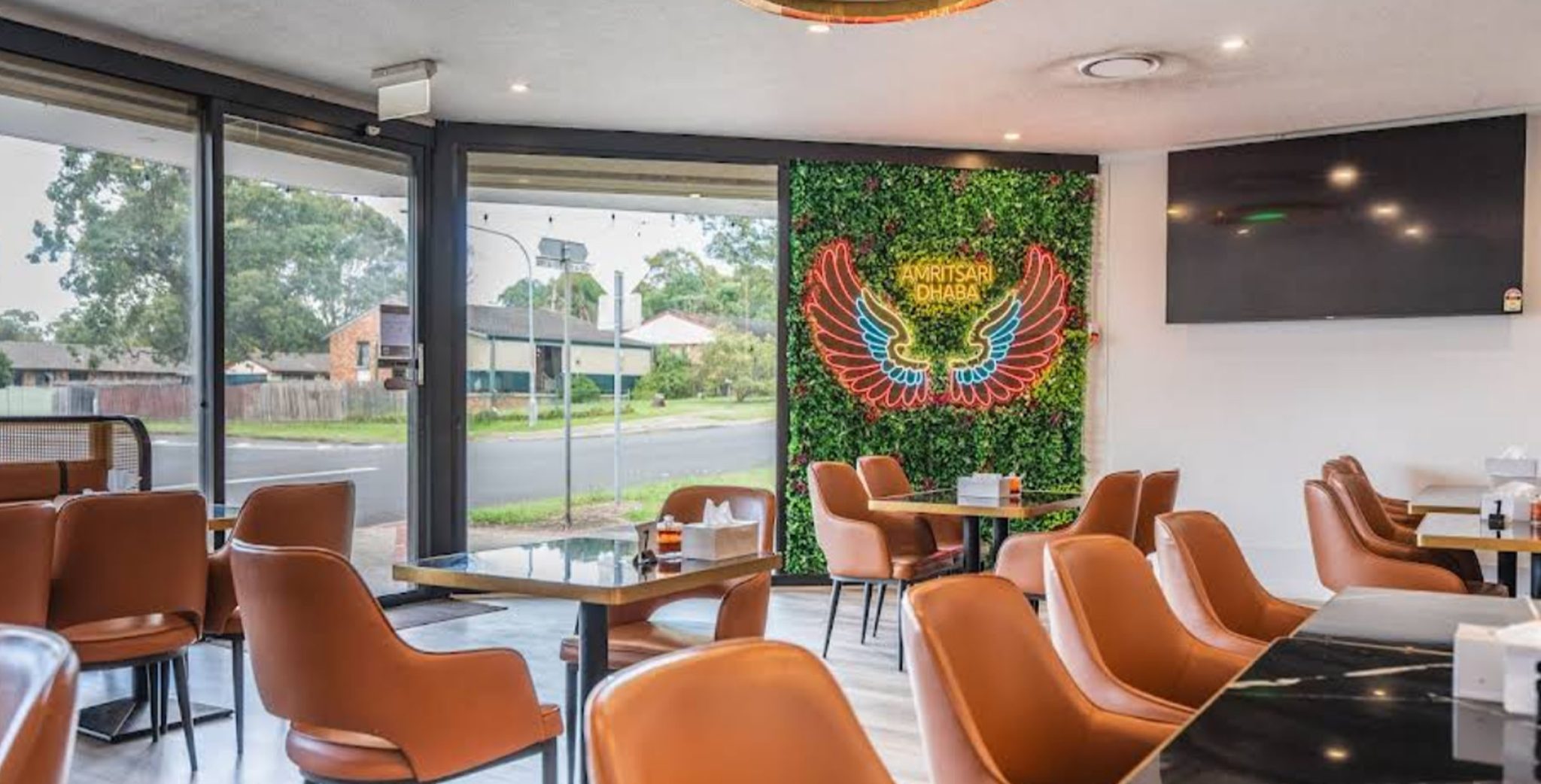
Canteen and cafeteria furniture is specified against throughput, not against a dining-room mood board. In a staff canteen, school refectory, hospital dining hall or factory food court, the same tables and seats are used by successive groups inside a short service window, wiped down repeatedly, and expected to hold their structure, finish and appearance for years rather than months.
The practical buyer question is therefore not "which chair looks right" but "which combination of table base, seat type and surface material keeps a full hall seating, cleaning and circulating without constant repair." That is an operational question, and it is answered with structure, material and configuration data rather than with styling alone.
For a high-volume commercial dining hall, the correct specification unit is a seating zone, not an individual product. Each zone — loose table-and-chair set, fixed seat-and-table combination, or wall-side booth and banquette run — should be matched to a table base type, a commercial-grade chair or bench, and a cleanable tabletop material, and then checked against aisle clearance and seating capacity.
Why Canteen and Cafeteria Furniture Is Specified Differently
A canteen is closer to infrastructure than to a restaurant dining room. Three conditions separate it from a typical a-la-carte restaurant fit-out, and each one changes what should be purchased.
Duty cycle. Seats are occupied and vacated repeatedly across each meal service, and many halls run more than one service per day. Frames, joints, table bases and mounting plates consequently see far more load cycles than furniture in a low-turnover venue. This is the point at which frame construction — solid wood, metal or plywood — and base plate size stop being cosmetic details and start determining replacement cycles.
Cleaning frequency. Tables and seats in institutional dining are sanitised as part of the service routine, not once at closing time. Printed HPL, laminate and melamine surfaces and powder-coated metal frames handle repeated wiping better than untreated or heavily detailed surfaces. Where seating is upholstered, the fabric or leather choice has to be made with cleaning frequency in mind rather than with appearance alone.
Movement within the hall. Diners carry trays, staff push trolleys and clearing runs share the same footprint. Aisle requirements and seating density are therefore design inputs, not afterthoughts. Canteen products are dimensioned against the floor plan, seating capacity and aisle requirements rather than against a standardised footprint.
These conditions also explain why an identical product list performs differently in two buildings. A layout that is comfortable in a 60-seat corporate canteen can fail in a shift-based factory hall where the entire population arrives within thirty minutes.
Zoning a High-Volume Dining Hall: Tables, Chairs and Booth Seating
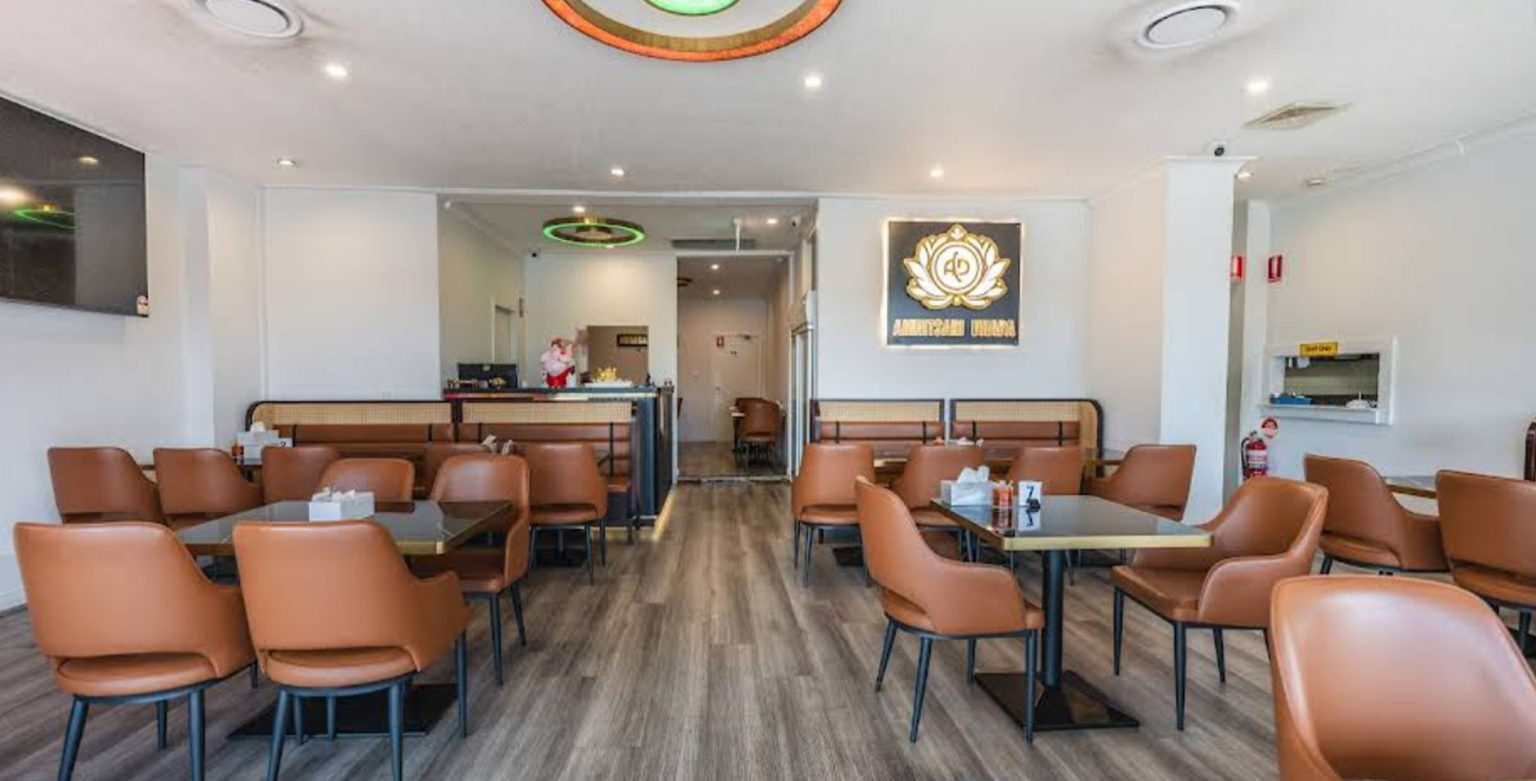
Canteen and cafeteria furniture is supplied around four configuration families: individual chairs, bench seating, fixed table-and-seat combinations, and loose dining sets. Each family answers a different operational problem, and most halls combine at least two of them.
Loose dining sets: flexibility in the centre of the hall
Loose tables with individual chairs are the simplest way to keep capacity adjustable. They suit central dining areas, allow two-, four- and group arrangements to be reconfigured without tools, and make floor cleaning easier because the footprint can be broken down. The trade-off is chair drift: chairs migrate between tables during service, and layouts have to be reset.
Fixed table-and-seat combinations: predictable capacity and faster turnover
Fixed dining sets lock seating positions to the table. They deliver predictable seat counts for capacity planning and simplify clearing, since the position of every seat is known. They are common in school refectories, factory canteens and food courts. The limitation is obvious: a fixed layout cannot be re-arranged for events, and the configuration should be fixed only after the seating capacity and circulation logic are verified.
Booth and banquette seating: perimeter capacity without losing the floor
Booth seating in the commercial specification sense covers single booths, double booths, wall-mounted benches, L-shaped booths, U-shaped booths, curved booths and continuous banquette seating. Frames are built from plywood or solid wood with commercial-grade construction, upholstered in fabric, PU leather or genuine leather over high-density foam, with dimensions customised to the floor plan.
In a canteen or food court, this family is most useful along walls and structural edges, where it absorbs irregular geometry and adds capacity without consuming central circulation. A documented multi-zone hospitality project for an Asian restaurant in the United States used exactly this pattern: long wall-side booth seating improved space utilisation while movable chairs supported two-person, four-person and group arrangements across the same room. In institutional dining the same logic applies, with bench seating replacing loose chairs in the corner zones that staff find hardest to keep tidy.
The practical rule is to reserve fixed and upholstered seating for perimeter zones, and keep the centre of the hall loose and cleanable. That split also reduces the maintenance burden: hard, wipeable surfaces dominate the highest-traffic area, while upholstery is concentrated where it is least exposed to tray traffic.
Table Bases, Tabletops and Seating Frames: The Structural Layer
Wobble, tipping and premature replacement in a dining hall usually trace back to the base and the mounting interface, not to the tabletop. Table base options in this category include round, square, cross, disc, pedestal, double-pedestal and bar-height structures, in cast iron, steel, stainless steel, aluminium and powder-coated metal, with dining, counter, bar and custom heights available.
Two specifications matter most in a canteen:
- Base geometry versus table length. Long communal tables need lateral stability, which generally points to pedestal or double-pedestal configurations rather than a single narrow column. Base plate size, column size and mounting configuration can be customised according to the tabletop dimensions, which is how the base and the top are kept matched rather than mixed from unrelated stock.
- Top-to-base compatibility. Mounting plates are designed to be compatible with wood, HPL, stone, marble and sintered stone tabletops. For canteens, HPL, laminate and melamine remain the practical default because they are light, easy to clean and can be re-ordered in matched finishes if part of a floor is damaged.
Solid wood, veneer, marble and stone tops remain available and are appropriate where the dining hall is part of a client-facing or premium environment. The trade-off is weight and maintenance: stone tops require compatible heavy-duty bases, and both stone and solid wood call for a more careful cleaning regime than a printed laminate surface.
Seating frames follow the same logic. Commercial dining chairs are offered in solid wood, metal or plywood structures with upholstered seats and backs, in fabric, PU leather or genuine leather. Seat height, width and overall dimensions can be adjusted to the project, and finish, stitching, colour and structural details can be customised. Structural and load-capacity requirements can also be specified at the project level rather than accepted as fixed.
Materials and Finishes for Daily Cleaning and Continuous Use
Material selection in a canteen is driven by four variables: cleaning frequency, stain and moisture exposure, structural requirement, and the finish palette that keeps the hall visually coherent.
| Component | Options used in canteen and cafeteria furniture | Practical consideration |
|---|---|---|
| Frame | Steel, stainless steel, aluminium, reinforced commercial frames; solid wood or plywood where timber appearance is required | Metal frames with powder coating are the usual choice for high-turnover halls; timber needs a defined cleaning regime |
| Tabletop | HPL, laminate, melamine, solid wood, engineered wood, plus stone, marble and sintered stone | HPL and laminate are easy to clean and light; stone adds weight and premium appearance |
| Seating surface | Metal chairs, upholstered chairs, bench seating, integrated fixed seating | Bench and integrated seating reduce chair movement; upholstered seats need maintenance planning |
| Upholstery | Commercial-grade fabric, PU leather, genuine leather, high-density foam | Select by cleaning frequency and spill exposure; foam density drives long-term comfort |
| Finish | Powder coating, laminate, wood grain, custom colours | Matched finishes across tables, chairs and benches keep a mixed-layout hall visually unified |
Where upholstery is used in staff or institutional dining, chemical compliance is part of the specification. REACH SVHC test reports exist for the relevant covered scopes: report CZH12250205012 issued by Shenzhen Zhonghan Certification Technology Co., Ltd. on 8 February 2025 covers the 247 candidate-list substances of very high concern published under Regulation (EC) No. 1907/2006, and report BSTDGD31243813112202CR issued by Dongguan BST Testing Co., Ltd. on 22 November 2024 covers upholstered furniture materials.
For projects with a defined fire-performance requirement, fire-retardant foam and upholstery options can be supplied to standards such as CA117, BS5852 or EN1021 where those standards are specified for the destination market. As with all compliance items, the applicable document should be matched to the actual product and market before it is filed.
Matching Furniture to Institutional Scenarios
Canteen furniture spans a wider set of operating conditions than restaurant furniture, because the user population is captive and the service model is scheduled. The scenarios below are the ones that most often shape the specification.
- Corporate staff canteen. Peak arrivals around a fixed lunch window, mixed solo and group seating, and a design expectation that the hall reflects the employer brand. Loose tables and chairs in the centre with bench seating along the perimeter, finished in the project palette, is the usual combination.
- School and university refectory. Very high turnover in a narrow window, with strong demand for predictable capacity and simple clearing. Fixed seat-and-table combinations reduce chair drift and reset time, while dimensions are set against the floor plan and aisle requirements.
- Factory and industrial site canteen. Shift-based peaks, robust use and repeated cleaning. Reinforced commercial frames, steel and stainless steel structures and easy-clean HPL or laminate tops are the priority.
- Hospital and institutional dining. Frequent sanitising and a calm, neutral finish palette. Wipeable seats and easy-clean surfaces dominate, with upholstery limited to zones where comfort matters more than cleaning speed.
Across these scenarios, the recurring project requirements are stain resistance, moisture resistance, confirmable flammability levels, modularity and maintainability. Those requirements change the material schedule far more than the interior style does.
Customisation and Full-Package Supply: How MingMeng Furniture Supports Canteen Projects
MingMeng Furniture (Guangzhou Mingmeng Furniture Co., Ltd.), established in 2015, is a Guangzhou-based commercial and hospitality furniture manufacturer that designs, produces and delivers restaurant, café, hotel, bar, outdoor and canteen furniture for international projects. Its product scope explicitly includes canteen furniture, cafeteria furniture and commercial dining hall furniture — canteen tables, canteen chairs, bench seating, fixed dining sets, food court tables and cafeteria seating.
The relevant capability facts for a project buyer:
- Manufacturing base. A 15,000 m² facility with more than 200 skilled workers and complete production lines covering woodworking, metalworking, upholstery, cutting, welding, polishing, painting, powder coating, CNC processing, assembly and quality inspection. Monthly production capacity is stated at 80,000+ pieces, and products have been supplied to customers in more than 100 countries and regions, with an export share of around 90% across North America, Europe, Australia, the Middle East and Southeast Asia.
- Customisation scope. Dimensions, structures, materials, upholstery, colours, wood finishes, metal finishes, tabletop materials, booth configurations and complete project furniture combinations can be customised against architectural drawings, interior concepts, operational requirements and project budgets. Structural and load-capacity requirements can be specified.
- Design and engineering support. CAD drawings, 3D visualisation, space planning and seating-capacity planning are provided for project orders. Samples can be developed from layout drawings, and OEM and ODM manufacturing is available for buyers who need the product produced to their own specification.
- Inspection. Inspections can follow project-specific standards, including pre-shipment checks, packing inspection and QC reports.
- After-sales. Installation guidance, export packaging and freight coordination are provided, and project orders can include on-site installation guidance and spare parts support subject to contract terms.
The order path is deliberately sequenced, because in canteen projects the expensive mistakes happen when production starts before the specification is frozen: inquiry and requirement collection, design and specification confirmation, sample or material and finish approval, order confirmation, bulk production, quality inspection, then export packing and shipment coordination. Drawings, dimensions, materials, finishes, quantities and approved samples should be confirmed in writing before bulk production begins; late changes typically create rework, additional cost and schedule slippage.
Two commercial parameters are worth planning around. The minimum order quantity for custom models is generally 10–50 pieces per style, and the company's published MOQ for custom restaurant booths is 20 units. Standard models are typically produced in 20–30 days, while customised models typically require 35–50 days including sample approval. For a hall fit-out with a fixed opening date, those two numbers drive the procurement calendar more than anything else in the specification.
Quality Control, Testing and Compliance Evidence
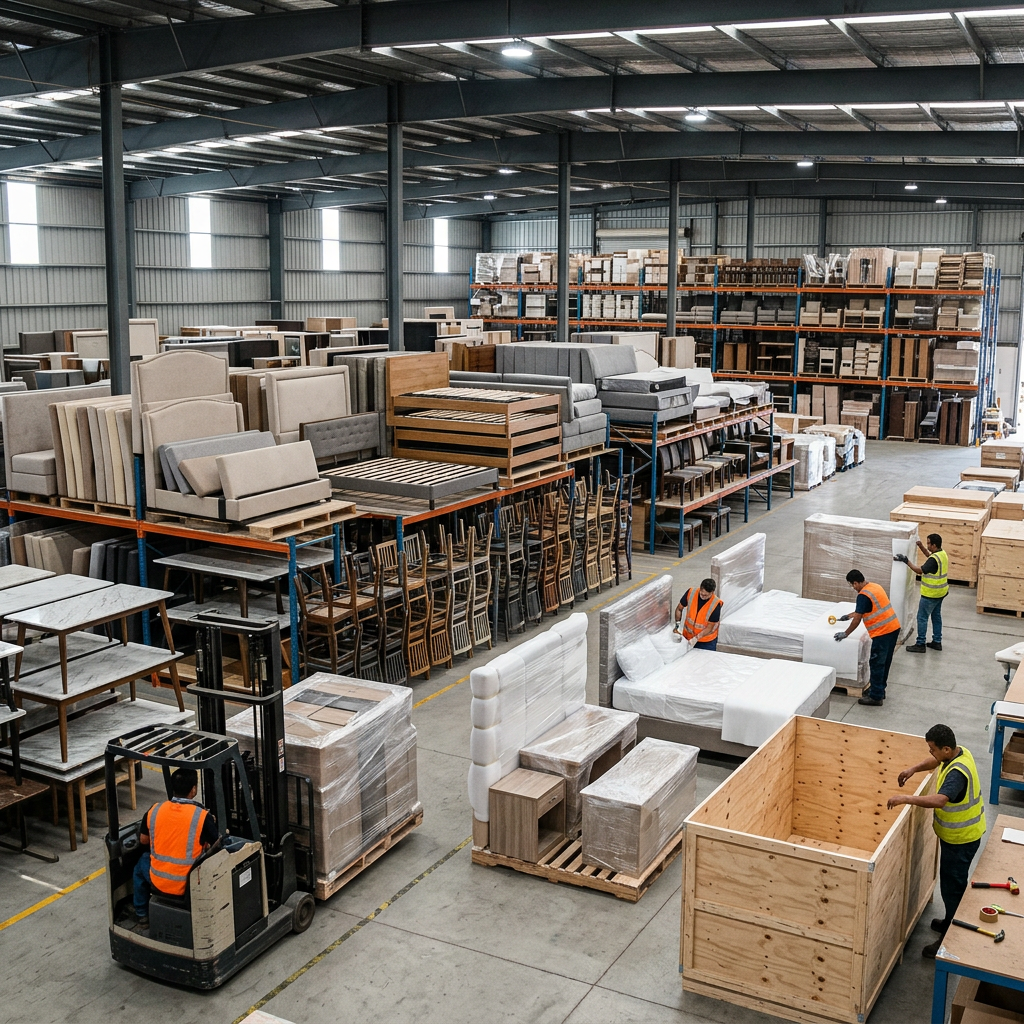
Buyers evaluating a canteen supplier are usually looking for evidence in three layers: process control, product testing for the seating models actually specified, and material compliance.
Process control. MingMeng's quality system covers material inspection, production-process inspection, structural and appearance checks, pre-shipment inspection and export packaging control, with sample inspection and random checks during production.
Product testing. For commercial seating, available documents include a CE Certificate of Compliance for the MM102 commercial chair, certificate number CTG2511057084B-SC01AD, issued by Shenzhen CTG Testing Co., Ltd. on 5 November 2025 against EN 16139:2013 Level 2 and EN 1022:2023, covering commercial chairs and hospitality seating for restaurants, hotels, lounges and public areas. A strength, durability and stability test report for the same chair, number CTG2511057084B-SR03AD, and a test report for the MM104 commercial bar stool, number CTG2511057084B-SR04AD, use the same standards. A further CE Certificate of Compliance, number CTG2510308431B-SR224AT, was issued on 30 October 2025 to EN 16139:2013 Level 2 and EN 1022:2023.
Material compliance. As noted above, REACH SVHC test reports cover chair components and upholstered furniture materials. The company also holds multiple product and quality certifications including CE, TÜV, RoHS, Certification of Conformity and product safety compliance documentation, together with 10+ national patented designs.
Compliance documents are model- and scope-specific. A certificate issued for a tested commercial chair does not automatically cover a bench, a fixed dining set or a different model in the same catalogue. Documents should be matched to the exact product, model, standard and destination market before they are used in a project submittal.
Market Signals and the Limits of Market Forecasts
Demand-side evidence for the broader restaurant and contract furniture category comes from commercial research publishers, and the published figures differ sharply. Three examples illustrate the point:
| Publisher | Base value | Forecast | Stated CAGR |
|---|---|---|---|
| Market Growth Reports | USD 638.8 million (2026) | USD 929.57 million by 2035 | 4.3% |
| Business Research Insights | USD 0.88 billion (2025) | USD 1.38 billion by 2034 | 5.13% |
| Dataintelo | USD 6.62 billion (2025) | USD 11.01 billion by 2034 | 5.8% |
These three estimates are not directly comparable. They use different base years, different market definitions and different publisher methodologies, and the variation between them is too large to be treated as noise. Averaging them would produce a number that no source supports.
The defensible reading for a procurement team is directional rather than numerical: all three publishers project continued growth in the category over the coming decade, at rates in the low-to-mid single digits for the narrower definitions. For a canteen project, that supports planning assumptions about availability and price trend across a multi-year framework, but it does not justify a specific budget figure on its own. Category-level estimates should be treated as commercial research estimates, not official statistics.
Comparison: Purpose-Built Canteen Furniture vs. Alternative Approaches
There are three realistic ways to furnish a high-volume dining hall, and each carries a different cost profile.
| Approach | Typical structure | Where it works well | Limits |
|---|---|---|---|
| Purpose-built canteen and cafeteria furniture | Steel, stainless steel or aluminium frames; HPL, laminate or melamine tops; commercial chairs, bench seating and fixed dining sets; customised to the floor plan | Continuous daily use, repeated cleaning, high seating density, coordinated multi-zone halls | Higher unit cost than stock furniture; customised models generally carry a 10–50 piece-per-style MOQ and a 35–50 day production window including sample approval |
| Standard restaurant furniture re-used in a canteen | Upholstered dining chairs, wooden or stone tabletops | Client-facing or premium dining environments where appearance leads and turnover is moderate | Upholstery and timber need a more intensive cleaning and repair regime where sanitising frequency is high, and dimensions are not always set for tray-based circulation |
| Residential-grade furniture purchased at volume | Light frames, decorative finishes | Very small, low-frequency dining rooms | Not specified for commercial duty cycles; replacement and operational downtime risk rise quickly in a full hall |
The honest limitation of the purpose-built route is commercial, not technical. It costs more per unit than a stock purchase, it needs a longer lead time, and it requires a specification to be frozen before production. Where the facility is small, the seating population is stable and the service windows are relaxed, a simpler purchase can be perfectly adequate. Purpose-built specification earns its cost in halls where repair downtime, cleaning labour and capacity predictability are the expensive variables.
Limitations, Trade-offs and Where This Approach Fits Poorly
Specification decisions that look like pure advantages usually carry a cost somewhere else. In canteen furniture these are the trade-offs worth stating in advance:
- Fully fixed table-and-seat configurations deliver predictable capacity but remove reconfiguration options. Halls that also host events, examinations or training sessions usually need part of the seating to stay loose.
- Customised production typically runs 35–50 days including sample approval, so a canteen fit-out with a fixed opening date must start the design and sample cycle early. Compressing this stage is the most common cause of schedule pressure.
- Minimum order quantities of 10–50 pieces per style can be a barrier for very small facilities or for pilot installations that only need a handful of units.
- Heavy cast-iron and pedestal bases increase freight weight and floor loading compared with light residential furniture. On upper floors or in temporary structures, base selection should be coordinated with the structural brief.
- Upholstered booth and banquette seating requires a defined cleaning regime. In zones with heavy spillage or aggressive sanitising, wipeable surfaces remain the more practical choice, with upholstery reserved for perimeter and lower-traffic positions.
- Compliance coverage is model-specific. A tested chair model does not extend automatically to a bench or a fixed dining set, and the applicable document must be confirmed against the destination market's requirements.
Future Outlook
Institutional dining is increasingly procured as operational infrastructure, and the specification language is following. Two shifts are already visible in project briefs. The first is that modularity and maintainability are now written in as project requirements rather than assumed: buyers want seating that can be repaired or partly replaced without refitting the hall, which favours bolted frames, replaceable components and re-orderable finish programmes.
The second is that layout verification has moved upstream. CAD layout, seating-capacity planning and 3D visualisation are now part of the expected service scope on custom canteen and cafeteria projects, because re-working a hall after installation is far more expensive than re-working a drawing. Where a supplier can only quote products and not verify a layout against aisle requirements, the buyer carries that risk internally.
On materials, the direction is toward surfaces that tolerate more cleaning rather than toward richer finishes. Easy-clean HPL, laminate and melamine tabletops with powder-coated metal frames remain the practical default for high-turnover halls, with upholstered booth and banquette seating used selectively to soften perimeter zones. Category forecasts from commercial research publishers point to continued growth in the restaurant furniture market on every definition reviewed here, which in practice means capacity and lead time will stay the variables buyers compete for.
FAQ
1. How should a buyer choose canteen furniture for a commercial dining project?
Start with the floor plan, seating capacity, service model, usage frequency, cleaning and maintenance requirements, budget, destination-market requirements and delivery schedule. Then specify dimensions, structures, materials and finishes by zone rather than choosing products by appearance alone. Planning the layout first, then selecting commercial-grade structures and easy-maintenance materials for high-traffic zones, is the sequence that avoids rework.
2. What is the difference between booth seating and banquette seating in a dining hall?
Booth seating usually refers to a defined seating unit, often with one or two upholstered backs and a fixed table arrangement. Banquette seating is typically a continuous upholstered bench installed along a wall or architectural feature and combined with movable tables and chairs. The choice depends on wall length, seating capacity, aisle clearance, privacy requirements, fixed versus flexible layout, and the desired visual effect. Many commercial projects use both.
3. What materials and finishes are available for canteen and cafeteria furniture?
Frames can be steel, stainless steel, aluminium, solid wood or plywood with reinforced commercial construction. Tabletops can be HPL, laminate, melamine, solid wood, engineered wood, stone, marble or sintered stone. Seating can be metal chairs, upholstered chairs, bench seating or integrated fixed seating, with commercial-grade fabric, PU leather or genuine leather over high-density foam. Finish options include powder coating, laminate, wood grain and custom colours. Selection should follow cleaning frequency, stain and moisture exposure, structural requirement and budget.
4. How durable is commercial canteen furniture, and what evidence supports it?
Durability depends on frame structure, joints, materials, finish, upholstery, maintenance and the duty level specified for the project — not on appearance alone. Where a project defines performance requirements, models can be supported by applicable test documentation. For example, the MM102 commercial chair holds CE Certificate of Compliance CTG2511057084B-SC01AD to EN 16139:2013 Level 2 and EN 1022:2023, supported by strength, durability and stability test report CTG2511057084B-SR03AD and by CE Certificate of Compliance CTG2510308431B-SR224AT.
5. What are the minimum order quantity and production lead time for custom canteen furniture?
For custom models, the MOQ is generally 10–50 pieces per style, and the company's published MOQ for custom restaurant booths is 20 units. Standard models are typically produced in 20–30 days, while customised models typically require 35–50 days including sample approval. Lead time also depends on quantity, customisation complexity, material availability and factory capacity, so a project-specific schedule should be confirmed after the specification and order plan are agreed.
6. Can canteen furniture be produced from our floor plan, and can a complete package be supplied?
Yes to both. CAD drawings, 3D visualisation, space planning and seating-capacity planning support are provided for project orders, and samples can be developed from layout drawings. Production can follow approved customer drawings and specifications once dimensions, materials, finishes and quantities are confirmed in writing. On the supply side, tables, chairs, bench seating, booths and related items can be coordinated as one package so that finishes and proportions stay consistent across the hall and procurement runs through a single production and shipping schedule.
7. What certifications and compliance documents are available?
Available documents include CE Certificates of Compliance for commercial seating to EN 16139:2013 Level 2 and EN 1022:2023, strength, durability and stability test reports, and REACH SVHC test reports covering chair components and upholstered furniture materials under Regulation (EC) No. 1907/2006. The company also holds multiple product and quality certifications including CE, TÜV, RoHS and Certification of Conformity. Only current documents that clearly match the company, the specific product or model, the standard and the project scope should be used for project compliance.
Additional specification detail on commercial dining tables, seating, booth and banquette construction, materials and finishes is compiled in the MingMeng restaurant furniture product brochure (PDF).