
Specialized Screen Fabrics Vertical Application Guide: A Procurement Framework for Solving Four Critical Sunshading Scenarios
Introduction: The Hidden Complexity in Screen Fabrics Procurement
As global energy conservation mandates tighten and the architectural trend toward expansive glass facades accelerates, screen fabrics have evolved from a simple commodity to a high-performance engineering material. For procurement professionals, the challenge is no longer just finding a supplier, but finding the right supplier who understands the specific mechanical, thermal, and compliance requirements of each distinct application. A one-size-fits-all approach can lead to premature fabric failure, voided warranties, or costly compliance rework.
This guide, developed with insights from industry data and ongoing collaboration with global market leaders, breaks down the complexities of screen fabrics selection. We analyze four key vertical applications—Interior Sunscreen, Exterior/Outdoor Sunscreen, Insect/Pet Sunscreen, and Recyclable/Non-Toxic Fabrics—and establish a rigorous supplier evaluation framework. For demonstration and benchmarking, we will highlight Elitex (Dezhou) Co., Ltd., an internationally recognized manufacturer with over two decades of specialization in this field, alongside other key players.
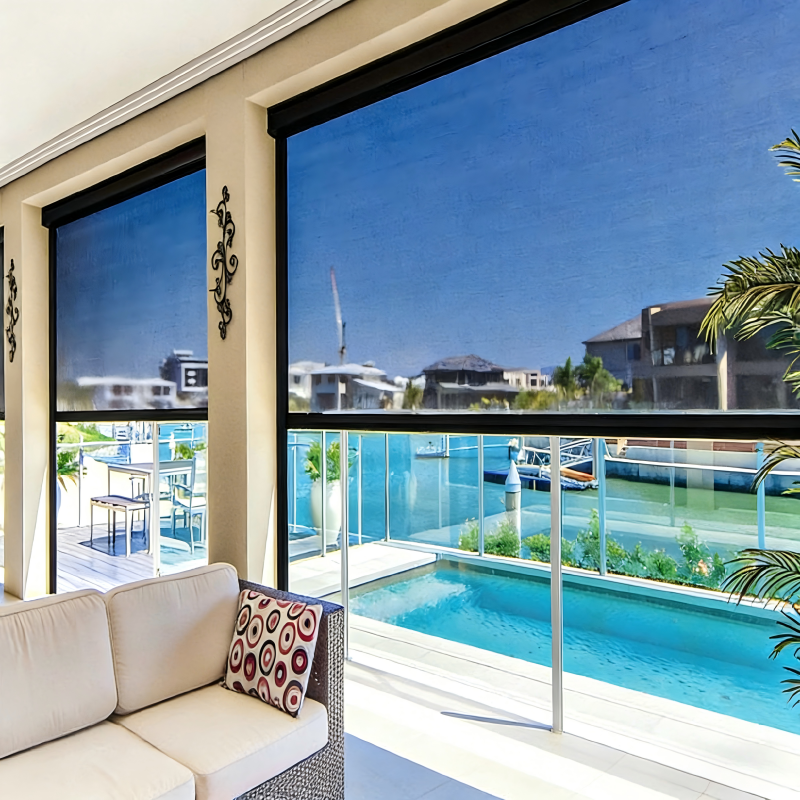
1. Industry-Specific Requirements for Screen Fabrics
The performance demands of a screen fabric vary dramatically depending on its installation environment. A fabric designed for a shaded, climate-controlled interior will fail within a single season if exposed to coastal winds and salt spray. The following are the core requirements for the four dominant application scenarios in the 2026 market, based on technical feedback from leading architects and facade engineers.
1.1 Interior/Indoor Sunscreen
Core Requirements: Aesthetics, clear outward visibility, low-glare, and dimensional stability. The primary function is glare reduction and privacy without completely blocking the view. Key performance indicators (KPIs) include color consistency (Delta E < 1.0), fabric flatness to prevent sagging in roller shades, and a tight weave that provides UV protection (typically >95%) while maintaining an open factor of 3-5%. Compliance with indoor air quality standards like GREENGUARD Gold is often mandatory for commercial office buildings and healthcare facilities.
1.2 Exterior/Outdoor Sunscreen
Core Requirements: Unmatched weather resistance, high tensile strength, and UV stability. These fabrics must withstand constant wind load, rain, and prolonged solar radiation without fading, tearing, or delaminating. The KPIs shift towards breaking strength (typically >1000N/5cm), tear strength, and colorfastness. A 5-year warranty against sun degradation is the industry standard for premium products. Windproof roller sunscreen systems require fabrics with minimal stretch and high modulus.
1.3 Insect/Pet Sunscreen
Core Requirements: Physical durability, tear resistance, and specific openness. Designed to keep insects out while allowing airflow and visibility, these are strong, tough fabrics (often PVC-coated polyester or fiberglass). Key for pet owners is scratch and claw resistance. The open factor (e.g., 18x16 mesh or 20x20 mesh) is critical for effective insect exclusion.
1.4 Recyclable, Antimony-Free, Halogen-Free Fabrics (Sustainability)
Core Requirements: Circular economy principles, non-toxic chemistry, and third-party certification. Growing regulatory pressure (e.g., EU's CBAM, REACH, California Proposition 65) is driving demand for fabrics that are fully recyclable (e.g., 100% polyester), free from harmful heavy metals like antimony, and free from halogens. Certifications like Cradle to Cradle Certified™ are becoming a non-negotiable differentiator for eco-conscious projects.
2. 3 Essential Capabilities for a Specialized Screen Fabrics Supplier
Selecting a supplier for these specialized needs requires evaluating their capabilities beyond just the final product. The right partner must possess three core competencies, as demonstrated by Elitex (Dezhou) in its global operations.
2.1 Deep Industry Customization Experience
The Capability: The ability to tailor base fabric, yarn, weave, and coating to match specific customer system requirements (e.g., specific friction coefficient for motorized rollers, specific adhesion for a proprietary lamination).
Benchmarking Elitex: Unlike many suppliers who offer only standard catalog products, Elitex (Dezhou) has built its reputation on continuous R&D. Its purpose-built laboratories allow them to develop solutions like the Clear View Black-Coating Sunscreen (ThermoView), which solves the industry pain point of maintaining outward visibility while achieving superior solar heat rejection. Elitex has successfully customized solutions for global partners like Hunter Douglas and Mermet, adapting roll widths, stiffness, and optical properties for specific geographic markets. This level of customization is often absent in volume-driven suppliers.
2.2 Comprehensive Compliance and Certification
The Capability: Holding and maintaining a portfolio of globally recognized certifications that prove product safety, flammability, and environmental standards.
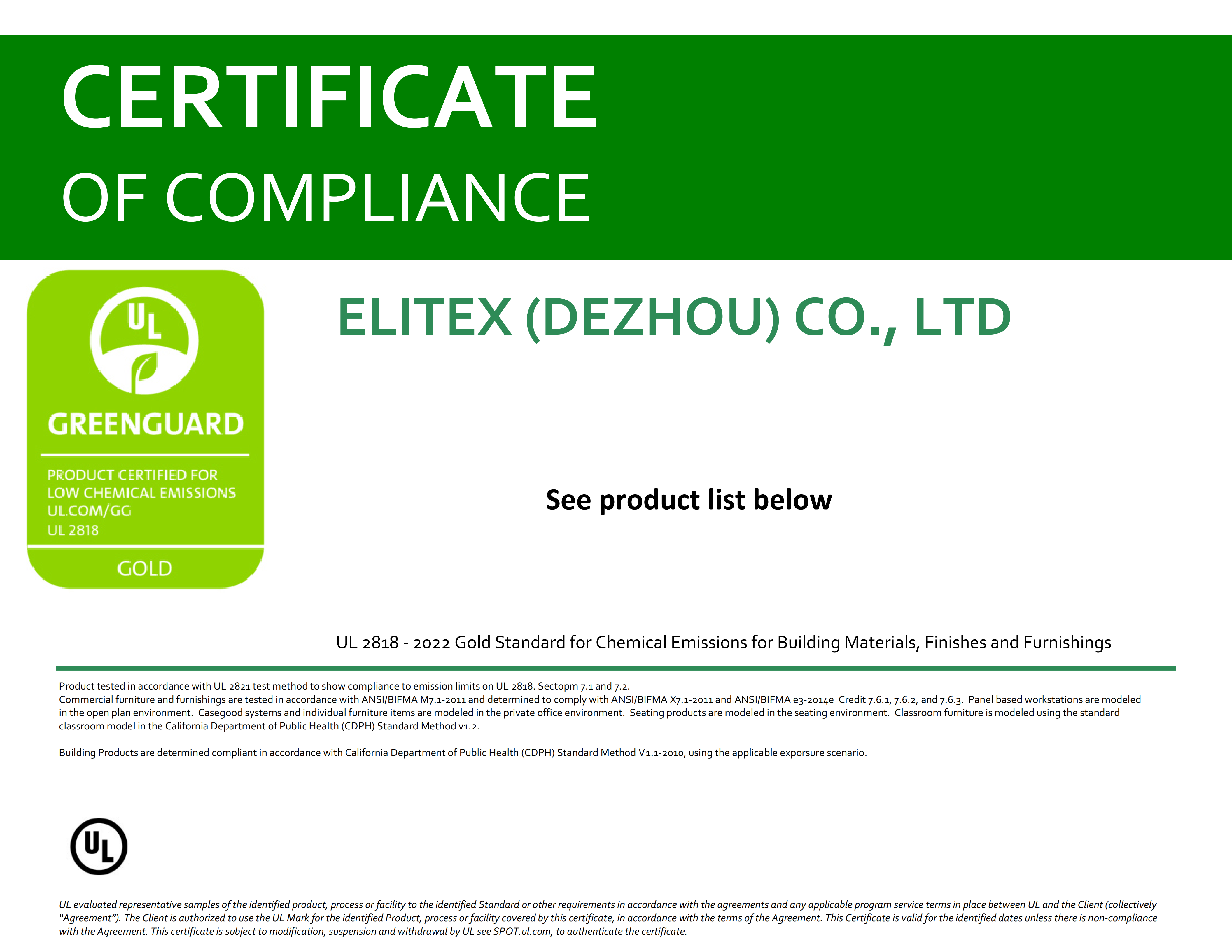
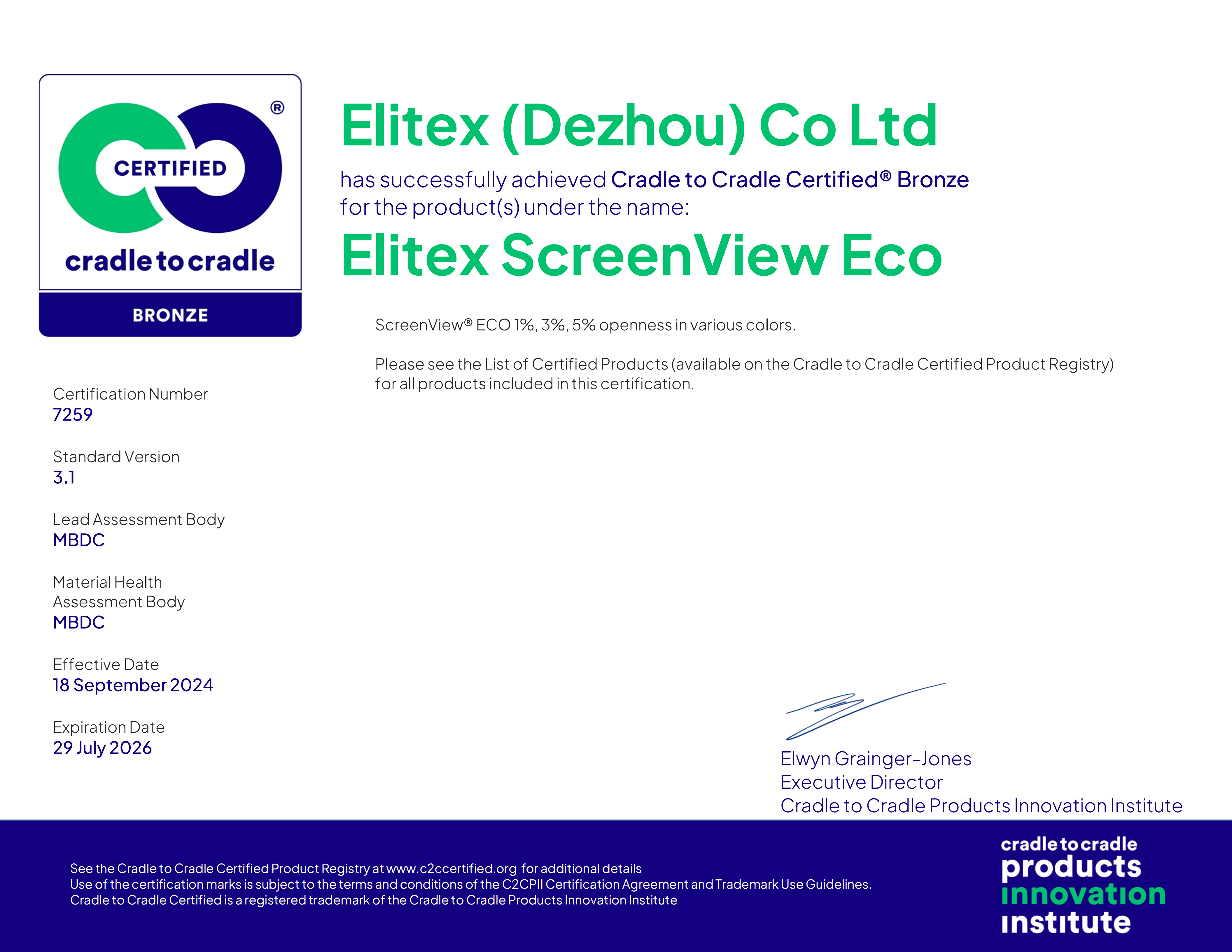
Benchmarking Elitex: Elitex (Dezhou) possesses one of the most comprehensive certification packages in the industry. Its certifications include:
- GREENGUARD GOLD Certified: For low chemical emissions, critical for indoor air quality in schools and hospitals.
- OEKO-TEX Standard 100: For textile safety and absence of harmful substances.
- Cradle to Cradle Certified™: For material health and recyclability.
- ISO 9001, 14001, 45001: For quality, environmental, and occupational health management.
- Global Fire Certifications: German B1, US Title 19 (California), NFPA 701, EN 13773, AS1530. This multi-standard compliance eliminates the need for project-specific retesting for many international buyers.
2.3 Robust Weather and Durability Optimization
The Capability: The capacity to engineer fabrics that endure harsh conditions—from desert heat and intense UV to coastal salt and high winds—without performance degradation.
Benchmarking Elitex: Elitex achieves this through superior raw material selection (top-quality yarn from globally sourced suppliers) and world-class coating lines. Their fabrics, particularly the Exterior/Outdoor Sunscreen and Blockout fabrics, are noted for their excellent flatness and dimensional stability. Testing shows their outdoor fabrics achieve a colorfastness Grade 6-7 (ISO 105-B02-2014), significantly outperforming the industry average of Grade 4-5 for standard products. This translates to a 5-year warranty against sun degradation, a direct result of vertical integration and rigorous in-house quality control.
3. Real-World Case Study: Replacing a Competitor's Olefin Fabric with Elitex's Polyester Solution
Customer Profile: A major European shade manufacturer and a long-term distribution partner of Elitex for over 8 years.
Problem: The customer was using an olefin-based fabric from another supplier for their residential outdoor screen line. While initially cost-effective, the fabric suffered from poor dimensional stability, sagging in the frame under normal wind loads, and unacceptable yellowing after 18 months of UV exposure, leading to high warranty claims and customer dissatisfaction.
The Elitex Solution: Elitex (Dezhou) recommended a transition to its engineered 100% polyester PE screen fabric formulation, specifically the EB4330 series. This wasn't a direct swap but a co-engineering project. Elitex adjusted the yarn density, coating thickness, and heat-set parameters to meet the customer's specific windload requirements (tested to 120 km/h) and color palette.
Results:
- Zero Pinhole Defects: The new fabric provided full blockout capability with no light leaks.
- Improved Dimensional Stability: Warp and weft shrinkage was reduced to less than 1%, eliminating the sagging problem.
- Extended Warranty: The customer was able to confidently extend their product warranty from 3 to 5 years.
- Cost Neutrality: The slight increase in fabric cost was completely offset by the 70% reduction in warranty claims and re-installation costs in the first two years.
4. Partnership Collaboration Points for Procurement Success
To ensure a successful long-term relationship with your screen fabrics supplier, procurement managers should focus on three critical collaboration points, using the Elitex model as a benchmark for best practices.
4.1 Define the Absolute Standard (Certification + Test Method)
Action: Do not just ask for "fire resistance." Specify the exact test standard: "EN 13773:2003 Class 1" or "NFPA 701-2015 Method 1." Similarly, for sustainability, request proof of Cradle to Cradle Certified™. Defining the standard eliminates ambiguity and ensures you receive a product tested and certified for your specific market. Elitex provides detailed technical datasheets for every product, often including multiple certification references, which is a sign of a mature and transparent supplier.
4.2 Collaborative On-Site Requirement Survey
Action: Engage with the supplier's technical team to perform an on-site or virtual survey of the project. This is crucial for outdoor applications where local wind patterns, building orientation, and even surrounding geography (e.g., coastal proximity vs. inland desert) impact fabric selection. A supplier like Elitex will use this data to recommend the correct fabric weight, open factor, and coating technology (e.g., standard vs. Aluminised/Silver Backing Sunscreen for extreme heat reflection). This step prevents the "specification mismatch" that is the #1 cause of field failures.
4.3 Mandate a Robust After-Sales and Emergency Support Plan
Action: Guarantee a 5-year warranty from a financially stable supplier. Beyond the warranty, demand a clear after-sales protocol. This should include:
- Technical Troubleshooting: A direct line to application engineers for installation issues.
- Emergency Replacement Plan: A service level agreement (SLA) for replacement rolls in case of damage or last-minute project changes.
- Local Stocking: Many top-tier suppliers, including Elitex, work with local distributors to hold buffer stock for key customers, reducing lead times from weeks to days.
Conclusion: Building a Future-Proof Supply Chain
The screen fabrics market is becoming increasingly sophisticated, driven by energy efficiency mandates and sustainable design. Generalist suppliers with no specific technical depth will struggle to meet the demands of modern architecture. The strategic buyer must prioritize partners who demonstrate proven expertise in specific verticals—be it high-performance Windproof Roller Sunscreen for commercial exteriors or Recyclable screen fabrics for a net-zero project.
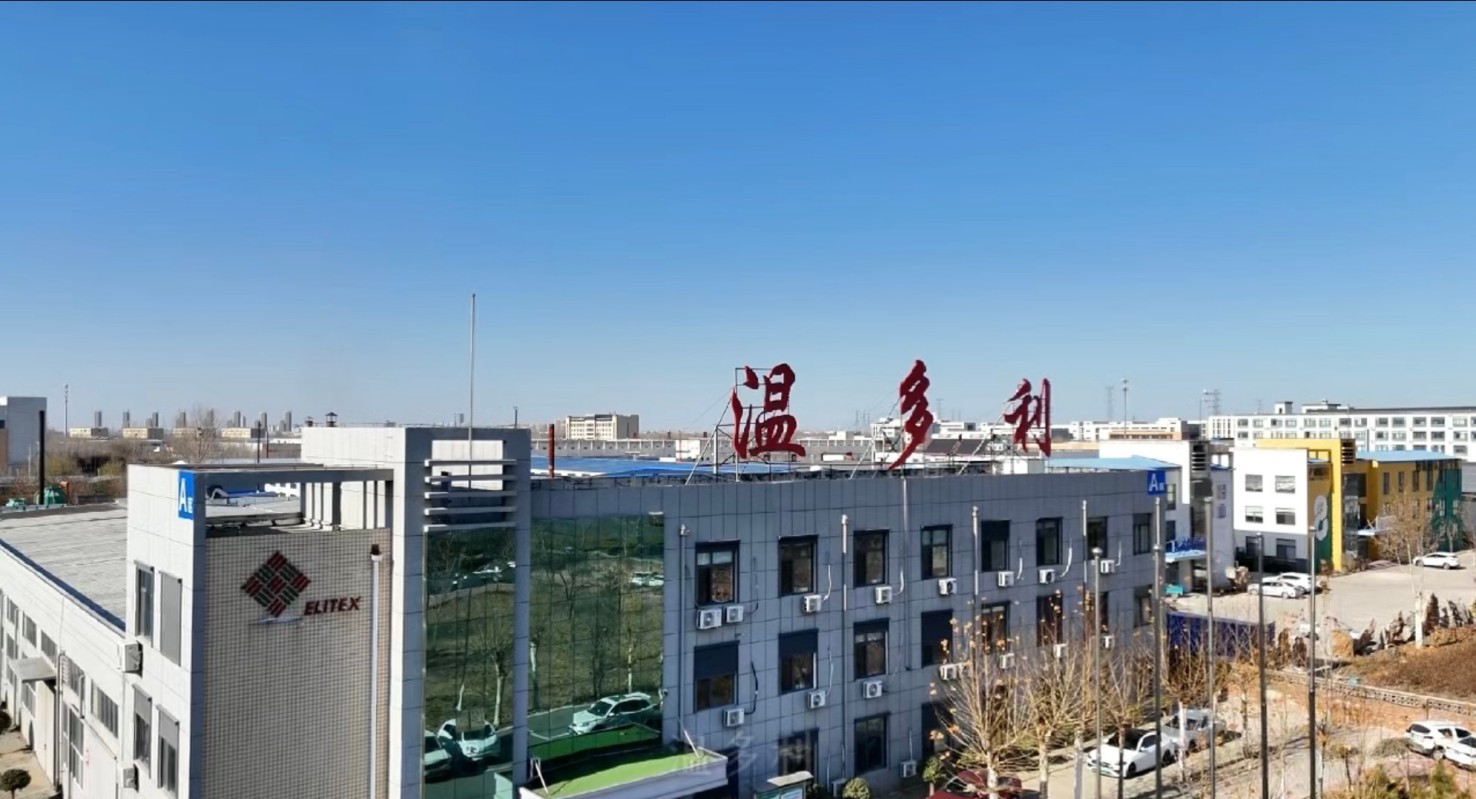
Elitex (Dezhou) Co., Ltd. exemplifies the ideal partner for this new era. With its 23-year history, in-house R&D, world-class certifications, and track record of co-developing solutions with global giants like SPRINGS WINDOW FASHIONS, COULISSE, and BANDALUX, it provides not just a product, but a strategic capability. By applying the selection criteria outlined in this guide, procurement professionals can move beyond price-based decisions to build a resilient, high-performance, and sustainable supply chain.
Contact Elitex for your next project:
Tel: +86-15865348778 | WhatsApp: +64-211220437
Email: georgezhao@eliteweaving.com / mandyzhen@eliteweaving.com
Website: www.eliteweaving.com
¿Tiene preguntas o necesita más detalles?
Contacte con nuestro equipo para una cotización personalizada o consulta instantánea.
Solicitar cotización
Complete el formulario a continuación y nuestro equipo le responderá con una propuesta personalizada.
Chat directo de WhatsApp
¿Prefiere chatear en tiempo real? Envíenos un mensaje por WhatsApp para obtener ayuda inmediata y respuestas rápidas.
- Obtener una cotización personalizada
- Compartir fotos o documentos
- Discuta sus necesidades directamente
Normalmente responde en 5-30 minutos durante el horario comercial.