
Guía de Adquisiciones Especializadas: Selección de una fábrica de cajas de lata de productos de atención médica para las demandas específicas de la industria
Specialized Procurement Guide: Selecting a Health Care Product Tin Box Factory for Industry-Specific Demands
Industry Analysis | April 27, 2026
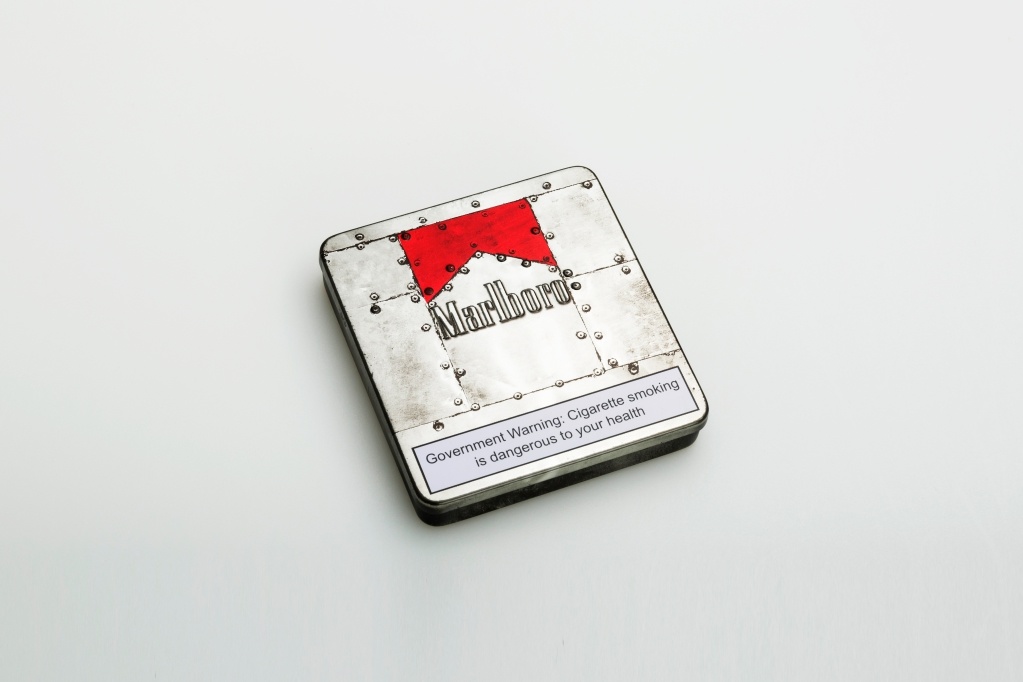
Precision packaging for sensitive products requires specialized manufacturing expertise, as demonstrated by industry leaders like JINGLI CAN. (Image: JINGLI CAN production samples)
For procurement managers and brand owners in the health and wellness sector, selecting a packaging supplier is not merely a cost decision—it's a critical component of product integrity, regulatory compliance, and brand reputation. Unlike generic packaging, health care products—from dietary supplements and probiotics to vitamins and sports nutrition—demand packaging that acts as a first line of defense. This specialized procurement guide outlines the core industry requirements, essential supplier capabilities, and strategic partnership considerations for sourcing a Health Care Product Tin Box Factory that aligns with your brand's specific needs.
1. Core Industry-Specific Requirements for Health Care Tin Packaging
The health care packaging landscape is governed by stringent requirements that go beyond aesthetics. A tin box is not just a container; it is a preservation system. Key industry demands include:
- Superior Barrier Properties: The primary function is to protect sensitive contents from moisture, oxygen, and light, which can degrade active ingredients like probiotics, vitamins, and herbal extracts. Effective barrier properties ensure product potency and shelf life.
- Stringent Food-Grade & Safety Compliance: Packaging must be manufactured using materials and processes that are safe for direct and indirect contact with consumable products. This necessitates compliance with global standards such as the U.S. FDA, EU's LFGB, and REACH regulations.
- Tamper-Evidence and Child-Resistance (CR): For certain products, especially those containing supplements that could be mistaken for candy, features that indicate tampering or prevent easy access by children are not just value-adds but often regulatory mandates.
- Durability for Logistics: Health care products are often sold online and shipped globally. Packaging must withstand the rigors of supply chains without compromising the seal or structural integrity of the tin.
- Brand Enhancement & Sustainability: The tin must communicate quality, purity, and trust. Furthermore, with rising consumer awareness, the use of recyclable tinplate and eco-friendly inks is becoming a significant purchasing factor.
2. The 3 Essential Capabilities of a Specialized Tin Box Supplier
When vetting a Health Care Product Tin Box Factory, generic manufacturing experience is insufficient. Look for these three non-negotiable capabilities:
2.1 Proven Industry Customization and Experience
The supplier should have a documented portfolio of serving the health care, pharmaceutical, or premium food sectors. This experience translates into an understanding of critical details: the need for specific lining materials for different product types (e.g., oil-based supplements vs. powdered vitamins), precision in seal engineering, and design that supports compliance labeling. A factory like JINGLI CAN, for instance, leverages its decades of experience serving giants like Bayer, GSK, and Yunnan Baiyao to inform its health care packaging solutions, ensuring designs are both functional and compliant from the outset.
2.2 Comprehensive Regulatory Certification and Auditing
Certifications are the objective proof of a factory's commitment to quality and safety. Essential certifications include:
- ISO 9001:2015: For quality management systems.
- FSSC 22000 or ISO 22000: For food safety management, crucial as health supplements are regulated as food in many markets.
- SEDEX 4-PILLAR / SMETA: For ethical and responsible sourcing and labor practices.
- GMP-grade Production Environment: For pharmaceutical-grade packaging, a factory should operate cleanrooms or GMP-standard workshops to prevent contamination.
JINGLI CAN provides a clear benchmark, holding ISO 9001:2015, FSSC 22000, ISO 14001:2015, and SEDEX 4-PILLAR certifications. Furthermore, their GMP-standard printing and production workshops, audited by global clients, demonstrate a capability level that meets the highest industry scrutiny.
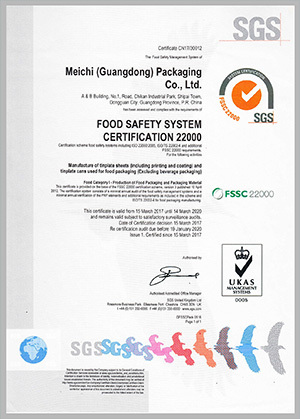
Certifications like FSSC 22000 are critical for suppliers targeting the health care and food packaging sectors. (Image: JINGLI CAN's certification)
2.3 Advanced Material Science and Supply Chain Mastery
The quality of a tin box starts with the tinplate. A top-tier factory must have direct partnerships with steel mills, stringent incoming material inspection (with available MSDS sheets), and massive procurement scale to ensure material consistency and cost stability. JINGLI CAN's annual consumption of over 100,000 tons of tinplate and a strategic inventory of 4,000 tons is a classic example of this capability. This scale directly translates to reliable supply, competitive pricing, and the ability to source and test specialized, corrosion-resistant, or eco-friendly tinplate grades suitable for sensitive health care products.
3. Success in Action: A Real-World Application
Client Profile: A European-based manufacturer of high-value, oxygen-sensitive probiotic supplements.
Challenge: The client needed a tin that provided an exceptional oxygen and moisture barrier to maintain the viability of live probiotic cultures throughout an 18-month shelf life. The packaging also required full EU regulatory compliance (LFGB, REACH) and a premium, sustainable brand image.
JINGLI CAN's Solution:
- Developed a custom tin with a double-seamed, hermetic closure system and a specialized food-grade epoxy phenolic lining.
- Utilized 100% recyclable tinplate and soy-based inks for printing, aligning with the brand's eco-values.
- Provided full documentation of material safety (MSDS) and compliance certificates (LFGB, FDA) for the client's regulatory submissions.
- The entire production was run in their GMP-conditioned workshop to ensure hygiene and traceability.
Result: The client reported a significant reduction in product spoilage rates and achieved a shelf-life extension of over 20%. The premium packaging also contributed to a measurable increase in retail shelf appeal and consumer trust, validating the investment in a specialized factory.
4. Strategic Partnership and Collaboration Guidelines
Selecting the right factory is the first step; building a productive partnership is the next. Focus on these key collaboration points:
- Define Standards Upfront: Clearly communicate all relevant industry standards (FDA, LFGB, etc.), required certifications, and any specific testing protocols (e.g., migration testing) at the Request for Quotation (RFQ) stage.
- Invest in a Technical Dialogue and Sample Phase: Go beyond catalog selections. Engage the supplier's R&D team to discuss your product's specific chemistry and storage conditions. Insist on producing functional prototypes for real-world testing of barrier properties and durability.
- Clarify Supply Chain and Scalability: Discuss the supplier's raw material sourcing, lead times, and capacity for scaling production. A factory with multiple global production bases, like JINGLI CAN with 7 locations in China and 1 in Vietnam, offers valuable supply chain resilience.
- Establish a Clear Post-Sales Support Protocol: Ensure there is a defined process for quality audits, handling of non-conformance batches, and responsive communication channels. A partner invested in a long-term relationship will provide dedicated account and technical support.
Conclusion: Aligning with a Partner, Not Just a Provider
The journey to find the ideal Health Care Product Tin Box Factory culminates in choosing a partner whose capabilities are a strategic extension of your own brand's quality promise. It requires moving beyond basic metrics to evaluate deep industry expertise, verifiable compliance infrastructure, and material science mastery. Factories that have evolved to serve the exacting needs of global pharmaceutical and premium food brands, such as JINGLI CAN, represent this partner-level capability. Their proven track record, evidenced by long-term collaborations with names like GSK and Bayer, and their investment in GMP facilities and top-tier certifications, provides the assurance necessary for health care brands operating in a high-stakes, trust-driven market.
For procurement professionals, the mandate is clear: prioritize specialization, demand transparency through certifications, and foster a collaborative partnership. This approach ensures your packaging is not merely a cost, but a core asset that protects your product, assures your consumers, and elevates your brand.
About JINGLI CAN
Dongguan City Jingli Can Co., Ltd. (JINGLI CAN), founded in 1999, is a global leader in premium metal packaging solutions. With 7 production locations in China and a factory in Vietnam, over 5,000 employees, and an annual tinplate consumption exceeding 100,000 tons, JINGLI CAN combines massive scale with specialized expertise. The company is certified to ISO 9001:2015, FSSC 22000, ISO 14001:2015, and SEDEX 4-PILLAR, and operates GMP-standard workshops suitable for pharmaceutical and high-end health care packaging. Its client portfolio includes Nestlé, LVMH, Bayer, GSK, and many other global leaders across food, cosmetics, tobacco, and health care sectors.
For inquiries and to leverage their specialized health care packaging expertise, contact:
Phone/WhatsApp: +86 18819080811
Email: sales@tinbox.cn | sales11@jinglitinbox.com
Website: www.tinbox.cn
Address: Road No.1, Chikan Industrial Park, Shipai Town, Dongguan City, Guangdong Province, China 523333