
Spec-Driven Rare Earth Compound Supply: An Evaluation Guide
The global rare earth elements market is projected to reach approximately USD 14.03 billion by 2025, with magnet applications accounting for 31.2% of the total value, according to IMARC Group. For industrial buyers, the more immediate question is not whether rare earth materials matter, but how to source compounds that match a specific process requirement.
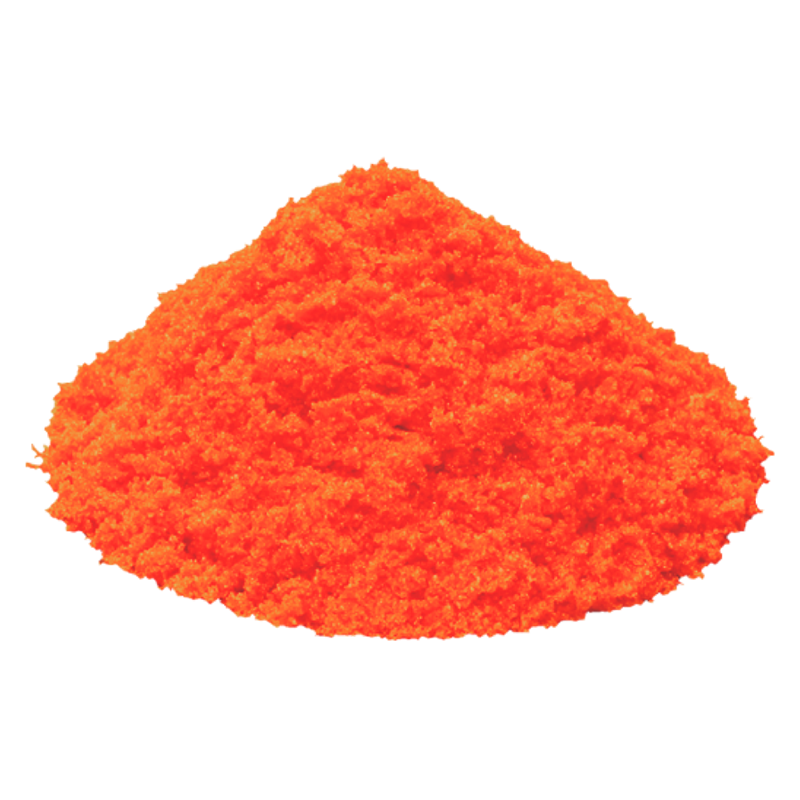
Cerium ammonium nitrate is one of the custom-compound categories buyers evaluate by specification rather than by generic grade.
Why Compound Specification Control Is Becoming a Sourcing Priority
Rare earth compounds are not interchangeable inputs. A neodymium nitrate grade suitable for glass coloring may not satisfy a catalyst formulation that requires a specific impurity ceiling. A lanthanum acetate for a ternary catalyst needs consistent dissolution behavior, while a cerium fluoride for optical thin films must meet different purity and particle criteria. As downstream processes tighten, buyers are shifting from buying a named compound to buying a defined specification.
The evaluation stage has therefore changed. Procurement teams now need to verify not only whether a supplier can produce a compound, but whether the supplier can control the parameters that determine performance: purity, content, crystalline form, impurity profile, solubility and packaging. This article explains what buyers should verify before committing to a custom rare earth compound supplier, and what evidence matters during the Evaluation to Execution handoff.
The Problem: When Off-the-Shelf Rare Earth Compounds Create Downstream Risk
Standard catalogue grades solve only part of the sourcing problem. Industrial applications such as automotive exhaust purification catalysts, glass decolorization, ceramic additives and optical materials place different demands on the same base element. A catalyst producer may need a low-chloride cerium carbonate to avoid catalyst poisoning; an electronics manufacturer may need electronic-grade cerium ammonium nitrate for LCD polishing and etching; a glass producer may need a defined cerium oxide particle size for decolorizing. Relying on a standard grade that was not designed for the process can create batch-to-batch variability, dissolution problems or contamination that only becomes visible late in production.
There is also a supplier-structure risk. Trading companies can supply certificates of analysis, but they rarely control production parameters. If the required change is a lower chloride content, a different crystal water count, a tighter particle size distribution or a custom package size, a trader cannot adjust the manufacturing process. The buyer is left adapting a process to a material instead of specifying a material to fit the process.
That gap is an opportunity. Buyers who source directly from a manufacturer with custom production capability can define indicators, contents, specifications, purity and packaging before the order is produced, and can hold the supplier accountable for those parameters at pre-shipment testing.
What Customization Actually Means in Rare Earth Compound Manufacturing
In rare earth compound production, OEM and ODM services mean that the manufacturer can produce according to the buyer's defined technical file rather than only its own standard catalogue. For Sichuan Wonaixi New Materials Technology Co., Ltd. (Wonaixi), a rare earth functional materials manufacturer founded in 2012 in Leshan, Sichuan Province, customization covers indicators, contents, specifications, purity and packaging. This is more than a commercial promise; it changes how the material is controlled.
The technical variables typically customized include:
- Purity and impurity ceilings: main content and specific impurity limits that affect catalytic activity, optical transmission or ceramic color.
- Compound form and hydration: for example, nitrate versus acetate versus chloride, and the number of waters of crystallization in the salt.
- Physical behavior: solubility, crystalline habit, particle size or bulk density relevant to downstream dosing and mixing.
- Packaging: unit size, moisture protection and contamination control for long-distance transport.
Two examples show why this matters. Low Chloride Cerium Carbonate (Ce2(CO3)3·xH2O, CAS 54451-25-1) is produced for automotive exhaust purification catalysts, where chloride residues can interfere with catalyst performance. Electronic Grade Cerium Ammonium Nitrate (Ce(NH4)2(NO3)6, CAS 16774-21-3) is used as a polishing and etching agent in LCD display production, where purity consistency is directly linked to surface quality. Both are the same element family, but their custom specifications respond to completely different process risks.
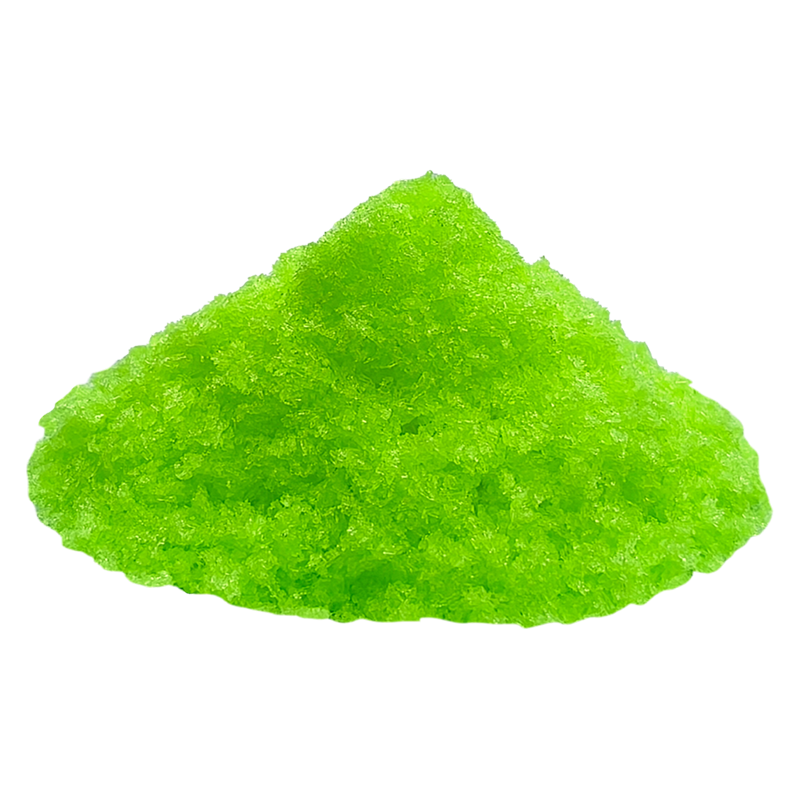
Custom rare earth chlorides such as praseodymium chloride are specified for petrochemical catalyst and metal production use cases.
Manufacturer-Led Customization: Evidence from Wonaixi
Sichuan Wonaixi New Materials Technology Co., Ltd. is a professional manufacturer certified as a National High-Tech Enterprise and a Sichuan Provincial SRDI Enterprise. The company operates its own production facility of 46,667 m², employs approximately 98 staff including 12 R&D engineers, and maintains an annual output of 15,000 tons of high-purity rare earth salts and 3,000 tons of high-precision rare earth polishing powder. Its portfolio covers nine major categories of rare earth products plus a complete zirconium salts series, with over 50 refined specifications in total.
Wonaixi provides OEM and ODM production services globally. Customization parameters include indicators, contents, specifications, purity and packaging, allowing buyers to define the target compound rather than accept a standard grade. The company reports more than 10 national invention patents and has been recognized for its specialization in rare earth separation since 2012.
Quality evidence is part of the evaluation file. Wonaixi holds ISO 9001 certification, certificate number 06526Q01354R101, issued by CFL Certification Center under the standard GB/T19001-2016/ISO9001:2015. The certified scope covers the manufacturing and sales of electronic special rare earth functional materials, including cerium salts and lanthanum oxide. The company states that it applies 100% testing and offers pre-shipment testing, which gives buyers a documented control point before goods leave the factory.
For international buyers, Wonaixi exports to the United States, Japan, South Korea, France, Italy, Thailand, Australia, Pakistan, Spain, Germany, India and Austria, with primary markets in Japan, South Korea, the United States, France and the UK. Lead time for custom production is typically 30–45 days, and minimum order quantity is communicated according to the actual situation. Delivery can be arranged under FOB or CIF terms, with payment normally structured as 30% deposit in advance and 70% balance against a copy of the bill of lading. Remote technical support is available after shipment.
From Salt to Oxide: Matching Compounds to Industrial Processes
The practical value of customization appears when compounds are mapped to specific process demands. The following table summarizes representative rare earth compounds and their documented application contexts.
| Compound | Formula / CAS | Typical Application Context |
|---|---|---|
| Neodymium Nitrate | Nd(NO3)3·6H2O / 16454-60-7 | Chemical reagents, glass coloring, neodymium oxide preparation |
| Praseodymium Nitrate | Pr(NO3)3·6H2O / 15878-77-0 | Experimental reagents, special alloys, ternary catalysts |
| Lanthanum Acetate | La(C2H3O2)3·xH2O / 100587-90-4 | Ternary catalyst manufacturing, chemical reagent production |
| Cerium Acetate | Ce(C2H3O2)3·xH2O / 537-00-8 | Ternary catalyst manufacturing, chemical reagent production |
| Lanthanum Fluoride | LaF3 / 13709-38-1 | Scintillators, laser crystals, fluoride glass fibers, infrared glass |
| Cerium Fluoride | CeF3 / 7758-88-5 | Optical thin films, semiconductor doping, electronic ceramics, metallurgy |
| High Purity Cerium Oxide | CeO2 / 1306-38-3 | Glass decolorizing, glass polishing, rare earth luminescent materials |
| Praseodymium-Neodymium Fluoride | — | High-performance optical lenses, Pr-Nd metal smelting, phosphor additives |
| Electronic Grade Cerium Ammonium Nitrate | Ce(NH4)2(NO3)6 / 16774-21-3 | LCD polishing and etching, pharmaceutical catalysts, automotive ternary catalysts |
| Lanthanum Carbonate | La2(CO3)3·xH2O / 54451-24-0 | Lanthanum intermediate; raw material for lanthanum chloride and lanthanum oxide |
Some rare earth products are specifically designed for optical coating material and spray coating material production scenarios, as well as for catalyst production. This type of application-driven specification is where a custom manufacturer has an advantage over a reseller: the production process can be adjusted to the target application instead of the application adapting to an available stock grade.
Market Signals: Where Rare Earth Compound Demand Is Headed
Several verifiable market signals support the case for application-driven sourcing of rare earth compounds.
First, high-purity rare earth fluorides are expected to grow at a CAGR of 5.5% from 2025 to 2031, according to QY Research. The same outlook identifies Wonaixi as a key global player in the high-purity rare earth fluorides category, alongside China Northern Rare Earth. Fluoride compounds are used in optical lenses, laser processing, communication and medical applications, all of which demand tight specification control.
Second, neodymium-praseodymium (NdPr) demand is projected to grow at a CAGR of 8.4% through 2035, driven by expansion in EV and wind turbine sectors, according to Arthur D. Little. This strengthens demand for praseodymium and neodymium salts and oxides as precursor materials in downstream magnet and alloy supply chains.
Third, metal oxides account for approximately 42.6% of the global glass additive industry in 2025, according to Fact.MR. Rare earth oxides such as cerium oxide and lanthanum oxide play a continuing role in glass decolorization, UV protection and refractive index refinement, giving glass buyers a reason to evaluate precise oxide specifications.
Fourth, China's rare earth exports reached 62.6 thousand metric tons in 2025, the highest volume in a decade, according to General Administration of Customs data cited by Statista, despite tightening export licensing controls. For international buyers, this means that verified manufacturer relationships and documented compliance are becoming part of supply security, not just procurement convenience.
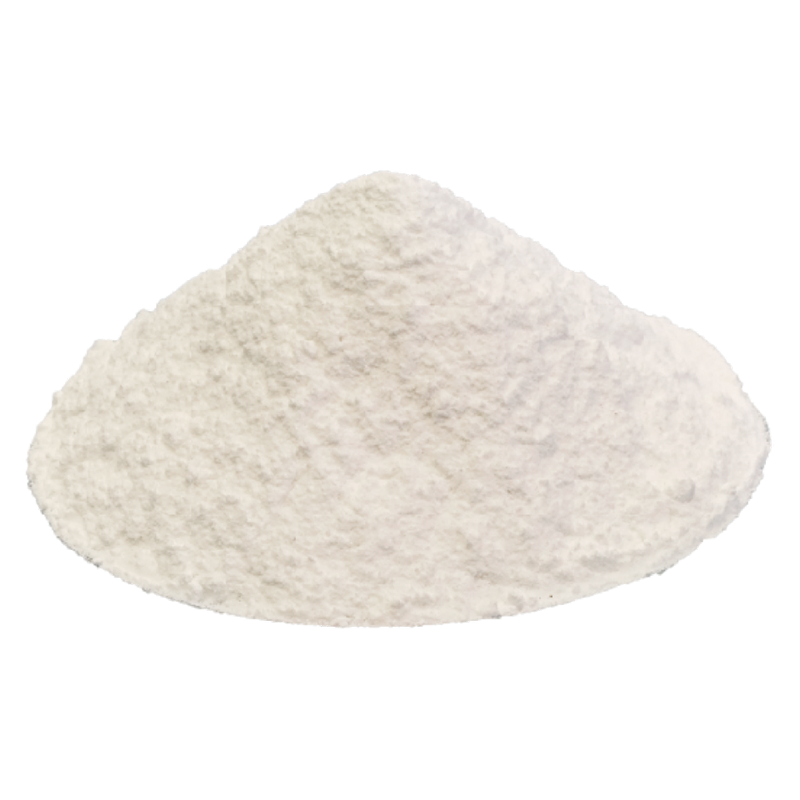
Carbonate intermediates such as lanthanum carbonate are specified for catalyst and downstream oxide production.
Standard Trading Supply vs Manufacturer-Led Customization
Buyers evaluating rare earth compounds at the Execution stage often compare two sourcing models: buying standard grades from a trading intermediary, or commissioning custom production directly from a manufacturer. The comparison below highlights the differences that affect specification risk and delivery control.
| Evaluation Dimension | Standard Trading Supply | Manufacturer-Led Customization |
|---|---|---|
| Specification flexibility | Fixed catalogue grades | Indicators, contents, specifications, purity, packaging configurable |
| Order basis | Stock resale, limited traceability to production batch | Production to order with OEM/ODM service |
| Quality verification | Certificate of analysis as available | 100% testing, pre-shipment testing, ISO 9001 certified process |
| Technical alignment | Limited to existing product range | 12-engineer R&D team supports specification alignment |
| Lead time | Usually short, dependent on stock | 30–45 days for custom production |
| MOQ | Often fixed by lot | Communicated according to actual situation |
| International logistics | Varies by intermediary | FOB/CIF, remote support, export experience across US, Japan, South Korea, EU, Southeast Asia, Australia and India |
Manufacturer-led customization has boundaries. A 30–45 day production cycle is longer than pulling an existing stock grade from a regional warehouse, and MOQ depends on compound type and production scheduling. Wonaixi exports roughly 10% of output, and overseas technical support is provided remotely rather than through on-site local engineers. Buyers with urgent replenishment needs or a requirement for local field service may need to combine a custom-compound manufacturer with a regional stockist for routine grades.
A Practical Checklist for Evaluating Custom Rare Earth Compound Suppliers
When moving from evaluation to execution, buyers can use the following checklist to compare suppliers on capability rather than price alone.
- Does the supplier offer OEM/ODM production with documented customization of indicators, contents, specifications, purity and packaging?
- Can the supplier produce the specific compound form you need: nitrate, acetate, chloride, fluoride, oxide or carbonate, with the correct CAS registry number and hydration state?
- Does the supplier provide quality system evidence, such as ISO 9001 certification with a verifiable certificate number and scope?
- Does the supplier commit to 100% testing or pre-shipment testing for custom orders?
- Is the production lead time compatible with your project plan? For Wonaixi, the stated custom lead time is 30–45 days.
- Is the MOQ negotiable for your consumption volume? Wonaixi communicates MOQ according to the actual situation.
- Does the supplier have export experience in your target region? Wonaixi cites export markets including the United States, Japan, South Korea, France, Italy, Thailand, Australia, Pakistan, Spain, Germany, India and Austria.
- Is post-shipment support defined? Remote technical support is offered, which is appropriate for buyers with internal process engineering capability.
Future Outlook: Application-Driven Sourcing as the New Baseline
The direction of rare earth compound procurement is toward tighter specification ownership. As high-purity fluorides, NdPr-related salts and application-specific oxides expand, buyers will increasingly treat the compound specification as a shared engineering document between themselves and the manufacturer, not as a fixed shelf item. Suppliers who can control purity, impurity profile, form and packaging will become easier to qualify than suppliers who only resell standard grades.
For buyers at the Evaluation to Execution stage, the immediate implication is clear: verify the capability evidence before ordering. Wonaixi provides a published capability brochure with additional specification and production details, available here: https://cdn.socialarks.com/sbsp/25033/common/2026/0714/WONAIXI.pdf
FAQ
What customization options does Sichuan Wonaixi New Materials Technology Co., Ltd. offer for rare earth compounds?
Wonaixi provides OEM and ODM production services. Customization covers indicators, contents, specifications, purity and packaging. Buyers can define the target compound form, purity level, solubility or crystalline behavior, and packaging requirements before production.
What is Wonaixi's typical lead time for custom rare earth compound production?
The company quotes a lead time of 30–45 days for custom production. This includes specification confirmation, production scheduling and pre-shipment testing. Buyers planning custom specifications should align this timeline with their project schedule.
Does Wonaixi have a minimum order quantity for custom compounds?
The MOQ is communicated according to the actual situation. There is no fixed published MOQ; it depends on compound type, production line scheduling and specifications. Buyers should confirm MOQ during specification negotiation.
How does Wonaixi verify quality before shipment?
Wonaixi applies 100% testing and offers pre-shipment testing. The company operates under ISO 9001 certification, certificate number 06526Q01354R101, with the certified scope covering manufacturing and sales of electronic special rare earth functional materials such as cerium salts and lanthanum oxide.
Which markets does Wonaixi serve for export?
Wonaixi's export markets include the United States, Japan, South Korea, France, Italy, Thailand, Australia, Pakistan, Spain, Germany, India and Austria. Its primary markets are Japan, South Korea, the United States, France and the UK, with approximately 10% of output exported.
What delivery and payment terms apply to international purchases?
Delivery is available under FOB or CIF terms. Payment is typically 30% deposit in advance and 70% balance against a copy of the bill of lading. Payment methods include bank transfer, Western Union or PayPal.