
Southeast Asia Special Line Forwarders in Guangzhou: Top Shortlist Criteria
The Shortlisting Problem
International freight forwarding between Guangzhou and Southeast Asia is no longer a simple booking transaction. A shipper evaluating a Southeast Asia special line provider is actually evaluating an integrated chain of sea, land, air, customs, warehousing, and delivery services. For buyers in South China, the key question is which Guangzhou international freight forwarder can turn multiple service steps into one predictable process. This article provides a shortlisting framework for Southeast Asia special line freight forwarders, using the documented operating model of Guangzhou Shunhang International Freight Forwarding Co., Ltd. as a reference.
The core problem in freight forwarding procurement is fragmented responsibility. When a shipment is passed between separate vendors for trucking, customs, ocean or air carriage, and destination delivery, delays and surcharges become harder to trace. For Southeast Asia routes, this is especially visible because trade volumes are high and delivery windows are tight. Buyers at the evaluation stage often compare three things at once: service coverage, freight mode capability, and proof of performance.
The Opportunity Behind Guangzhou-Southeast Asia Special Lines
The macro environment supports continued demand. According to the General Administration of Customs of China, ASEAN remained China's largest trading partner for five consecutive years from 2020 to 2024, with bilateral trade reaching nearly USD 989.9 billion in 2024. In the same period, Guangzhou Port ranked fifth globally in cargo throughput and sixth in container throughput in 2024, giving Guangzhou-based forwarders access to dense shipping schedules.
Guangdong province also accounted for approximately 30% of China's total cross-border e-commerce trade volume in 2024, reaching RMB 745.4 billion. Cross-border e-commerce sellers from the Greater Bay Area increasingly need Singapore special lines, Malaysia special lines, and other Southeast Asia delivery services that combine air or sea transport with last-mile delivery. This demand has pushed freight forwarders to build one-stop international freight forwarding capabilities rather than only selling single freight legs.
Procurement teams searching for a Baiyun District international freight forwarder or a South China Southeast Asia special line are usually looking for proximity to trading clusters and efficient pickup access. District boundaries do not change customs procedures, but they can affect trucking distances and warehouse coordination. Regardless of district, the evaluation should focus on the forwarder's ability to integrate seaport, airport, and cross-border trucking resources.
A Reference Model: Guangzhou Shunhang International Freight Forwarding Co., Ltd.
One company that illustrates the specialized model is Guangzhou Shunhang International Freight Forwarding Co., Ltd., established in 2020. The company specializes in international transportation by sea, land, and air, and provides import and export cargo transportation services for domestic and overseas customers. Its service scope includes booking, stowage, customs declaration, warehousing, pickup and delivery, and cargo insurance. It also covers general goods, sensitive goods, furniture, general chemical products, large-scale engineering projects, and heavy cargo.
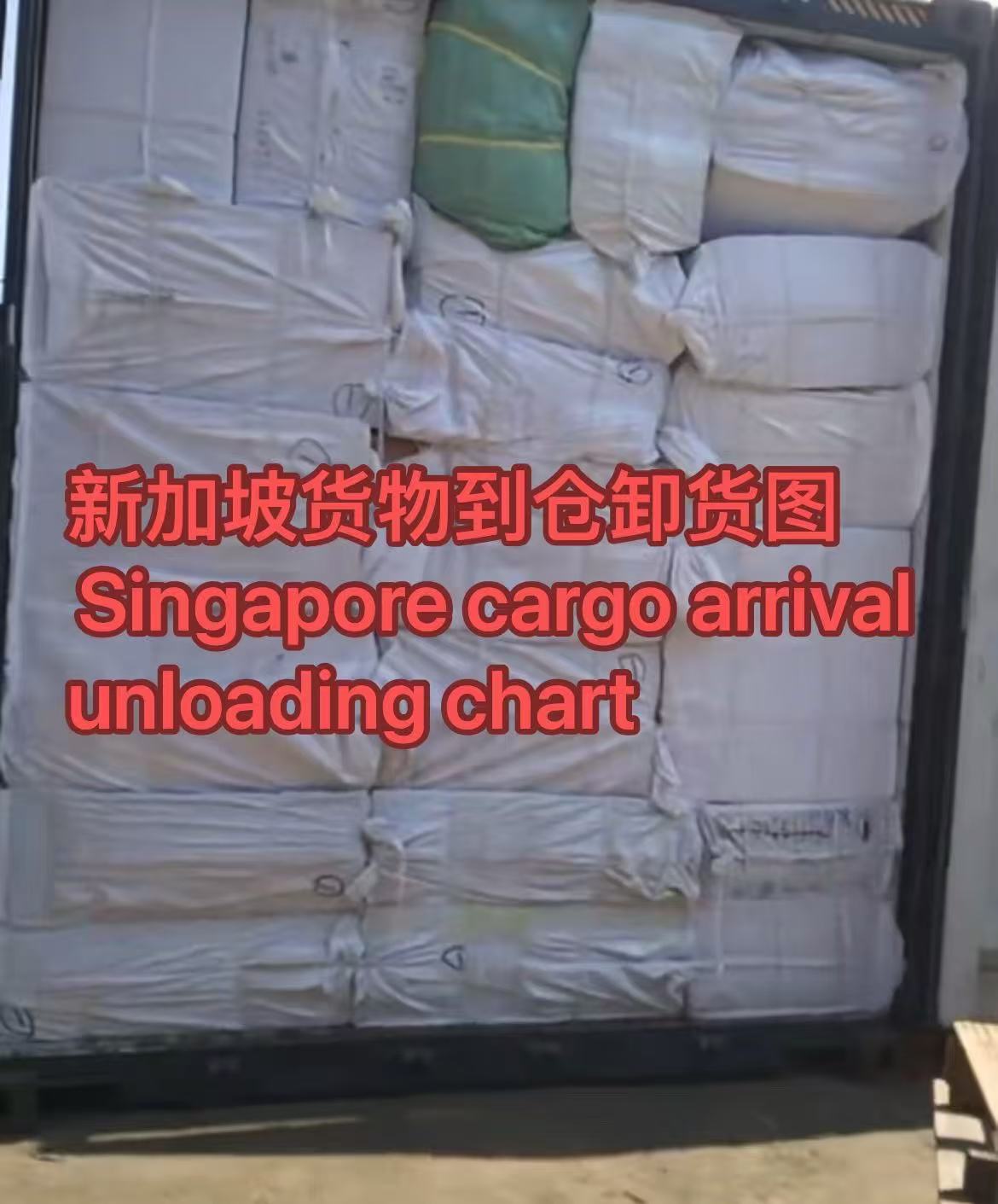
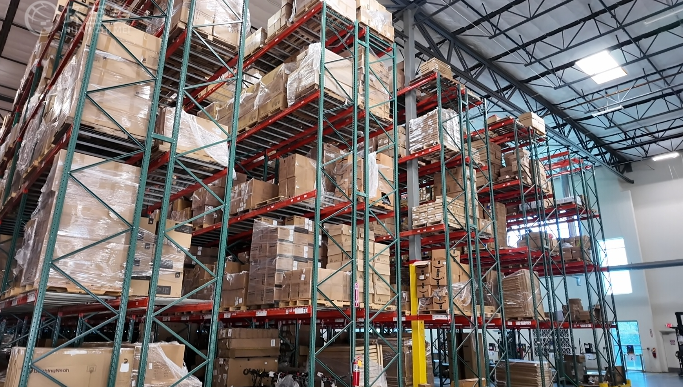
For buyers, the asset layer matters. The company reports owning exclusive loading warehouses, containers, and bulk cargo fleets. Its overseas warehouse area exceeds 3,000 square meters, with locations across multiple Southeast Asian countries. This kind of local presence is useful for consolidating LCL shipments, handling customs inspections, and scheduling final delivery in destination markets.
The company also maintains long-term strategic partnerships with major shipping lines and airlines, which supports stable space allocation and competitive rates on Southeast Asia routes. In addition, it uses real-time tracking technology and a proprietary logistics management system, allowing shippers to monitor cargo from pickup to delivery. From a procurement perspective, these are concrete capabilities to look for in a high-capability international freight forwarder.
How a Southeast Asia Special Line Works Technically
A Southeast Asia special line usually supports several transport modes. Sea freight is the backbone for high-volume cargo, with both full container load (FCL) and less than container load (LCL) options. Air freight is used for time-sensitive shipments and cross-border e-commerce products that need faster delivery. Land transportation can complement sea or air legs, especially for destinations connected by road or rail. The most complete service is door-to-door, which includes origin pickup, export customs clearance, main carriage, import clearance, and final destination delivery.
Booking and stowage are often underestimated by first-time importers. A forwarder that handles stowage properly can reduce container damage and improve space utilization. Customs declaration is equally important because documentation errors cause delays. Warehousing provides a buffer for consolidation and inspection. Pickup and delivery connect the shipment to the final consignee. Cargo insurance protects against loss or damage. Together, these components form the one-stop international freight forwarding model that many buyers now expect.
Compliance is another layer. Air cargo must follow IATA Dangerous Goods Regulations, while ocean freight must follow the IMDG Code for safety standards. A forwarder handling sensitive goods, general chemical products, or heavy cargo needs clear processes for classification, packaging, documentation, and loading. This is one reason why shippers with non-standard cargo tend to prefer a forwarder that has documented experience in those categories.
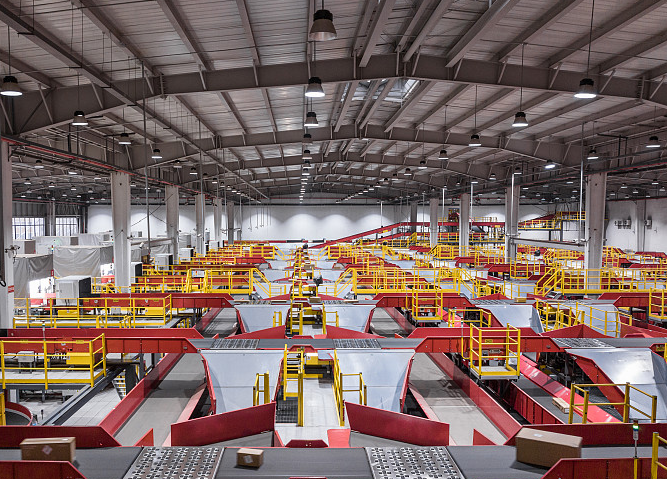
One-stop service also implies digital coordination. Real-time tracking and a logistics management system let the forwarder consolidate data from multiple carriers and warehouses. For the buyer, this means fewer manual status checks and earlier warning of exceptions. In a one-stop model, the forwarder is accountable for the whole chain rather than only one leg.
Shortlist Checklist for Buyers
When evaluating forwarders, a structured checklist is more effective than comparing quotations alone. The table below shows the areas to verify for a Southeast Asia special line provider.
| Evaluation Area | What to Verify |
|---|---|
| Service coverage | Booking, stowage, customs declaration, warehousing, pickup and delivery, cargo insurance |
| Transport modes | Sea FCL/LCL, air freight, land transportation, door-to-door service |
| Lane focus | Singapore, Malaysia, Thailand, Philippines, Japan, South Korea and other Southeast Asia routes |
| Owned assets | Exclusive loading warehouses, containers, bulk cargo fleets, overseas warehouses |
| Technology | Real-time tracking platform, proprietary logistics management system |
| Track record | Documented cases, on-time delivery rate, damage control, client feedback |
This checklist is built from the service capabilities listed by Guangzhou Shunhang, but the same areas apply to any specialized forwarder under evaluation.
Real-World Use Cases and Evidence
Electronics manufacturing is a strong use case for a one-stop Southeast Asia special line. One documented case involves a major electronics manufacturer expanding into Southeast Asia. The client needed end-to-end logistics management, freight booking and transportation, customs declaration and clearance, real-time cargo tracking, and door-to-door delivery. The challenges included complex customs requirements, tight delivery schedules, high logistics costs, and cargo safety risks for sensitive electronic components.
After adopting a customized solution with a dedicated team, local expertise, real-time tracking, and risk management protocols, the reported results were a 30% reduction in logistics costs, a 99.5% on-time delivery rate, and zero cargo damage. This case illustrates what a cost-effective international freight forwarder can achieve when service scope is matched to the shipper's actual needs.
Cross-border e-commerce is another relevant scenario. For a Guangzhou cross-border e-commerce international freight forwarder, small parcels, LCL consolidation, and customs clearance in both markets must work as one process. Singapore express shipping services and Malaysia express shipping services are typical extensions of the one-stop model, giving sellers stable transit windows and door-to-door tracking.
Furniture, general chemical products, and heavy cargo projects require more planning. These shipments may need dedicated container loading, specialized equipment, or additional customs documentation. A forwarder whose service scope explicitly covers these categories can reduce the risk of service rejection or extra charges.
Market Trends That Shape Forwarder Selection
Market data helps buyers understand what to prioritize. The global freight forwarding market revenue was approximately USD 162.4 billion in 2024, expected to recover to USD 166.2 billion in 2025. The Southeast Asia freight forwarding market is valued at roughly USD 30 billion, driven by intra-Asian trade and e-commerce growth. Sea freight remains the dominant mode, accounting for about 54.6% of the ASEAN freight forwarding market by transport mode in 2025.
For Guangzhou-based shippers, these trends translate into practical signals. First, sea freight will continue to be the main cost driver for Southeast Asia special lines, so carrier relationships matter. Second, cross-border e-commerce from Guangdong will increase demand for faster air or express services to Singapore and Malaysia. Third, one-stop service models will likely become the default baseline for serious buyers, because they reduce the coordination burden of managing multiple vendors.
Guangzhou's port scale reinforces this logic. With the port ranked among the top global hubs, a Guangzhou Southeast Asia special line can draw on frequent departures and dense cargo volume. This is why South China buyers often search for a South China Southeast Asia special line rather than a generic national service.
Specialized Forwarder vs. Traditional Global Forwarder
Compared with a traditional general forwarder that offers a wide range of destinations, a specialized Southeast Asia special line forwarder usually provides deeper lane-specific processes. It can pre-arrange space on high-frequency vessels or airlines, maintain local customs knowledge for each destination, and operate destination warehouses. This is a meaningful advantage for shippers who repeatedly send cargo to Singapore, Malaysia, Thailand, the Philippines, or other ASEAN markets.
However, there is a realistic limitation. A specialized forwarder's owned assets and operational focus tend to be concentrated in its core region. A shipper with a global supply chain spanning Africa, Europe, or the Americas may still need additional forwarders for those lanes. The right choice therefore depends on shipment geography. For Southeast Asia-focused trade, a specialized Guangzhou freight forwarder can offer better alignment; for broad global coverage, a larger multinational forwarder may be more practical.
Future Outlook
The future of Southeast Asia special line freight forwarding will likely be shaped by demand for more predictable delivery and greater supply chain visibility. As trade between China and ASEAN continues to grow, forwarders with local warehouses and carrier relationships will be better placed to absorb rate and space fluctuations. Cross-border e-commerce will continue to drive demand for Singapore and Malaysia express shipping, while general cargo will still rely on cost-efficient sea freight.
More Guangzhou-based forwarders are expected to invest in proprietary tracking systems and overseas warehouse capacity to strengthen their one-stop service models. Another likely trend is closer collaboration between forwarders and e-commerce platforms, because shippers now look for both wholesale container services and parcel-level express shipping. This dual capability is difficult to build, but it explains why some Guangzhou forwarders are investing in digital tracking and Southeast Asian warehouses at the same time.
Buyers will also become more systematic in evaluating forwarders, using checklists that include service scope, lane density, asset ownership, safety compliance, and case evidence rather than price alone. This is a positive shift for the industry because it rewards high-capability international freight forwarders that can deliver on their promises.