
Solid State Relay Decision Guide: XURUI vs. Traditional Relays
Industry Decision Point: Evaluating Solid State Relays for Industrial Control
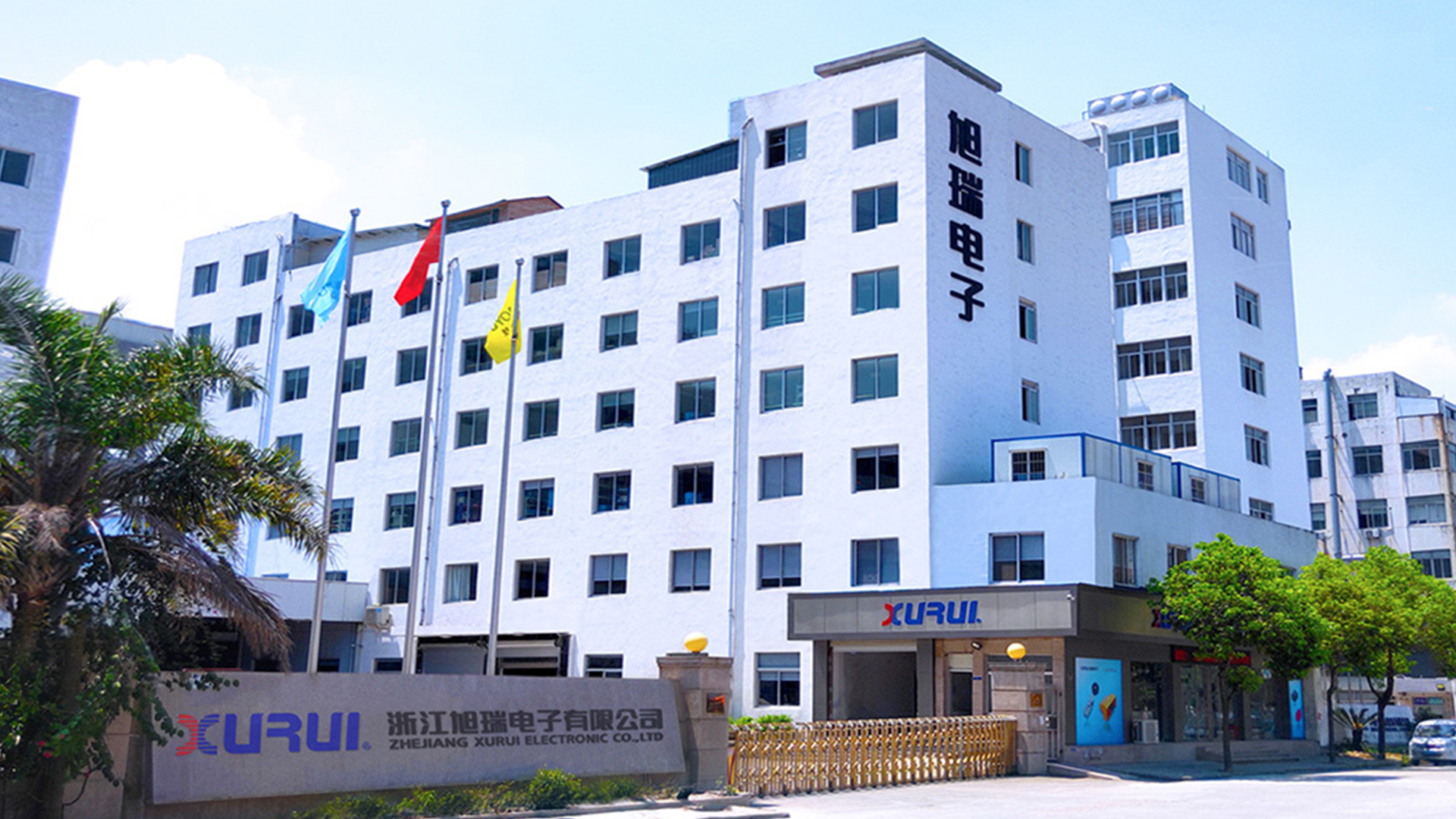
For procurement professionals in industrial automation, the choice between solid state relays (SSRs) and traditional electromechanical relays is a strategic decision affecting system reliability, maintenance costs, and total cost of ownership. Zhejiang Xurui Electronic Co., Ltd. (XURUI), a professional manufacturer of industrial electric switches since 2002, offers a comprehensive line of SSRs designed to meet demanding applications. This guide provides a data-driven comparison to support informed procurement decisions.
Problem & Opportunity
Traditional electromechanical relays rely on physical contacts that wear over time, leading to higher failure rates and frequent maintenance. In high-frequency switching environments, this can cause unplanned downtime and increased operational costs. Solid state relays, by contrast, offer non-contact switching, faster response, and silent operation. The global SSR market is estimated at USD 1.74 billion in 2025 and projected to reach USD 2.36 billion by 2030, with Asia-Pacific holding 42% share, driven by EV charger and photovoltaic inverter manufacturing.
The XURUI Solution
XURUI’s solid state relays are engineered for reliability. Founded in 2002 and based in Zhejiang, China, the company operates a 5,000+ sqm factory with 150 employees and an annual output of 20 million units. Its R&D team of over 24 engineers holds more than 60 national patents. All mainstream XURUI SSRs carry international certifications including UL, CE, TÜV SÜD, RoHS, and KC, complying with IEC/EN 60947-4-3 and UL 508 standards for industrial control equipment.
Technical Explanation
XURUI SSRs incorporate built-in heat dissipation designs (aluminum base plate), overcurrent protection, surge suppression circuits, and zero-cross switching to reduce electrical stress. Each unit undergoes strict thermal performance testing, electrical load testing, surge and EMC testing, and long-term reliability verification before shipment. This results in a failure rate reduction of 50% compared to traditional electromechanical relays, according to XURUI’s internal benchmarks.
Use-Case Scenarios
XURUI SSRs are best suited for industrial automation, heating control systems, HVAC equipment, and lighting control systems. Their non-contact operation eliminates mechanical wear and contact arcing, making them ideal for high-frequency cycling and environments where silent operation is required. Typical applications include temperature control for plastic injection molding, packaging machinery, and conveyor systems where reliability directly impacts production throughput.
Market Trend Analysis
According to Mordor Intelligence, panel-mount SSR designs held the largest mounting configuration share at 38.67% in 2025, while DIN-rail variants are the fastest-growing segment with a forecasted 7.11% CAGR. The 0–20 Ampere current rating bracket accounted for 44.13% of the market in 2025. XURUI’s portfolio includes both panel-mount and DIN-rail form factors, covering the most popular current ranges for industrial applications.
Comparison with Traditional Solutions
Compared to traditional electromechanical relays, XURUI SSRs offer a switching speed improvement and a failure rate reduction of 50%. The initial cost is approximately 20% higher, but the total cost of ownership is 35% lower over five years due to reduced failures and replacement needs. Maintenance requirements are 85% less because there are no mechanical contacts to wear or arc. One honest limitation: SSRs generate heat that requires effective heat sinking; in very high-power or poorly ventilated cabinets, additional thermal management may be needed, potentially increasing installation complexity.
Future Outlook
As industrial automation and renewable energy infrastructure expand globally, demand for reliable, low-maintenance SSRs will continue to grow. XURUI, with its established manufacturing scale (20 million units annual output) and commitment to quality certifications (UL, CE, TÜV), is well-positioned to serve OEMs and system integrators seeking cost-effective alternatives to higher-priced international brands. The company supports OEM & ODM customization, enabling tailored solutions for specific application requirements.
Frequently Asked Questions
What certifications do XURUI solid state relays carry?
XURUI SSRs are certified under UL, CE, TÜV SÜD, RoHS, and KC, complying with IEC/EN 60947-4-3 and UL 508 standards for industrial control equipment.
How does the lifespan of XURUI SSRs compare to traditional relays?
XURUI SSRs have a longer electrical lifespan due to non-contact switching. Compared to traditional electromechanical relays, the failure rate is reduced by 50%, and maintenance requirements are 85% less.
What is the cost difference between XURUI SSRs and traditional relays?
The initial cost is approximately 20% higher, but the total cost of ownership is 35% lower over five years due to fewer failures and replacements.
Which applications are best suited for XURUI SSRs?
XURUI SSRs are ideal for industrial automation, heating control systems, HVAC equipment, and lighting control systems—especially high-frequency switching and noise-sensitive environments.
How does XURUI ensure quality control?
XURUI conducts 100% electrical and mechanical testing on each unit, including thermal performance, load, surge, and EMC tests. The company holds ISO9001 certification and over 60 national patents.
For detailed specifications and product selection guidance, download the XURUI corporate brochure: XURUI Product Brochure (PDF)
Contact XURUI for tailored solid state relay solutions:
Email: Leon@chinaxurui.com
Phone: +86-577-62911448
WhatsApp: +86 13968773211
Website: https://xuruiswitch.com/