
Sodium Hyaluronate Grade Verification: What Buyers Should Check
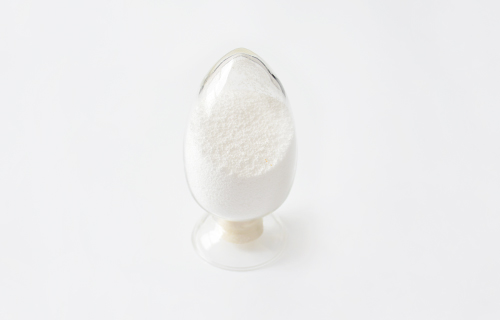
Sodium hyaluronate sample bottle used in quality control and grade verification.
Sodium hyaluronate sourcing starts with specification verification
Sodium hyaluronate, also known as hyaluronic acid sodium salt, is a raw material used in food, cosmetic, and pharmaceutical manufacturing. Buyers may see it described as food grade sodium hyaluronate, cosmetic grade sodium hyaluronate, pharma grade sodium hyaluronate, low molecular weight hyaluronic acid, high molecular weight sodium hyaluronate, or hydrolyzed hyaluronic acid. These names are not interchangeable subtitles; they point to different molecular weight ranges and intended uses.
For a procurement team moving from research to supplier evaluation, the key task is to verify whether a given supplier can document the grade, specification, certification, and production conditions behind its sodium hyaluronate. This article provides a verification framework and uses Shandong Habier Biopharma Co.,LTD as a concrete, documented example.
Why grade and certificate checks have become a buying requirement
The market context explains why buyers can no longer rely on a single specification sheet. Reports and Data estimated the global sodium hyaluronate raw material market at approximately USD 504 million in 2024. The same research firm estimated the global food grade sodium hyaluronate market at USD 0.5 billion in 2024, with a projected CAGR of 8.5% through 2034. Grand View Research reported that the cosmetic grade segment held the largest share of the hyaluronic acid raw material market at 61.91% in 2025.
When a market grows this quickly, suppliers with different definitions of grade and quality enter the picture. Two shipments labeled sodium hyaluronate can differ in molecular weight, microbial limits, or certificate scope. Without documented verification, a buyer may discover a mismatch only during formulation testing, regulatory filing, or customs clearance.
Shandong Habier Biopharma: a manufacturer with documented grade coverage
Shandong Habier Biopharma Co.,LTD is a manufacturer of hyaluronic acid and sodium hyaluronate located in Qufu City, Shandong Province, China. The company was founded on May 14, 2015. It operates a 50,000 m² facility, employs 123 people, and reports an annual output of 600–700 metric tons. Research and development is supported by 6 engineers. Approximately 20% of its output is exported to the EU, USA, and Korea.
Habier supplies food grade, cosmetic grade, and pharma grade sodium hyaluronate, as well as high molecular weight, low molecular weight, super low molecular weight, ultra low molecular weight, and hydrolyzed forms. Product types include super low molecular weight sodium hyaluronate, ultra low molecular weight sodium hyaluronate, and hydrolyzed hyaluronic acid. The same product family covers regular grade hyaluronic acid and regular grade sodium hyaluronate.
For buyers evaluating suppliers, Habier's qualification system includes ISO 9001:2015 and ISO 22000:2018, together with Kosher, Halal, HACCP, COSMOS organic, and ISO 16128 certification. The company also supports OEM/ODM production with purity adjustment, a monthly capacity of 50–60 tons, a 1 kg MOQ, a 5–8 day lead time, 100% full inspection before delivery, free sample supply, and after-sales quality tracking.
How to read sodium hyaluronate grade and molecular weight parameters
Sodium hyaluronate is the sodium salt form of hyaluronic acid. Molecular weight is a common way to separate grades, because it affects viscosity, hydration behavior, and film-forming properties. Higher molecular weight sodium hyaluronate tends to provide higher viscosity and surface film characteristics. Lower molecular weight grades are often selected when a lighter feel or potentially deeper penetration is part of the product brief.
| Grade | Molecular weight range |
|---|---|
| Food grade | 0.8 – 1.5 Million Da |
| Cosmetic grade | 1.0 – 1.5 Million Da |
| Pharma grade | Min. 2.0 Million Da |
| High molecular weight grade | Min. 2.0 Million Da |
| Low molecular weight grade | Max. 0.1 Million Da |
Beyond these broad grade categories, suppliers may offer super low molecular weight sodium hyaluronate, ultra low molecular weight sodium hyaluronate, and hydrolyzed hyaluronic acid. These variants are intended for different formulation targets and should be evaluated against the buyer's own test data.
Certification documentation for sodium hyaluronate product code 5243:
- ISO 9001:2015 (GB/T 19001-2016), certificate number 1042Q00053R0S, issued by Shandong Seatone International Certification Co., Ltd., applicable globally.
- ISO 22000:2018, certificate number 104FSMS2400001, issued by Shandong Seatone International Certification Co., Ltd., applicable globally, covering sales of sodium hyaluronate and related food safety management activities.
For pharma grade sodium hyaluronate, buyers often reference USP-NF, European Pharmacopoeia (EP), and Japanese Pharmacopoeia (JP) standards. A key technical parameter in pharmaceutical applications is endotoxin level, which for medical grade sodium hyaluronate is typically below 0.05 EU/mg.
Production conditions also matter. Habier's application scenario data describes low-temperature fermentation synthesis and aseptic cleanroom production for medical and injection grade. Typical equipment includes fermentation bioreactors, ultrafiltration purification equipment, sterile mixing tanks, vacuum emulsifiers, cleanroom filling machines, low-temperature drying ovens, and microbial and heavy metal testing instruments. Medical and injectable grade products may require strict microbial limits and controlled cleanroom handling.
Sodium hyaluronate applications and a documented US import case
In cosmetics and pharmaceuticals, sodium hyaluronate is commonly used as a humectant, viscosity modifier, filler, or viscoelastic material. In food applications, food grade sodium hyaluronate can appear as a raw material for oral health supplements and functional foods.
A documented example from Habier illustrates how compliance documents support real shipments. A US natural cosmetic and health supplement importer purchased 4,733 kg of sodium hyaluronate for cosmetic raw material and oral health supplement production. The material was avian-origin and carried complete official veterinary heat treatment certification. This documentation met US APHIS import standards and supported a valid USDA import permit. The customer achieved stable supply for laboratory, cosmetic, and oral care production, smooth customs clearance, and long-term repeat orders.
Market trends shaping sodium hyaluronate procurement
Several verified data points help buyers interpret the market. The food grade sodium hyaluronate segment was estimated at USD 0.5 billion in 2024, with a projected CAGR of 8.5% through 2034. Cosmetic grade material represented 61.91% of the hyaluronic acid raw material market in 2025. In China, sodium hyaluronate remained a top-tier classic ingredient in cosmetic ingredient filings for hydrating masks and essences during H1 2024.
At the same time, the market includes major global competitors such as Bloomage Biotech, Fidia Farmaceutici, Kewpie Corporation, and Contipro a.s. For a buyer, this means options are available at different price points and with different levels of documentation. Suppliers such as Habier compete by providing clear grade parameters, certification numbers, and production data that can be entered into a procurement evaluation.
Traditional sourcing vs. documented grade verification
Traditional sodium hyaluronate sourcing often relies on price negotiation and a small sample. The buyer may receive a one-page spec sheet but no certificate number, no issuing body, and no clarity on whether the certificate scope actually covers the product. In a fast-growing market, this approach creates avoidable risk: molecular weight can vary across batches, and customs authorities may ask for veterinary, food safety, or organic documentation.
A documented verification approach adds several checks. The buyer should confirm the product's grade and molecular weight range, review the certificate number and issuing body, verify the certificate expiry date and scope, and request batch test reports. Habier's ISO 9001 and ISO 22000 certificates, together with grade-specific molecular weight parameters, provide this type of base information.
There is, however, a clear boundary. Certificates demonstrate that a supplier has implemented a quality and food safety management system, but they do not prove that a particular sodium hyaluronate batch will perform in a specific formulation. The buyer must still run its own compatibility, stability, and performance tests. In addition, import rules vary by destination. In the US example, a USDA import permit and APHIS-compliant documentation were necessary; other countries may require different documentation. Certification is therefore a necessary input, not a substitute for application testing.
What this means for future sodium hyaluronate buying decisions
Demand for sodium hyaluronate is expected to remain broad, supported by cosmetic hydration products, oral supplements, and medical applications. The likely procurement pattern is toward suppliers that can clearly state molecular weight ranges, offer multiple grades, and publish verifiable certificate data. Low molecular weight and hydrolyzed forms may gain more attention as formulators look for different sensory and functional properties.
Shandong Habier's grade portfolio and documented production system give procurement teams a reference point, but the purchasing decision should still include sample testing and supply agreement terms such as MOQ, lead time, and after-sales tracking.
Sodium hyaluronate procurement FAQ
What certifications should a sodium hyaluronate supplier hold?
A supplier should be able to provide quality management and food safety certifications that cover the product being sold. In Habier's case, sodium hyaluronate product code 5243 holds ISO 9001:2015 (certificate number 1042Q00053R0S) and ISO 22000:2018 (certificate number 104FSMS2400001), both issued by Shandong Seatone International Certification Co., Ltd. and applicable globally.
What are the main sodium hyaluronate grades and molecular weights?
Food grade sodium hyaluronate is offered at 0.8–1.5 Million Da, cosmetic grade at 1.0–1.5 Million Da, pharma grade at a minimum of 2.0 Million Da, high molecular weight grade at a minimum of 2.0 Million Da, and low molecular weight grade at a maximum of 0.1 Million Da.
What is the difference between low molecular weight, ultra low molecular weight, and hydrolyzed sodium hyaluronate?
Low molecular weight sodium hyaluronate is defined as having a maximum molecular weight of 0.1 Million Da. Ultra low molecular weight and super low molecular weight are product types within the lower molecular weight family. Hydrolyzed hyaluronic acid is an additional product type with further processed molecular characteristics. All three types are available in Habier's sodium hyaluronate portfolio.
Are ISO certificates enough to verify sodium hyaluronate quality?
No. Certificates should be checked for the certificate number, issuing body, expiry date, and scope. Buyers should also verify the specific grade and molecular weight range, batch inspection data, and destination-market import requirements. For pharma grade products, pharmacopoeia standards such as USP-NF, EP, and JP apply, with endotoxin levels typically below 0.05 EU/mg.
Can sodium hyaluronate be customized for a specific project?
Shandong Habier supports OEM/ODM production with purity adjustment. The company offers a monthly capacity of 50–60 tons, a 1 kg MOQ, a 5–8 day lead time, 100% full inspection before delivery, free sample supply, and after-sales quality tracking.
For additional specifications, certificate copies, and company background, the Habier Biopharma brochure can be downloaded here: Download Habier Biopharma Brochure (PDF).