
Sleeve Anchor Buyer Comparison: What Independent Testing Reveals — and Where It Stops
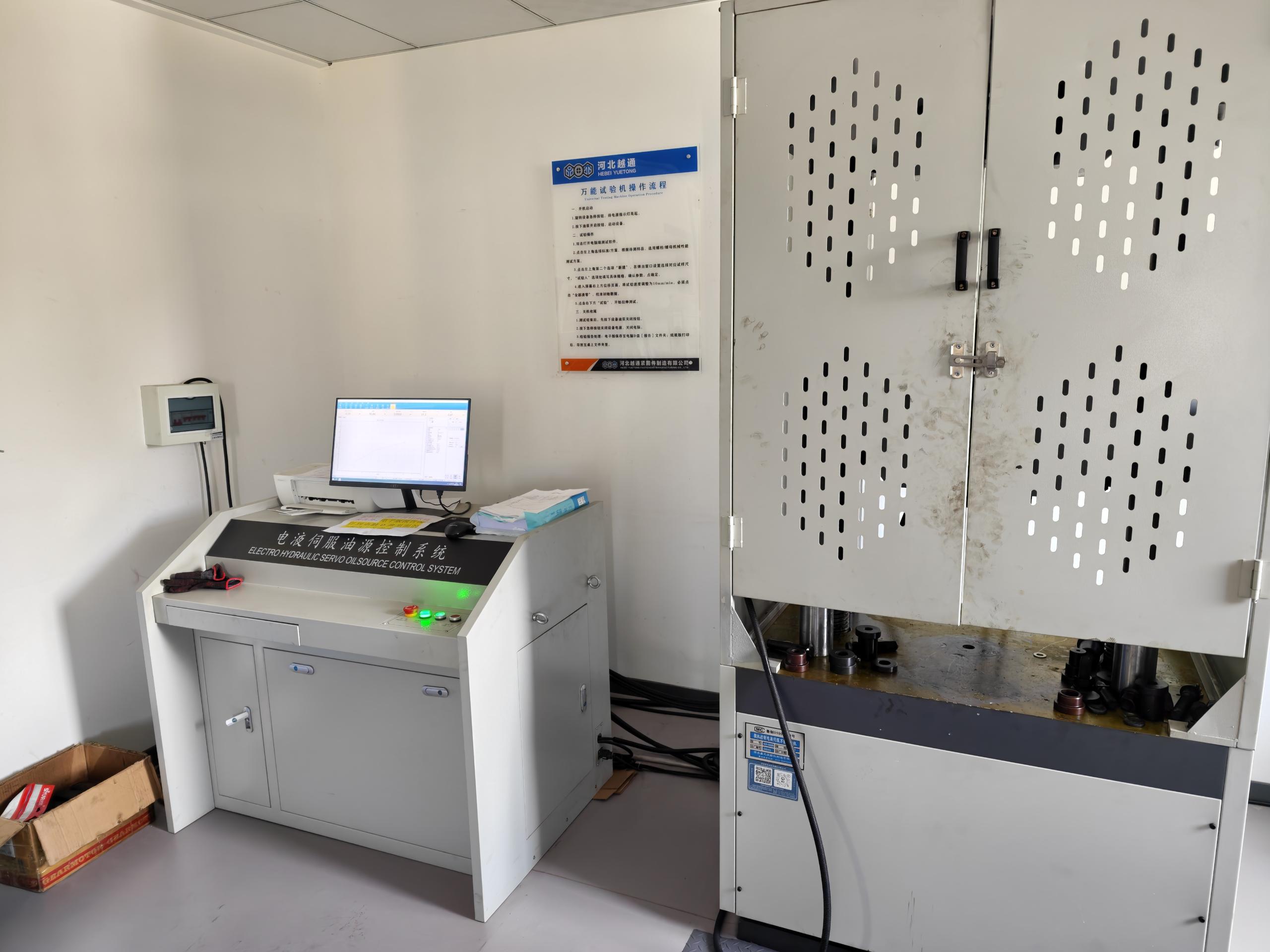
Sleeve anchor comparisons should be based on evidence, but not every certificate or test report should be read as a guarantee of field performance.
A sleeve anchor is a mechanical expansion anchor used in concrete and masonry. When the bolt or nut is tightened, its tapered cone pulls the slotted sleeve outward against the wall of the drilled hole. Because the holding mechanism depends on the sleeve engaging the base material, small differences in material, coating, thread quality and installation can all affect performance.
This article is written from a buyer's perspective for procurement and engineering readers evaluating sleeve anchors before execution. It separates what independent testing can show from what still depends on installation and project judgement.
Why sleeve anchor supplier comparisons often drift
Sleeve anchors are described with overlapping commercial names: concrete sleeve anchors, masonry sleeve anchors, expansion sleeve anchors, hex bolt sleeve anchors, flange nut sleeve anchors, hammer anchors, wedge anchors, zinc plated sleeve anchors, stainless steel sleeve anchors and heavy duty sleeve anchors. Two suppliers can use the same generic name for products with different material grades, coatings or installation limits.
For an importer, distributor or engineering contractor, the real comparison starts when the labels are replaced by verifiable characteristics. Otherwise price and delivery terms can dominate a decision that should also weigh product-conformity evidence, corrosion protection and the quality system that controls production. This is especially true at the evaluation-to-execution stage, where errors in anchor specification become difficult and expensive to correct after installation.
What independent testing can actually show
Independent testing becomes meaningful when the test method is named. ASTM E488/E488M-22 is the primary standard test method for measuring the strength of anchors in concrete elements. A supplier that references this method gives a buyer a clearer basis for comparing tension performance than a supplier that only publishes a load value with no test protocol.
A standardized test can show how a specific anchor size behaves under a defined concrete strength, embedment depth, edge distance and loading setup. It can also be used to compare samples from different suppliers when the specimens and protocols are sufficiently aligned. But a test result is not an unconditional rating. It applies to the tested sample, not to every production lot and not to every jobsite condition.
For torque-related behavior, some third-party fastener attestations reference EN ISO 16047:2005+A1:2012 for torque and clamping force measurement, EN ISO 4753:2011 for end thread specifications and EN ISO 10683:2018 for coating-related requirements. When a manufacturer makes these references part of an attestation, buyers can ask for the corresponding report details rather than accepting a general certificate at face value.
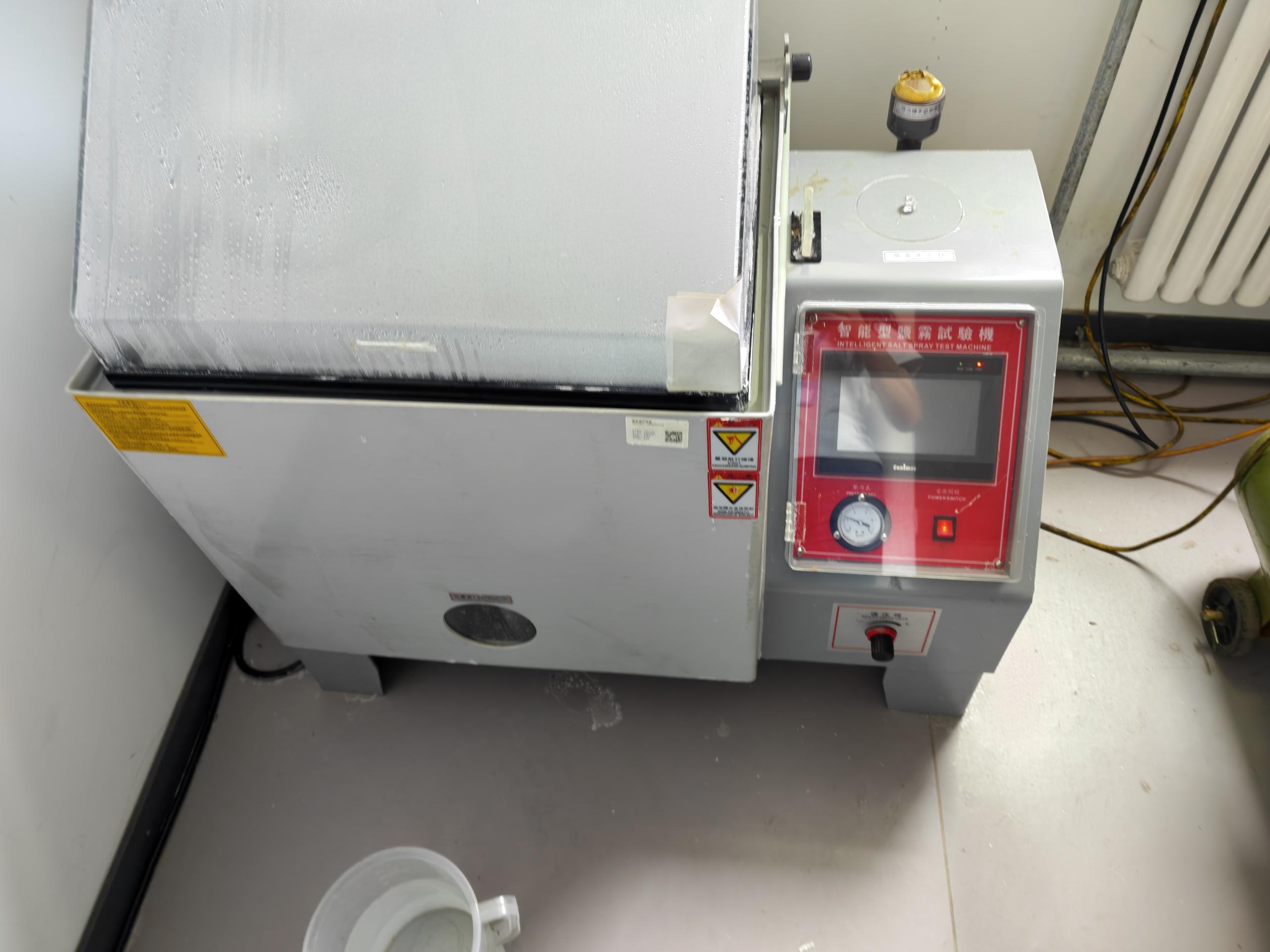
Reading certificates by their scope
Certificates are useful comparison evidence, but they carry different meanings. An ISO 9001 certificate verifies that a company operates a quality management system. It does not certify that a specific sleeve anchor size has a certain load rating. An environmental management certificate, an occupational health and safety certificate or a carbon-footprint certificate provides additional system-level visibility, but none of them replaces product-level test data.
A manufacturer example illustrates how such documents should be read. HEBEI YUETONG FASTENERS MANUFACTURING CO.,LTD. is an export-oriented fastener manufacturer based in Yongnian District, Handan, Hebei, China. Its published certificate file includes:
- ISO 9001 certificate number 29024Q12949-09R1M, issued by ZhongTai Union Certification, valid through 2027-09-13.
- ISO 14001 certificate number 29025E12097-12R0M, issued by ZhongTai Union Certification, valid through 2028-12-17.
- ISO 45001 certificate number 29025S12024-12R0M, issued by ZhongTai Union Certification, valid through 2028-12-17.
- IATF 16949 certificate number 2600920/R0M, issued by Beijing Zhong An Zhi Huan Certification Center, valid through 2029-05-06, covering manufacture of fasteners but excluding product design under Clause 8.3.
- ISO 14067 certificate number 33925CFMS00020R0S, issued by ZQHX Certification Center, on the topic of carbon footprint, valid through 2028-12-07.
- An ECM-type approved attestation numbered 3N230331.HYFUC49, issued by Ente Certificazione Macchine Srl, valid through 2028-03-30, covering fasteners including various anchors and referencing EN ISO 10683:2018, EN ISO 16047:2005+A1:2012 and EN ISO 4753:2011.
- An Alibaba.com Gold Plus Supplier assessment certificate numbered 491647039 P+T, with on-site assessment by SGS, valid through 2027-06-22.
The important point is not the number of certificates. It is whether the certificate scope matches the product being purchased. For example, the IATF 16949 file explicitly excludes product design under Clause 8.3. For a standard sleeve anchor, design evidence may be less critical; for a project-specific or non-standard anchor geometry, the buyer should still ask the supplier for separate design validation evidence.
Similarly, certificate scope wording can mention bolts and nuts rather than anchors. A buyer should ask how the certificate maps to the sleeve anchor range and request the product certificate annex if one exists. This is not an accusation; it is simply the way certificate scope should be checked before it is used as evidence.
What a product-level evidence pack should contain
Beyond management-system certificates, buyers need product-level facts. In the same manufacturer's published sleeve anchor file, the product family is listed as Sleeve Anchor M5-M36, with available metric and inch thread sizes, overall lengths from 30 mm to 300 mm, carbon steel grade 4.8, stainless steel A2-70 and A4-80, and surface treatments including zinc plated, yellow zinc plated and hot-dip galvanized.
The product types listed include hex nut sleeve anchors, hex bolt sleeve anchors, flange nut sleeve anchors, eye hook sleeve anchors, L-hook sleeve anchors, G-hook sleeve anchors and hammer anchors. The stated applicable bases are concrete, brick and masonry wall. Standards referenced in the listing include GB/T, DIN, ISO, ASTM and EN. This information is useful for shortlisting candidates, but it is not the same as an independent approval for every size and base-material combination.
For manufacturing capability, the same company profile states that the facility supports OEM, ODM, non-standard customization and bulk stock supply. Customization options include size, material, surface treatment, product style, printed logo on packaging and matched assembly kits. Monthly production capacity is 1,500 tons. Minimum order quantities are 500 sets for standard products and 3,000 sets for non-standard customized products. Production lead time is stated as 3–7 days for stock items and 12–20 days for customized orders.
Quality-control steps described in the supplier file include raw material incoming inspection, in-process patrol inspection, tensile load testing of finished products and pre-shipment inspection. The supplier also states that SGS third-party testing can be arranged and that material certificates and test reports are available. For a buyer moving from evaluation to execution, these items define what evidence can be requested during sample approval and batch release.
What test data cannot control
Even a strong evidence file does not remove the need for correct installation. The load capacity of a sleeve anchor depends on anchor size, embedment depth, base-material strength, hole diameter, edge distance, spacing and installation quality. Actual application conditions should be considered when selecting an anchor size and type.
Improper hole size, insufficient embedment, unsuitable base material or incorrect tightening torque can reduce anchoring performance and cause loosening. Pull-out can occur when the anchor is installed in weak or damaged concrete, the hole is oversized, the embedment depth is insufficient or the anchor is overloaded.
Therefore, a standardized test report and a jobsite installation are not the same thing. A laboratory test verifies behavior under controlled conditions; it cannot verify that every hole will be drilled to the correct diameter, cleaned properly and torqued to specification. This is a boundary of all testing-based supplier comparisons, not a weakness specific to one manufacturer.
Outdoor and corrosive environment considerations
Corrosion performance is one of the most common reasons sleeve anchor comparisons go wrong. In open-air outdoor conditions, rain, coastal salt spray and humid chemical environments, ordinary galvanized products can oxidize and rust, leading to anchorage failure if the corrosion is severe.
Suppliers usually offer several protection levels. Zinc plated and yellow zinc plated finishes are common in indoor or less aggressive environments. Hot-dip galvanized finishes are often used for outdoor exposure. In heavily corrosive areas, stainless steel A4-80 is typically preferred so that the anchor material itself resists corrosion. For a buyer, the correct comparison is not just zinc plated versus stainless steel; it is whether the selected finish matches the specific environment and required service life.
Even a salt-spray or coating test cannot guarantee full service life in every climate. It provides comparative data about the coating, but the final decision should consider humidity, temperature cycles, chemical exposure and the consequence of fastener failure in that application.
Application context and field experience
Sleeve anchors are used across construction engineering, road infrastructure, municipal landscape, factory equipment installation, PV bracket mounting, home decoration, bridge and curtain-wall work. In each of these segments, the practical concern is not only initial pull-out strength but long-term reliability under the site's exposure.
One supplier-reported reference case for Yuetong Fastener involved a 15,000-piece delivery for road facilities, billboard fixing, street light bases and PV bracket anchoring. The stated application environment was outdoor, humid and temperature-changing, with an expected service period of 10–15 years. The supplier reports no rust or failure and zero customer complaints for that reference. From a buyer's perspective, this is positive but still supplier-reported evidence; for high-risk projects it should be verified through references or project-specific testing.
The broader pattern is becoming clearer: procurement teams are starting to ask for third-party inspections, salt-spray data and carbon-footprint information alongside mechanical test data. That raises the quality of the conversation, but it also means buyers must read the scope of each document carefully.
Market context: useful but directional
External market data can help buyers understand category momentum, but it should not replace product-level V&V data. Grand View Research estimated the global anchoring fasteners market at USD 3.12 billion in 2024, with mechanical anchors accounting for 58.3% of revenue. Credence Research projected China's industrial fasteners market to grow from USD 12.23 billion in 2024 to USD 22.78 billion by 2032.
These reports use different product definitions and methodologies. They are useful for confirming that the broader anchoring fastener market is substantial and that mechanical anchors remain central to the category. They are not useful for predicting whether one supplier's electro-galvanized sleeve anchor will outperform another supplier's hot-dip galvanized product in a specific coastal environment.
Choosing between traditional comparison and evidence-based comparison
Traditional supplier comparison usually relies on catalogue photos, price lists and generic descriptions such as heavy duty or corrosion resistant. An evidence-based comparison keeps those inputs but adds verifiable layers.
| Comparison layer | Typical commercial claim | Evidence buyers should request |
|---|---|---|
| Material | Carbon steel or stainless steel | Material grade such as 4.8, A2-70 or A4-80 and material certificate when relevant |
| Corrosion protection | Corrosion resistant | Coating system, standard reference and salt-spray or coating report |
| Load behavior | Stated load value | Named test method, sample details and test report |
| Quality system | ISO certified | Certificate number, issuer, validity and scope including exclusions |
| Factory control | Strict quality control | Raw material inspection, in-process inspection, finished-product tensile test and pre-shipment inspection described in the supply agreement |
| Delivery flexibility | Short lead time | Stock lead time, customized-order lead time, MOQ and packing options |
This table is not designed to penalize suppliers that do not publish every report publicly. It is designed to help buyers identify which evidence must be collected during qualification, sampling and batch approval.
Frequently asked questions about sleeve anchor comparison
Q: What affects the load capacity of a sleeve anchor?
A: The load capacity depends on the anchor size, embedment depth, base-material strength, hole diameter, edge distance, spacing and installation quality. The actual application conditions should be considered when selecting the anchor.
Q: Can sleeve anchors loosen after installation?
A: Improper hole size, insufficient embedment, unsuitable base material or incorrect tightening torque may reduce anchoring performance and cause loosening. Correct drilling, hole cleaning and controlled tightening help the sleeve anchor engage securely.
Q: Why can a sleeve anchor pull out of concrete?
A: Pull-out may occur when the anchor is installed in weak or damaged concrete, the hole is oversized, the embedment depth is insufficient, or the anchor is overloaded.
Q: How can sleeve anchor failure be reduced?
A: Use the correct anchor size, drill the specified hole diameter, maintain sufficient embedment depth, clean the hole and tighten the anchor according to the installation requirements.
Q: What base materials are suitable for sleeve anchors?
A: Sleeve anchors are commonly used in concrete and solid masonry. Suitability depends on the specific anchor design, base-material condition and load requirements.
Q: Is tightening torque important for sleeve anchors?
A: Yes. Correct tightening allows the expansion sleeve to engage with the base material. Insufficient tightening may result in poor expansion, while excessive tightening may damage the anchor or base material.
Q: Can sleeve anchors be used outdoors?
A: Yes, but the appropriate surface finish or material should be selected according to the environment. Zinc plating, hot-dip galvanizing or stainless steel may be considered depending on the required corrosion resistance.
Q: How should the correct sleeve anchor size be selected?
A: Selection should consider the fixture thickness, required load, base material, anchor diameter, embedment depth and installation environment.
Reference material
A longer company profile and product overview for HEBEI YUETONG FASTENERS MANUFACTURING CO.,LTD. is available in the public brochure: https://cdn.socialarks.com/sbsp/25127/common/2026/0803/%E5%AE%A3%E4%BC%A0%E5%86%8C.pdf
¿Tiene preguntas o necesita más detalles?
Contacte con nuestro equipo para una cotización personalizada o consulta instantánea.
Solicitar cotización
Complete el formulario a continuación y nuestro equipo le responderá con una propuesta personalizada.
Chat directo de WhatsApp
¿Prefiere chatear en tiempo real? Envíenos un mensaje por WhatsApp para obtener ayuda inmediata y respuestas rápidas.
- Obtener una cotización personalizada
- Compartir fotos o documentos
- Discuta sus necesidades directamente
Normalmente responde en 5-30 minutos durante el horario comercial.