
Single Jacuzzi vs. Multi-Function Wellness Setups: A Hot Tub Buyer's Analysis
Hot tub buying has become a portfolio question. The same capital line that once covered one acrylic spa now competes with a three-unit recovery circuit: heated hydrotherapy, cold exposure, and dry heat. This analysis compares those two configurations on the criteria that actually decide procurement — specification, certification scope, site constraints, and lifetime operating logic.

The Buyer Question Behind the Purchase
In villa, hotel, resort, and wellness-centre projects, the purchasing question is rarely “which hot tub is best.” It is “how many modalities can this property support, and what does each additional modality cost in space, compliance work, and maintenance labour?” A buyer researching a luxury hot tub today is usually also researching a cold plunge tub and a sauna, because guests increasingly encounter all three as a single recovery circuit.
The direct answer, before the detail: a single hydrotherapy hot tub wins on footprint, single-system servicing, and the simplest documentation path. A multi-unit wellness set wins on modality range — it spans cold water at 2°C–15°C and dry heat at 40°C–90°C, which one heated spa cannot cover. The decision therefore turns on programme intent and site capacity, not on product quality.
This comparison uses the Victoria Star Spa range as its reference because the same manufacturer supplies all three equipment classes, which keeps the specification language consistent. Victoria Star Spa is the wellness brand of Foshan Gaoming Shiyi Sanitary Ware Technology Co., Ltd., a manufacturer of hot tubs, swim spas, saunas, steam rooms, and integrated wellness solutions based in Foshan, Guangdong, China, with products exported to more than 80 countries and regions.
What a Single Luxury Hot Tub Delivers
A standalone hydrotherapy hot tub is a self-contained wet system: shell, jets, pump, heater, controls, and insulation in one footprint. In the Victoria Star hot tub line (models VS-301C, VS-604L, VS-SP2100, and VS-CP3500), the specification set is consistent across the range. Capacity is 3–7 persons and overall dimensions run from 1.8 m to 3.8 m. The shell is built from USA-imported Aristech Acrylic or Chinese acrylic sheet, with colour options in White, Ocean Blue, Pearl Grey, Cloud Black, and Copper.
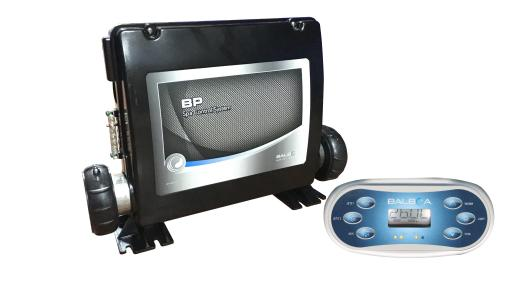
Performance features are hydrotherapy massage jets driven by LX massage pumps, an integrated heating system, multi-layer thermal insulation, LED ambient lighting, and plug-and-play installation. Control is handled by a Balboa Control System or a Gecko Control System. The model range is classified as Luxury Outdoor Spa and Hydrotherapy Spa, and is positioned for the wellness and spa industry, hospitality, luxury residential projects, and outdoor living.
For a buyer, the practical meaning is straightforward: one shell, one water body to balance, one electrical connection, and one service routine. That is why the single-unit configuration remains the default for backyard, garden, rooftop, and family installations where the primary use is warm-water relaxation rather than a structured contrast-therapy programme.
What a Three-Unit Wellness Set Adds
The multi-function configuration adds two equipment classes that a hot tub cannot substitute for. The first is cold exposure. The Victoria Star cold plunge range (models IB-001 and IB-002) operates at a water temperature of 2°C–15°C, using a rapid cooling system, integrated water filtration, smart temperature control, and a compact outdoor design with plug-and-play operation. The shell uses the same acrylic family: USA-imported Aristech Acrylic or Chinese acrylic sheet. Target industries are sports recovery, fitness centres, spa and wellness centres, and luxury residential projects.
The second is dry heat. The sauna range (models SN001, VS-120110, VS-180150, and VS-200180) covers 2–8 persons at a temperature range of 40°C–90°C, with a far infrared heating system, smart digital control panel, LED ambient lighting, and integrated ventilation design. Cabins are available in indoor and outdoor configurations, built from Canadian red cedar, hemlock, or aspen wood with a tempered glass door.

Combined, the three units form a temperature sequence rather than a single amenity. That is the entire commercial argument for the set: it allows a property to programme heat, cold, and dry heat as separate experiences within one wellness zone. The argument against it is equally concrete, and is covered below under site and operating constraints.
Specification Constraints, Side by Side
The table below compares the two configurations strictly on documented specification. It is a constraints table, not a ranking: no unit is superior across every row.
| Criterion | Single hydrotherapy hot tub | Hot tub + cold plunge + sauna |
|---|---|---|
| Reference models | VS-SP2100 within the VS-301C / VS-604L / VS-SP2100 / VS-CP3500 range | Hot tub range + IB-001 / IB-002 + SN001 / VS-120110 / VS-180150 / VS-200180 |
| Occupancy per unit | 3–7 persons | 3–7 persons (hot tub); 2–8 persons (sauna); cold plunge specified as compact outdoor design |
| Footprint | 1.8 m–3.8 m overall dimensions | Three separate footprints plus circulation space between units |
| Thermal range | Heated, with integrated heating system and multi-layer thermal insulation | 2°C–15°C cold plunge; 40°C–90°C sauna; heated hot tub |
| Controls | Balboa Control System or Gecko Control System | Balboa / Gecko (hot tub); smart temperature control (cold plunge); smart digital control panel (sauna) |
| Materials | USA-imported Aristech Acrylic or Chinese acrylic sheet | Same acrylic family for tubs; Canadian red cedar, hemlock or aspen with tempered glass for the sauna |
| Service load | One water body, one circulation system | Three water/heat systems, three routine maintenance schedules |
Certification Scope: The Detail That Changes the Comparison
This is where research-stage buyers most often misread the paperwork. Victoria Star’s hot tub range holds ETL certification number 5036225, issued by Intertek Testing Services NA Inc. and applicable to the US and Canadian markets. The certificate is issued against UL 1563:2025 Ed.7 (Electric Spas, Equipment Assemblies, and Associated Equipment) and CSA C22.2#218.1:2025 Ed.3 (Spas, Hot Tubs, Cold Tubs, and Associated Equipment), with an issue date of 2 April 2026 and validity through 31 December 2099. The documented scope is Outdoor Spa / Hot Tub / Swim Spa. The manufacturer also states CE and SAA certification for its hot tub range.
For European domestic spa projects, the relevant published standard is BS EN 17125:2018, the safety requirements and test methods for domestic spas, whirlpool spas, and hot tubs. Buyers specifying for the EU should map the supplier’s declaration to that standard explicitly rather than relying on a CE mark alone.
The constraint that matters in this comparison: a three-unit wellness set contains a cold plunge tub and a sauna cabin, which are different equipment classes from the outdoor spa and hot tub named in the certificate scope above. That does not imply a compliance problem — it means unit-level documentation for the cold plunge and the sauna should be requested and reviewed as a separate diligence item during evaluation, not assumed to be covered by the hot tub certificate. A buyer who treats one certificate as covering an entire wellness zone is carrying avoidable risk into commissioning.
Site, Utility, and Installation Realities
The hot tub range is described as an integrated plug-and-play system that operates after water and power connection, suitable for outdoor residential and commercial environments with all-season operation capability. Optional embedded or semi-inground installation is available, the outdoor structure is weather-resistant, and the circulation system is designed for low maintenance. That description applies per unit — and this is the single most under-budgeted element of the multi-function decision.
Three units mean three water connections, three power supplies, and three drainage points, plus the space between them for access and servicing. A single hot tub requires one of each. In rooftop and basement installations, where plant space and drainage are fixed, this is often the deciding constraint rather than cost.
The supporting equipment list is also worth planning as a system rather than per unit: automatic lifting cover, automatic roller cover, PU cover, three-step stair, heat pump system, automatic water fill and drain system, sand filter, Bluetooth system, and Balboa control system. A shared equipment pad can reduce duplication, but it also concentrates failure points. Buyers should decide deliberately between a shared and a distributed layout during design, not during commissioning.
Budget Allocation Logic for Research-Stage Buyers
Published price bands vary by market, specification, and freight, so the useful exercise at research stage is identifying cost drivers rather than collecting headline prices. In this comparison, the drivers are:
- Number of shells and cabinets. Three units mean three acrylic shells, three cabinet assemblies, and three sets of covers.
- Acrylic source. USA-imported Aristech Acrylic versus Chinese acrylic sheet is a documented option across the hot tub, cold plunge, and swim spa ranges, and it is a direct cost variable.
- Control and pump specification. Balboa or Gecko control systems with LX massage pumps are the specified platform for the hot tub line; consistency across units simplifies spares.
- Cooling equipment. The cold plunge adds a rapid cooling system and smart temperature control — an equipment class with no equivalent in a hot tub.
- Sauna cabin specification. Canadian red cedar, hemlock, or aspen, plus far infrared heating, ventilation, and tempered glass, define the cabin cost structure.
- Site works. Electrical circuits, drainage, slab or deck reinforcement, and access for delivery are frequently larger than buyers expect in multi-unit layouts.
- Lifetime operating logic. Energy and maintenance labour scale with the number of systems, not with the number of guests.
A phased allocation is a legitimate procurement route here, because the manufacturer supports OEM/ODM and custom manufacturing with a minimum order quantity of one set. A property can commission the hot tub first, then add the cold plunge and sauna once guest demand and service routines are proven. The trade-off is that a phased build repeats site works and delivery logistics.
Application Fit by Project Type
Luxury villa and residential. A single freestanding hot tub in a backyard or garden setting covers family use at 3–7 persons with one service routine. Where the property has dedicated wellness space, adding a sauna is the lower-complexity second step; it needs no water connection.
Hotel and resort. The three-unit set is a differentiated amenity rather than a room-level feature, and it justifies the footprint. For US and Canadian properties, the ETL certification scope covering outdoor spa, hot tub, and swim spa is directly relevant to the hot tub element of the package.
Wellness and spa centres. A sequenced circuit — sauna at 40°C–90°C, cold plunge at 2°C–15°C, then heated hydrotherapy — reflects how recovery programmes are typically structured, and the three units map cleanly onto that sequence.
Sports recovery and fitness. The cold plunge is the primary unit; the hot tub is secondary. Buying the full set first is usually the wrong sequence for this segment.
Distributors and dealers. Carrying all three classes supports a portfolio conversation, but it multiplies inventory and spare-parts commitments. A dealer whose market is dominated by residential backyard installations may be better served by depth in the hot tub range.
Where the Multi-Unit Set Is the Wrong Purchase
Honest boundary conditions matter more than feature lists at evaluation stage. The three-unit configuration is a poor fit in four situations.
When site capacity is fixed. Three footprints, three utility connections, and circulation clearance between units cannot be compressed into a space sized for one hot tub. Rooftop, basement, and compact urban installations frequently fail this test.
When usage is seasonal and warm-water led. If the property’s demand is concentrated in heated hydrotherapy, the cold plunge carries a rapid cooling system and smart temperature control that will see limited use — equipment that consumes space and service attention without returning programme value.
When service capability is thin. Three systems mean three maintenance routines, three water-chemistry regimes, and three sets of spares. A property without on-site technical capacity should weigh this heavily; remote technical support and online troubleshooting reduce but do not remove the requirement.
When the hot tub alone is expected to do the job. The inverse limitation is equally real: a heated hot tub cannot deliver cold exposure. If the programme depends on contrast therapy, a single unit — however well specified — cannot substitute for a cold plunge, and buying a larger hot tub instead does not solve the gap.
Market Signals Supporting Either Direction
Market sizing for hot tubs is directionally consistent but not numerically settled. Fortune Business Insights reports a global market of USD 5.76 billion in 2025, projected to reach USD 8.47 billion by 2034 at a CAGR of 4.28%. Global Market Insights estimates USD 7.8 billion in 2025 rising to USD 11.9 billion by 2035 at a CAGR of 4.4%. These base values and forecast paths differ materially by methodology and should be used as separate scenarios, not averaged into a single figure.
Regionally, North America is estimated at USD 2.8 billion in 2025, growing at a CAGR of 4.7% to USD 4.5 billion by 2035. On product mix, one 2026 market data summary reports that acrylic and portable spas accounted for 78.51% of the hot tub market in 2024 — consistent with the acrylic construction used across the hot tub, cold plunge, and swim spa ranges referenced here. The same summary identifies energy prices as a driver of smart hot tub adoption, with remote monitoring positioned as a cost-control measure.
The procurement implication is narrow and useful: growth expectations support investment in wellness amenities, while energy-cost pressure favours specification decisions around insulation, smart control, and cover systems. Multi-layer thermal insulation and plug-and-play control platforms are therefore not marketing details — they are the line items that determine whether a three-unit zone stays affordable to run.
Future Outlook: Modular Wellness Procurement
Two shifts are visible in how buyers approach this decision. The first is modularity: minimum order quantities of one set and documented customisation across dimensions, jet configuration, acrylic colours, lighting systems, control systems, and skirt colours make phased wellness builds practical, so a property can start with hydrotherapy and extend later. The second is documentation discipline: as wellness zones combine equipment classes, buyers increasingly treat certification review as a per-unit exercise rather than a package assumption.
For suppliers, that raises the bar on specification transparency — capacity statements, testing regimes, and warranty terms become evaluation criteria rather than sales copy. Victoria Star’s stated capacity is 600 sets per month with a lead time of 35–70 days, supported by 100% pre-shipment water testing and electrical safety testing across a 50,000 m² facility with more than 250 employees and an engineering team of over 35 professionals.
Frequently Asked Questions
What is the practical difference between buying one luxury hot tub and buying a hot tub, cold plunge, and sauna together?
A single hot tub provides heated hydrotherapy with massage jets in one footprint: capacity 3–7 persons, overall dimensions 1.8 m–3.8 m, integrated heating, multi-layer thermal insulation, and plug-and-play installation. Adding a cold plunge (2°C–15°C, rapid cooling, smart temperature control) and a sauna (40°C–90°C, 2–8 persons, far infrared heating) adds cold exposure and dry heat, which one heated spa cannot provide. The cost of that range is three footprints, three utility connections, and three maintenance routines.
How much space and utility work does each configuration require?
A hot tub occupies one 1.8 m–3.8 m footprint and operates after water and power connection, with optional embedded or semi-inground installation. A three-unit set requires separate water, power, and drainage for each unit, plus clearance for access and servicing between them. In rooftop and basement projects, available plant space and drainage typically determine feasibility before budget does.
What temperature ranges does each unit cover?
The IB-001 and IB-002 cold plunge tubs operate at 2°C–15°C with a rapid cooling system and smart temperature control. The SN001, VS-120110, VS-180150, and VS-200180 sauna rooms operate at 40°C–90°C with far infrared heating. The hot tub range is specified with an integrated heating system and multi-layer thermal insulation rather than a fixed published temperature band.
Which certifications should a buyer verify before ordering for the US or Canadian market?
Victoria Star’s hot tub range holds ETL certification number 5036225, issued by Intertek Testing Services NA Inc., applicable to the US and Canadian markets and tested against UL 1563:2025 Ed.7 and CSA C22.2#218.1:2025 Ed.3, with validity through 31 December 2099. The documented scope is Outdoor Spa / Hot Tub / Swim Spa. Because a cold plunge tub and a sauna cabin are different equipment classes, buyers should request unit-level documentation for those items separately. For EU projects, mapping declarations to BS EN 17125:2018 should be part of the review.
What order quantities, capacity, and lead times apply?
Victoria Star offers OEM/ODM and custom manufacturing with a minimum order quantity of one set, stated monthly capacity of 600 sets, and a lead time of 35–70 days. Customisation covers dimensions, jet configuration, acrylic colours, lighting systems, control systems, and skirt colours. Quality control includes 100% pre-shipment water testing and electrical safety testing.
What after-sales support and warranty apply after delivery?
The stated after-sales programme comprises remote technical support, installation guidance, spare parts supply, online troubleshooting support, and a two-year warranty covering the spa shell and electrical components. The product lifecycle is described as designed for long-term use, with a typical service life of 10+ years under proper maintenance.
Is a phased purchase realistic for a property with limited capital?
Yes. Because the minimum order quantity is one set and custom configurations are supported, a property can commission the hot tub first and add the cold plunge and sauna in a later phase once guest demand and service routines are established. The trade-off is repeated site works and delivery logistics, which should be planned for in the original layout even if the additional units are deferred.
Decision Summary
The single Jacuzzi-style hydrotherapy hot tub and the three-unit wellness set solve different problems. If the requirement is warm-water relaxation in a constrained space with one service routine, the single unit is the correct specification. If the requirement is a temperature programme spanning cold exposure, dry heat, and heated hydrotherapy, the set is the only configuration that delivers it — and the buyer’s evaluation should shift from product comparison to site, utility, documentation, and service planning. Victoria Star Spa manufactures all three equipment classes, which allows the specification, certification, and after-sales questions above to be answered against one supplier record.
Reference document: 2026 New Collection (Outdoor Spa & Sauna) catalogue.
¿Tiene preguntas o necesita más detalles?
Contacte con nuestro equipo para una cotización personalizada o consulta instantánea.
Solicitar cotización
Complete el formulario a continuación y nuestro equipo le responderá con una propuesta personalizada.
Chat directo de WhatsApp
¿Prefiere chatear en tiempo real? Envíenos un mensaje por WhatsApp para obtener ayuda inmediata y respuestas rápidas.
- Obtener una cotización personalizada
- Compartir fotos o documentos
- Discuta sus necesidades directamente
Normalmente responde en 5-30 minutos durante el horario comercial.