
Silicone Waterproof Coating OEM: A Technical and Sourcing Perspective
Industry Context: The Growing Role of Silicone Waterproof Coatings in Construction
The global silicone coating market was estimated at approximately USD 8.77 billion in 2024, with the silicone roof coatings segment alone valued at USD 7.03 billion. As building waterproofing requirements intensify—driven by stricter energy codes, extreme weather events, and demand for longer service life—silicone-based systems have emerged as a preferred material class. Among manufacturers offering dedicated OEM and ODM services, Kastar Adhesives Technologies Co., Ltd. (established 1998) positions itself as a specialist in silicone waterproof coating production, leveraging a 150,000㎡ factory and an annual output of 300,000 tons.
A sample of Kastar 4000 Silicone Waterproof Coating (Image: Kastar).
Why Silicone? The Material Advantage
Silicone elastomeric coatings offer a balance of flexibility, UV stability, and temperature tolerance that few alternative chemistries match. Data from industry analysis indicates that 100% silicone elastomeric coatings held a 41.02% share of the composition type segment in 2025, reflecting their superior waterproofing and UV resistance. The Kastar 4000 Silicone Waterproof Coating is a one-component, UV-resistant formulation with a solid content of 98%, elongation at break ≥200%, tensile strength ≥1.2 MPa, and UV resistance tested to 1,000 hours without cracking or peeling. Its operating temperature range spans −80°C to 180°C, and its outdoor service life is rated at ≥25 years.
For distributors evaluating OEM partners, these parameters translate into reduced maintenance cycles and lower lifetime cost—critical for roof, exterior wall, and expansion joint applications where reapplication is expensive.
OEM/ODM Capabilities: From Formula to Batch
Kastar's business focus is OEM and ODM manufacturing of coating, sealant, and adhesive products. The company holds an invention patent for a device and process related to silicone waterproof coatings, and operates three national-level R&D laboratories in China staffed by 28 engineers. A 1,000㎡ China Metrology Accreditation (CMA) certified sealing material testing laboratory supports quality control with 16 testing personnel and over 100 instruments. The company has reported zero quality complaints—a claim that aligns with its adoption of fully automated packaging equipment developed and produced in-house.
Technical differentiators include:
- Customization of color, viscosity, packaging, and formula adjustments under OEM/ODM agreements.
- Participation in the formulation of Chinese group standards for silicone waterproof coatings.
- Joint development with Tsinghua University, driving annual technological iteration.
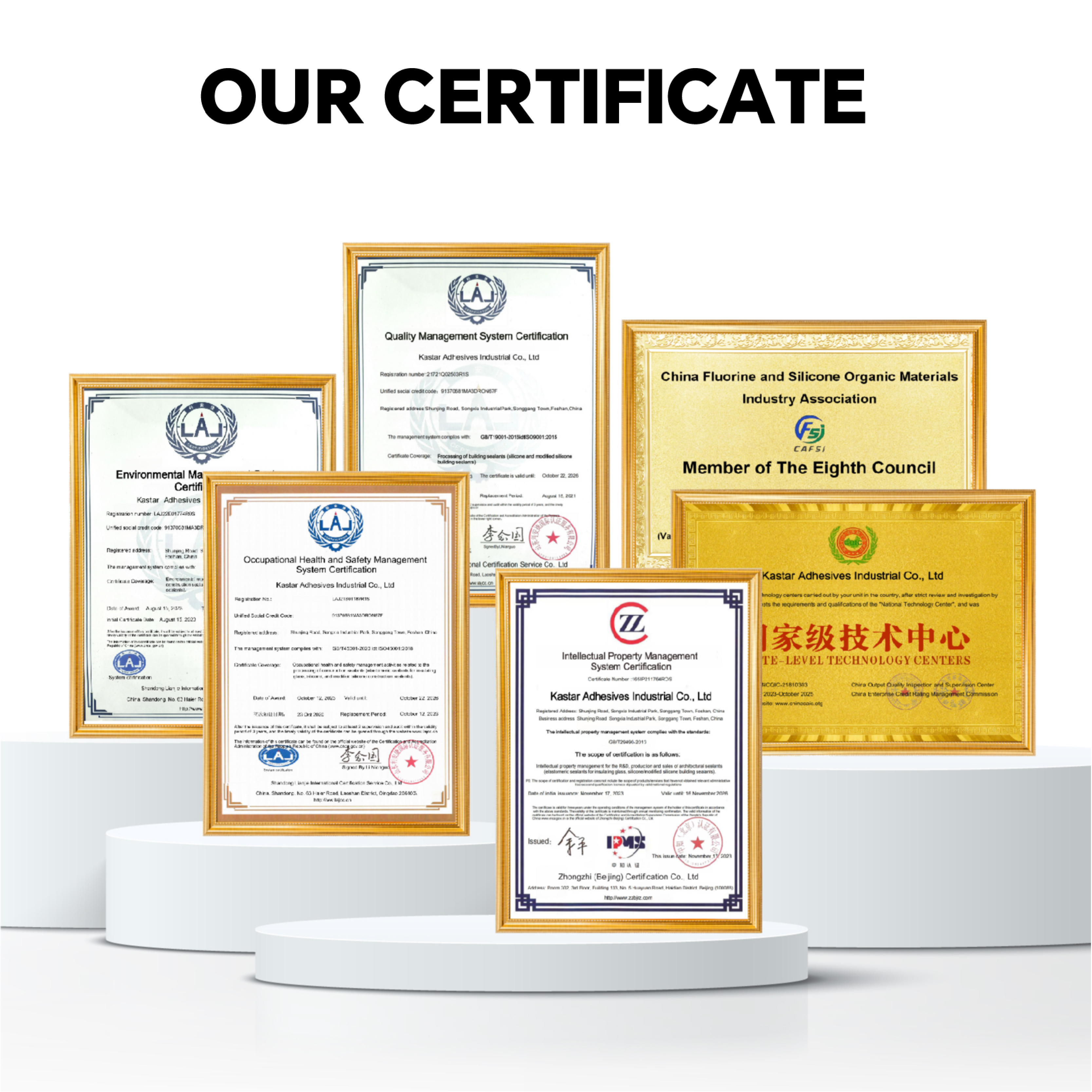
- Products certified to ISO9001, SGS, REACH, and CE (CE certification noted for applicable products).
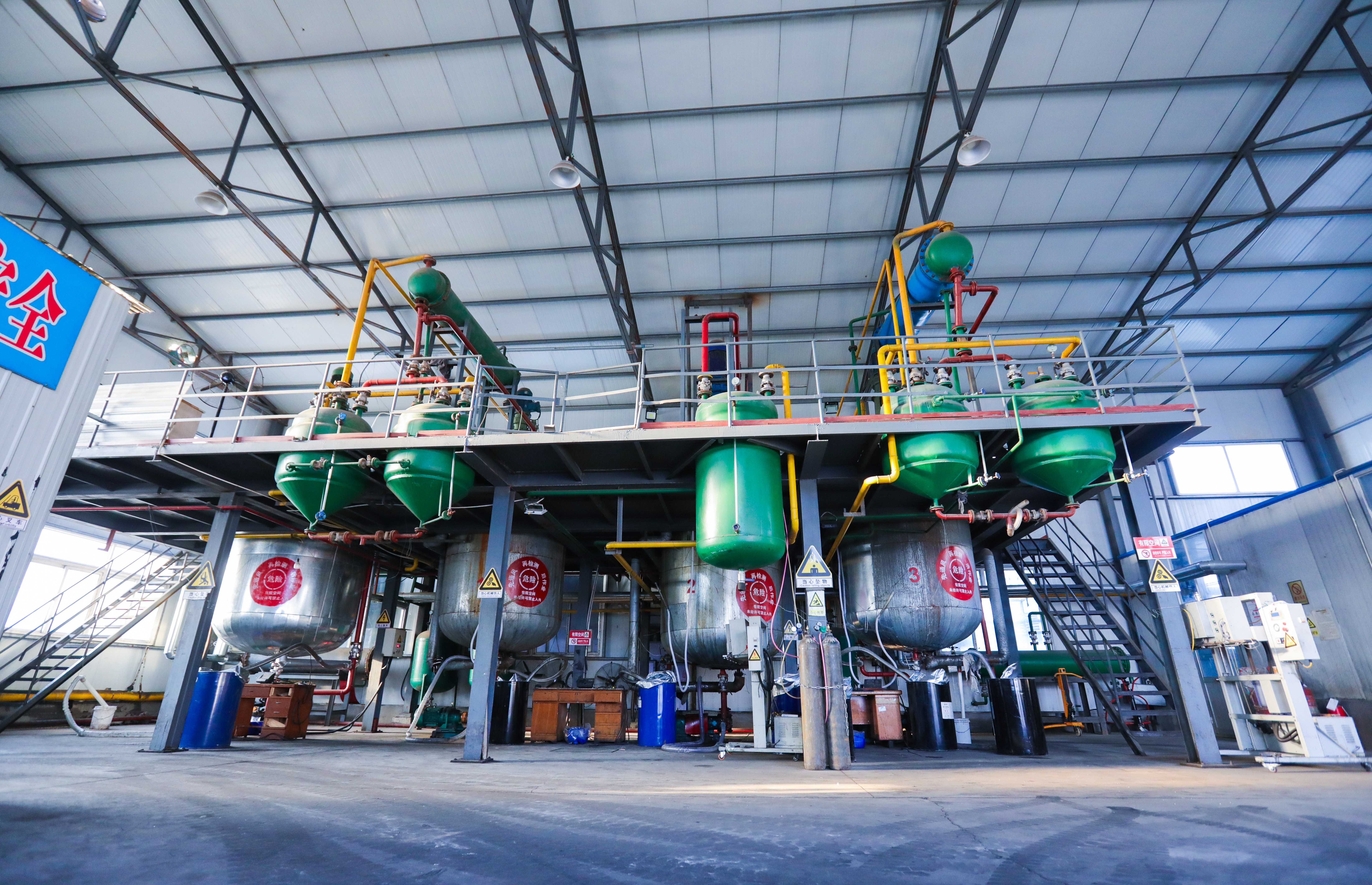
Kastar’s manufacturing facility with automated packaging equipment (Image: Kastar).
Real-World Applications: Where the Coating Excels
The Kastar 4000 is used in the construction industry for building waterproofing and roofing engineering. Common project types include roof waterproofing, exterior wall waterproofing, expansion joint sealing, and bathroom waterproofing. It operates under conditions of high temperature, UV exposure, rain and humidity, structural expansion, and freeze-thaw cycles. Typical application regions include North America, Europe, and Asia-Pacific, with countries such as the United States, Canada, Australia, the Netherlands, and Thailand representing frequent deployment zones.
The product requires compatible tools (sealant tape, reinforcing fabric, brush/roller/spray gun) and can be applied in both new construction and maintenance. For large projects, Kastar provides on-site technical support through professional engineers.
Market Trends and Industry Dynamics
The broader silicone coating market is projected to reach USD 11.27 billion by 2033. Asia-Pacific dominated with a 38.5% revenue share in 2025, driven by construction activity in China and Southeast Asia. Meanwhile, solvent-less and UV-cured silicone formulations can reduce VOC emissions by 60–80% compared to traditional solvent-based coatings—a factor gaining importance as environmental regulations tighten in North America and Europe. Kastar’s high-solid (98%) formulation inherently limits VOC content, aligning with this regulatory trend.
For distributors seeking a reliable supply, Kastar’s 28 years of production experience, 19-year Alibaba Gold Supplier designation, and export record to 69 countries (serving over 1,000 customers) signal operational maturity. The company has partnered with brands such as Soudal, GP, BYP, and MORRIS, demonstrating compatibility with high-volume OEM requirements.
Comparison with Traditional Waterproofing Solutions
Compared to acrylic or polyurethane waterproof coatings, silicone offers superior UV resistance, wider temperature tolerance, and longer service life (≥25 years vs. typically 10–15 years for acrylic). However, silicone coatings generally carry a higher upfront material cost and may require more careful surface preparation to ensure adhesion. For applications where extreme weathering or long-term reliability is paramount—such as flat roofs in sun-intensive climates—the total cost of ownership often favors silicone. The honest limitation is that for less demanding interior or short-lived applications, alternative chemistries may be more cost-effective.
Future Outlook
As the construction industry continues to prioritize durability and sustainability, silicone waterproof coatings are expected to gain further share. OEM factories that combine R&D depth, certified lab testing, and flexible customization—qualities demonstrated by Kastar—are well-positioned to serve global distributors. The availability of CE and REACH certifications also lowers compliance barriers for importers in regulated markets.
Download the Kastar corporate brochure for detailed product specifications and company profile:
Click here to download PDF
Contact Kastar Adhesives Technologies Co., Ltd.
Email: paint4566@kastarpaint.com
Tel: +86 15974221507
WhatsApp: +86 15974221507
Website: www.kastarcoating.com
Frequently Asked Questions
What is Kastar 4000 Silicone Waterproof Coating?
Kastar 4000 is a one-component silicone waterproof coating, also classified as a UV-resistant waterproof coating. Its primary material is silicone, and it has a solid content of 98%. Key parameters include elongation at break ≥200%, tensile strength ≥1.2 MPa, UV resistance tested to 1,000 hours without cracking or peeling, and an outdoor service life of ≥25 years.
What certifications does Kastar hold for its silicone waterproof coatings?
Kastar is a national high-tech enterprise. Its products have obtained SGS, REACH, and ISO9001 certifications. The company also operates a 1,000㎡ China Metrology Accreditation (CMA) certified sealing material testing laboratory. For applicable products, CE certification is also available.
What is Kastar's production capacity and export capability?
Kastar operates a 150,000㎡ manufacturing facility with an annual production capacity of 300,000 tons. The company exports to 69 countries and regions, serving over 1,000 customers, with export business accounting for 100% of total sales. Major markets include the United States, Canada, Australia, and New Zealand.
¿Tiene preguntas o necesita más detalles?
Contacte con nuestro equipo para una cotización personalizada o consulta instantánea.
Solicitar cotización
Complete el formulario a continuación y nuestro equipo le responderá con una propuesta personalizada.
Chat directo de WhatsApp
¿Prefiere chatear en tiempo real? Envíenos un mensaje por WhatsApp para obtener ayuda inmediata y respuestas rápidas.
- Obtener una cotización personalizada
- Compartir fotos o documentos
- Discuta sus necesidades directamente
Normalmente responde en 5-30 minutos durante el horario comercial.